




Report: 72% of Diesel School Buses Now Use Advanced Low-Emission Engines
What the EPA’s Updated Clean School Bus Program Means for Fleet Electrification in 2026 and Beyond
A guide to the EPA’s evolving school bus grants, including how the Trump administration changed funding priorities and how school districts can prepare for future bus purchases.
by Laura Karrer, InCharge Energy
June 11, 2026
As EPA funding evolves, school districts are navigating multiple paths for fleet replacement and alternative fuel adoption.
Credit:
School Bus Fleet
7 min to read
With talk of rising gas prices and climate change triggered by carbon emissions, many school bus fleet managers have considered ways to upgrade beyond the standard diesel-powered school bus. In 2021, the United States Environmental Protection Agency (EPA) presented a Clean School Bus (CSB) Program to provide grants to applicable entities looking to modernize their school bus fleets.
Under the Trump administration, however, this program has changed. While the EPA still plans to offer grants and funding under the program, it is in the process of deciding how best to help schools achieve the goal of lower emissions.
With this guide, fleet managers will better understand how the CSB program fits into a broader plan for fleet electrification and modernization.
What Is the Clean School Bus Program?
The Clean School Bus Program was created as part of the 2021 Bipartisan Infrastructure Law carried out by the Biden administration. This law, intended largely to fund upgrades to systems relying on old or inefficient forms of energy, provided $5 billion in initiatives to the CSB program. The program was designed to accelerate the phase-out of diesel-powered school buses in favor of those running on alternative energy sources, particularly electric vehicles.
What Defines a “Clean School Bus”?
Originally, the CSB program aimed to lower emissions from vehicles used to transport children to and from school. The program set requirements for eligible vehicles, specifically electric vehicles (EVs), as well as those running on compressed natural gas or propane. The vehicles had to be new, with a model year of 2023 or later. The new bus had to replace an older vehicle running on diesel or another emission-producing bus to qualify for the grants. The law requires at least 50% of the funding each fiscal year go toward zero-emission school buses, which emphasizes EVs, according to Inside Climate News.
Why Did the EPA Create the CSB Program?
The origin of the CSB program came from a desire to minimize students’ exposure to potentially harmful emissions from school buses. The EPA cited 390,000 school buses transporting 24 million U.S. schoolchildren, at the time of reporting, with each child spending an average of 90 minutes each day on the bus.
The EPA promoted the goal of lowering school bus emissions through various techniques, like upgrading older diesel buses for newer vehicles with lower emissions. Big changes might lower emissions for everyone but make more significant improvements for the children who spend so much time on the bus every day.
How Was the CSB Program Designed to Accelerate Fleet Electrification?
Although the CSB program allowed schools to apply for grants to subsidize the purchase of new buses running on a range of alternative energy options, awards went primarily to those looking to purchase electric buses. Specifically, the EPA cited that about 90% of the $2.7 billion awarded before 2025 was given to subsidize electric buses, with the remainder going to the purchase of propane buses.
How Could School Districts Utilize the Program?
Schools could take advantage of the grants available in the CSB program by submitting an application during a specified period each year. The last round of applications were due early in 2025, when the program was put on hold.
Schools had to specify their region and other criteria, including the types of vehicles they intended to buy and replace. Some districts were eligible for prioritization. If they were primarily funded by Title I funding or had 20% or more of the school’s children living in poverty, they might qualify for prioritization that came with a higher rebate value.
What Changed in the CSB Program Under the Trump Administration?
Once Donald Trump took over as president in 2025, his EPA appointee, Lee Zeldin, suspended the CSB program and canceled the contracts awarded early in 2025. The EPA cited ineffective and restrictive management that led to wasteful spending.
Although the program is still currently on hold, the EPA notes that it plans to make any future grants to be more open to fuel choice. The goal of the changes is to allow for schools to make cost-effective decisions that lower emissions, with less focus on approving electric buses in particular.
Why Did the EPA Revamp the Program?
The EPA chose to revamp the CSB program because it did not offer sufficient choice. It noted that, while the law allowed grants for the purchase of buses running on alternative fuels, some options were restricted and others were simply deprioritized. Additionally, the EPA cited an example of companies that received hundreds of millions of dollars from the program, only to fail to deliver said vehicles or provide buses that did not pass a test of durability. Under these conditions, the EPA suspended the program and canceled existing contracts until it could revamp the program.
Will the EPA Change the CSB Program Further?
At this point, the CSB program is still in flux. Schools cannot apply for grants until new criteria are set. In February 2026, the EPA announced a 45-day period of public commentary about possible program changes. The department requested information from schools about the availability of alternative-fuel busing options. Although this period has passed, the EPA is still processing the information it received and plans to issue new guidance later.
How Can School Bus Fleets Prepare for Future Fleet Purchases?
Since buses that run on alternative energy sources typically cost more than the average diesel-powered option, schools often need some kind of subsidization to make the upgrade to lower emission-producing vehicles worth it. Although the CSB program is still currently on hold, there are things that school districts can do to prepare for fleet modernization over time. Additionally, the EPA recommends other practices that can help to lower bus emissions, even for older or inefficient vehicles.
Consider Efficient Fuel Options
The main way to improve emissions from school buses is to consider efficient fuel options with lower emissions, according to the EPA. Buses running on electricity, natural gas, propane, or biofuels are all considered lower in emissions than those running on diesel. EVs tend to cut emissions the most.
The trick is to balance fleet modernization needs and lower emissions goals with reliability and cost-effectiveness. An electric school bus can cost up to 3.5 times as much as a diesel school bus, while buses running on natural gas run about 25% to 50% more than diesel. In all cases, buses running on alternative energy sources require regular access to the fuel or charging stations with sufficient electricity.
Stay Current on Changing EPA Guidelines
While the EPA put the CSB program on hold, it does eventually plan to offer future grants to qualified applicants. The process and requirements are likely to be different but are yet to be revealed.
To ensure that you are ready to take advantage of whatever grants may be available, stay current on the EPA’s changing guidelines. A reported $2.3 billion still remains to be awarded through the program, which may go to schools that are prepared to meet the new requirements.
Implement Efficient Fuel Practices
Even for schools that primarily rely on diesel-powered buses, there are things to do to reduce emissions while gradually modernizing the fleet. The EPA recommends that schools implement the following practices:
- Reduce the time that buses spend idling, especially near schools or residential areas
- Retrofit older engines for diesel particulate filters or diesel oxidation catalysts, which can lower emissions
- Use cleaner fuels that reduce emissions, such as biodiesel or ultra-low sulfur diesel
- Provide regular maintenance for all buses in the fleet, to improve reliability and performance
These steps, along with EV charger maintenance services for fleets that are in the process of electrification, can help to ensure that the buses run efficiently and reliably over time.
The goal of helping schools afford vehicles running on alternative energy sources remains true, but the way that schools qualify for the EPA’s grants is changing. By staying current on the changes and implementing some efficient practices, school districts can prepare to transition to a sustainable bus fleet.

Credit:
Laura Karrer
About the Author: Laura Karrer is a digital marketing specialist at InCharge Energy, a company focused on providing electric vehicle charging infrastructure and energy solutions. Karrer is passionate about environmental sustainability. With a background in storytelling and content creation, she makes complex issues clear and compelling, meeting people where they are and tailoring messages that drive real action.
This article was authored and edited according to School Bus Fleet editorial standards and style. Opinions expressed do not necessarily reflect that of SBF or Bobit Business Media.
Subscribe to Our Newsletter
More Alternative Fuels
Bipartisan Bill Seeks to Extend Clean School Bus Program Through 2031
The proposed legislation would renew federal support for cleaner school buses as districts navigate funding uncertainty, rising fuel and infrastructure costs, and fleet replacement needs.
Read More →
Alt-Fuel Moves: Electric Bus Rollouts, Bidirectional Charging & Propane Growth
See which fleets are adding electric and propane school buses as districts and operators invest in charging infrastructure, bidirectional technology, and alternative-fuel expansion.
Read More →
Nobody Told Diesel Prices They Were Supposed to Come Down
With diesel prices surging, school bus fleets have new reason to stress-test fuel costs, consider diversification, and calculate what each route really costs to operate.
Read More →
Why Gasoline School Buses Are Making a Comeback
Gasoline is gaining ground in full-size school buses. See how today’s options stack up against diesel on cost, maintenance, emissions, performance, and more.
Read More →
EPA Opens $180M DERA Funding Round for Diesel Upgrades
The 2026 Diesel Emissions Reduction Act program seeks applications from eligible organizations to accelerate the retirement of legacy diesel vehicles.
Read More →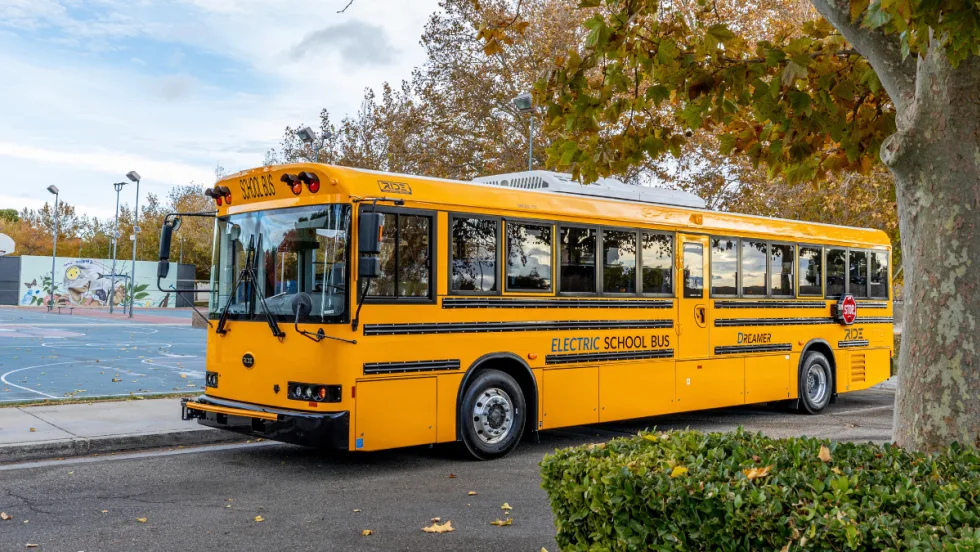
The Secret Life of an Electric School Bus Battery
Batteries change throughout years of daily routes, but degradation doesn’t necessarily mean the end. Here’s what operators should know about performance, safety, and second life.
Read More →
CALSTART and Forth Combine to Form Catalyst Mobility
The new name represents a renewed vision for the nonprofit focused on advancing clean, equitable, and affordable transportation solutions that move people and goods.
Read More →
Alt-Fuel Moves: New Buses, Charging Hubs & Real-World EV Testing
Propane and electric school bus deployments continue to grow as districts add new vehicles, expand charging infrastructure, and gather more real-world operating data.
Read More →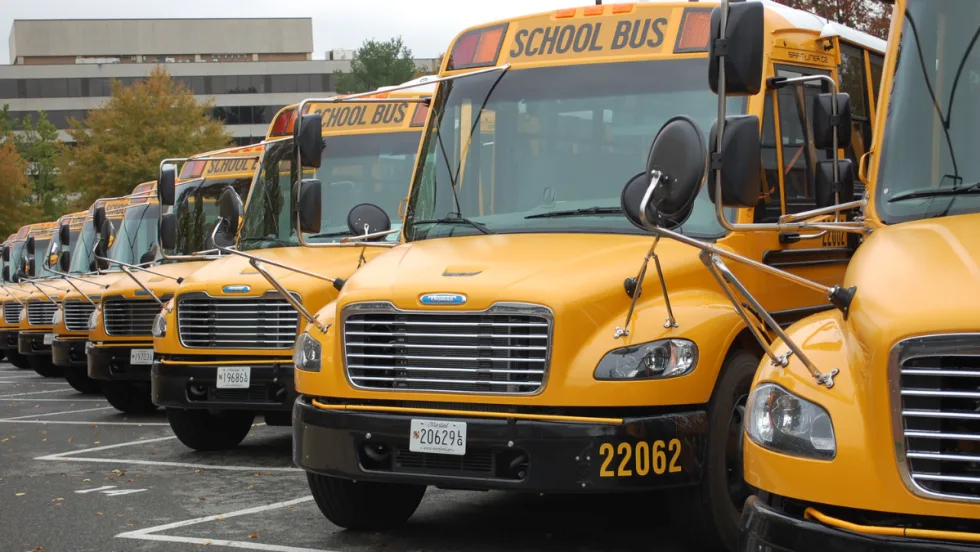
Fewer Electric School Bus Models Reshape the U.S. Market
WRI’s latest buyer’s guide points to a consolidating electric school bus market, but fewer options may reflect a maturing industry rather than fewer meaningful choices for school bus operators.
Read More →
The Fuel Budget You Can Actually Predict: How Propane Autogas Keeps Money in the Classroom
Learn how propane autogas helps school districts manage fuel costs with predictable pricing, lower maintenance, and reduced emissions from former transportation director Joel Stutheit.
Read More →