




Report: Nearly $3 Billion Allocated for Clean School Buses Over Two Years
Analyzing the demand for electric and zero-emissions school buses. Plus, a look back at just how many clean school buses the program has funded.

Funding from the EPA's Clean School Bus Program has been awarded to school districts with more than 16 million students nationwide.
Photo: School Bus Fleet
The U.S. Environmental Protection Agency’s (EPA) Clean School Bus Program (CSBP) has played a role in the process of putting more than 8,000 electric school buses on roadways in 49 states, four U.S. territories, Washington, D.C., and 55 Tribal school districts. The program provides funding for clean school buses.
The funding has been awarded to school districts with more than 16 million students nationwide, according to a new analysis of CSBP funding by the World Resources Institute's (WRI's) Electric School Bus Initiative.
There are 12,100 committed electric school buses in the U.S., of which 67% have been funded by the CSBP. The demand for cleaner buses continues to outpace the funding available to help purchase them.
Most Bus Replacements to Be Electric-Powered
Of the school bus replacements funded by the CSBP, 95% will be electric school buses. School Bus Fleet has previously reported that 8,427 buses will be electric, while 440 wil be powered by low-emissions propane.
As of June 2024, the EPA has released nearly $3 billion through 966 awards through the CSBP. This funding amounts to approximately 8,500 school bus replacements at more than 1,200 school districts. Together, these districts serve 16 million students.
More than 750 of the electric school buses have already been deployed, serving about 36,000 student riders across 40 states.
School districts in low-income, rural and/or Tribal communities — which the EPA has prioritized for funding — make up nearly three-quarters of the projects selected for funding.
In many locations, the CSBP is the sole funder for all electric school buses. This includes American Samoa, Arkansas, Washington, D.C., Guam, Idaho, Kansas, Louisiana, Nebraska, New Hampshire, Puerto Rico, South Dakota, the U.S. Virgin Islands, and Wisconsin.
What is the Clean School Bus Program?
The CSBP was created through the 2021 Bipartisan Infrastructure Law. The investment provides $5 billion over five years to replace existing diesel-burning school buses with those that produce zero or lower tailpipe emissions.
Nationwide, there are nearly 500,000 school buses transporting around 21 million students each year; the vast majority burn diesel fuel to operate.
So far, the CSBP has completed applicant selections for three rounds of funding opportunities. In every round, the program has seen overwhelming demand from school districts and fleet operators across the country for electric school buses.
Prioritizing Underserved Communities
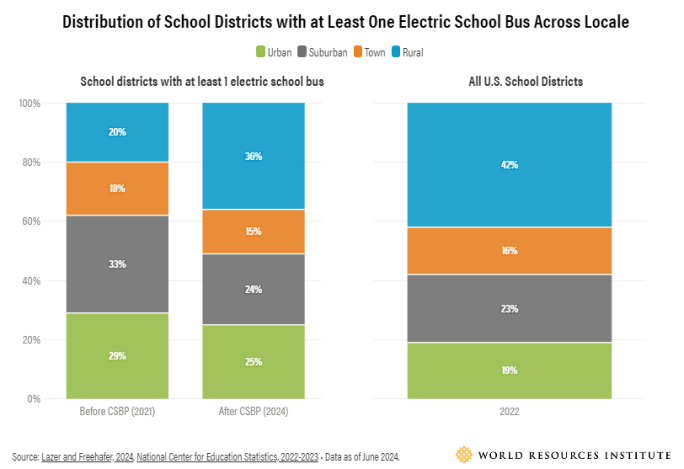
Before the introduction of the CSBP in late 2022, suburban districts held the greatest share of electric school buses, and rural districts accounted for only 20% of school districts with at least one electric school bus.
Photo: World Resources institute - Electric School Bus Initiative
The CSBP is part of the White House's Justice40 Initiative, which seeks to ensure at least 40% of benefits from climate programs go to underserved communities disproportionately impacted by pollution.
The program prioritizes school districts based on whether they are 'high need', focusing on high-poverty districts and those located in the U.S. Virgin Islands, Guam, American Samoa, or Northern Mariana Islands, as well as those in rural or Tribal areas, or a combination of these criteria.
The EPA is distributing awards to replace more than 300 diesel-burning school buses with electric school buses at 55 Tribal school districts. Approximately 20% of funding awards are going to school districts where more than half of the district population are people of color.
This is notable, WRI reported, because 12% of school districts nationwide have a population where more than half of the district population are people of color. Similarly, districts with a majority of people of color account for 40% of all CSBP electric school buses awarded, and nearly half of the total awarded funds.
Before the first round of CSBP awards in 2022, the largest percentage of all electric school buses in the U.S. were in districts with the smallest shares of low-income households.
As of Dec. 2023, two-thirds of electric school buses are in districts with the highest shares of low-income households.
Additionally, because of the program's rural prioritization criteria, the share of districts with at least one electric school bus in each type of locale — rural, town, suburban, and urban — also now aligns more closely to the distribution of all school districts nationwide among these locales.
Before the introduction of the CSBP in late 2022, suburban districts held the greatest share of electric school buses, and rural districts accounted for only 20% of school districts with at least one electric school bus.
The top five states to receive funding for electric school buses specifically are:
California - 825 electric buses awarded
New York - 685 electric buses awarded
Illinois - 516 electric buses awarded
Pennsylvania - 429 electric buses awarded
Texas - 404 electric buses awarded
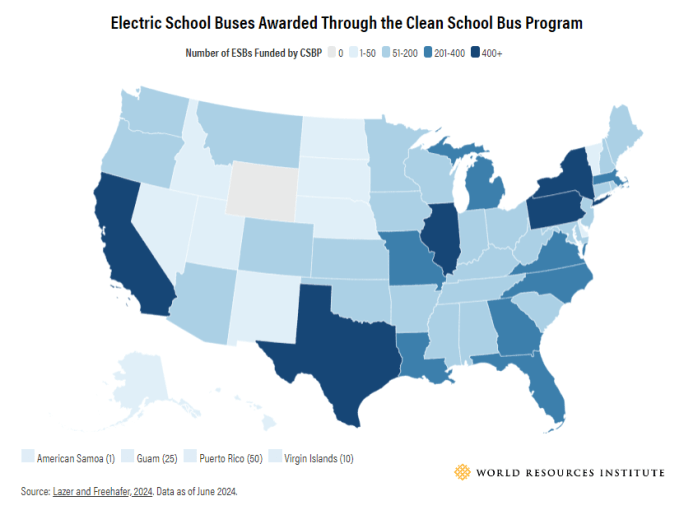
California and New York — the two states with the most electric school buses committed — both have goals to transition all buses to zero-emission ones.
Photo: World Resources institute - Electric School Bus Initiative
Demand for Cleaner Buses Outpaces Funding
In the first round of rebate funding in 2022, more than 2,000 applications were submitted from school districts and fleet operators in all 50 states, Washington, D.C., Puerto Rico, the U.S. Virgin Islands, Guam, American Samoa, and more than 20 Tribal school districts.
Applicants requested nearly eight times the $500 million that EPA had anticipated making available. In total, districts and fleet operators applied for nearly $4 billion for more than 12,000 school buses — of which 90% were electric.
Local demand for electric school buses was so great that the EPA nearly doubled the amount of funding initially available from $500 million to $965 million.
The second round of CSBP funding awarded nearly $1 billion for 280 school districts through a competitive grant process. Again, applicants exceeded demand expectations by applying for $2 billion in funding — five times the amount originally expected to be awarded.
Nearly all awards — 98% — are funding electric school buses, in response to demand from school districts. All told, 275 school districts received funding for electric school buses.
In May 2024, the EPA announced the selected rebate applicants for its third round of funding. Given the level of demand from low-income communities, Tribal nations, and U.S. territories, the EPA doubled the initial amount of available funding from $500 million to nearly $1 billion.
Nearly 100% of funds went to electric school buses and associated infrastructure, amounting to 3,177 electric school buses out of the 3,441 awarded replacement buses.
The EPA is continuing to review applications and may make additional CSBP awards. There are currently 33 tentatively selected school districts eligible for rebate funding, which could amount to an additional 220 electric school buses and $65 million in funding.
WRI’s Electric School Bus Initiative has delivered technical assistance to school districts and others throughout multiple rounds of funding cycles to support the procurement and deployment of electric school buses.
There are also other opportunities to apply for funding assistance. EPA is accepting applications for the Clean Heavy-Duty Vehicles Grant Program, which will be open for replacing Class 6 and 7 vehicles, including school buses. The deadline to apply for that grant is July 25, 2024.
More Alternative Fuels

CALSTART and Forth Combine to Form Catalyst Mobility
The new name represents a renewed vision for the nonprofit focused on advancing clean, equitable, and affordable transportation solutions that move people and goods.
Read More →
Alt-Fuel Moves: New Buses, Charging Hubs & Real-World EV Testing
Propane and electric school bus deployments continue to grow as districts add new vehicles, expand charging infrastructure, and gather more real-world operating data.
Read More →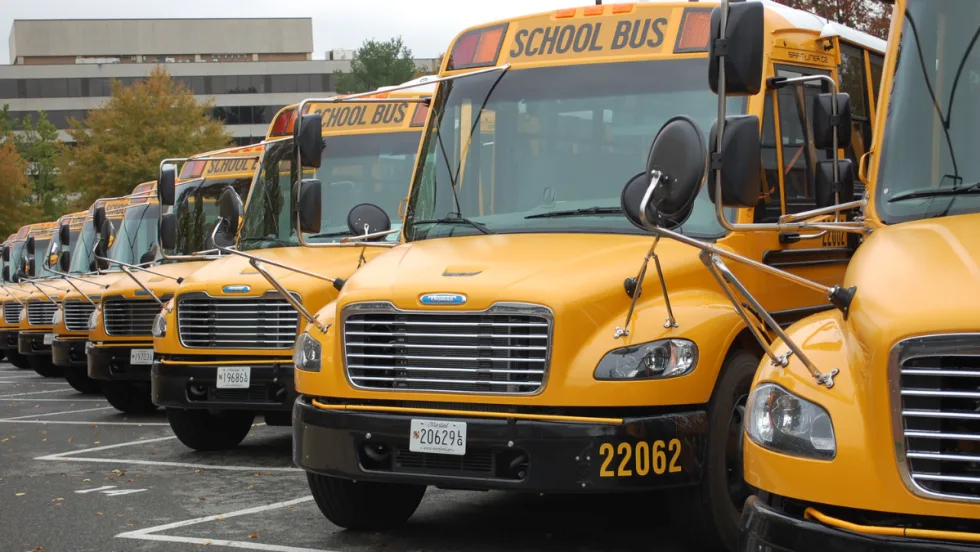
Fewer Electric School Bus Models Reshape the U.S. Market
WRI’s latest buyer’s guide points to a consolidating electric school bus market, but fewer options may reflect a maturing industry rather than fewer meaningful choices for school bus operators.
Read More →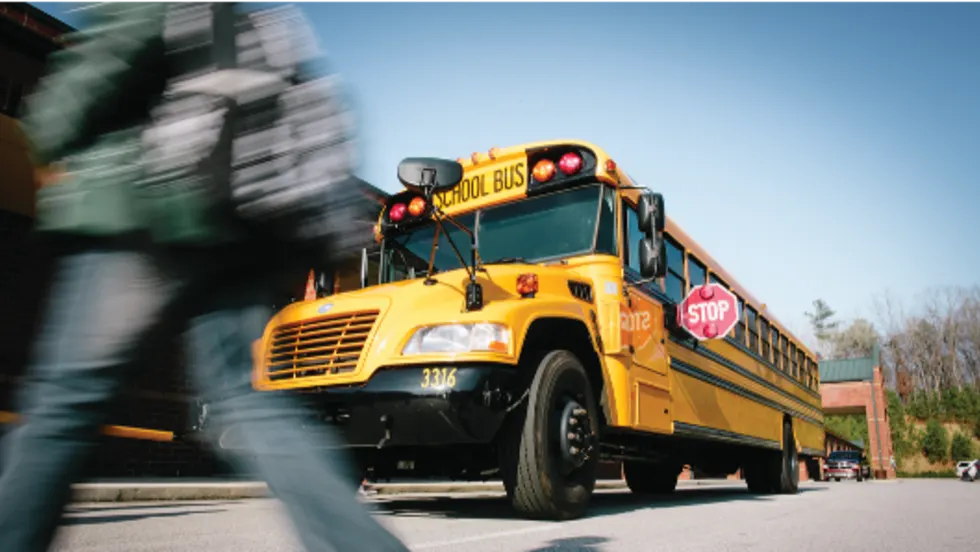
The Fuel Budget You Can Actually Predict: How Propane Autogas Keeps Money in the Classroom
Learn how propane autogas helps school districts manage fuel costs with predictable pricing, lower maintenance, and reduced emissions from former transportation director Joel Stutheit.
Read More →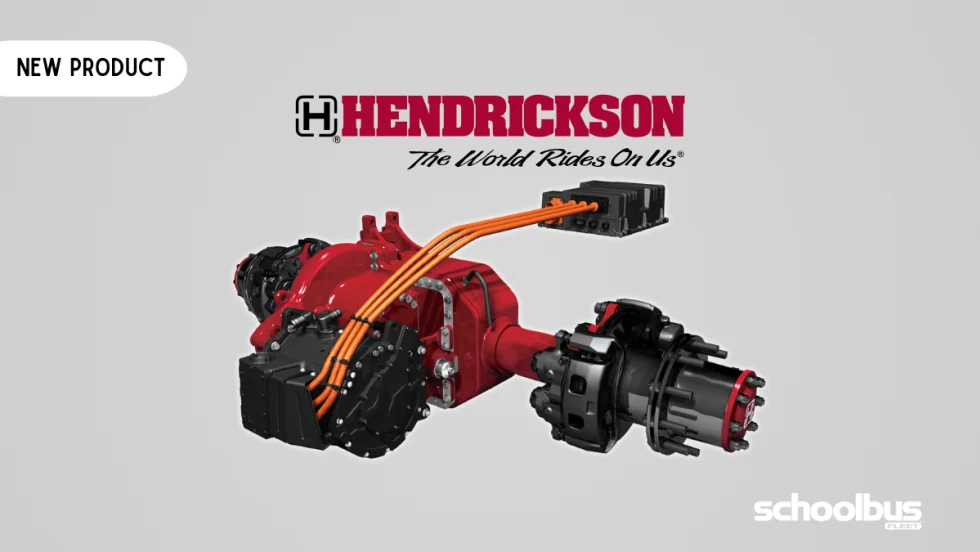
Hendrickson, Driventic Introduce New Electric Powertrain for School Buses
ELECTRAAX, the electrified, lightweight drive axle offers integrated ePowertrain efficiency and modular flexibility for Class 6–7 school bus use.
Read More →
The Mobility House Joins PowerFlex in Fleet Electrification Deal
The acquisition combines intelligent charging software, bidirectional charging expertise, and fleet electrification services to support the growing adoption of electric school buses across North America.
Read More →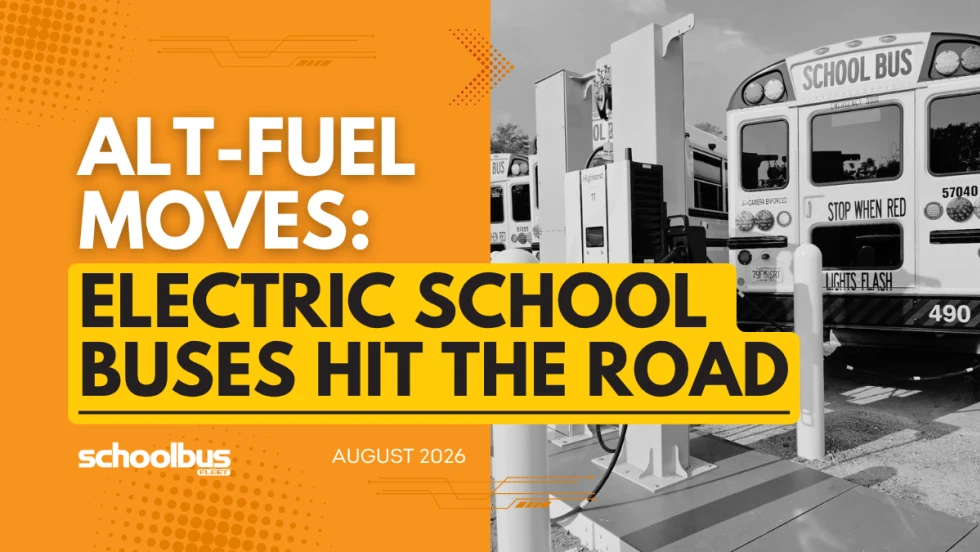
Alt-Fuel Moves: Electric School Bus Investments Hit the Road
See which districts across the U.S. are putting electric school buses into service, expanding charging infrastructure, and planning the next phase of fleet electrification.
Read More →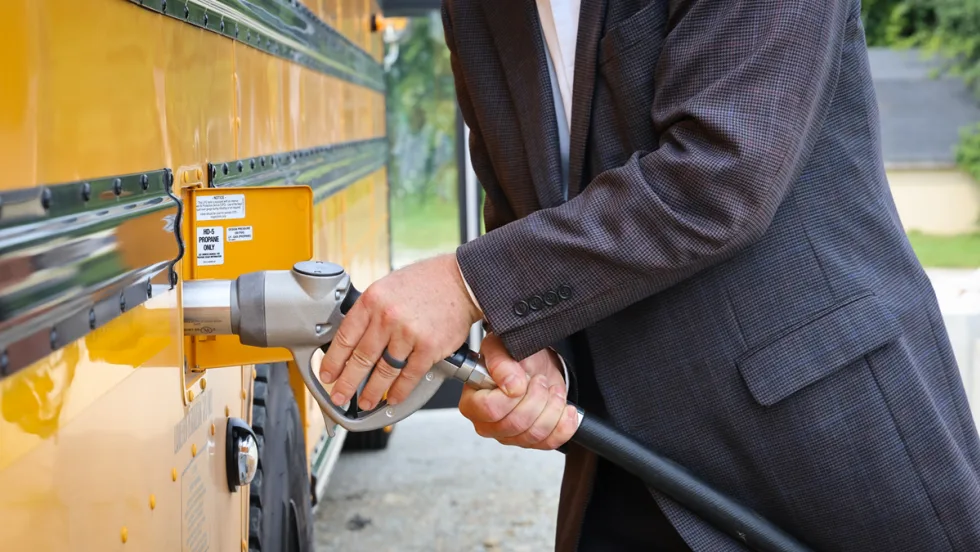
With Fuel Volatility Ahead, School Districts Turn to Propane
While diesel prices peaked above $5 this spring, districts with propane autogas-powered fleets paid under $2 per gallon, according to PERC.
Read More →
EPA Unveils Proposed Changes to 2027 Heavy-Duty Engine Rules
The federal agency has proposed changes to next year’s targets that would eliminate DEF derates, ease warranty requirements, and retain current NOx emissions standards.
Read More →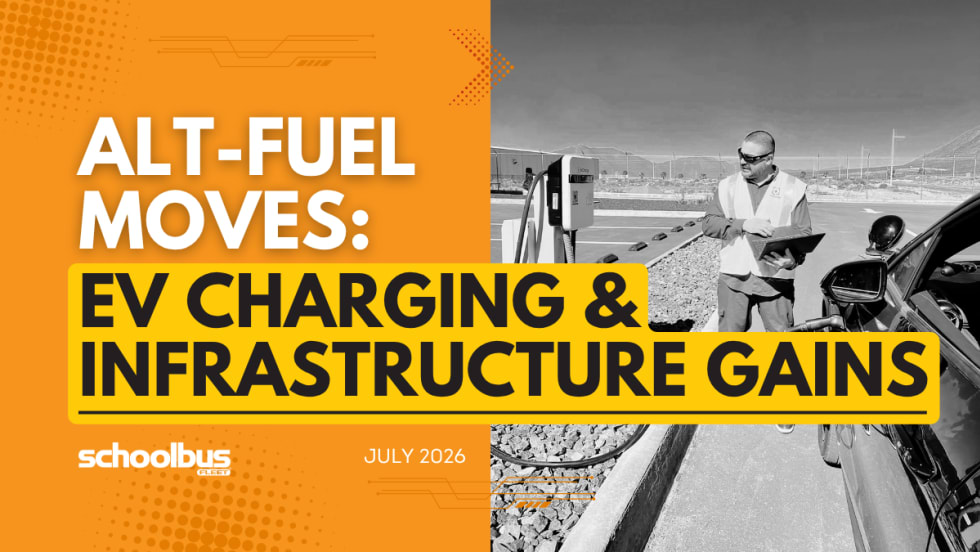
Alt-Fuel Moves: EV Charging & Infrastructure Projects Gain Momentum
The latest developments include new funding, charging infrastructure, utility investments, and fleet technologies designed to support the transition to electric school buses nationwide.
Read More →