





Wired for Power: How to Find Funding for Alt-Fuel School Buses
5 Ways Things Change When Your School District Adds Electric Buses
Three industry experts offered insights about putting electric school buses in your fleet's mix during a School Bus Fleet webinar.
October 12, 2022
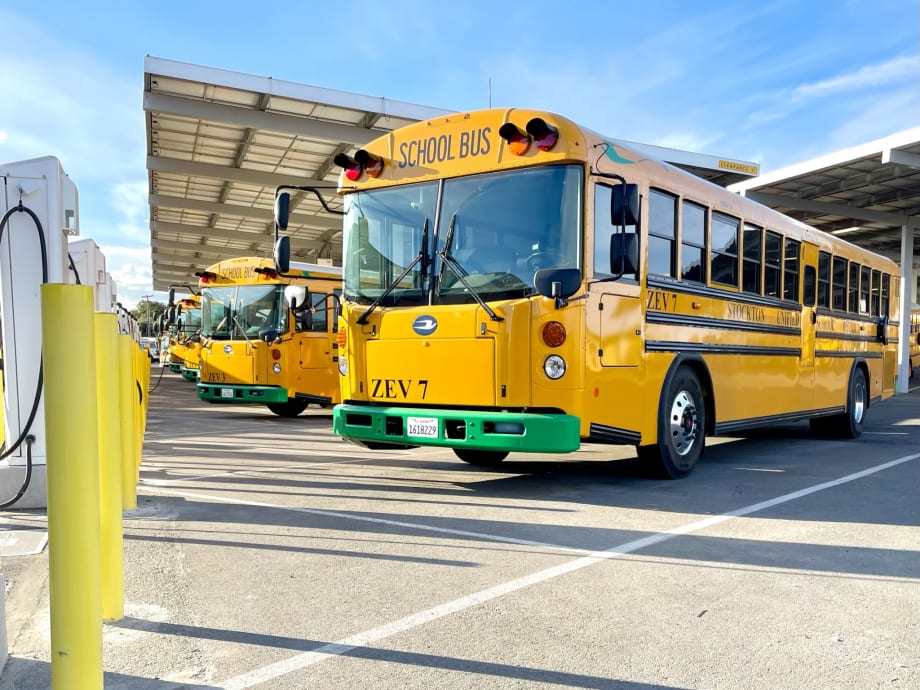
Stockton Unified School District in California added 11 electric school buses and 24 chargers, with funding from the California Air Resources Board, the California Energy Commission, and San Joaquin Valley Air Pollution Control District.
Photo: Gilbert Rosas
5 min to read
Making the jump to electric school buses isn’t a plug-and-play proposition. It takes careful planning, training, and patience when adopting new technology.
In a September webinar, School Bus Fleet heard from three industry experts about the changes districts can expect as they transition from internal combustion to electrified fleets. Blue Bird, IC Bus, and Thomas Built Buses sponsored the session.
Experts on the panel included:
Brittany Barrett, a senior manager with the World Resources Institute who specializes in working with school districts on the technical needs for electrification.
Halsey King, fleet maintenance consultant.
Gilbert Rosas, maintenance and operations director for Modesto City Schools in California and a member of WRI’s advisory council.
During the webinar, among other topics, they discussed:
Engaging shareholders.
Training drivers and technicians.
Shifting technologies.
Adjusted expectations to daily routines.
Benefits of the technological investment.
Stakeholders Get Up to Speed
When considering the change to an electric school bus fleet, Barrett said during the panel discussion that “one of the first things to keep in mind is bringing together all the right stakeholders to the table from the beginning.”
What’s your district’s goal? Partial electrification? Full transition?
“Make decisions with those end goals in mind and avoid duplication of efforts,” Barrett said. Work with local utilities, know your account manager, and start conversations about offsetting infrastructure costs. Figure out what demand will look like, how you’re going to manage charging, determine the rate structures.
She suggested a facility walkthrough with critical personnel – from maintenance to IT – to understand how to deploy, what upgrades might be needed, or where you might have capacity to charge buses without upgrading the infrastructure. Barrett also recommended a line drawing of existing service connections and documentation of easement procedures as initial steps.
Rosas compares the preparation period to “spinning 10 or 12 plates at a time.” It’s important to figure out who’s trusted to design the project, who’s the champion in the district to support it, which bus manufacturers are the right fit and what their production lead time looks like.
For the deployment Rosas is working on now in Modesto, the district purchased buses that aren’t expected to arrive until the end of this year.
Drivers and Technicians Experience New Training
School bus drivers might be hesitant about electric vehicles at first, Rosas said, but they quickly come to appreciate the quiet compared to the rumble of a diesel engine.
“They take off and drive extremely well, no lag on them,” he said.
Mechanics, some of whom may also be reluctant to make the jump, shouldn’t fret, King said.
“People need to come into this as a new adventure, not necessarily something that’s going to be bad,” he said. “Most people that operate this equipment find it quite pleasant.”
New Buses Have New and Different Needs
Core activities can change a great deal when making that change from ICE to battery-electric, King said.
“We have to take people away from the old diesel and CNG days and put them into an environment that is much different physically and operationally,” he said. With electric buses, he noted, a primary safety focus are the high-voltage arcs that might come from making the wrong connections.
“That can be enough to stop a person’s heart if they use the wrong tool in the wrong place,” he said.
Personal protection equipment (PPE) changes to be more appropriate for dealing with electricity rather than liquid or gaseous fuels.
With electric buses, mechanics have fewer parts to handle and generally don’t have to manage fuel regulation, injectors, pumps, or chemical blends.
“If you’ve got a larger system or power unit, it’s going to have some coolant, but it won’t be to the degree normally associated with diesel,” King said.
Beyond that, Rosas said mechanics must become familiar with charging components, deal with software updates, and adjust to smart charging or straight plug-in charging.
Much of the bus remains the same, though, from mirrors and lights to wheelchair lifts. However, the panelists agreed one critical element on an electric bus seems more susceptible to wear due to torque generated by the drive system: tires.
The Typical Day Feels Different
When the driver first arrives to run their morning route, Rosas said, they must determine if the vehicle charged properly overnight.
After that morning run, they can return to the yard and start charging again. But is the driver or a mechanic responsible for that? Each school district may be different.
Drivers may have to moderate their behavior on the road, as their habits behind the wheel can affect route mileage.
“It’s something you get to live with for the next few years,” King said, while activities are honed by experience.
“Before too long, you’ll find the mechanics who are resistant to it, once they understand it, they begin to really enjoy it,” he said. “They see it’s less work per bus per day.”
The District Stands to Benefit
When it comes to the bottom line, WRI has seen anecdotal reports of districts saving $4,000 to $11,000 per year on maintenance after shifting to electric buses, Barrett said.
In Modesto, Rosas estimated that battery-electric buses cost about 60 cents per mile to operate, saving about $1.38 per mile compared to diesel.
“On larger fleets, it’s just a huge amount,” he said.
Beyond the maintenance savings, the panelists agreed that the students, drivers, and community as a whole win with the transition to cleaner fleets – even though it can represent a higher initial investment.
“You can get air circulation with open windows on a 48-person bus and don’t have to worry about smoke,” King said. “Environmentally, it’s just 100% better, no question about it.”
“It’s like the smoker who stops smoking,” Rosas said. “Your lungs clear up.”
Check out this and other School Bus Fleet webinars on our website at https://www.schoolbusfleet.com/webinars.
Subscribe to Our Newsletter
More Alternative Fuels

CALSTART and Forth Combine to Form Catalyst Mobility
The new name represents a renewed vision for the nonprofit focused on advancing clean, equitable, and affordable transportation solutions that move people and goods.
Read More →
Alt-Fuel Moves: New Buses, Charging Hubs & Real-World EV Testing
Propane and electric school bus deployments continue to grow as districts add new vehicles, expand charging infrastructure, and gather more real-world operating data.
Read More →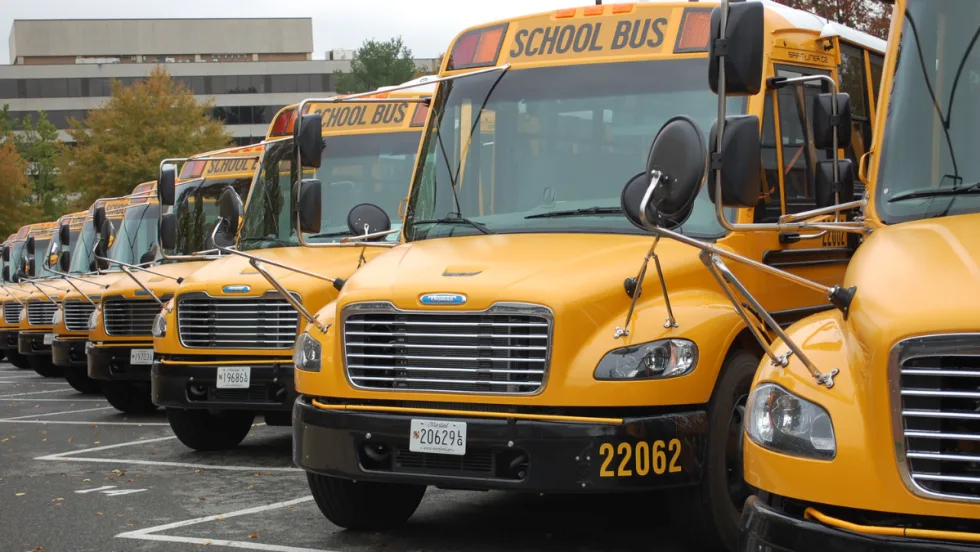
Fewer Electric School Bus Models Reshape the U.S. Market
WRI’s latest buyer’s guide points to a consolidating electric school bus market, but fewer options may reflect a maturing industry rather than fewer meaningful choices for school bus operators.
Read More →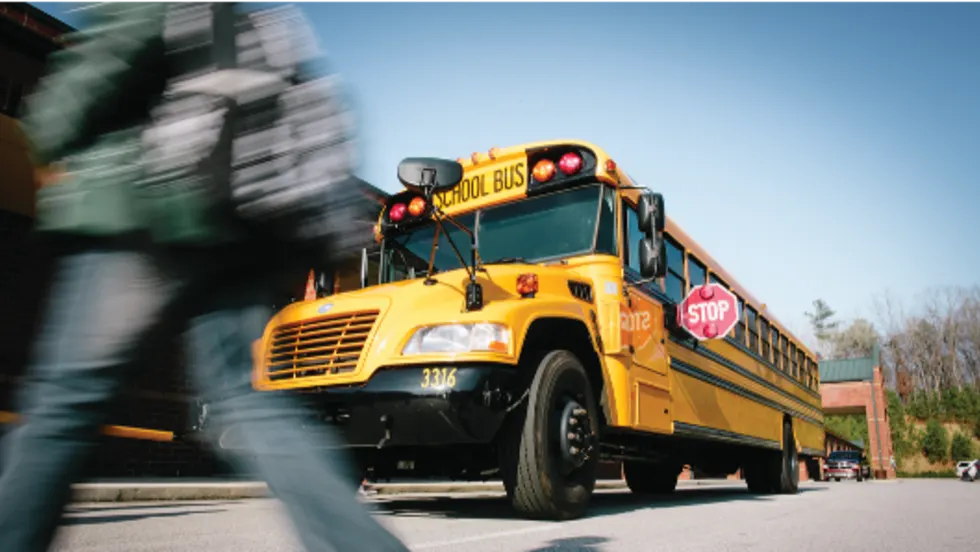
The Fuel Budget You Can Actually Predict: How Propane Autogas Keeps Money in the Classroom
Learn how propane autogas helps school districts manage fuel costs with predictable pricing, lower maintenance, and reduced emissions from former transportation director Joel Stutheit.
Read More →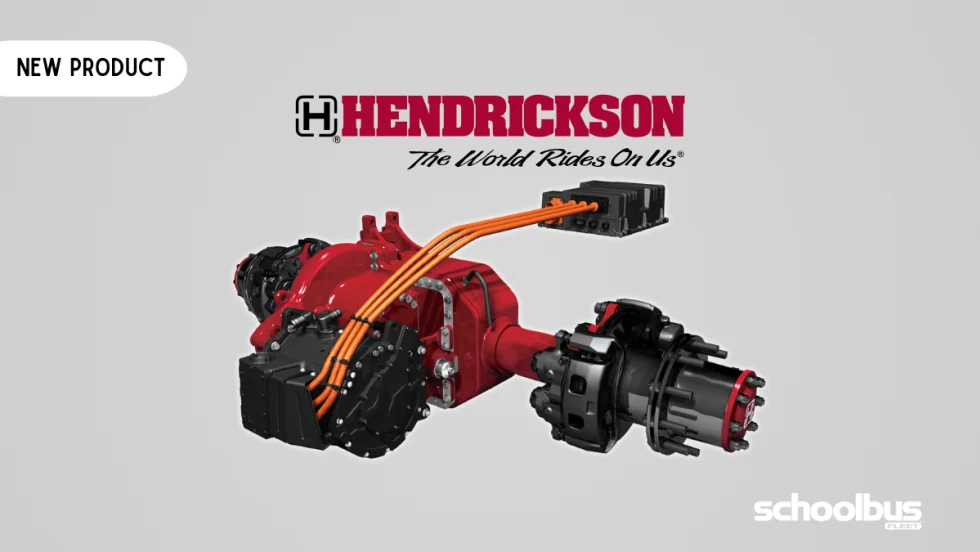
Hendrickson, Driventic Introduce New Electric Powertrain for School Buses
ELECTRAAX, the electrified, lightweight drive axle offers integrated ePowertrain efficiency and modular flexibility for Class 6–7 school bus use.
Read More →
The Mobility House Joins PowerFlex in Fleet Electrification Deal
The acquisition combines intelligent charging software, bidirectional charging expertise, and fleet electrification services to support the growing adoption of electric school buses across North America.
Read More →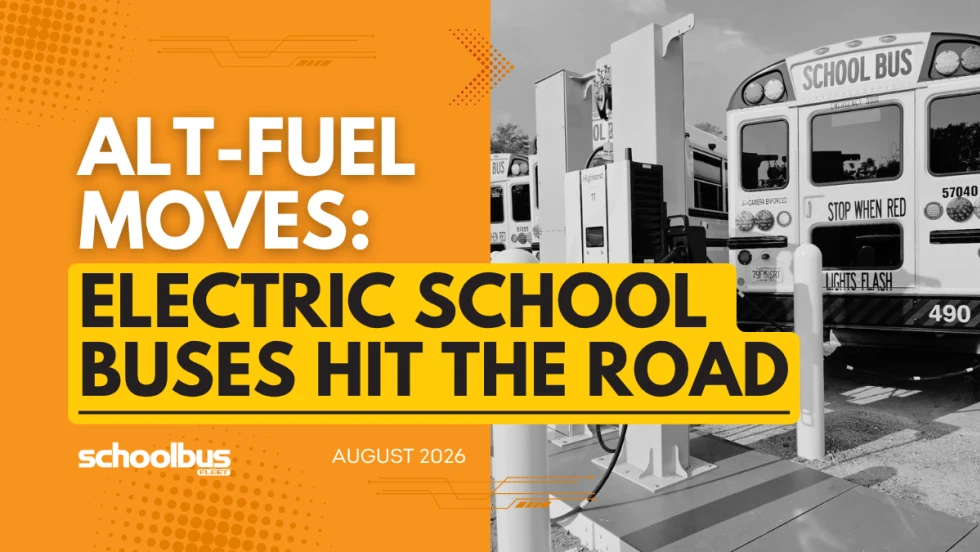
Alt-Fuel Moves: Electric School Bus Investments Hit the Road
See which districts across the U.S. are putting electric school buses into service, expanding charging infrastructure, and planning the next phase of fleet electrification.
Read More →
With Fuel Volatility Ahead, School Districts Turn to Propane
While diesel prices peaked above $5 this spring, districts with propane autogas-powered fleets paid under $2 per gallon, according to PERC.
Read More →
EPA Unveils Proposed Changes to 2027 Heavy-Duty Engine Rules
The federal agency has proposed changes to next year’s targets that would eliminate DEF derates, ease warranty requirements, and retain current NOx emissions standards.
Read More →
Alt-Fuel Moves: EV Charging & Infrastructure Projects Gain Momentum
The latest developments include new funding, charging infrastructure, utility investments, and fleet technologies designed to support the transition to electric school buses nationwide.
Read More →