





Check Out: What You Need to Know About the EPA's Clean School Bus Program
EPA Showcases Zero-Emission Buses in North Texas
The Region 6 office invited 130 independent school districts to check out four electric and emission-free buses to promote the EPA's Clean School Bus Program.
August 3, 2022
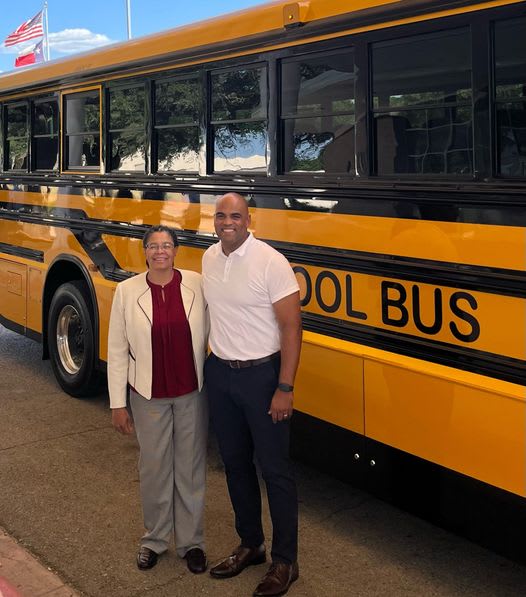
Earthea Nance, Region 6 administrator for the EPA, is shown here with U.S. Rep. Colin Allred at the Clean School Bus event.
Photo: EPA
3 min to read
The U.S. Environmental Protection Agency’s Region 6 showcased four electric and emission free buses for north Texas school districts as part of EPA’s outreach event for the Clean School Bus Program. The EPA and North Central Texas Council of Governments (NCTCOG) reached out and invited superintendents and staff from more than 130 Independent School Districts in North Texas as part of an effort to raise awareness of the program and provide information on the first funding announcement of $500 million through the 2022 Clean School Bus Rebates.
“The Dallas area has shown remarkable progress in transitioning to cleaner energy,” said Region 6 Administrator Dr. Earthea Nance. “EPA is honoring our promise that this program will implement emission free buses across Texas. EPA will continue to provide opportunities for school districts to protect children’s health and ensure a cleaner and brighter future.”
“The EPA’s Clean School Bus Program is improving health outcomes for both students and other members of our community,” said U.S. Rep. Eddie Bernice Johnson. “I encourage school districts throughout Texas to participate in this innovative approach to transportation.”
“The Bipartisan Infrastructure Law continues to deliver, and by investing in clean, pollution-free electric school buses, North Texas school districts can lead the nation in the adoption of this technology,” said U.S. Rep. Colin Allred. “I took the bus when I was growing up, so I know how important this service is for families. I highly encourage Texas school districts to apply for funding to pay for these buses, and I look forward to working with the EPA and local school districts on this important program.”
“The air our children breathe is as essential to their well-being as access to quality education,” said U.S. Rep. Marc Veasey. “That is why I was proud to join my colleagues in passing a Bipartisan Infrastructure Law that makes critical investments in our environment by switching from dirty diesel-powered buses to zero-emissions electric buses. Clean school buses will help ensure a promising future for school districts, children, and communities across North Texas.”
In 2012, nearly 1,500 children in Dallas County visited an emergency room or were admitted to a hospital due to asthma. So far this year, the Dallas-Fort Worth area has experienced 28 days of measured ozone concentrations that exceed the 2015 Ozone National Ambient Air Quality Standard (NAAQS). Ozone above this level can impact lung function and aggravate pre-existing conditions such as asthma.The buses do not discharge air pollutants and are emission-free and therefore improve air quality in surrounding communities. Additionally, these vehicles can transmit electricity back to the grid for communities that suffer from power outages. Lastly, these vehicles cost less than their diesel-fueled counterparts, encouraging more school districts to apply for the Clean School Bus Program.
EPA’s Clean School Bus Program will continue to honor the commitment to advance environmental justice and equity considerations for local communities. EPA also will focus on prioritizing outreach efforts to underserved communities that may have never applied for a federal grant or rebate. The clean bus competitions will be run every year over the next five years.
EPA is accepting applications from school districts until Aug. 19, 2022.
More Alternative Fuels

CALSTART and Forth Combine to Form Catalyst Mobility
The new name represents a renewed vision for the nonprofit focused on advancing clean, equitable, and affordable transportation solutions that move people and goods.
Read More →
Alt-Fuel Moves: New Buses, Charging Hubs & Real-World EV Testing
Propane and electric school bus deployments continue to grow as districts add new vehicles, expand charging infrastructure, and gather more real-world operating data.
Read More →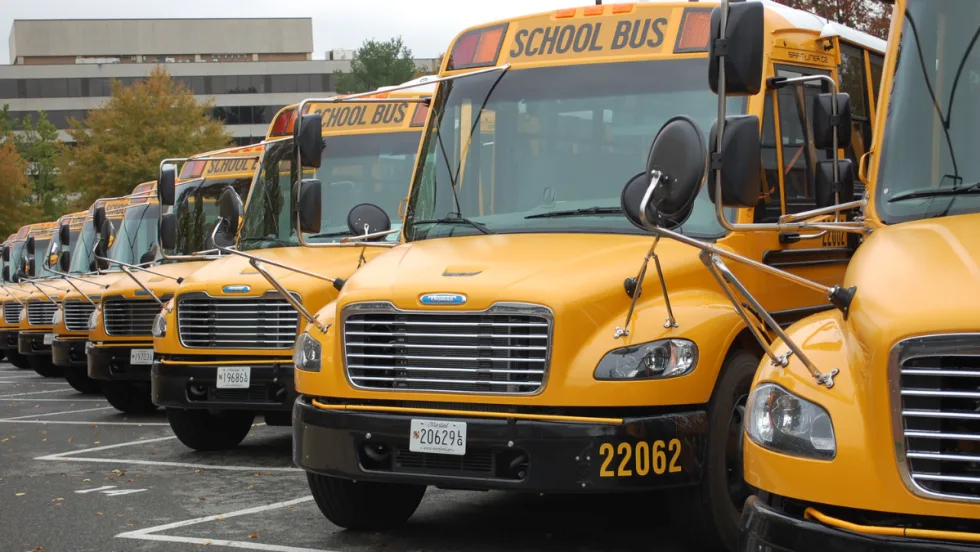
Fewer Electric School Bus Models Reshape the U.S. Market
WRI’s latest buyer’s guide points to a consolidating electric school bus market, but fewer options may reflect a maturing industry rather than fewer meaningful choices for school bus operators.
Read More →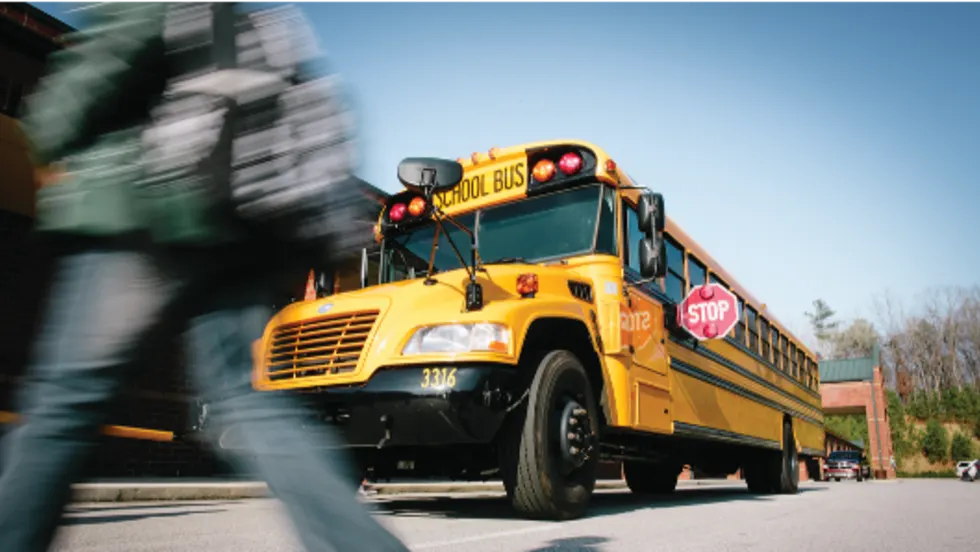
The Fuel Budget You Can Actually Predict: How Propane Autogas Keeps Money in the Classroom
Learn how propane autogas helps school districts manage fuel costs with predictable pricing, lower maintenance, and reduced emissions from former transportation director Joel Stutheit.
Read More →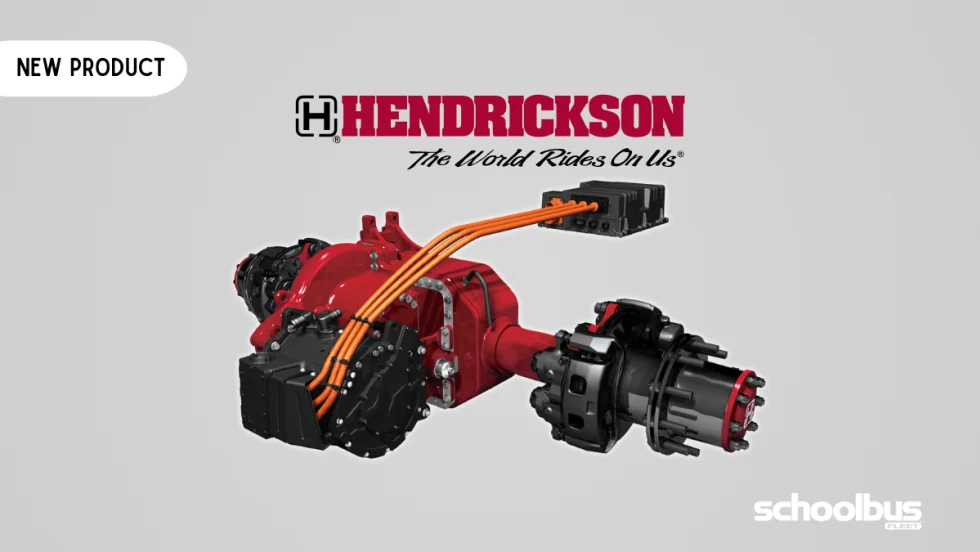
Hendrickson, Driventic Introduce New Electric Powertrain for School Buses
ELECTRAAX, the electrified, lightweight drive axle offers integrated ePowertrain efficiency and modular flexibility for Class 6–7 school bus use.
Read More →
The Mobility House Joins PowerFlex in Fleet Electrification Deal
The acquisition combines intelligent charging software, bidirectional charging expertise, and fleet electrification services to support the growing adoption of electric school buses across North America.
Read More →
Alt-Fuel Moves: Electric School Bus Investments Hit the Road
See which districts across the U.S. are putting electric school buses into service, expanding charging infrastructure, and planning the next phase of fleet electrification.
Read More →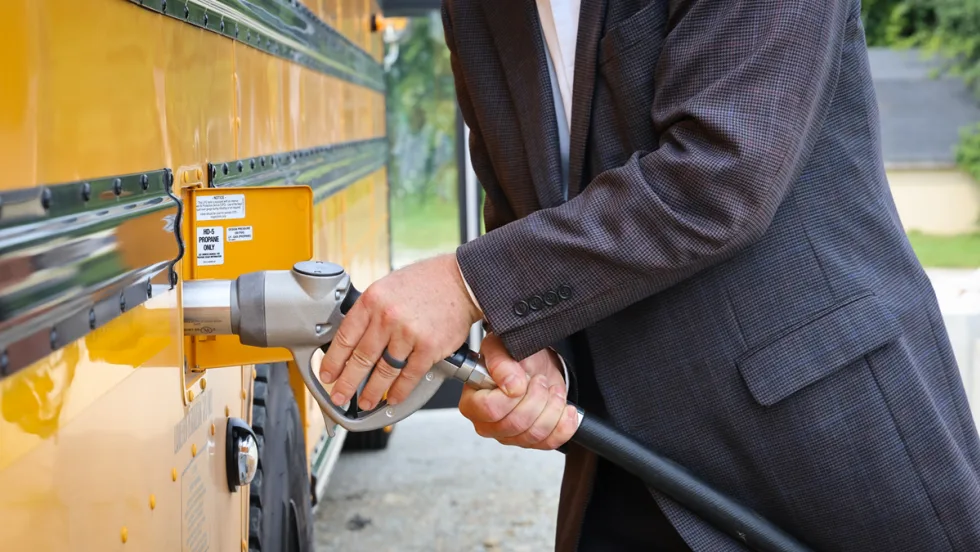
With Fuel Volatility Ahead, School Districts Turn to Propane
While diesel prices peaked above $5 this spring, districts with propane autogas-powered fleets paid under $2 per gallon, according to PERC.
Read More →
EPA Unveils Proposed Changes to 2027 Heavy-Duty Engine Rules
The federal agency has proposed changes to next year’s targets that would eliminate DEF derates, ease warranty requirements, and retain current NOx emissions standards.
Read More →
Alt-Fuel Moves: EV Charging & Infrastructure Projects Gain Momentum
The latest developments include new funding, charging infrastructure, utility investments, and fleet technologies designed to support the transition to electric school buses nationwide.
Read More →