





Electric Buses in The Shop: How to Be Prepared for EV Maintenance
West Aurora District 129 Launches 27 Electric School Buses Backed by Nearly $1M in ComEd EV Rebates
The Illinois district’s new electric bus fleet, supported by EPA grants, ComEd incentives, and Highland Electric Fleets, advances its commitment to sustainable school operations.
November 19, 2025
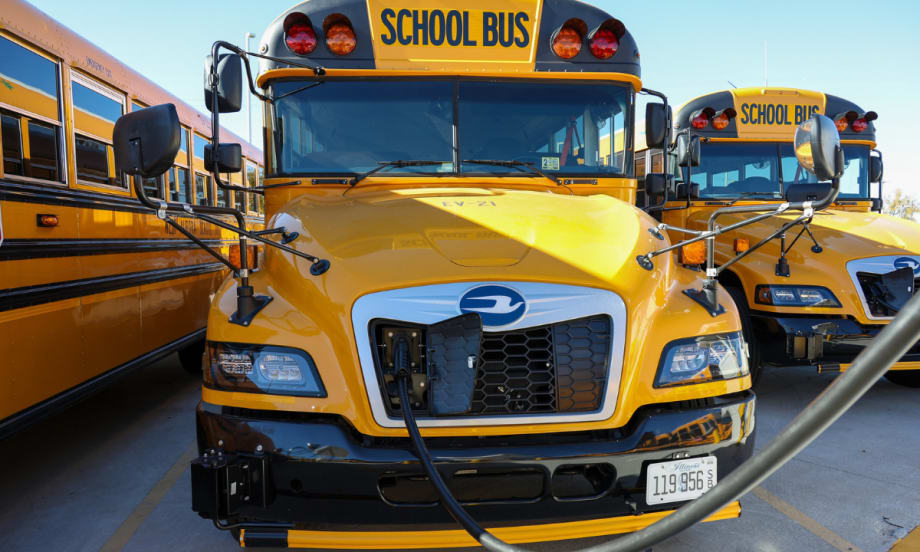
The district's 27-bus fleet is powered by 14 Zerova 60kW chargers, providing charging capacity to support future fleet growth.
Photo: West Aurora School District 129
2 min to read
This week, West Aurora School District 129 in Illinois introduced 27 all-electric Blue Bird school buses, now the largest electric school bus fleet operating in the Chicago region, according to a release.
The initiative reflects West Aurora's ongoing leadership in improving operational efficiency and environmental performance across its schools, including “investments in solar energy, building upgrades, and waste reduction efforts.”
The district partnered with Highland Electric Fleets to support the transition. Highland managed vehicle procurement, charger installation, and long-term fleet services to ensure “reliable daily operations.”
The fleet is powered by 14 Zerova 60kW chargers, providing charging capacity to meet route demands and support future fleet growth.
"West Aurora is proud to strengthen our commitment to our schools and community by adding electric buses to our sustainability efforts," said Dr. Angie Smith, SD129 associate superintendent of operations. "We hope to be able to demonstrate to other districts that electrification of even a portion of your fleet can make a difference that we can all benefit from."
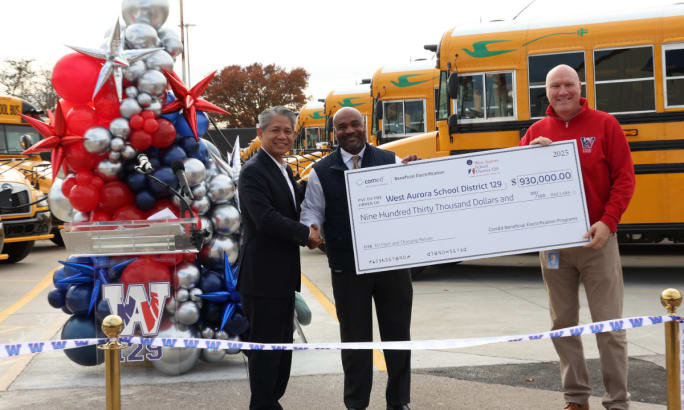
The ComEd incentive provided $450,000 in vehicle rebates and approximately $480,000 in make-ready support to prepare charging infrastructure.
Photo: West Aurora School District 129
EPA and ComEd Funding Accelerate Bus Fleet Electrification
Funding for the initiative includes nearly $5 million from the U.S. Environmental Protection Agency's Clean School Bus Program and additional incentives from ComEd.
The ComEd incentive provided $450,000 in vehicle rebates and approximately $480,000 in make-ready support to prepare charging infrastructure, totaling $930,000 to help fund the electrification of the district’s school bus fleet.
According to a release, ComEd’s EV rebate programs are required by the Climate and Equitable Jobs Act (CEJA), a landmark climate law passed in Illinois that aims to put 1 million EVs on Illinois roads by 2030. Currently, there are over 150,000 EVs registered in Illinois, with nearly 90% operating in ComEd’s service territory, up from 19,000 registered EVs in northern Illinois in 2019.
"ComEd is proud to fund electrification projects like West Aurora School District 129's and hundreds of others across the region as our customers and communities take steps toward a lower carbon future," said Gil Quiniones, president and CEO of ComEd. "EV rebates are helping reduce the upfront costs while also bringing us closer to achieving the state's energy and climate goals."
Project partners include Central States Bus Sales, which supplied the Blue Bird buses; ComEd, the district's utility partner, which also provided financial support; and Grand Kahn Electric, which led installation of the charging equipment.
"West Aurora's leadership is evident across everything they do, from energy efficiency to waste reduction and now transportation," said Joshua Williams, senior midwestern regional manager at Highland Electric Fleets. "They're showing what it looks like when a district turns long-term commitments into measurable progress for students and the community."
More Alternative Fuels

CALSTART and Forth Combine to Form Catalyst Mobility
The new name represents a renewed vision for the nonprofit focused on advancing clean, equitable, and affordable transportation solutions that move people and goods.
Read More →
Alt-Fuel Moves: New Buses, Charging Hubs & Real-World EV Testing
Propane and electric school bus deployments continue to grow as districts add new vehicles, expand charging infrastructure, and gather more real-world operating data.
Read More →
Fewer Electric School Bus Models Reshape the U.S. Market
WRI’s latest buyer’s guide points to a consolidating electric school bus market, but fewer options may reflect a maturing industry rather than fewer meaningful choices for school bus operators.
Read More →
The Fuel Budget You Can Actually Predict: How Propane Autogas Keeps Money in the Classroom
Learn how propane autogas helps school districts manage fuel costs with predictable pricing, lower maintenance, and reduced emissions from former transportation director Joel Stutheit.
Read More →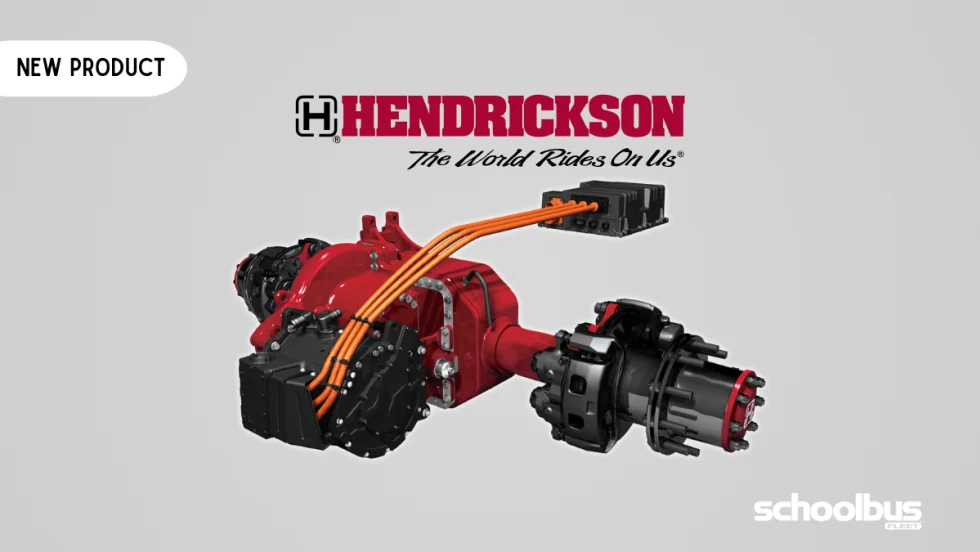
Hendrickson, Driventic Introduce New Electric Powertrain for School Buses
ELECTRAAX, the electrified, lightweight drive axle offers integrated ePowertrain efficiency and modular flexibility for Class 6–7 school bus use.
Read More →
The Mobility House Joins PowerFlex in Fleet Electrification Deal
The acquisition combines intelligent charging software, bidirectional charging expertise, and fleet electrification services to support the growing adoption of electric school buses across North America.
Read More →
Alt-Fuel Moves: Electric School Bus Investments Hit the Road
See which districts across the U.S. are putting electric school buses into service, expanding charging infrastructure, and planning the next phase of fleet electrification.
Read More →
With Fuel Volatility Ahead, School Districts Turn to Propane
While diesel prices peaked above $5 this spring, districts with propane autogas-powered fleets paid under $2 per gallon, according to PERC.
Read More →
EPA Unveils Proposed Changes to 2027 Heavy-Duty Engine Rules
The federal agency has proposed changes to next year’s targets that would eliminate DEF derates, ease warranty requirements, and retain current NOx emissions standards.
Read More →
Alt-Fuel Moves: EV Charging & Infrastructure Projects Gain Momentum
The latest developments include new funding, charging infrastructure, utility investments, and fleet technologies designed to support the transition to electric school buses nationwide.
Read More →