





Federal Cash: 21 Questions about Clean School Bus Program Funding
5 Takeaways from Illinois EV Rebate Programs
ComEd in northern Illinois is rolling out electric-vehicle funding programs that could help school districts acclerate their transition to clean school buses.
February 12, 2024
ComEd in northern Illinois introduced the rebate porograms for business and public sector customers, including school districts.
Image: Canva
2 min to read
New initiatives in northern Illinois could help accelerate the transition to electric school bus fleets in that state.
ComEd has launched business and public sector EV rebate programs that will provide a total of $87 million in 2024 to mitigate up-front costs of vehicle purchases and incentivize the buildout of charging infrastructure.
The rebate programs will start accepting applications on Feb. 15.
“Working with our partners in northern Illinois, ComEd is committed to helping customers benefit from zero emissions vehicles, which can significantly reduce pollution and enhance air quality for all residents across our communities,” said Erica Borggren, ComEd vice president of customer solutions, in a news release. “Through new targeted incentives, we are aiming to accelerate the transition toward all-electric fleets, cars, buses, and trucks, while at the same time catalyzing the buildout of a regional network of public EV charging to serve more customers – a key factor to growing EV adoption equitably.”
Here are five takeaways from ComEd’s announcement:
Substantial Financial Support for School Transportation Fleets
ComEd's new rebate programs offer a significant financial boost for school transportation directors in northern Illinois. With a total of $87 million allocated for 2024, including $57 million for EV purchases and $30 million for infrastructure upgrades, the rebate programs could substantially reduce the upfront costs associated with adopting electric vehicles for school fleets.
Equity-Focused Fleet Transportation Initiatives
More than half of the rebate funding is specifically reserved for equity-eligible communities. This focus on equity ensures that school districts serving low-income areas have enhanced opportunities to access the benefits of electric vehicles, aligning with broader state goals outlined in the Climate and Equitable Jobs Act (CEJA).
Broad Applicability for School Districts
The rebate programs cater to a diverse range of business and public sector customers, including school districts. School transportation directors can benefit from rebates ranging from $5,000 to $180,000 for each electric vehicle purchase, including K-12 school buses.
Comprehensive Fleet Infrastructure Support
The rebate programs extend beyond vehicle purchases to support the necessary electrical infrastructure. With rebates of up to $8,000 per Level 2 EV charger plug and up to $1,000 per kW for Level 3 chargers, schools can enhance their charging infrastructure and contribute to the development of a robust regional network of public EV charging stations.
Strategic Planning Assistance for Rebate Recipients
ComEd's commitment to supporting electric fleet adoption is reinforced by additional resources such as customized fleet assessments and the ComEd Fleet Toolkit. School transportation directors can leverage these tools to estimate costs, determine optimal charging solutions, and plan the installation of charging infrastructure based on available load capacity, streamlining the transition to electric vehicles.
More Alternative Fuels

CALSTART and Forth Combine to Form Catalyst Mobility
The new name represents a renewed vision for the nonprofit focused on advancing clean, equitable, and affordable transportation solutions that move people and goods.
Read More →
Alt-Fuel Moves: New Buses, Charging Hubs & Real-World EV Testing
Propane and electric school bus deployments continue to grow as districts add new vehicles, expand charging infrastructure, and gather more real-world operating data.
Read More →
Fewer Electric School Bus Models Reshape the U.S. Market
WRI’s latest buyer’s guide points to a consolidating electric school bus market, but fewer options may reflect a maturing industry rather than fewer meaningful choices for school bus operators.
Read More →
The Fuel Budget You Can Actually Predict: How Propane Autogas Keeps Money in the Classroom
Learn how propane autogas helps school districts manage fuel costs with predictable pricing, lower maintenance, and reduced emissions from former transportation director Joel Stutheit.
Read More →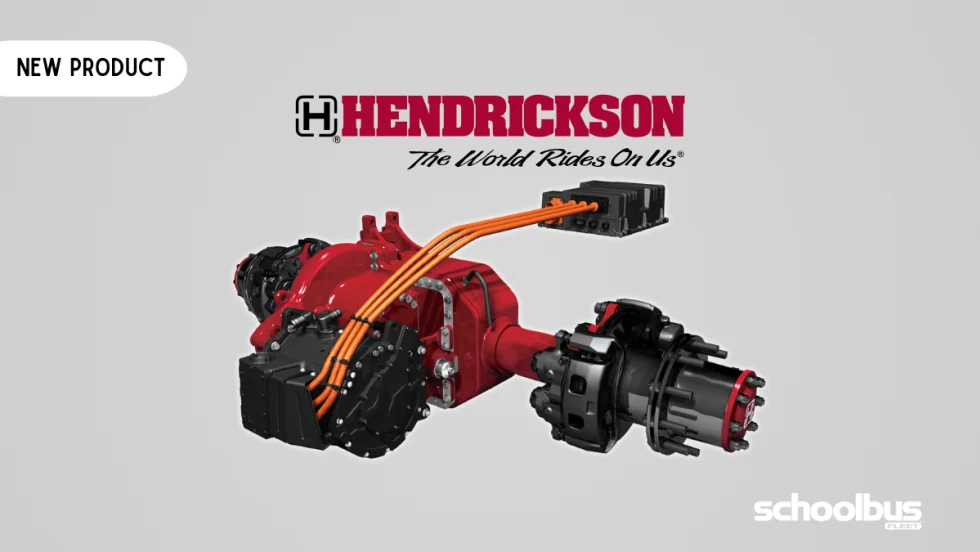
Hendrickson, Driventic Introduce New Electric Powertrain for School Buses
ELECTRAAX, the electrified, lightweight drive axle offers integrated ePowertrain efficiency and modular flexibility for Class 6–7 school bus use.
Read More →
The Mobility House Joins PowerFlex in Fleet Electrification Deal
The acquisition combines intelligent charging software, bidirectional charging expertise, and fleet electrification services to support the growing adoption of electric school buses across North America.
Read More →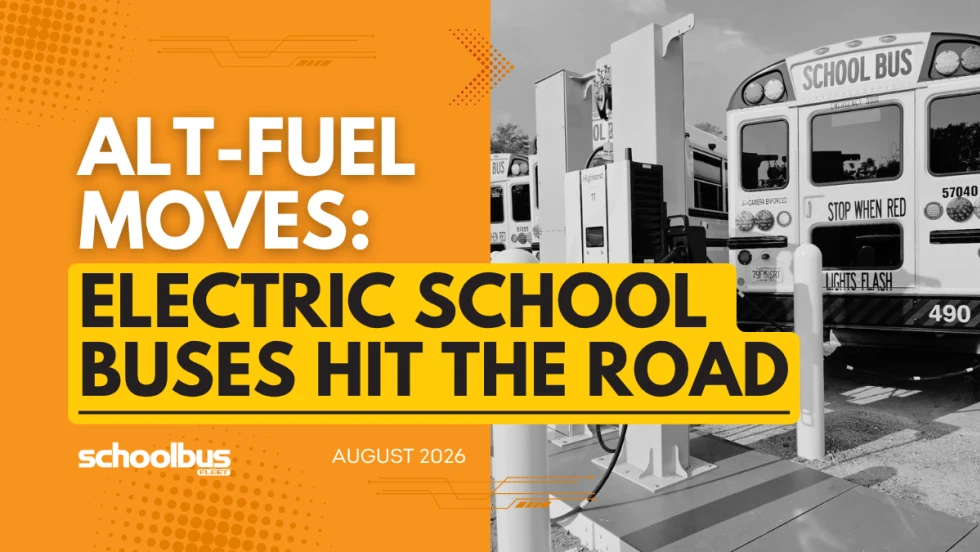
Alt-Fuel Moves: Electric School Bus Investments Hit the Road
See which districts across the U.S. are putting electric school buses into service, expanding charging infrastructure, and planning the next phase of fleet electrification.
Read More →
With Fuel Volatility Ahead, School Districts Turn to Propane
While diesel prices peaked above $5 this spring, districts with propane autogas-powered fleets paid under $2 per gallon, according to PERC.
Read More →
EPA Unveils Proposed Changes to 2027 Heavy-Duty Engine Rules
The federal agency has proposed changes to next year’s targets that would eliminate DEF derates, ease warranty requirements, and retain current NOx emissions standards.
Read More →
Alt-Fuel Moves: EV Charging & Infrastructure Projects Gain Momentum
The latest developments include new funding, charging infrastructure, utility investments, and fleet technologies designed to support the transition to electric school buses nationwide.
Read More →