





Looking For More? A Quick Guide to School Bus Alternative Fuels
Alt-Fuel Moves: Funding & the Road to Electrification
From federal oversight fixes to state funding milestones and district deployments, the transition to cleaner school transportation continues to advance.
April 8, 2026
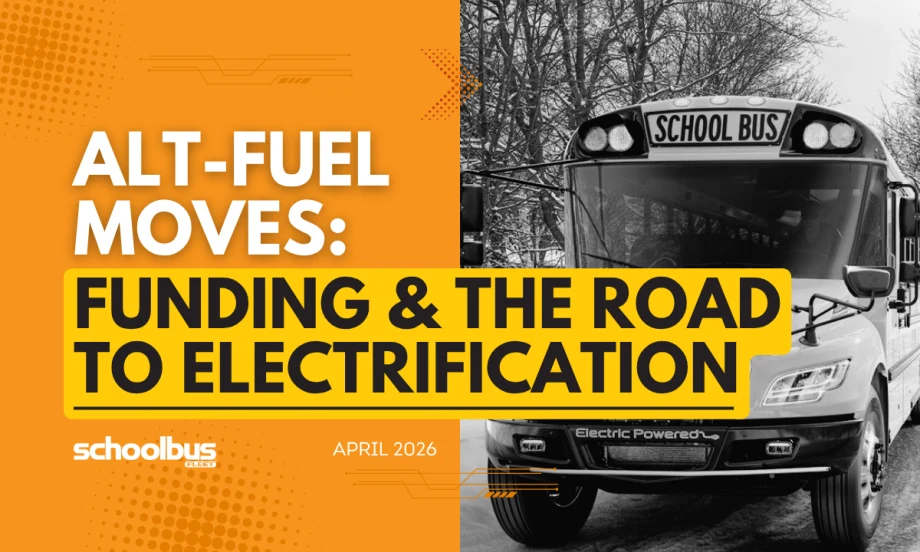
On top of various alternative fuel deployments, read more on the EPA’s Clean School Bus Program, California’s Clean Truck and Bus Incentive Program, and New Jersey’s funding for electric school buses.
Credit:
IC Bus/School Bus Fleet
7 min to read
The push toward alternative fuels continues to accelerate nationwide, with advancements to electric school bus funding, policy updates, and fleet deployments reshaping how school districts approach sustainable transportation.
In this alternative fuel roundup, we take a look at the latest moves, product announcements, and deployments, including news from the Environmental Protection Agency, the California Air Resources Board, New Jersey’s Department of Environmental Protection, Toledo Public Schools, and Tucson Unified School District.
EPA Clean School Bus Program Working Through Roadblocks
As moves to revamp the Clean School Bus Program advance, the U.S. Environmental Protection Agency has completed or is “actively addressing” 11 recommendations its Office of Inspector General (OIG) made to improve oversight of the $5 billion in program grants.
The EPA has already awarded $2.62 billion in grants across 1,143 school districts, helping to replace 8,223 buses. According to K-12 Dive, one of the OIG’s concerns with the Clean School Bus Program included that “the EPA did not implement sufficient requirements to verify the identities of applicants or accuracy of information they submitted in 2022.”
Plus, the OIG said the EPA did not “adequately monitor the program’s performance, such as school bus deployment status and recipients’ use of funds.”
Some of the corrective actions EPA has taken since the original OIG reports were released include:
- Requiring all grant applicants to verify that their school boards have been notified of the district’s interest in participating in the Clean School Bus Program.
- Ensuring that grant recipients’ awarded funds do not accrue interest, are put in separate accounts, and can only be used for eligible expenses.
- Issuing guidance to program applicants on the types of documentation needed to prove their current school buses are eligible for replacement.
- Developing guidance to ensure any new or modified programs implement proper accounting treatments and financial management principles.
California’s Clean Truck and Bus Incentive Program Surpasses $1 Billion Milestone
The California Air Resources Board (CARB) recently announced that California’s Clean Truck and Bus Voucher Incentive Project (HVIP) has delivered more than $1 billion in funding to California fleets, supporting more than 2,000 fleets, enabling the deployment of 11,600 clean vehicles, and accumulating 181 million miles statewide.
“Reaching $1 billion in funding for clean trucks and buses marks a major milestone for California’s efforts to reduce harmful pollution,” said CARB Chair Lauren Sanchez. “It shows that our efforts are delivering real results — improving air quality, supporting businesses, and reducing pollution in communities most impacted by freight and transportation emissions.”
Administered by CALSTART on behalf of CARB, HVIP continues to “anchor California’s clean transportation adoption,” which continues to surge in demand, according to a release. Nearly $200 million in incentive requests were submitted on the first day of the September 2025 funding round, followed by an additional reopening in December 2025.
Launched in 2009 and primarily funded with Cap-and-Invest dollars through California Climate Investments, HVIP helps fleets and businesses realize the benefits of zero-emission vehicles through point-of-sale discounts.
To explore current funding opportunities or sign up for program alerts, visit californiahvip.org/funding.
New Jersey Awards Nearly $32 Million for Electric School Buses and Charging Infrastructure
New Jersey’s Department of Environmental Protection (DEP) announced in March the award of nearly $32 million in grants that will advance the state’s transition to zero-emission school buses and improve public access to charging stations in New Jersey communities.
The DEP awarded more than $18 million through the second round of its Electric School Bus Grant Program for local purchases of 53 electric school buses and 41 associated fast chargers. The DEP also awarded $13.6 million for 26 projects to install publicly accessible charging stations.
“The transportation sector is the largest source of greenhouse gas emissions in New Jersey,” said Environmental Protection Commissioner Shawn M. LaTourette. “These grant programs are advancing New Jersey’s long-term electric-vehicle emission reduction goals by replacing diesel school buses that emit harmful pollutants with clean electric buses and by expanding public and private charging infrastructure in our communities.”
The Electric School Bus Program was authorized by legislation signed by Governor Phil Murphy in 2022. The legislation provided up to $45 million in funding over three years to replace diesel school buses with battery-electric school buses and install associated charging infrastructure. It is funded by the New Jersey Board of Public Utilities’ (NJBPU) Clean Energy Fund.
Second Round Electric School Bus Grant Program Grants by County:
- Bergen County: South Hackensack School District, up to $600,000 for two school buses.
- Camden County: Camden City School District, up to $2.04 million for six school buses and three fast-charging stations.
- Essex County: East Orange School District, up to $1.71 million for five school buses and three fast-charging stations.
- Mercer County: West Windsor-Plainsboro Regional School District, up to $2.1 million for six school buses and six fast-charging stations through its contractor, Highland Electric Fleets.
- Monmouth County: Middletown Township School District, up to $640,000 for two school buses and two fast-charging stations through its contractor, Highland Electric Fleets. Shore Regional High School District, up to $1.28 million for four school buses and four fast-charging stations through its contractor, Highland Electric Fleets.
- Passaic County: Milkway Education Center Inc./Pioneer Academy, up to $640,000 for two school buses and two level 2 charging stations. Passaic County Technical Vocational Schools, up to $680,000 for two school buses and one fast-charging station.
- Somerset County: Bernards Township Board of Education, up to $604,000 for two school buses and one level 2 charging station. Franklin Township School District, up to $2 million for six school buses and six level 2 charging stations through its contractor, Mercy Transportation, Inc. Montgomery Township School District, up to $2.04 million for six school buses and three fast-charging stations.
- Union County: Summit Board of Education, up to $700,000 for two school buses and two fast-charging stations. Union School District, up to $700,000 for two school buses and two fast-charging stations through its contractor, Mosdos Pupa Linden. Plainfield Public Schools, up to $2.1 million for six school buses and six fast-charging stations.
New Alternative Fuel Deployments
As funding opportunities expand and partnerships take shape, school districts are accelerating the deployment of electric buses while laying the groundwork for broader fleet transitions.
Ohio District Adds New Electric School Buses
In partnership with Highland Electric Fleets, Toledo Public Schools in Ohio will deploy 12 Type C electric school buses manufactured by IC Bus ahead of the 2026–2027 school year. The project is supported in part by approximately $4.7 million in funding from Round 2 of the U.S. Environmental Protection Agency's EPA Clean School Bus Program. Planning for the district's charging infrastructure is underway.
With 118 buses operating daily, the district is steadily transitioning to a fleet powered primarily by propane and electric vehicles in order to reduce reliance on diesel and lower fuel and maintenance costs. According to a release, once 80%-90% of the fleet is converted to alternative fuels, the district anticipates saving up to $1 million annually.
"This new partnership with Highland Electric Fleets is a tremendous opportunity for Toledo Public Schools,” explained Dr. Romules Durant, CEO and superintendent for Toledo Public Schools. “Not only will some of our routes be serviced by eco-friendly buses, but some students will have the chance to learn what it takes to keep these vehicles operating at peak efficiency through a specialized training program. This program bridges the gap between the classroom and the workforce, preparing our students for high-demand careers immediately following graduation.”
The district's Electric Vehicle Lab, which opened in August 2024, provides students with hands-on experience in high-voltage vehicle and battery technology. Through this program, students can earn industry-recognized certifications while training on both light-duty and heavy-duty electric vehicles.
The district's student-run Toledo Area Regional Dispatch Academy (TARDA) provides applied learning opportunities in fleet operations and transportation logistics. By integrating transportation modernization with technical education, “TPS is creating clear workforce pathways while reinforcing the connection between classroom learning, real-world systems, and community well-being.”
Arizona District Unveils 10 New Electric School Buses
The Tucson Unified School District added 10 all-electric school buses in March to replace 10 diesel buses in its fleet. According to KGUN 9, the buses were funded by more than $6 million in grants from the Clean School Bus Program, Tucson Electric Power, and the TUSD Bond Project. The project is now operational, with Schneider Electric supporting the infrastructure buildout.
Carmen De Backer of the Arizona Youth Climate Coalition said the move signals that decision-makers are paying attention to young people's environmental concerns. "It gives you so much hope," Backer said. "The fact that they're listening to us and seeing how climate change is affecting us.”
Tucson Unified School District estimates the transition will eliminate approximately 17,000 tons of CO₂ and is planning for full fleet electrification by 2040, offering a window into how these early investments translate into long-term climate and public health outcomes.
More Alternative Fuels

CALSTART and Forth Combine to Form Catalyst Mobility
The new name represents a renewed vision for the nonprofit focused on advancing clean, equitable, and affordable transportation solutions that move people and goods.
Read More →
Alt-Fuel Moves: New Buses, Charging Hubs & Real-World EV Testing
Propane and electric school bus deployments continue to grow as districts add new vehicles, expand charging infrastructure, and gather more real-world operating data.
Read More →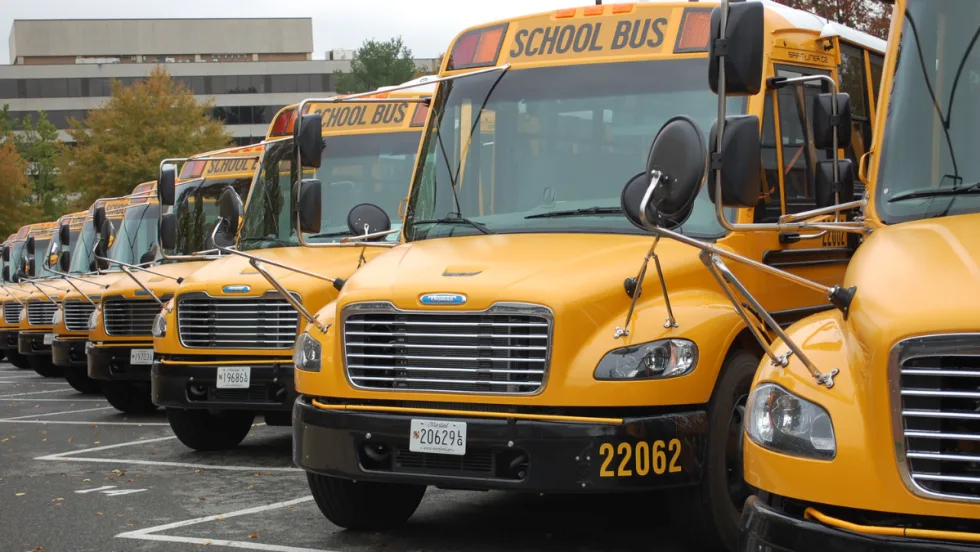
Fewer Electric School Bus Models Reshape the U.S. Market
WRI’s latest buyer’s guide points to a consolidating electric school bus market, but fewer options may reflect a maturing industry rather than fewer meaningful choices for school bus operators.
Read More →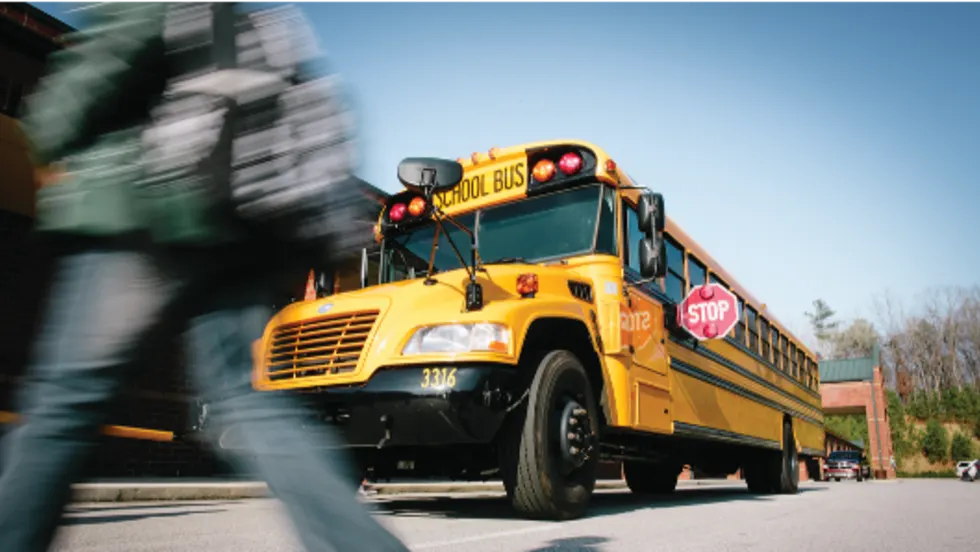
The Fuel Budget You Can Actually Predict: How Propane Autogas Keeps Money in the Classroom
Learn how propane autogas helps school districts manage fuel costs with predictable pricing, lower maintenance, and reduced emissions from former transportation director Joel Stutheit.
Read More →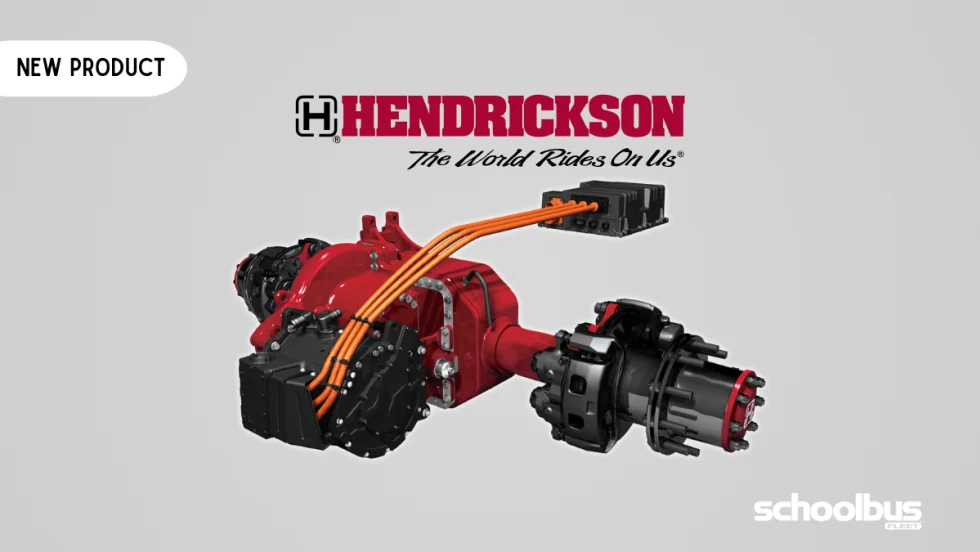
Hendrickson, Driventic Introduce New Electric Powertrain for School Buses
ELECTRAAX, the electrified, lightweight drive axle offers integrated ePowertrain efficiency and modular flexibility for Class 6–7 school bus use.
Read More →
The Mobility House Joins PowerFlex in Fleet Electrification Deal
The acquisition combines intelligent charging software, bidirectional charging expertise, and fleet electrification services to support the growing adoption of electric school buses across North America.
Read More →
Alt-Fuel Moves: Electric School Bus Investments Hit the Road
See which districts across the U.S. are putting electric school buses into service, expanding charging infrastructure, and planning the next phase of fleet electrification.
Read More →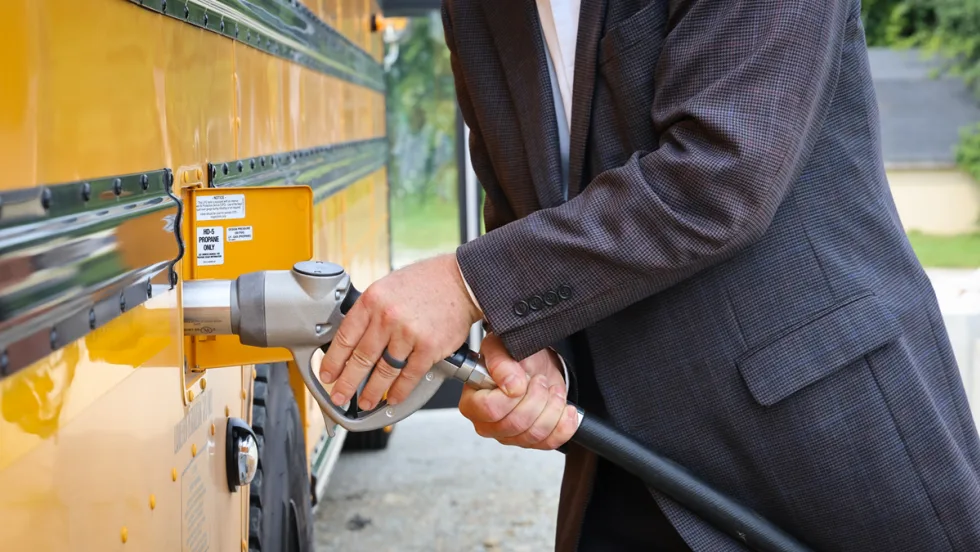
With Fuel Volatility Ahead, School Districts Turn to Propane
While diesel prices peaked above $5 this spring, districts with propane autogas-powered fleets paid under $2 per gallon, according to PERC.
Read More →
EPA Unveils Proposed Changes to 2027 Heavy-Duty Engine Rules
The federal agency has proposed changes to next year’s targets that would eliminate DEF derates, ease warranty requirements, and retain current NOx emissions standards.
Read More →
Alt-Fuel Moves: EV Charging & Infrastructure Projects Gain Momentum
The latest developments include new funding, charging infrastructure, utility investments, and fleet technologies designed to support the transition to electric school buses nationwide.
Read More →