




Powering Up Your EV Infrastructure: Working with eConsultants
5 Factors to Consider with Electric School Buses
Additional costs, range, and maintenance are among factors that must be considered when school districts ponder a transition to electric school bus fleets.

Christian Lopez・Former Assistant Editor
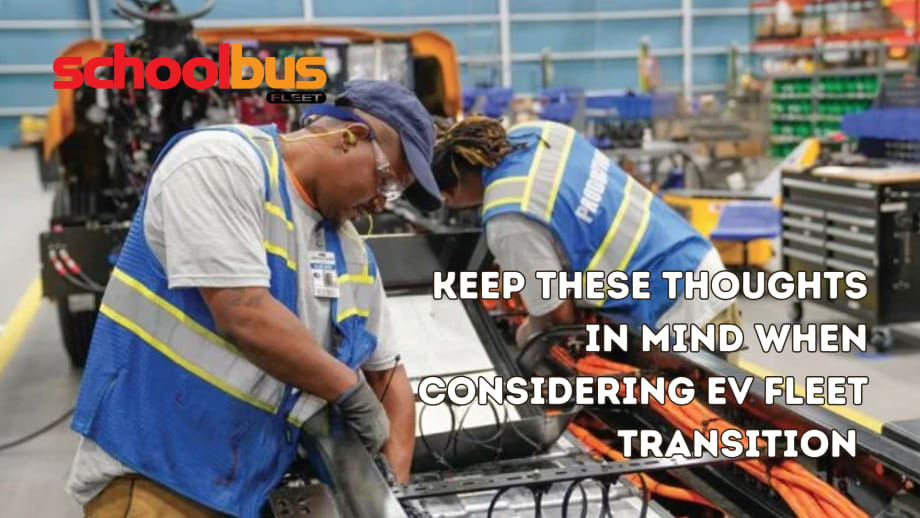
When it comes to maintenance, school districts may need to hire additional trained technicians, or have specialized training and support from manufacturers to appropriately handle the upkeeping.
Photo: Canva/Blue Bird
5 min to read
Electrification has become a very common trend among all automotive brands, including school buses. But while electric school buses offer numerous benefits, there also are some concerns associated with their adoption. Here are a few factors to keep in mind regarding electric school buses:
Additional Costs of Electric School Buses
Acquiring electric buses, establishing the necessary charging infrastructure, and maintaining their battery systems can pose a substantial financial challenge for school districts with constrained budgets. They can be three times as expensive as conventional diesel buses, according to Daoud Chaaya, VP of sales, aftermarket, and marketing at Thomas Built Buses.
These financial burdens may be alleviated if a school district is selected to receive federal grant funding through initiatives like the Clean School Bus Program, which is set to provide over $5 billion over five years to help school districts electrify their fleet and help relieve the high expense.
During a presentation for the Ann Arbor Public Schools Board of Education in Michigan, environmental sustainability director for the school district Emile Lauzzana said, “Electric buses are approximately five times more expensive than regular buses, and the electrical infrastructure, which was originally estimated to be only about $50,000 give or take, for those four buses ended up being more like $200,000.”
The electrical infrastructure is a problem for more than just Michigan, as many fleets are struggling to keep the infrastructure matching the demand for electric vehicles.
“It is vital to start discussions with the local power company very early in the process to determine existing electrical capacity and if upgrades to available power are needed,” said Blue Bird spokesperson Julianne Barclay in an interview. “In addition, a route analysis and site survey must be performed to determine the best solution, Level 2 or DC fast charging, that will meet the school district's needs.”
One benefit for electric school buses however lies in the fact that though they are more expensive on the onset, they cost much less to operate and maintain.
Bus Range and Charging Infrastructure
One of the biggest comparisons when discussing electrification is the battery range compared to fossil fuel. Range anxiety arises when considering longer routes or unexpected detours. Additionally, other factors such as accessibility to charging infrastructure and even harsh weather are both things that can contribute to shortening the range.
There’s also the fact that charging takes more time than refueling diesel buses. Fast charging options are available but can be expensive to install and may put additional strain on the electrical grid. Coordinating charging schedules and ensuring that buses are adequately charged and prepared for their daily routes can prove challenging for some school districts.
Things might change soon though, as GreenPower Motor Company recently developed a new Mega BEAST Type D school bus, which packs 12 battery packs compared to six on the standard BEAST, effectively increasing the range to 300 miles.
Electric Bus Battery Life and Replacement
The lifespan of electric bus batteries is a concern. Over time, batteries degrade, leading to reduced range and capacity. Replacing the batteries can be a significant expense for school districts and may impact the overall cost-effectiveness of electric buses. With proper upkeep and charging practices, the national business group Advanced Energy Economy (AEE) cites that a school bus battery can last 12-15 years, 20 under best conditions, which falls in line with their diesel equivalent.
In addition, though they can last as long as their diesel equivalent, extreme temperatures have the potential to adversely affect the battery's lifespan and range. This is mainly a result of the battery needing to expend more energy for interior heaters.
According to AAA in regards to regular EV vehicles, cold temperatures have the potential to reduce range by more than 40%. One study showed that an EV took in 36% less energy at 32 F degrees compared to warmer environments, resulting in longer charge times.
There are battery warranties that can help mitigate some of this, as well as some thermal management systems that can monitor voltage, temperature, and humidity to prevent freezing situations, according to Chaaya.
School Bus Maintenance and Repair
One more benefit to switching over to electric buses is the reduced need for maintenance.
“The amount of maintenance on an electric bus is relatively low. The simpler design means less mechanical failure compared to traditional vehicles,” said Daoud Chaaya. “And because there are fewer components – think oil, filters, etc. – there are fewer items to swap out and replace (and less frequently, such as brakes).”
However, though maintenance occurs less often, does not change how different the requirements are compared to ICE buses. This means that school districts need to hire additional trained technicians, or have specialized training and support from manufacturers. Although the technology can be daunting, it does mean mechanics deal with fewer repairs than seen with internal combustion engines.
Bus Battery Disposal and Recycling
When electric bus batteries reach the end of their life, proper disposal or recycling is essential to minimize environmental impact. Establishing effective battery recycling programs can be a challenge and requires appropriate infrastructure and processes. Though this issue is being addressed, with some solutions being adopted.
“When disposal is necessary, automotive recyclers will send them to specialist firms that dismantle the packs and break them down into their different materials: wires, circuitry, plastics, and the actual cells. The cells can be crushed to separate and purify the various metals in them, including nickel and lithium,” said Barclay.
In describing some of these solutions from other companies, Chaaya described electric school bus batteries from Jouley and Proterra. The formers batteries have a lifespan of about 15 years and can be reused and recycled, Proterra batteries are designed for second-life applications, such as energy storage systems, and can be easily disassembled.
"We know that zero-emission technology will ultimately and rightfully be the path forward for our industry and society, but several, notable challenges exist before we can get there for all applications," said Chaaya.
Subscribe to Our Newsletter
More Alternative Fuels

CALSTART and Forth Combine to Form Catalyst Mobility
The new name represents a renewed vision for the nonprofit focused on advancing clean, equitable, and affordable transportation solutions that move people and goods.
Read More →
Alt-Fuel Moves: New Buses, Charging Hubs & Real-World EV Testing
Propane and electric school bus deployments continue to grow as districts add new vehicles, expand charging infrastructure, and gather more real-world operating data.
Read More →
Fewer Electric School Bus Models Reshape the U.S. Market
WRI’s latest buyer’s guide points to a consolidating electric school bus market, but fewer options may reflect a maturing industry rather than fewer meaningful choices for school bus operators.
Read More →
The Fuel Budget You Can Actually Predict: How Propane Autogas Keeps Money in the Classroom
Learn how propane autogas helps school districts manage fuel costs with predictable pricing, lower maintenance, and reduced emissions from former transportation director Joel Stutheit.
Read More →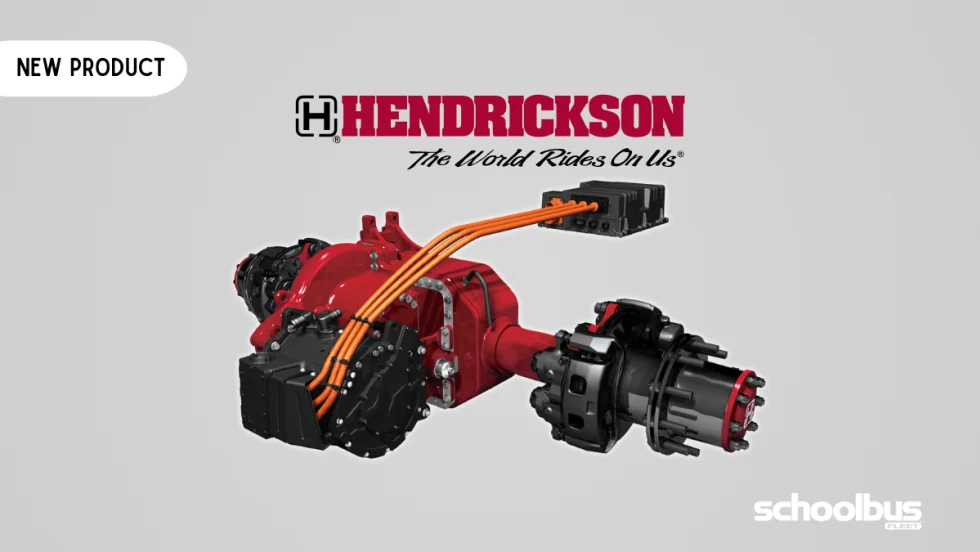
Hendrickson, Driventic Introduce New Electric Powertrain for School Buses
ELECTRAAX, the electrified, lightweight drive axle offers integrated ePowertrain efficiency and modular flexibility for Class 6–7 school bus use.
Read More →
The Mobility House Joins PowerFlex in Fleet Electrification Deal
The acquisition combines intelligent charging software, bidirectional charging expertise, and fleet electrification services to support the growing adoption of electric school buses across North America.
Read More →
Alt-Fuel Moves: Electric School Bus Investments Hit the Road
See which districts across the U.S. are putting electric school buses into service, expanding charging infrastructure, and planning the next phase of fleet electrification.
Read More →
With Fuel Volatility Ahead, School Districts Turn to Propane
While diesel prices peaked above $5 this spring, districts with propane autogas-powered fleets paid under $2 per gallon, according to PERC.
Read More →
EPA Unveils Proposed Changes to 2027 Heavy-Duty Engine Rules
The federal agency has proposed changes to next year’s targets that would eliminate DEF derates, ease warranty requirements, and retain current NOx emissions standards.
Read More →
Alt-Fuel Moves: EV Charging & Infrastructure Projects Gain Momentum
The latest developments include new funding, charging infrastructure, utility investments, and fleet technologies designed to support the transition to electric school buses nationwide.
Read More →