





The New Era of Electric School Buses: V2G, Bidirectional Chargers & More
Alt-Fuel Moves: Fleets Power Up Beyond the Bus
See how districts are pairing electric buses with charging, solar, and V2G technology to cut costs, boost resilience, and unlock new fleet value.
June 12, 2026

Now, it’s much more common to see electric school buses being paired with charging infrastructure, renewable energy, and grid-connected technologies as districts pursue long-term operational savings and sustainability goals
Credit:
The Mobility House North America/School Bus Fleet
7 min to read
School districts across the country are proving that fleet electrification is about more than replacing diesel buses. Through major investments in charging infrastructure, solar-powered depots, vehicle-to-grid technology, and innovative financing models, transportation leaders are finding new ways to lower operating costs, improve energy resilience, and maximize the value of electric school buses.
In this alternative fuel roundup, we take a look at the latest news from Highland Electric Fleets, The Mobility House, Walla Walla Public Schools, Cherry Creek School District, and Milwaukee Public Schools.

Highland Electric Fleets plans to use new capital to accelerate the deployment of electric school buses, expand charging infrastructure, grow operations in key markets, and more.
Credit:
Highland Electric Fleets
Highland Electric Fleets Secures Investments to Expand Electric School Bus Deployments
Highland Electric Fleets has secured a $75 million preferred equity commitment from Galvanize and its affiliates, bringing the company's total preferred equity commitments to $150 million. The latest investment follows an earlier commitment from Aiga Capital Partners and is intended to support Highland's continued expansion of electric school bus fleets and charging infrastructure nationwide.
The company plans to use the new capital to accelerate the deployment of electric school buses, expand charging infrastructure, grow operations in key markets, and support additional municipal fleet and energy projects. Highland also plans to advance initiatives that integrate charging infrastructure with on-site energy resources for customers and will serve as the Official Electric School Bus Provider for the LA28 Olympic and Paralympic Games.
“This capital structure is designed to support long-term, asset-backed deployments at scale,” said Duncan McIntyre, CEO of Highland Electric Fleets. “From Florida to Michigan to California, we are seeing a clear shift toward solutions that can be deployed reliably across very different operating environments, from school districts to municipal and other fleet operators. Our focus is on execution: putting vehicles, infrastructure, and energy solutions into service in a way that works every day.”
School transportation leaders should take note of the investment, which signals continued momentum behind large-scale fleet electrification despite market uncertainty. Highland said its electric school buses have collectively traveled more than 10 million miles, demonstrating the operational viability of electric fleets as districts continue evaluating alternatives to aging diesel buses and seek funding models that reduce barriers to adoption.

Through a statewide V2X Demonstration Program in Massachusetts, The Mobility House is installing and managing new bidirectional charging infrastructure for 5 school bus fleets, 4 municipal fleets, and 45 residential chargers.
Credit:
The Mobility House North America
The Mobility House Surpasses 100 MW of Managed EV Fleet Charging Capacity
The Mobility House North America has surpassed 100 megawatts of electric vehicle fleet charging capacity under management across the United States and Canada, following a record second quarter in which the company commissioned more than 15 MW of new fleet charging systems.
According to a release, the milestone strengthens its ability to provide flexible, dispatchable energy capacity at a time when utilities face increasing pressure from transportation electrification and the rapid growth of AI-driven data centers.
The company measures progress through the amount of charging capacity managed by its ChargePilot charge management system, which serves school districts, transit agencies, municipalities, and logistics fleets. Recent deployments included projects with Blacksburg Transit in Virginia and the Tempe Elementary School District No. 3 school bus fleet in Arizona.
“We are celebrating 100 Megawatts under management as a noteworthy landmark on the journey to grid-scale impact,” said Greg Hintler, CEO of The Mobility House North America. “As electrification and AI data centers drive electricity demand to record levels, the cheapest and fastest capacity is the flexibility we already have on the grid. We are proud to have earned the trust of utilities and fleets to power these critical transportation systems relied upon by communities across the United States and Canada.”
The company is also expanding its grid services capabilities through Cascade EV Aggregator, an AI-driven platform launched earlier this year. The software enables fleet operators to participate in utility demand response programs by aggregating EV charging assets and, where available, bidirectional charging resources. Cascade can coordinate charging across fleets and residential EVs to create virtual power plants that utilities can use to help manage peak demand and improve grid reliability.
Charging is becoming a critical component of fleet electrification strategies. As more districts deploy electric school buses, charge management systems are being used not only to control energy costs and optimize charging schedules, but also to position fleets for future participation in utility incentive programs, vehicle-to-grid initiatives, and other revenue-generating energy services.
Washington District to Power Electric Bus Fleet With Solar Energy
Walla Walla Public Schools has been awarded $601,756 through the Washington State Department of Commerce Clean Energy Grant Program to install a solar energy system that will help power its electric school bus fleet. The project includes a 125.1-kW DC/100-kW AC solar photovoltaic array at the Southeast Washington Transportation Cooperative facility, where the district's buses are housed and charged.
The solar array is expected to generate approximately 134,627 kWh of electricity annually and will connect directly to the district's existing bus charging infrastructure. District officials estimate the system will reduce utility costs associated with operating the district's 18 electric school buses by about one-third. The grant is funded by Washington's Climate Commitment Act, which supports projects to reduce greenhouse gas emissions and expand clean energy adoption.
"This will cut utility costs to operate the district's 18 electric school buses by one-third," said Janette Jeffris, fiscal services director for Walla Walla Public Schools. "This investment reflects our continued commitment to sustainability, energy efficiency and responsible stewardship of public resources while supporting long-term operational savings."
The district has steadily expanded its electric bus fleet through state and federal grant programs and now operates 18 electric buses, representing roughly half of its fleet. In addition to lower fuel costs, district officials said electric buses have reduced maintenance requirements compared to diesel vehicles because of fewer components that require regular servicing and replacement.
The project demonstrates how pairing electric buses with on-site renewable energy can further reduce operating expenses and improve the economics of fleet electrification. As districts face ongoing budget pressures, investments in solar generation and charging infrastructure may help lower long-term transportation costs while maximizing the benefits of electric school bus deployments. Installation is expected to be completed before the start of the next school year.

Cherry Creek School District hosted an Electric School Bus Depot Groundbreaking on June 4 to welcome the new vehicles to the district’s fleet.
Credit:
Pixil Studio/Bryan Grant
Colorado District Breaks Ground on Electric School Bus Depot With Bidirectional Charging
Cherry Creek School District (CCSD) has broken ground on a new electric school bus depot that will support the deployment of six electric school buses and associated charging infrastructure. The project is being developed in partnership with Highland Electric Fleets and Xcel Energy and includes six bidirectional-capable Type C IC electric school buses, six 60-kW bidirectional chargers, fleet electrification services, and ongoing operational support.
The deployment is part of Xcel Energy's bidirectional charging demonstration initiative, which will enable energy stored in bus batteries to be returned to the electric grid during peak-demand periods when buses are not transporting students. The project is supported by $2.4 million through Xcel Energy's electric school bus rebate program, along with additional operating incentives. Highland and Xcel Energy will also provide infrastructure improvements at no cost to the district.
"The Cherry Creek School District continues to seek opportunities to serve both the environment and taxpayers responsibly. This partnership works to support our environmental goals while delivering long-term operational savings," said Dr. Jennifer Perry, CCSD interim superintendent.
District officials said the buses will be leased for approximately $20,000 per vehicle annually. The district determined that the program offered a competitive total cost of ownership compared with diesel buses, including charging infrastructure, maintenance support, and fleet management services. Highland will perform maintenance beyond routine inspections and service checks.
While utility partnerships and Electrification-as-a-Service models can help reduce the upfront costs associated with fleet electrification, it also offers a glimpse into how bidirectional charging and vehicle-to-grid programs could create additional value from school bus fleets by supporting grid reliability while buses are parked between routes.
Wisconsin District Begins Deploying 150 Electric School Buses
Milwaukee Public Schools (MPS) has begun rolling out a fleet of electric school buses as part of a long-term plan to deploy 150 zero-emission vehicles across the district. The first 50 buses have already arrived and are expected to begin transporting students when the new school year starts this fall, serving an estimated 6,000 students.
District officials said the transition is driven by both environmental and financial considerations. MPS has faced rising transportation costs in recent years, including approximately $800,000 in diesel fuel surcharges between March and June alone. Under existing transportation contracts, the district incurs additional costs when diesel prices exceed predetermined thresholds.
“Every new electric bus on the road replaces a diesel one, which means cleaner air for our students and healthier communities,” said Superintendent Dr. Brenda Cassellius. “By reducing bus emissions and managing resources responsibly, we are taking meaningful steps toward creating a healthier, more sustainable Milwaukee for all.”
The district said switching to electric buses will eliminate diesel fuel surcharges entirely. In addition, MPS officials noted that transportation providers Wisconsin Central, Lakeside Transportation, and First Student will be responsible for electricity costs associated with charging the vehicles, shielding the district from fuel price volatility. Federal grants are covering the costs of both the buses and the charging infrastructure, while Highland Electric Fleets is supplying the vehicles and supporting the deployment of the charging network.
By leveraging external funding sources and shifting fuel-related expenses away from the district, MPS is creating a pathway to fleet electrification that minimizes financial risk and delivers long-term operational and environmental benefits.
More Alternative Fuels
Bipartisan Bill Seeks to Extend Clean School Bus Program Through 2031
The proposed legislation would renew federal support for cleaner school buses as districts navigate funding uncertainty, rising fuel and infrastructure costs, and fleet replacement needs.
Read More →
Alt-Fuel Moves: Electric Bus Rollouts, Bidirectional Charging & Propane Growth
See which fleets are adding electric and propane school buses as districts and operators invest in charging infrastructure, bidirectional technology, and alternative-fuel expansion.
Read More →
Nobody Told Diesel Prices They Were Supposed to Come Down
With diesel prices surging, school bus fleets have new reason to stress-test fuel costs, consider diversification, and calculate what each route really costs to operate.
Read More →
Why Gasoline School Buses Are Making a Comeback
Gasoline is gaining ground in full-size school buses. See how today’s options stack up against diesel on cost, maintenance, emissions, performance, and more.
Read More →
EPA Opens $180M DERA Funding Round for Diesel Upgrades
The 2026 Diesel Emissions Reduction Act program seeks applications from eligible organizations to accelerate the retirement of legacy diesel vehicles.
Read More →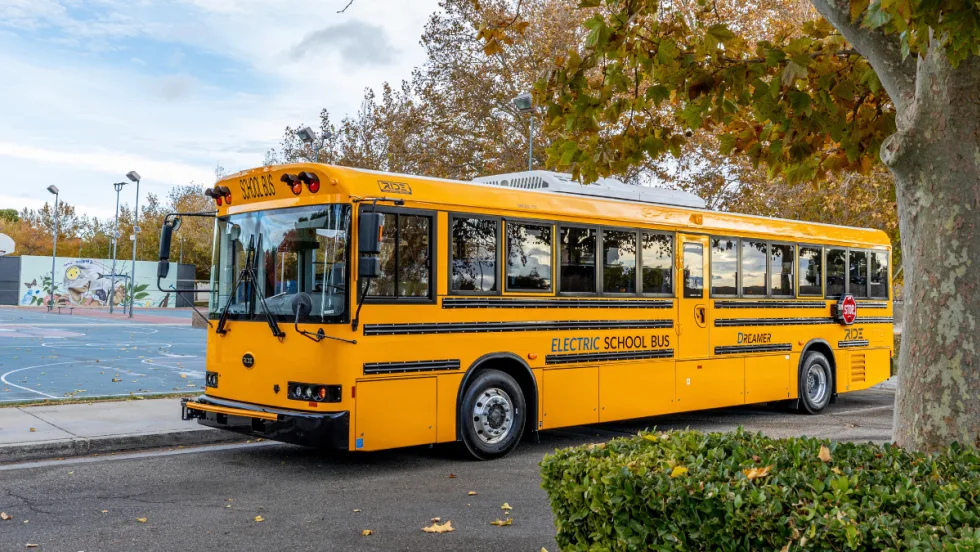
The Secret Life of an Electric School Bus Battery
Batteries change throughout years of daily routes, but degradation doesn’t necessarily mean the end. Here’s what operators should know about performance, safety, and second life.
Read More →
CALSTART and Forth Combine to Form Catalyst Mobility
The new name represents a renewed vision for the nonprofit focused on advancing clean, equitable, and affordable transportation solutions that move people and goods.
Read More →
Alt-Fuel Moves: New Buses, Charging Hubs & Real-World EV Testing
Propane and electric school bus deployments continue to grow as districts add new vehicles, expand charging infrastructure, and gather more real-world operating data.
Read More →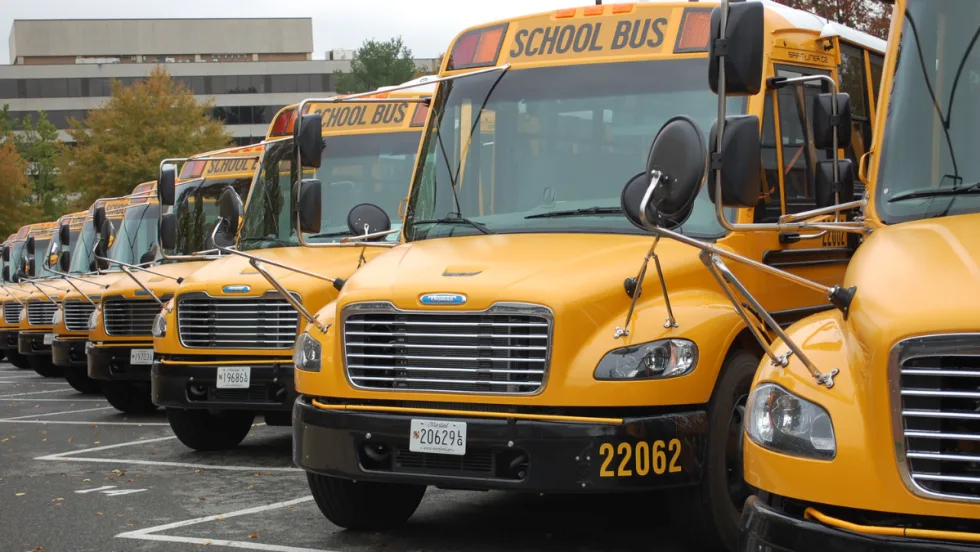
Fewer Electric School Bus Models Reshape the U.S. Market
WRI’s latest buyer’s guide points to a consolidating electric school bus market, but fewer options may reflect a maturing industry rather than fewer meaningful choices for school bus operators.
Read More →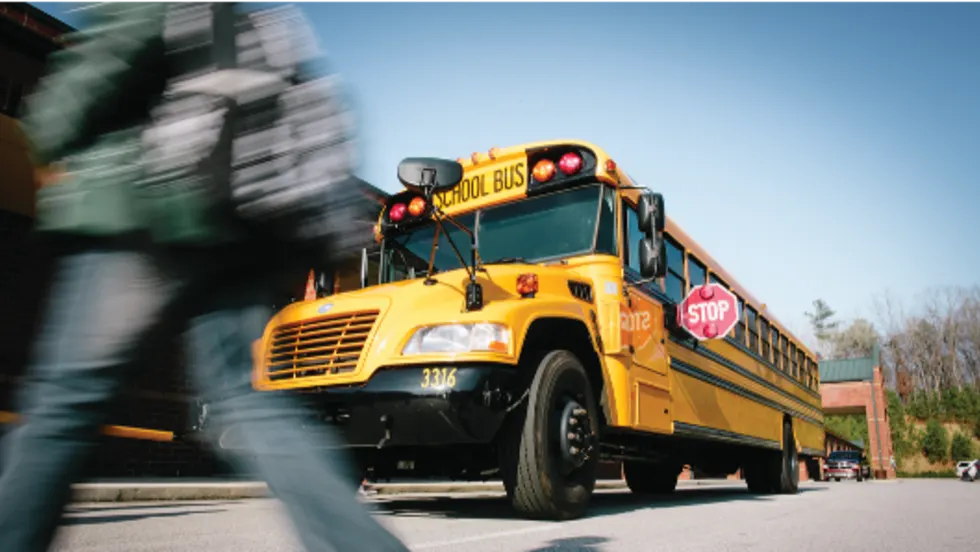
The Fuel Budget You Can Actually Predict: How Propane Autogas Keeps Money in the Classroom
Learn how propane autogas helps school districts manage fuel costs with predictable pricing, lower maintenance, and reduced emissions from former transportation director Joel Stutheit.
Read More →