





According to School Bus Fleet's own data, gasoline bus adoption jumped a 42% year over year in our 2026 maintenance survey. Contractors this year reported that diesel use has not increased (nor has it decreased), with gasoline and propane use increasing significantly, while 11% of contractors run biodiesel.
Report: 72% of Diesel School Buses Now Use Advanced Low-Emission Engines
New data shows advanced low-emission diesel technology continues expanding across school bus fleets, even as electric bus adoption gains momentum.
May 18, 2026

New analysis from the Engine Technology Forum found that advanced diesel engines still power the majority of U.S. school buses, while electric buses account for just over 1% of fleets in operation.
Credit:
School Bus Fleet
2 min to read
- 72% of school buses powered by diesel are now equipped with advanced low-emission engines.
- The adoption of advanced diesel technology is expanding within school bus fleets.
- Despite the rise of electric buses, low-emission diesel technology remains popular.
*Summarized by AI
Advanced diesel and natural gas engines continue to make up the majority of the nation’s school transportation fleet, according to new analysis from the Engine Technology Forum (ETF), a nonprofit educational association.
ETF analyzed S&P Global Mobility TIPNet data on U.S. commercial vehicles in operation as of December 2025 and found that nearly three-quarters of diesel school buses in operation — 72% — were powered by model year 2010 and newer diesel engines. That marks a 5% increase since 2023.
According to ETF, newer diesel engines use advanced emissions-control technology designed to achieve near-zero emissions.
School Buses Continue Gradual Shift Toward Newer Technology
The analysis also found that electric vehicles remain a small portion of the school bus market, accounting for 1.1% of school buses in operation as of December 2025.
Allen Schaeffer, executive director of ETF, said replacing older vehicles with newer diesel and natural gas technology can provide emissions and fuel-efficiency benefits while alternative fuel adoption continues to evolve.
“As the timing and degree of transition to alternative vehicles and fuels remains in flux, the importance of continued investment in new technology internal combustion engine vehicles is vital to ensure continued progress on clean air and energy efficiency,” Schaeffer said.
ETF cited previous research estimating that newer-generation diesel technology in heavy-duty vehicles could significantly reduce carbon dioxide, particulate matter, nitrogen oxide emissions, and fuel consumption between 2011 and 2030.
Additional Emissions Reductions Expected
ETF said further emissions reductions are expected as new federal emissions regulations take effect beginning in 2027. According to the organization, the updated standards are expected to reduce nitrogen oxide emissions by more than 80% from current levels.
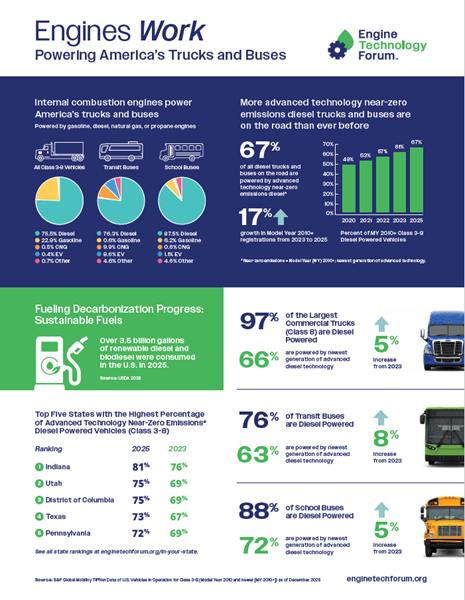
An Engine Technology Forum infographic highlights the growing share of newer diesel-powered school buses and commercial vehicles operating with advanced emissions-control technology.
Credit:
Engine Technology Forum
“While the scale and speed of alternative fuel adoption by the commercial vehicle sector is uncertain, internal combustion engines demonstrate continuous improvement and are expected to dominate our goods movement and public transport sectors for decades to come,” Schaeffer said. “That’s why having more of the newest generation of these vehicles in operation will deliver the greatest benefits for all.”
Quick Answers
72% of school buses now use advanced low-emission diesel engines.
*Summarized by AI
More Maintenance

International Adds E-Commerce Capabilities to Fleetrite.com
IC Bus customers can now browse, buy, and track shipments for more than 400,000 aftermarket parts online.
Read More →
The Most Expensive Thing You Do Before Selling a School Bus: Wait
When should you sell an aging school bus? Learn how maintenance, mileage, corrosion, specifications, and timing can affect resale value long before the auction.
Read More →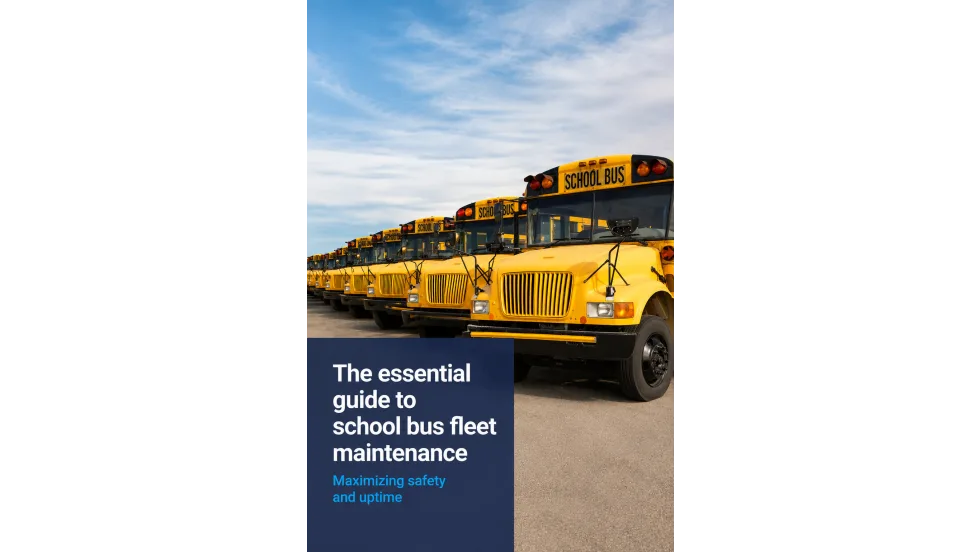
Sponsored•September 21, 2026
The essential guide to school bus maintenance and student safety
Reactive maintenance puts students at risk of breakdowns, delays and roadside emergencies. This guide gives transportation directors a data-driven framework to predict failures, extend bus lifespans and improve fleet reliability across every route.
Read More →
The Evolution of DEF Header Technology: What School Bus Operations Should Know at Replacement Time
See what school bus fleets should consider when replacing DEF headers to improve reliability, reduce repeat repairs, and control maintenance costs.
Read More →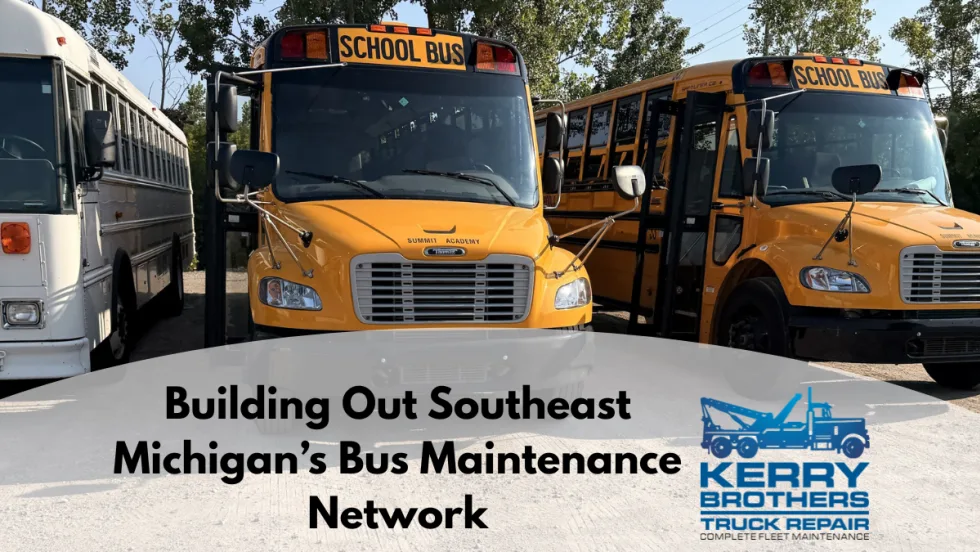
Kerry Brothers Grows Michigan School Bus Repair Network
The acquisition of Downriver Truck and Bus expands Kerry Brothers’ school bus maintenance footprint across southeast Michigan, adding repair capacity, diagnostic resources, and state inspection support.
Read More →
Noregon Introduces CAN Bus Diagnostic Tool, Expands JPRO Features
CAN Mentor and the latest JPRO update aim to simplify vehicle network diagnostics and improve repair efficiency for technicians of all experience levels.
Read More →
Cummins on Smarter, Simpler Engine Innovation
Cummins discusses its first-ever gasoline engine for school buses, EPA 2027, and why bus fleets still want durable, simpler internal combustion options.
Read More →
Vampire Tools' CAIMAN 7.5-Inch Multi-Purpose Screw Extractor Long-Nose Pliers with Crimper
Vampire Tools introduced the VAMPLIERS Caiman 7.5-inch multi-purpose pliers, combining screw extraction, cutting, crimping, and gripping functions into a single tool designed for fleet maintenance professionals.
Read More →
How Advanced Diagnostics Helps Bus Fleets Stay Ahead of Repairs
Chat with Noregon’s Kevin Smallhorn at ACT Expo about bus diagnostic tools, telematics integration, CNG maintenance support, and strategies to help reduce downtime and improve uptime.
Read More →
How School Bus Fleets are Getting Ahead of Breakdowns
Don’t let bus downtime wear you down. Here’s how bus operators are shifting from manual processes to AI-powered, data-driven maintenance systems for improved reliability and safety.
Read More →