




Unlocking Hidden Value: Why Loss of Use Recovery Matters for School Bus Fleets
How School Bus Fleets are Getting Ahead of Breakdowns
Don’t let bus downtime wear you down. Here’s how bus operators are shifting from manual processes to AI-powered, data-driven maintenance systems for improved reliability and safety.
by Rachael Plant, Fleetio
April 27, 2026
Behind the scenes, data can help do the heavy lifting, spotting trends, prioritizing repairs, and moving from reactive fixes to proactive maintenance strategies.
Credit:
Fleetio
6 min to read
School districts are under growing pressure to keep their fleets safe and reliable, often while operating with limited staff and tightening budgets. Yet many transportation departments still rely on spreadsheets and manual data entry to manage maintenance operations, making fleet management increasingly difficult and unsustainable.
As fleets age and regulatory expectations rise, these outdated systems often reach a breaking point, resulting in a reactive maintenance culture in which issues are addressed only after they disrupt service. And while no fleet likes unexpected downtime, risking a bus full of students breaking down can have ripple effects, including reducing parents’ faith in the school’s ability to transport their children safely and reliably.
Forward-thinking school bus and campus fleets are beginning to adopt modern, AI-capable fleet maintenance platforms to move toward proactive, data-driven operations that improve reliability and uptime while supporting safer transportation for students and campus communities.
The Limits of Manual Maintenance Management
While spreadsheets and paper-based processes have been central to fleet maintenance in education for many decades, especially because those tools are familiar and accessible, they often create more problems than they solve as operations grow in complexity. Information tends to be scattered across multiple files or systems, making it difficult to get a clear, real-time picture of asset health. Maintenance histories can be incomplete or hard to access, and critical details may depend on individual technicians’ notes or memory.
This lack of visibility makes it harder to identify patterns and track preventive maintenance (PM) compliance rates. At the same time, administrative tasks begin to pile up. Logging inspections and compiling reports can consume hours of staff time each week. According to a 2026 fleet benchmark report, 25.9% of fleets surveyed reported manual entry took between one to two hours per week, while 24.1% reported two to four hours, 21.3% reported four to eight hours, and 13.8% reported upward of 16 hours.
This is time that could be better spent on asset maintenance and operational improvements.
A Shift Toward Preventive, Data-Driven Operations
Digital fleet maintenance and optimization platforms are helping K-12 fleets transition away from reactive workflows and toward a more structured, preventive approach by centralizing data and digitizing processes to create a single source of truth for the entire operation.
Instead of relying on manual tracking, maintenance schedules can be automatically triggered based on mileage, engine hours, or time intervals. Digital inspection forms ensure that drivers and technicians follow consistent procedures, while issues are captured and communicated in real time through failed inspection item alerts. Work orders can be generated, assigned, and tracked within the same system, and technicians and managers can communicate within the work orders to reduce miscommunication and delays.
This level of organization and automation helps ensure that routine maintenance is completed on time, which is one of the most effective ways to prevent unexpected breakdowns. It also provides fleet managers with better visibility into what’s happening across the fleet, enabling more informed decision-making.
The Growing Role of AI in Fleet Maintenance
While digitization alone brings significant improvements, the introduction of AI capabilities takes maintenance management a step further by both collecting and analyzing data to turn it into actionable insights.
AI-powered platforms can identify patterns that might otherwise go unnoticed by examining historical maintenance records, repair trends, PM compliance rates, and asset performance data. They can highlight assets experiencing recurring issues or flag those statistically likely to fail in the near future.

Digital inspection tools are streamlining pre-trip checks and giving admins instant visibility into vehicle safety and readiness.
Credit:
Fleetio
This allows fleet managers to intervene earlier, addressing small problems before they escalate into major repairs or roadside breakdowns. In some cases, the software can even recommend specific preventive actions based on similar assets or past outcomes, helping teams make more confident, data-backed decisions.
For organizations with lean teams, this kind of intelligence is especially valuable. It reduces the need for manual analysis and allows staff to focus their attention where it will have the greatest impact.
Streamlining Workflows and Reducing Administrative Load
One of the most immediate and noticeable benefits of digital fleet maintenance platforms is the reduction in administrative burden. Tasks that once required manual entry across multiple systems can now be handled automatically and within a single platform.
Inspection data is captured in real time, and when an inspection item fails, it can be attached directly to a work order and prioritized based on the issue’s severity. Work orders are created and can be updated without redundant documentation, while also capturing technician productivity. Reports for compliance, budgeting, or audits can be generated in minutes rather than hours. Over time, these efficiencies add up, freeing staff from repetitive tasks and allowing them to focus on higher-value work.
This is particularly important in educational environments, where transportation departments are often expected to do more with fewer resources. Streamlining workflows with technology, however, helps teams operate more efficiently without increasing headcount.
Driving Consistency Across the Operation
Consistency is a critical factor in maintaining a safe and reliable fleet, yet it can be difficult to achieve when processes vary between technicians, facilities, or shifts. Without standardization, important steps may be missed, and maintenance quality can become uneven.
Digital platforms help address this challenge by enforcing structured workflows. Inspection templates guide users through required checks, ensuring nothing is overlooked, and allow users to attach photos and include comments when an inspection item fails, helping managers and technicians better understand the issue. PM schedules are applied uniformly across the fleet based on asset, asset group, or specific criteria, and every service event is recorded in a centralized, auditable system.
This not only improves reliability, but also strengthens compliance with safety regulations and internal policies. When every action is documented and accessible, it becomes easier to demonstrate accountability and maintain high standards across the organization.
Safer, More Reliable Transportation
The goal of any K-12 fleet operation is to provide safe, dependable transportation. By modernizing maintenance operations, school districts are seeing meaningful improvements in both areas.
“Fewer breakdowns mean fewer disruptions to routes and schedules and less downtime as assets spend more time in service and less time in the shop,” said Kelly Hogan, product marketing manager at Fleetio. “Maintenance teams are better prepared for inspections and audits, with accurate records readily available. Perhaps most importantly, fleet managers gain the visibility they need to make proactive decisions that support long-term performance.”
These benefits extend beyond the transportation department. Parents, students, and communities all rely on these systems to function smoothly, and improved reliability helps build trust and confidence.
Preparing for the Future
The transition away from manual systems is becoming essential. As expectations around safety, efficiency, cost control, and transparency continue to grow, the limitations of spreadsheets and paper processes become increasingly clear.
School bus fleets can move beyond reactive operations and take a more proactive, strategic approach by investing in modern, AI-capable fleet maintenance solutions. In doing so, they position themselves to reduce breakdowns and create a safer, more resilient transportation system for the communities they serve.

Credit:
Rachael Plant
About the Author: Rachael Plant is a senior content marketing specialist for Fleetio, a fleet maintenance and optimization platform that helps organizations run, repair, and optimize their fleet operations.
Quick Answers
School bus operators are shifting from manual processes to improve reliability and safety, reduce downtime, and achieve more efficient maintenance through AI-powered, data-driven systems.
*Summarized by AI
Subscribe to Our Newsletter
More Maintenance
Sponsored•September 8, 2026
The Essential Guide to School Bus Maintenance and Student Safety
Your district's buses carry students to school every day. This guide shows how predictive maintenance powered by fleet data helps keep buses reliable, drivers accountable and students safer from the first bell to the last stop.
Read More →
Kerry Brothers Grows Michigan School Bus Repair Network
The acquisition of Downriver Truck and Bus expands Kerry Brothers’ school bus maintenance footprint across southeast Michigan, adding repair capacity, diagnostic resources, and state inspection support.
Read More →
Noregon Introduces CAN Bus Diagnostic Tool, Expands JPRO Features
CAN Mentor and the latest JPRO update aim to simplify vehicle network diagnostics and improve repair efficiency for technicians of all experience levels.
Read More →
Cummins on Smarter, Simpler Engine Innovation
Cummins discusses its first-ever gasoline engine for school buses, EPA 2027, and why bus fleets still want durable, simpler internal combustion options.
Read More →
Report: 72% of Diesel School Buses Now Use Advanced Low-Emission Engines
New data shows advanced low-emission diesel technology continues expanding across school bus fleets, even as electric bus adoption gains momentum.
Read More →
Vampire Tools' CAIMAN 7.5-Inch Multi-Purpose Screw Extractor Long-Nose Pliers with Crimper
Vampire Tools introduced the VAMPLIERS Caiman 7.5-inch multi-purpose pliers, combining screw extraction, cutting, crimping, and gripping functions into a single tool designed for fleet maintenance professionals.
Read More →
How Advanced Diagnostics Helps Bus Fleets Stay Ahead of Repairs
Chat with Noregon’s Kevin Smallhorn at ACT Expo about bus diagnostic tools, telematics integration, CNG maintenance support, and strategies to help reduce downtime and improve uptime.
Read More →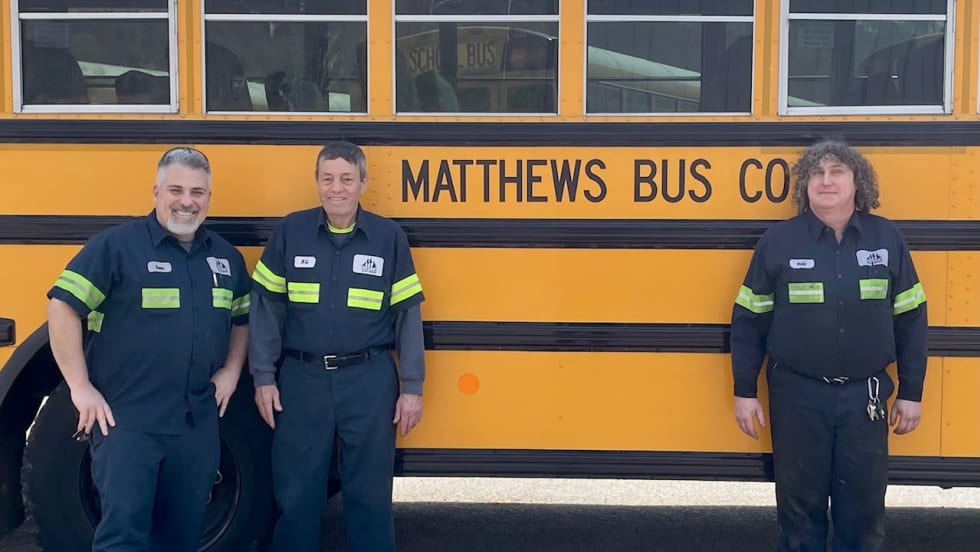
Pennsylvania School Bus Maintenance Team Praised for Dedication to Safety
Matthews Bus Company’s West Jefferson received a letter of commendation from the Pennsylvania State Police for their fleet inspections.
Read More →
Sponsored•April 16, 2026
From Chaos to Clarity: How School Districts Are Running Leaner Transportation Operations
Covering 38 routes on a Friday afternoon. Buses idling while routes overlap. Parents calling nonstop about late arrivals. Sound familiar? This whitepaper explores how district transportation leaders solved these exact problems — and what measurable results followed.
Read More →
Sponsored•March 13, 2026
2026 School Bus Fleet Vendor Directory & Buyer's Guide
Searching for the right equipment, technology, or services for your school transportation program? This industry guide brings together manufacturers and suppliers across the entire school bus market, all in one place. Download it to find the partners who can help move your operation forward.
Read More →