





Previously: Thomas Built Buses to Increase Type A Minotour Production by 50%
Thomas Built Buses Adds Gasoline Engine Option to Saf-T-Liner C2 School Bus Lineup
The gasoline-powered bus features the Cummins B6.7 Octane engine and industry-first compression brake, joining the OEM's C2 powertrain lineup for 2026.
April 2, 2026
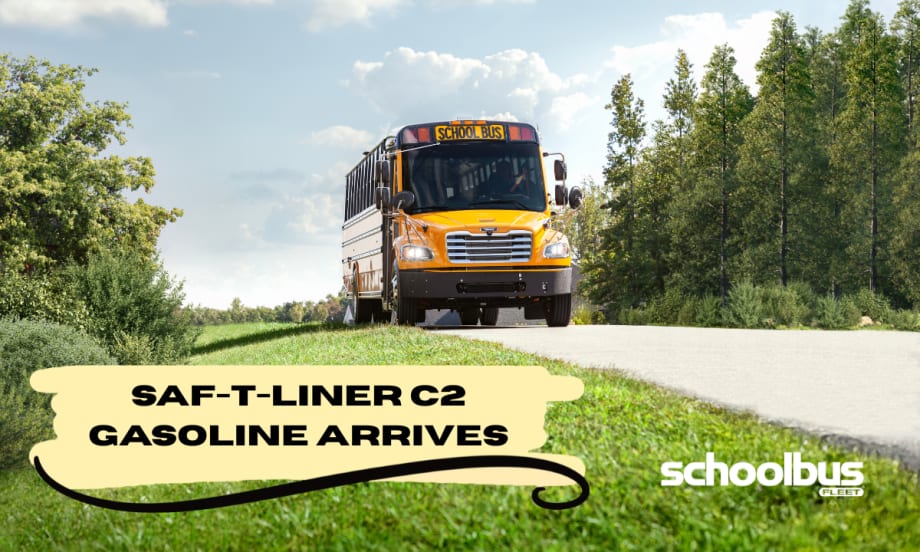
Production for the Saf-T-Liner C2 Gasoline is targeted to begin in late 2026.
Credit:
Thomas Built Buses/School Bus Fleet
2 min to read
Today, Thomas Built Buses (TBB) announced the launch of a new gasoline engine option for the Saf-T-Liner C2 school bus. The Saf-T-Liner C2 Gasoline is equipped with the Cummins B6.7 Octane engine.
With the addition of gasoline, Thomas Built Buses continues to expand its powertrain lineup, now offering diesel, electric, and gasoline options to give school districts greater flexibility and choice.
“With the Cummins B6.7 Octane engine, fleets gain a dependable solution that complements our proven diesel and electric offerings, giving them more choice in how they operate,” said T.J. Reed, president and CEO of Daimler Truck Specialty Vehicles. “We’re proud to expand our lineup with solutions that reflect the real-world needs of school districts — whether that’s simplifying maintenance, managing costs or planning for the future with diesel, electric or now gasoline.”
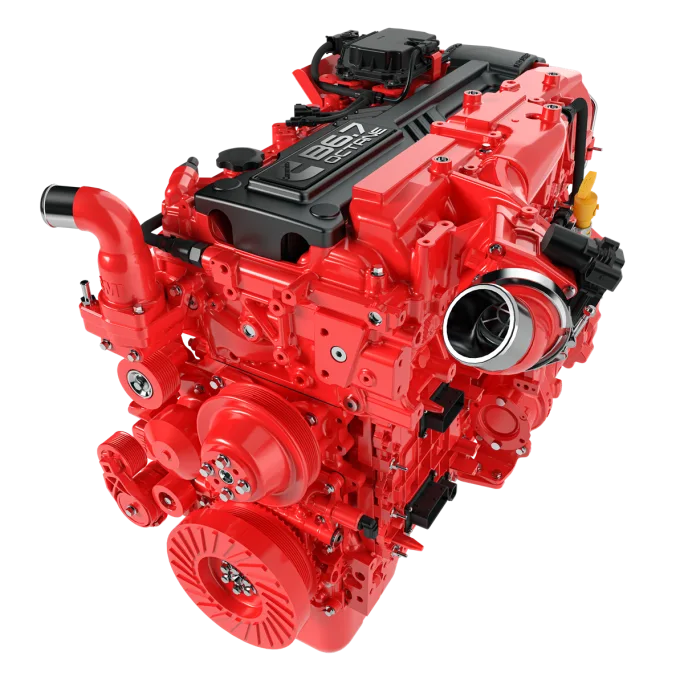
The B6.7 Octane engine will be available in the Saf-T-Liner C2 Gasoline in 220- and 260-horsepower ratings, delivering up to 600 lb-ft of torque.
Credit:
Thomas Built Buses
The Cummins B6.7 Octane is a purpose-built, durable, turbocharged gasoline engine for medium-duty applications, which TBB calls the first of its kind in the category. With up to 2 million miles logged before production, the engine features a broad, flat torque curve that mirrors Cummins’ trusted B6.7 diesel platform.
Designed to provide familiar drivability and smooth power at low speeds, the B6.7 Octane also introduces an optional integrated compression brake for improved vehicle control and reduced brake wear: an industry-first for gasoline school buses.
The Saf-T-Liner C2 Gasoline delivers also offers:
- Strong fuel economy for lower operating costs.
- 2-3x longer service intervals, including oil and filter changes up to 15,000 miles.
- Runs on regular 87-octane gasoline, making it easy to refuel within existing fueling infrastructure.
- Engineered for cold-weather readiness and high idle tolerance, making it well suited for diverse operating environments.
- Offers school districts a familiar chassis and body design, helping streamline technician training, maintenance routines and driver familiarity.
“By offering this gasoline option, we’re helping school districts simplify operations, manage costs and maintain reliable, year-round performance,” said Daoud Chaaya, vice president of sales, aftermarket and marketing at Thomas Built Buses. “Built on our trusted C2 platform, it supports technician and driver familiarity while ensuring safe, dependable transportation for students. This addition reflects our ongoing commitment to delivering an exceptional customer experience.”
More Alternative Fuels
Alt-Fuel Moves: Electric Bus Rollouts, Bidirectional Charging & Propane Growth
See which fleets are adding electric and propane school buses as districts and operators invest in charging infrastructure, bidirectional technology, and alternative-fuel expansion.
Read More →
Nobody Told Diesel Prices They Were Supposed to Come Down
With diesel prices surging, school bus fleets have new reason to stress-test fuel costs, consider diversification, and calculate what each route really costs to operate.
Read More →
Why Gasoline School Buses Are Making a Comeback
Gasoline is gaining ground in full-size school buses. See how today’s options stack up against diesel on cost, maintenance, emissions, performance, and more.
Read More →
EPA Opens $180M DERA Funding Round for Diesel Upgrades
The 2026 Diesel Emissions Reduction Act program seeks applications from eligible organizations to accelerate the retirement of legacy diesel vehicles.
Read More →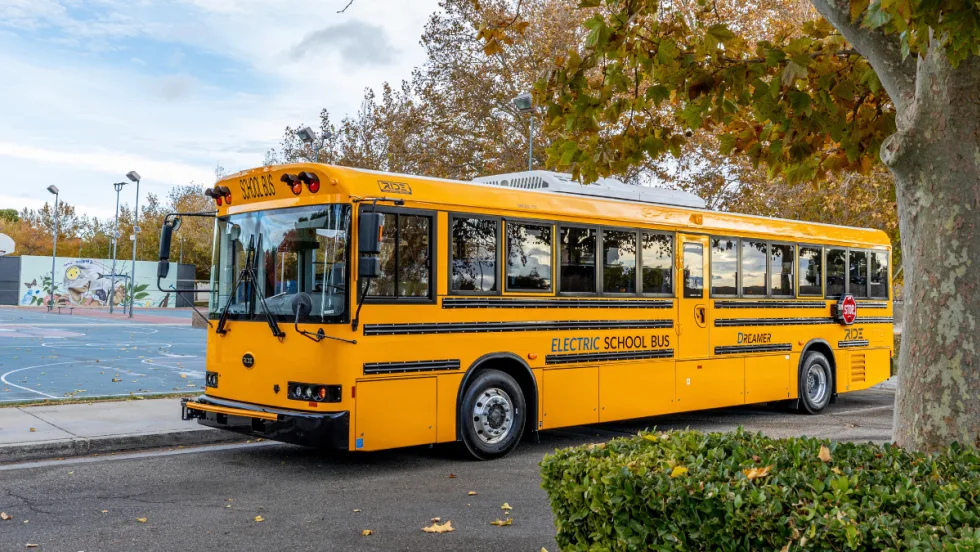
The Secret Life of an Electric School Bus Battery
Batteries change throughout years of daily routes, but degradation doesn’t necessarily mean the end. Here’s what operators should know about performance, safety, and second life.
Read More →
CALSTART and Forth Combine to Form Catalyst Mobility
The new name represents a renewed vision for the nonprofit focused on advancing clean, equitable, and affordable transportation solutions that move people and goods.
Read More →
Alt-Fuel Moves: New Buses, Charging Hubs & Real-World EV Testing
Propane and electric school bus deployments continue to grow as districts add new vehicles, expand charging infrastructure, and gather more real-world operating data.
Read More →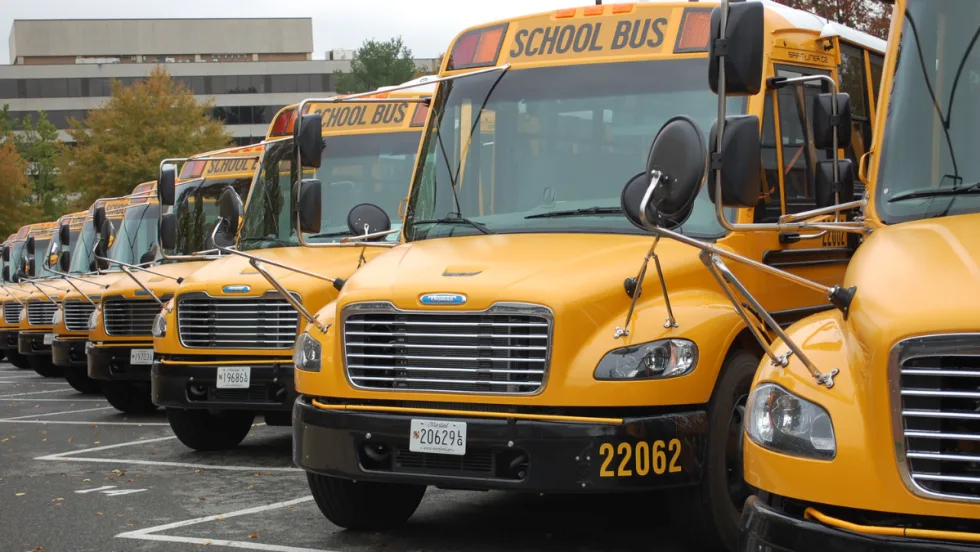
Fewer Electric School Bus Models Reshape the U.S. Market
WRI’s latest buyer’s guide points to a consolidating electric school bus market, but fewer options may reflect a maturing industry rather than fewer meaningful choices for school bus operators.
Read More →
The Fuel Budget You Can Actually Predict: How Propane Autogas Keeps Money in the Classroom
Learn how propane autogas helps school districts manage fuel costs with predictable pricing, lower maintenance, and reduced emissions from former transportation director Joel Stutheit.
Read More →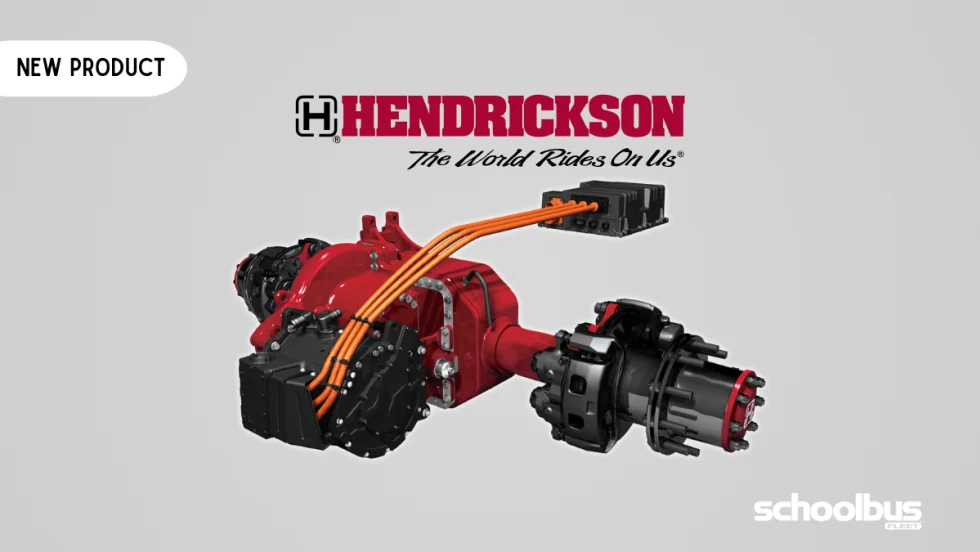
Hendrickson, Driventic Introduce New Electric Powertrain for School Buses
ELECTRAAX, the electrified, lightweight drive axle offers integrated ePowertrain efficiency and modular flexibility for Class 6–7 school bus use.
Read More →