





Alt-Fuel Moves: Funding Boosts & Charging Innovations
EPA Revamps Clean School Bus Program, 2024 Rebates Halted
The EPA will open a 45-day comment period and is planning a March 3 webinar as it reshapes Clean School Bus funding for 2026.
February 27, 2026
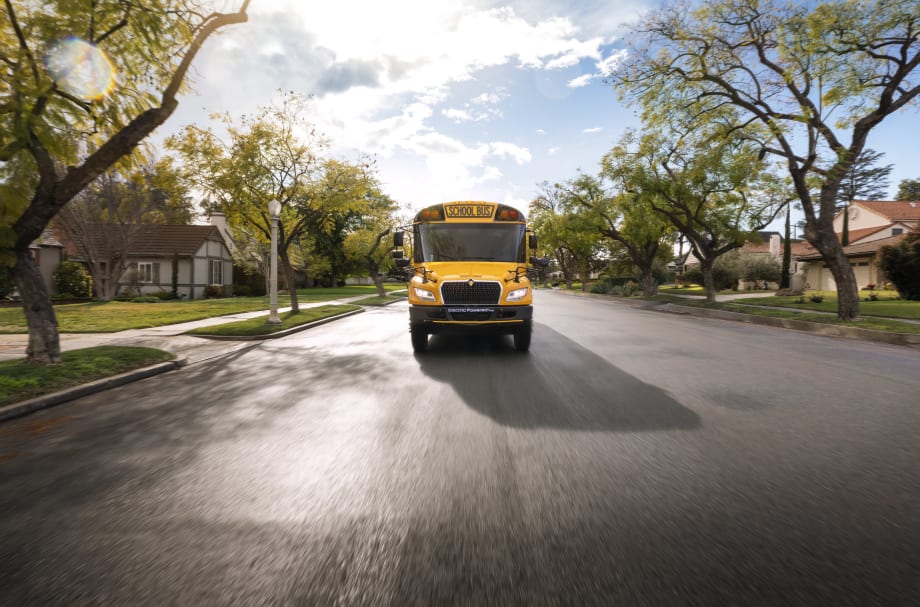
The Environmental Protection Agency plans to “revamp” the Clean School Bus Program and redirect approximately $2.3 billion in remaining funds.
Credit:
IC Bus
2 min to read
- The EPA will initiate a 45-day comment period regarding changes to the Clean School Bus program funding set for 2026.
- A webinar is scheduled for March 3 to discuss the program updates and gather public input.
- The agency announced a halt on 2024 rebates as it modifies the funding plans.
*Summarized by AI
The U.S. Environmental Protection Agency has opened a Request for Information to gather public input that will help shape the next phase of the Clean School Bus Program and inform a 2026 funding opportunity.
According to the agency, the Request for Information is intended to inform future funding decisions by grounding them in real-world market conditions, technological feasibility, and fiscal oversight. The public comment period will remain open for 45 days following publication in the Federal Register.
To support stakeholder engagement, the EPA will host a public informational webinar on March 3, 2026. The session will provide an overview of the Request for Information process and allow participants to ask questions and submit feedback. Registration details can be found online here.
Notably, the EPA confirmed it will not move forward with awards under the 2024 Clean School Bus Rebate Program. Districts and contractors that previously applied are encouraged to reapply under the forthcoming 2026 funding opportunity.
Clean School Bus Program Shift Signals Broader Fuel Focus
Reporting from Canary Media, citing Inside Climate News, indicates the EPA plans to “revamp” the CSBP and redirect approximately $2.3 billion in remaining funds. The shift is expected to expand support beyond battery-electric buses to include alternative fuel technologies such as natural gas-, biofuel-, and hydrogen-powered vehicles.
If finalized, the change could significantly affect district vendor partnerships and long-term electrification strategies.
Even as federal policy evolves, districts continue refining sustainable operations. For school transportation directors and contractors, the Request for Information represents an opportunity to influence future funding criteria and compliance requirements.
Transportation leaders are encouraged to:
- Review current fleet transition plans in light of potential funding shifts.
- Monitor guidance on eligible fuel types and infrastructure investments.
- Participate in the Mar. 3 webinar and submit feedback during the 45-day comment period.
The EPA’s next funding announcement is expected in 2026, following review of stakeholder input collected through the Request for Information process.
More Alternative Fuels
Bipartisan Bill Seeks to Extend Clean School Bus Program Through 2031
The proposed legislation would renew federal support for cleaner school buses as districts navigate funding uncertainty, rising fuel and infrastructure costs, and fleet replacement needs.
Read More →
Alt-Fuel Moves: Electric Bus Rollouts, Bidirectional Charging & Propane Growth
See which fleets are adding electric and propane school buses as districts and operators invest in charging infrastructure, bidirectional technology, and alternative-fuel expansion.
Read More →
Nobody Told Diesel Prices They Were Supposed to Come Down
With diesel prices surging, school bus fleets have new reason to stress-test fuel costs, consider diversification, and calculate what each route really costs to operate.
Read More →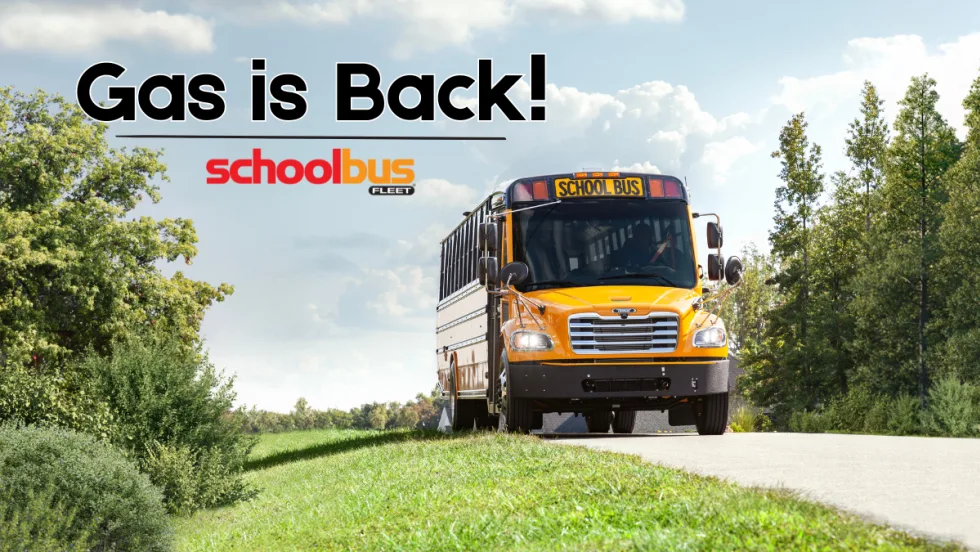
Why Gasoline School Buses Are Making a Comeback
Gasoline is gaining ground in full-size school buses. See how today’s options stack up against diesel on cost, maintenance, emissions, performance, and more.
Read More →
EPA Opens $180M DERA Funding Round for Diesel Upgrades
The 2026 Diesel Emissions Reduction Act program seeks applications from eligible organizations to accelerate the retirement of legacy diesel vehicles.
Read More →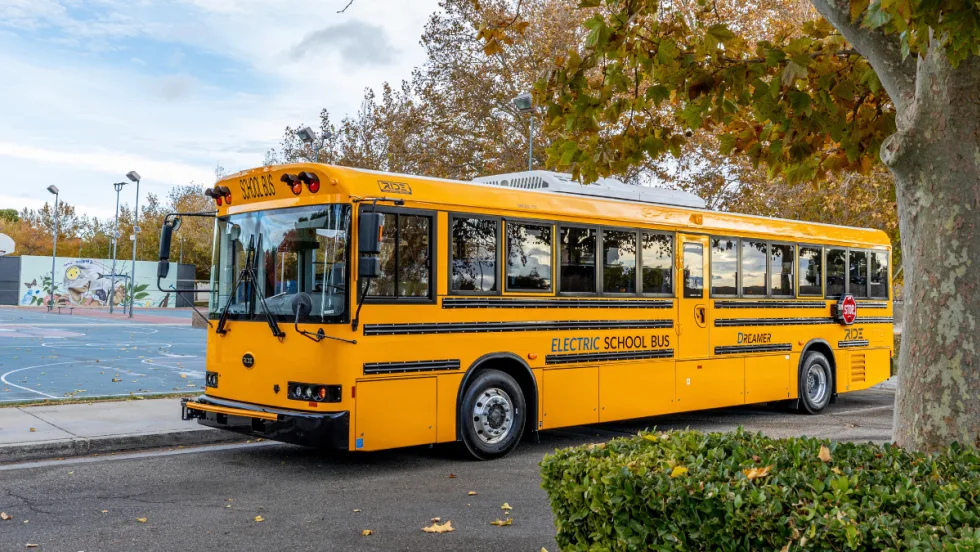
The Secret Life of an Electric School Bus Battery
Batteries change throughout years of daily routes, but degradation doesn’t necessarily mean the end. Here’s what operators should know about performance, safety, and second life.
Read More →
CALSTART and Forth Combine to Form Catalyst Mobility
The new name represents a renewed vision for the nonprofit focused on advancing clean, equitable, and affordable transportation solutions that move people and goods.
Read More →
Alt-Fuel Moves: New Buses, Charging Hubs & Real-World EV Testing
Propane and electric school bus deployments continue to grow as districts add new vehicles, expand charging infrastructure, and gather more real-world operating data.
Read More →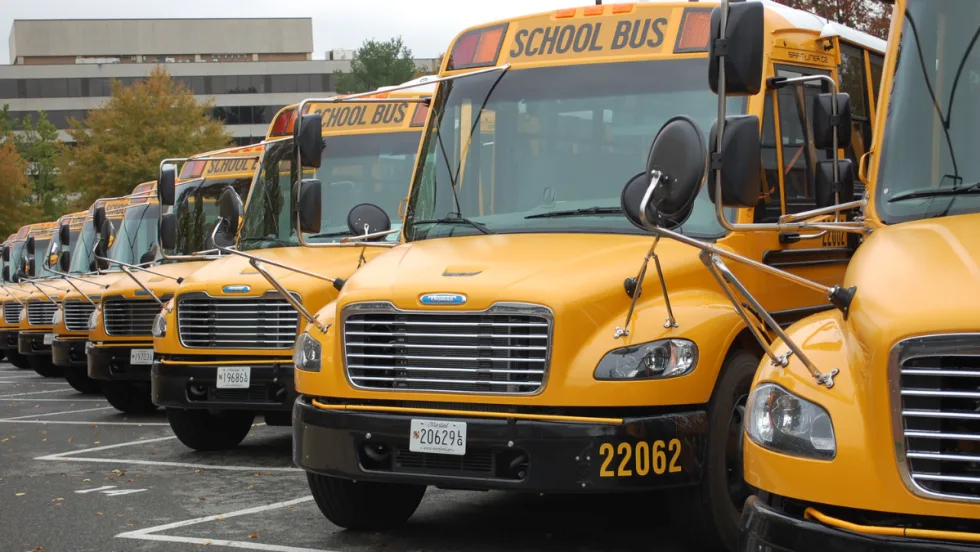
Fewer Electric School Bus Models Reshape the U.S. Market
WRI’s latest buyer’s guide points to a consolidating electric school bus market, but fewer options may reflect a maturing industry rather than fewer meaningful choices for school bus operators.
Read More →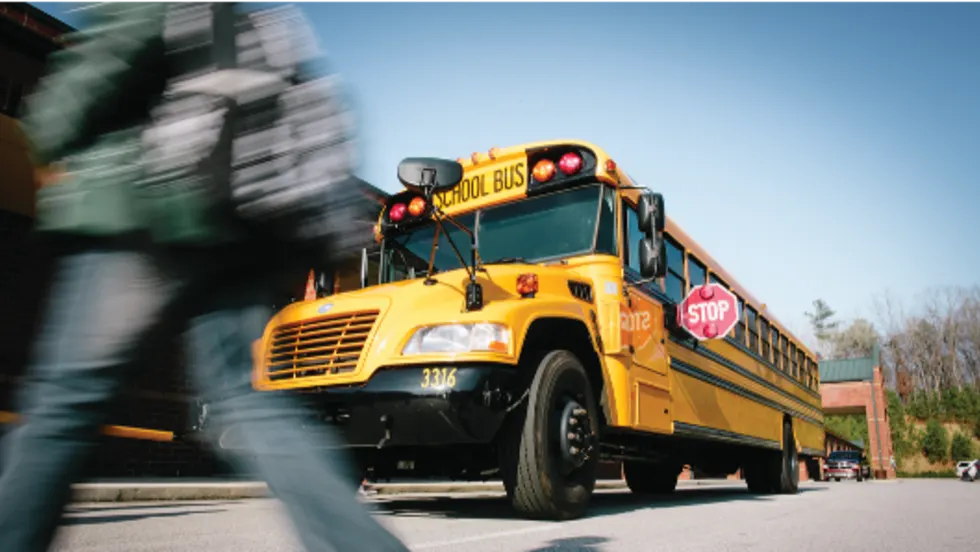
The Fuel Budget You Can Actually Predict: How Propane Autogas Keeps Money in the Classroom
Learn how propane autogas helps school districts manage fuel costs with predictable pricing, lower maintenance, and reduced emissions from former transportation director Joel Stutheit.
Read More →