





Don't Miss: NSTA Advocacy in Action: Under the Hood Permanence Prospects Get Congressional Assist
FMCSA Grants Aimed at Commercial Vehicle Safety
The Motor Carrier Safety Assistance Program grant awards are funded under the Bipartisan Infrastructure Law.
June 3, 2024
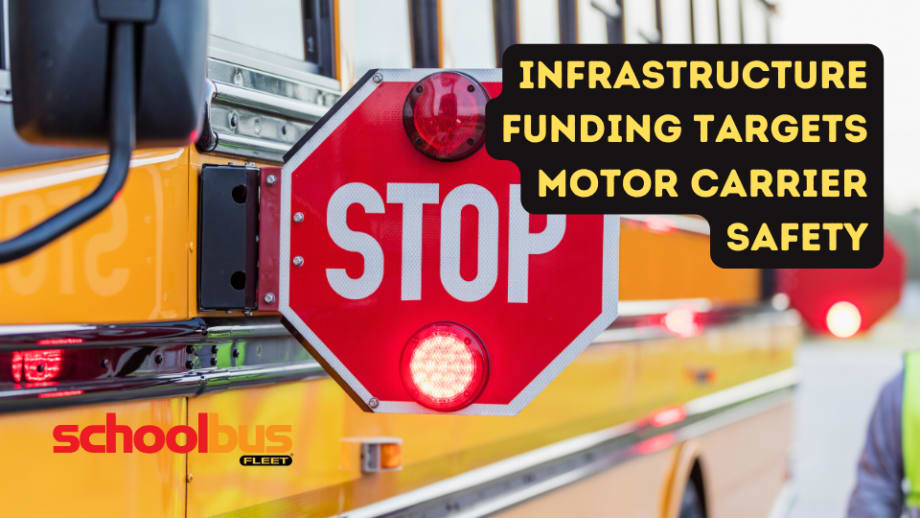
The USDOT’s National Roadway Safety Strategy, released in 2021, addresses traffic fatalities and serious injuries by adopting the “safe system” approach, which integrates safer roads, safer people, safer vehicles, safer speeds, and better post-crash care with the goal of achieving zero deaths on the nation’s roadways. The Motor Carrier Safety Assistance Program grants directly support implementation of the National Roadway Safety Strategy.
Source: Canva
2 min to read
The U.S. Department of Transportation’s Federal Motor Carrier Safety Administration (FMCSA) has announced about $480 million in Motor Carrier Safety Assistance Program grant awards from President Joe Biden’s Bipartisan Infrastructure Law to fund initiatives aimed at preventing crashes, fatalities, and injuries involving commercial motor vehicles.
As FMCSA’s largest grant program, the Motor Carrier Safety Assistance Program awards funding to all 50 states, the District of Columbia, American Samoa, Guam, the Northern Mariana Islands, Puerto Rico, and the U.S. Virgin Islands.
“Across the entire country, we are making our roadways safer and strengthening our national supply chains with resources made possible by the Bipartisan Infrastructure Law,” said U.S. Transportation Secretary Pete Buttigieg. “The funding we’re announcing today will help our local safety partners invest in initiatives that will continue this important work and make our roadways safer.”
Funding through the Motor Carrier Safety Assistance Program supports safety inspections of large trucks and buses, investigations of motor carriers in response to safety concerns, and audits of new truck carriers and school bus companies to reinforce responsible operation and ensure the safe movement of goods and passengers. The funding also promotes outreach and education efforts that help combat human trafficking, distracted driving, and other roadway safety concerns. The program’s funding amounts are determined by a formula and awarded annually to the lead agency of each state or territory upon completion of an FMCSA-approved Commercial Vehicle Safety Plan.
“Motor Carrier Safety Assistance Program grant funding is an important tool for reducing crashes and fatalities involving commercial motor vehicles,” said FMCSA Acting Deputy Administrator Sue Lawless. “The number of fatalities on our nation’s roadways involving commercial motor vehicles decreased by an estimated 8% from 2022 to 2023. We know the needle is moving in the right direction, but until we reach zero roadway deaths, there will always be more work to do. These grants help fund that work.”
The USDOT’s National Roadway Safety Strategy, released in 2021, addresses traffic fatalities and serious injuries by adopting the “safe system” approach, which integrates safer roads, safer people, safer vehicles, safer speeds, and better post-crash care with the goal of achieving zero deaths on the nation’s roadways. The Motor Carrier Safety Assistance Program grants directly support implementation of the National Roadway Safety Strategy.
More Safety
2 Killed, Dozens Injured in Florida School Bus Crash
A multi-vehicle collision caused a Polk County school bus carrying 37 students to overturn on its way to Winter Haven High School.
Read More →
Illegal School Bus Passing Drops 24% in New York Districts
With fewer than 5% of citations involving repeat offenders, Westchester County officials said enforcement, education, and community partnerships are helping change driver behavior.
Read More →
School's Back. Here's What Happened to Traffic, Speeding & Distraction
What happens to traffic when school resumes? New data analysis examines changes in distracted driving, congestion, and speeding around schools.
Read More →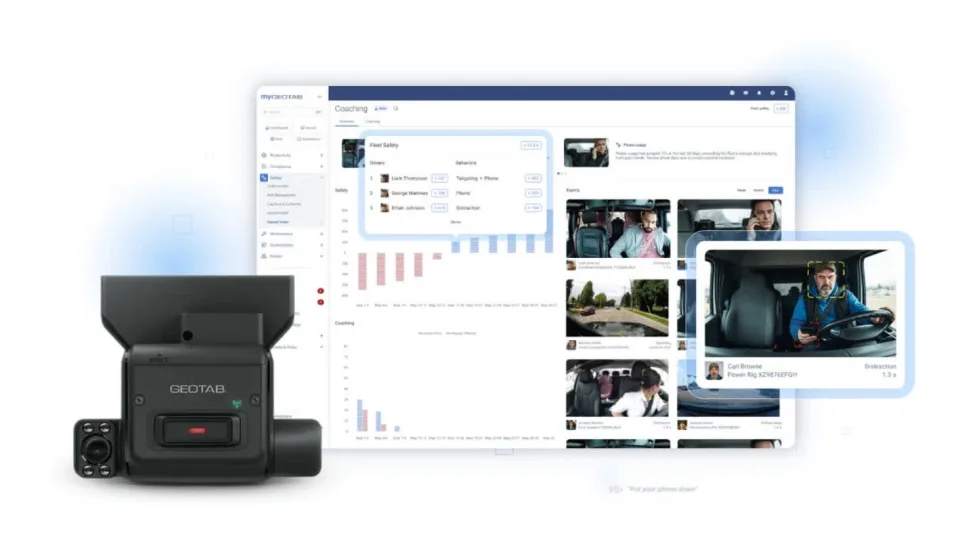
Geotab Expands Fleet Safety Tools With Video Coaching, Risk Insights
New safety and video capabilities aim to help fleet managers assess risk, support drivers, and take targeted action through video coaching, red-light violation detection, and more.
Read More →
How to Build a Better School Bus Driver Training Program
Is it time to strengthen your driver training? Here’s how to pick the right talent and improve recruitment, retention, and safety. This video is brought to you by IC Bus.
Read More →
Recent School Bus Accidents Leave 2 Dead, 2 Injured
Four school bus crashes in Florida, Illinois, and Georgia highlight risks in transportation lots, at bus stops, and during student loading and unloading.
Read More →
When Every Second Matters, Clarity Keeps Routes Moving
From routine delays to urgent incidents, strong communication practices help drivers, dispatchers, schools, and families respond with confidence.
Read More →
What Happens When a School Bus Catches Fire — and What Can Help
School bus fires are rare but can be devastating. Learn how advances in fire suppression and asset protection help fleets detect fires earlier, reduce damage, and improve safety.
Read More →
Geotab Launches Tool to Help Fleets Investigate Road Incidents
Geotab Investigations combines telematics data, video, documents, and other evidence to help fleets reconstruct incidents, resolve claims, and determine what happened.
Read More →
Texas Sixth Grader Wins 2026 National School Bus Safety Poster Contest
Sai Darshana Yekolu of Moseley Middle School in Prosper, Texas, was named the newest winner for her artwork, bringing the theme of “Safe Rides, Everyday Heroes” to life.
Read More →