




When Every Second Matters, Clarity Keeps Routes Moving
From routine delays to urgent incidents, strong communication practices help drivers, dispatchers, schools, and families respond with confidence.
Adobe Stock
- Effective communication is essential to manage both routine delays and urgent incidents.
- Collaboration among drivers, dispatchers, schools, and families ensures coordinated responses.
- Clear communication boosts confidence in handling transportation challenges.
*Summarized by AI
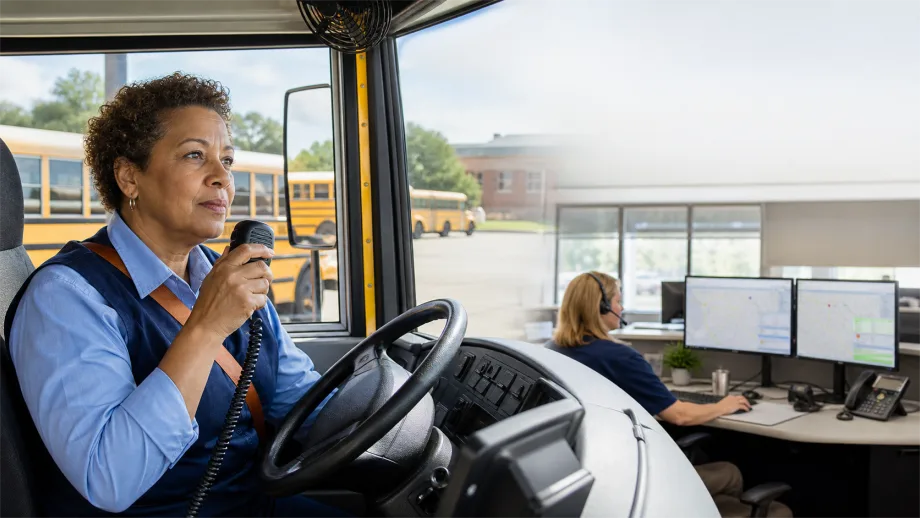
School transportation can change quickly. A late route, mechanical issue, road closure, student medical concern, or weather event may require decisions in moments. In those situations, a strong response depends on one operational foundation: clear, dependable communication.
Communication is not only for emergencies. It is the daily link among drivers, dispatch, maintenance, school staff, families, and first responders. When that link is organized and practiced, teams reduce confusion, protect driver focus, and keep routes moving when plans change.
Make Communication Part of the Daily Routine
The best communication practices are set before a situation becomes urgent. Drivers and dispatchers need shared routines for starting a shift, confirming route changes, reporting vehicle concerns, and escalating issues.
For example, if a driver spots a warning light during a pre-trip inspection, they should know what to report, who receives it, and what happens next. A consistent process helps maintenance assess the issue while dispatch adjusts the route or vehicle with less disruption.
Dispatchers sit at the center of this flow, coordinating drivers, schools, families, maintenance, and emergency services. A clear process helps them know what needs immediate action and what can wait until the route is complete.
Use Short, Structured Messages
In transportation, a message does not need to be long to be useful. It needs to be understood the first time.
A useful message answers four questions: Who are you? Where are you? What happened? What do you need?
For example: “Bus 24, northbound on Maple near Fifth, vehicle disabled, 18 students aboard, requesting a replacement bus.”
This gives dispatch the vehicle, location, issue, student count, and immediate need so support can begin while follow-up questions stay brief.
Protect the Channel During Emergencies
During emergencies, radio traffic can become crowded fast. A communication protocol keeps the channel clear for the driver and dispatcher managing the incident.
An emergency phrase or priority procedure can alert other drivers to stay off the channel except for urgent traffic. School Bus Fleet recommends limiting emergency transmissions and using all-call reminders when routine radio traffic becomes congested.
The dispatcher guides the driver through next steps: confirming location, counting students, identifying injuries or other vehicles, and coordinating help.
Keep Drivers Focused on Driving
Drivers manage students, traffic, loading zones, changing road conditions, and vehicle safety. Communication should support that work, not compete with it.
Leaders can reduce distractions by defining what belongs on a live channel. Non-urgent questions, personal conversations, and issues that can wait should not take priority over operations.
The same applies to family communication. Timely updates about delays, route changes, breakdowns, or emergencies can reduce calls to dispatch, keep parents and schools informed, and help drivers stay focused.
Practice Before The Pressure
Communication plans work best when practiced. Include scenarios in driver orientation, refresher training, dispatch training, and emergency drills.
Training should cover breakdowns, weather detours, late or missing drivers, student medical concerns, collisions, evacuations, and substitute drivers unfamiliar with a route.
Many safety agencies recommend evacuation drills at the start of each school year, a midyear refresher, and current driver policies. Adding communication practice builds the calm, concise habits staff need during a real incident.
Build Confidence Across the Operation
Reliable transportation communication is not about more messages. It is about getting the right information to the right person at the right time.
When everyone understands their role, disruptions are easier to manage and emergencies can be handled with greater confidence. Clear communication supports safer decisions, smoother routes, and an operation ready for whatever the day brings.
This article reflects the views of A BEEP, LLC and does not necessarily represent the views of School Bus Fleetor Bobit Business Media.
Quick Answers
Effective communication ensures that all parties, including drivers, dispatchers, schools, and families, are informed and can make timely decisions during delays or incidents.
*Summarized by AI
More Safety

HopSkipDrive Reports Progress on Safety Advisory Council
More than a year after forming the council, independent safety experts have helped shape new rider-safety features and policy progress, with a new goal to address rider behavior.
Read More →
What the 2026 National School Bus Safety Month Resolution Means for Student Transportation
The bipartisan resolution highlights illegal school bus passing, student safety during loading and unloading, and the need for driver training and public education.
Read More →
School Bus Stop-Arm Violations Decline 53% Across Verra Mobility Programs
Verra Mobility shares how school bus stop-arm cameras and school zone safety programs are changing driver behavior, reducing violations, and protecting students.
Read More →
Most Bus Crashes Aren’t Your Fault. Here’s How to Prove It.
A guide for what to do in between a school bus crash and a claim: what to preserve, who to notify, and how to keep the facts available when they matter.
Read More →
National School Bus Safety Week 2026: Tips, Toolkits & Resources to Keep Students Safe
School bus safety takes more than awareness. Explore expert tips, enforcement strategies, and free resources to help protect students on every ride.
Read More →
2 Killed, Dozens Injured in Florida School Bus Crash
A multi-vehicle collision caused a Polk County school bus carrying 37 students to overturn on its way to Winter Haven High School.
Read More →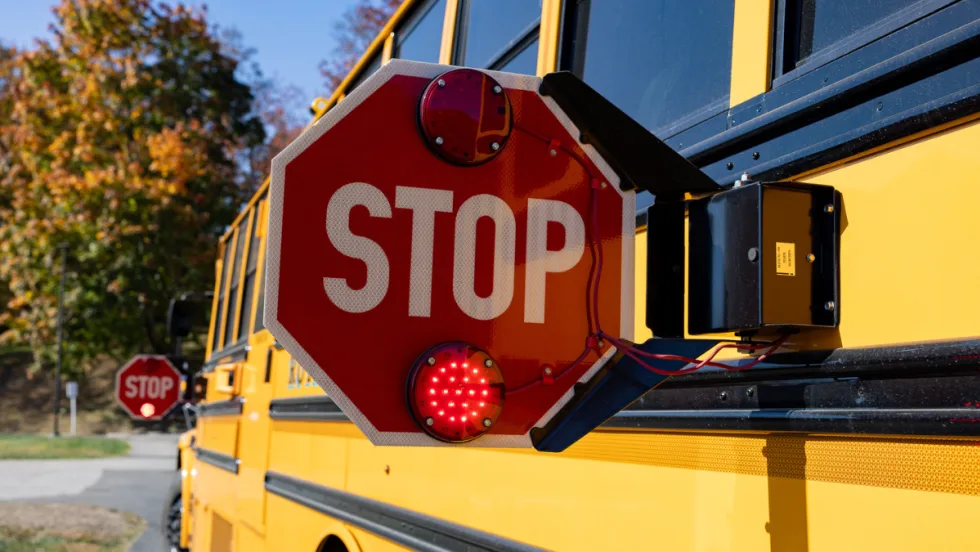
Illegal School Bus Passing Drops 24% in New York Districts
With fewer than 5% of citations involving repeat offenders, Westchester County officials said enforcement, education, and community partnerships are helping change driver behavior.
Read More →
School's Back. Here's What Happened to Traffic, Speeding & Distraction
What happens to traffic when school resumes? New data analysis examines changes in distracted driving, congestion, and speeding around schools.
Read More →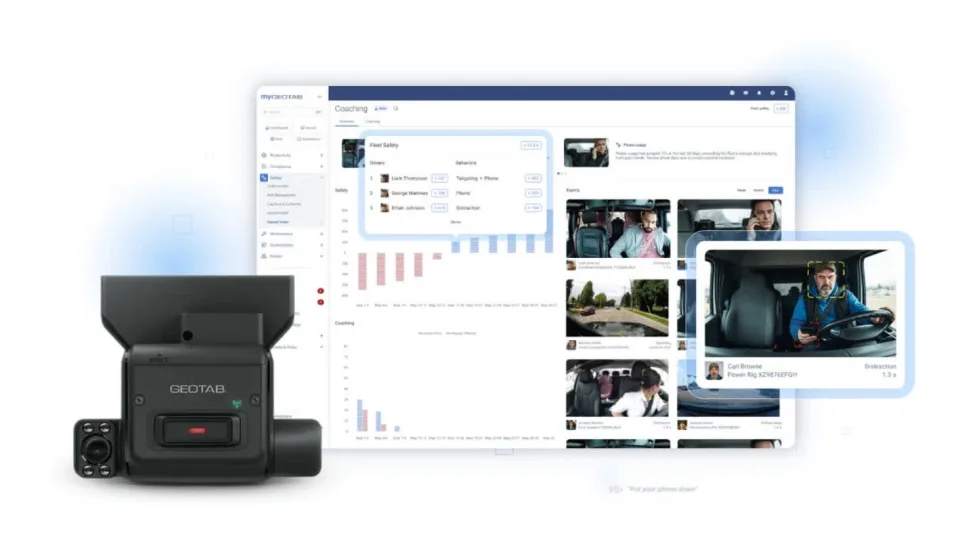
Geotab Expands Fleet Safety Tools With Video Coaching, Risk Insights
New safety and video capabilities aim to help fleet managers assess risk, support drivers, and take targeted action through video coaching, red-light violation detection, and more.
Read More →
How to Build a Better School Bus Driver Training Program
Is it time to strengthen your driver training? Here’s how to pick the right talent and improve recruitment, retention, and safety. This video is brought to you by IC Bus.
Read More →