





More: Why School Bus Stop-Arm Enforcement Programs Are Working
School Bus Stop-Arm Violations Decline 53% Across Verra Mobility Programs
Verra Mobility shares how school bus stop-arm cameras and school zone safety programs are changing driver behavior, reducing violations, and protecting students.
October 20, 2026
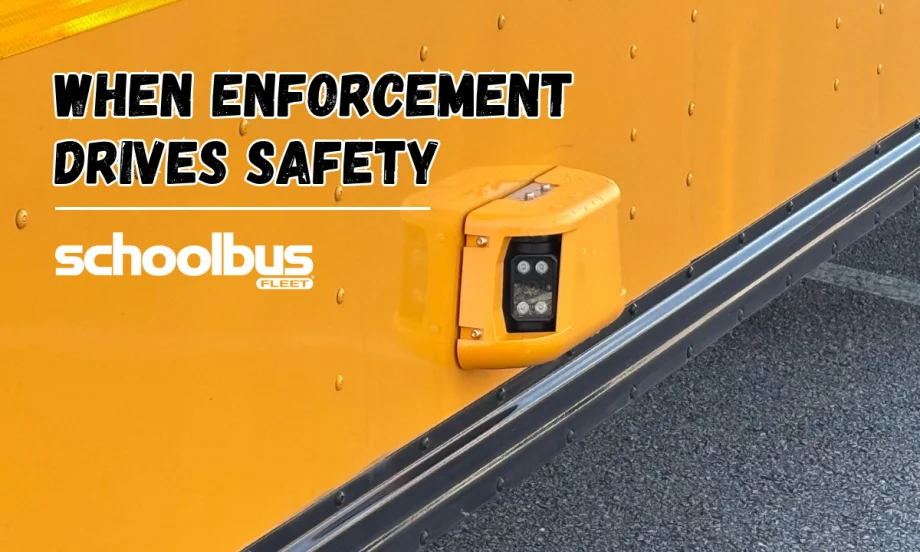
Verra Mobility is expanding its enforcement programs as more communities work to improve student safety.
Credit:
Verra Mobility/School Bus Fleet
2 min to read
As students settle into a new school year, several communities are expanding efforts to address dangerous driving around schools and school buses. Verra Mobility has just announced it is launching new school bus stop-arm safety programs in Hall County, Georgia, and Lake County, Florida, while the Osceola County School Board has also approved a new program.
Stop-Arm Camera Programs Show Declines in Violations
According to Verra Mobility data, stop-arm camera programs demonstrate positive changes in driver behavior, including:
- 53% average decline in stop-arm citations during the 2025-2026 school year across Verra Mobility programs
- 98% of cited drivers did not repeat the offense during the 2025-2026 school year across Verra Mobility programs
- 97% decline in school zone speeding violations according to 2025 data published by the University of South Florida in October 2025
- 87% reduction in speeding in Atlanta school zones four months after the launch of the school zone speed program in 2023
“Schools and communities are making student safety a priority as the new school year begins, and we applaud their commitment to addressing dangerous driving that puts children at risk, said Stacey Moser, chief customer officer at Verra Mobility. “We’ve seen these programs deliver meaningful results by changing driver behavior over time, and we’re proud to support communities taking action to help make the journey to and from school safer.”
How Districts Can Address Illegal School Bus Passing
For schools that want to address illegal school bus passing but have budget constraints, Matt Reich, head of growth and strategic partnerships, school bus division at Verra Mobility, points out that most stop-arm enforcement programs are violator-funded, which provides the safety programs districts need with no budgetary impact. In many communities, violation funds also support other safety needs, such as crossing guard retention or traffic calming near schools.
For districts without legislation supporting a school bus stop-arm program, transportation leaders can start by identifying where illegal passing happens most often. Reich suggests a simple hashmark chart for drivers to report incidents can reveal patterns by stop, route, time of day, and direction of travel.
Districts can then share findings with local law enforcement to focus patrols where and when the risk is greatest. They can also review those stops with their routing teams, considering visibility, traffic conditions, and whether students must cross the road to reach their stop, and adjust routes where a safer option exists.
“Bringing that evidence to school leaders and community stakeholders can help build support for further safety measures before a child is hurt,” Reich said.
More Safety
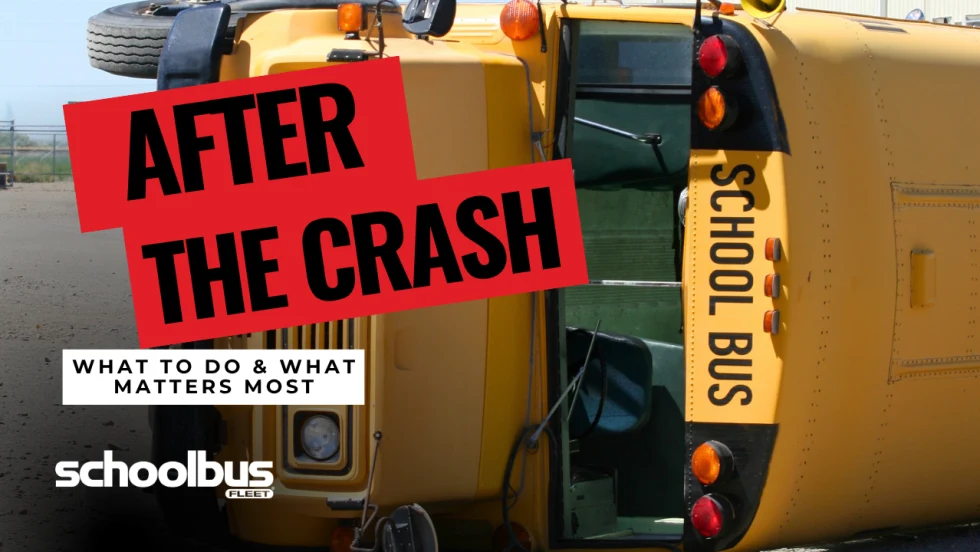
Most Bus Crashes Aren’t Your Fault. Here’s How to Prove It.
A guide for what to do in between a school bus crash and a claim: what to preserve, who to notify, and how to keep the facts available when they matter.
Read More →
National School Bus Safety Week 2026: Tips, Toolkits & Resources to Keep Students Safe
School bus safety takes more than awareness. Explore expert tips, enforcement strategies, and free resources to help protect students on every ride.
Read More →
2 Killed, Dozens Injured in Florida School Bus Crash
A multi-vehicle collision caused a Polk County school bus carrying 37 students to overturn on its way to Winter Haven High School.
Read More →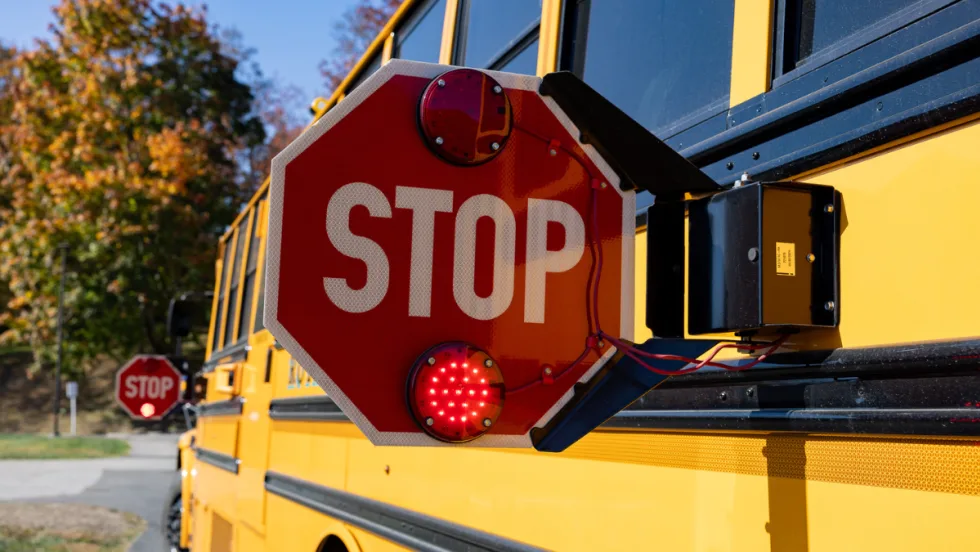
Illegal School Bus Passing Drops 24% in New York Districts
With fewer than 5% of citations involving repeat offenders, Westchester County officials said enforcement, education, and community partnerships are helping change driver behavior.
Read More →
School's Back. Here's What Happened to Traffic, Speeding & Distraction
What happens to traffic when school resumes? New data analysis examines changes in distracted driving, congestion, and speeding around schools.
Read More →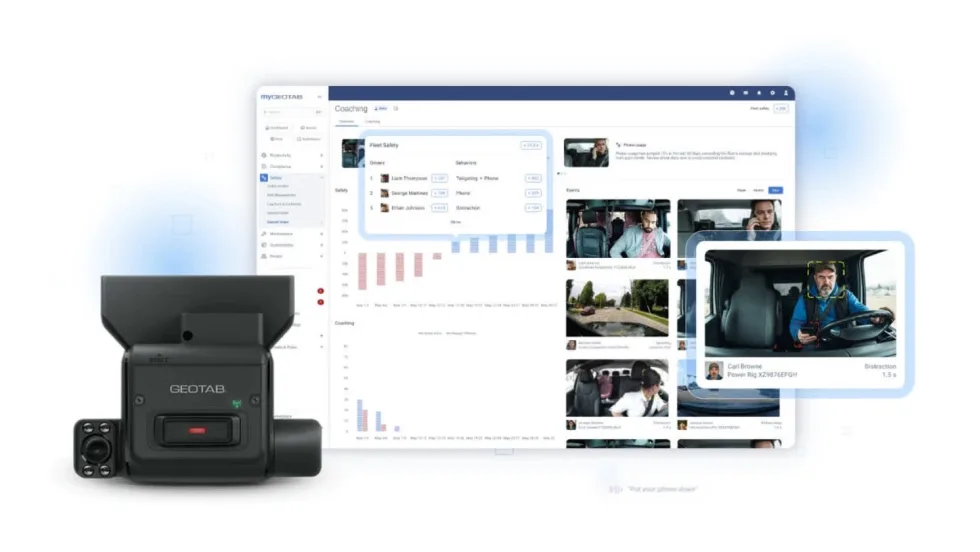
Geotab Expands Fleet Safety Tools With Video Coaching, Risk Insights
New safety and video capabilities aim to help fleet managers assess risk, support drivers, and take targeted action through video coaching, red-light violation detection, and more.
Read More →
How to Build a Better School Bus Driver Training Program
Is it time to strengthen your driver training? Here’s how to pick the right talent and improve recruitment, retention, and safety. This video is brought to you by IC Bus.
Read More →
Recent School Bus Accidents Leave 2 Dead, 2 Injured
Four school bus crashes in Florida, Illinois, and Georgia highlight risks in transportation lots, at bus stops, and during student loading and unloading.
Read More →
When Every Second Matters, Clarity Keeps Routes Moving
From routine delays to urgent incidents, strong communication practices help drivers, dispatchers, schools, and families respond with confidence.
Read More →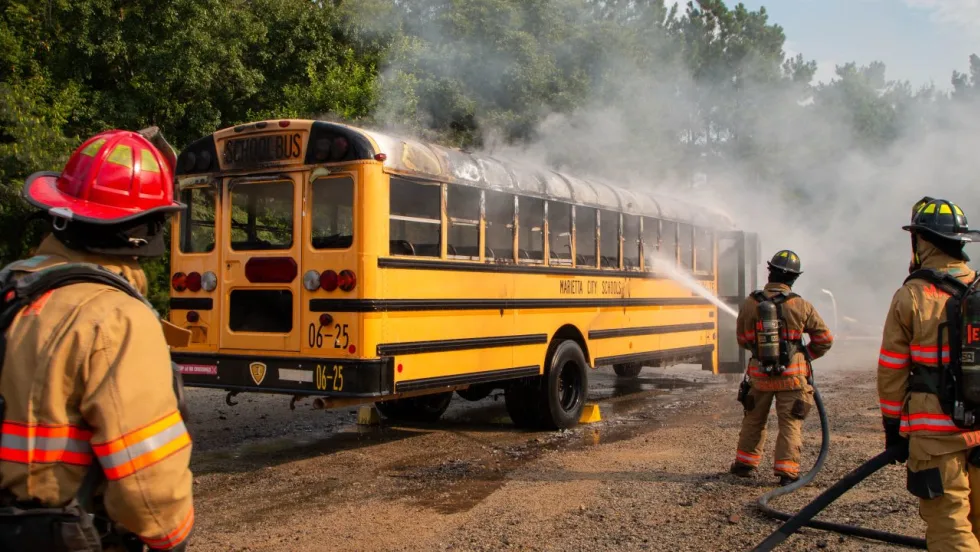
What Happens When a School Bus Catches Fire — and What Can Help
School bus fires are rare but can be devastating. Learn how advances in fire suppression and asset protection help fleets detect fires earlier, reduce damage, and improve safety.
Read More →