




Preparing the Future: Programs to Train the Next Generation of School Bus Mechanics
Decoding Diesel Parts: Understanding Engine Components for Optimal School Bus Performance
Let’s talk engines and how to guarantee peak performance while minimizing downtime. Here, find an accessible breakdown of key diesel engine components, walking through common signs of wear or failure, practical maintenance tips, and when to repair versus replace parts.
by Cal Turner, Fitzgerald USA
May 1, 2025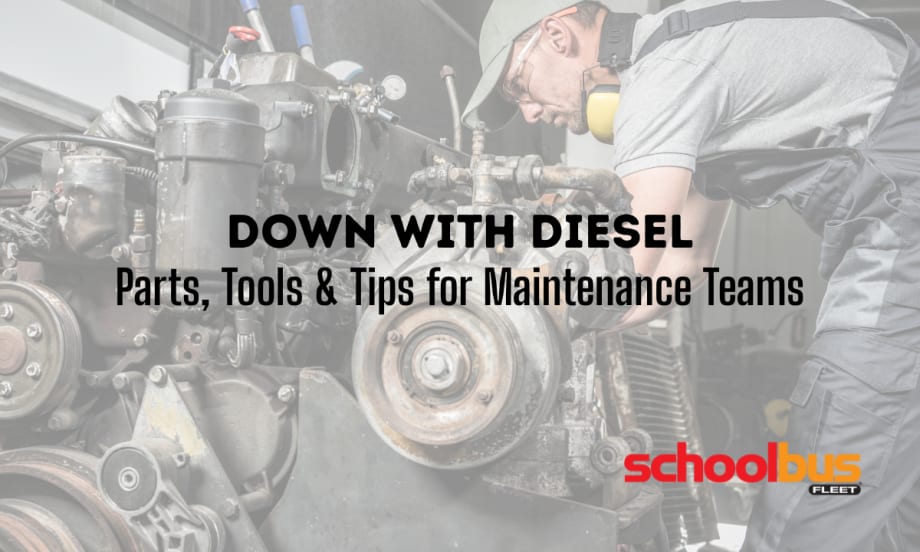
Use the right parts and tools purpose-built for school buses when possible; some products made for any diesel engine won't bring the reliability, safety, and cost savings your team needs.
Photo: SBF/Canva
6 min to read
For school bus professionals, safety, reliability, and cost-efficiency are non-negotiable. At the heart of every dependable school bus is a well-maintained diesel engine, composed of multiple interdependent components that must work in harmony.
Understanding how critical diesel parts function and when they fail can make the difference between a smoothly operating fleet and one plagued by costly breakdowns and compliance issues. While terms like turbocharger, fuel injector, or diesel particulate filter may sound like jargon better suited for trucker parts catalogs, they're central to the everyday operation of school buses.
Let’s break down the most vital diesel engine components, including how they work, what can go wrong, and how maintenance teams can keep them operating at peak performance.
Fuel Injectors: The Precision Gatekeepers
Fuel injectors play a crucial role in controlling fuel delivery to the combustion chamber. They must deliver the right amount of diesel fuel at precisely the right moment and in a finely atomized spray. This ensures efficient combustion, fuel economy, and lower emissions.
Signs of trouble include:
Hard starts or failure to start.
Rough idling or misfiring.
Excessive exhaust smoke.
Increased fuel consumption.
Maintenance and replacement tips include:
Regularly use fuel system cleaners to prevent injector clogging.
Monitor performance and inspect for leaks.
Replace injectors when cleaning no longer resolves performance issues.
If you suspect injector issues, address them promptly. Damaged injectors can affect the entire fuel system and ultimately damage the engine.
Turbochargers: Boosting Power Without Bulk
Turbochargers use exhaust gases to force more air into the combustion chamber, increasing power output without increasing engine size. For school buses, this means better torque, improved fuel efficiency, and lower emissions — especially important in start-and-stop urban driving environments.
Signs of trouble include:
Loss of power or sluggish acceleration.
Whining or high-pitched noises.
Excessive exhaust smoke.
Check engine light activation.
Maintenance and replacement tips include:
Regular inspections for oil leaks and foreign object damage.
Avoid hard accelerations immediately after starting a cold engine — give the turbo time to warm up.
Replace a failing turbo to prevent downstream engine damage.
By keeping the turbocharger in good condition, school bus engines can maintain reliable performance while meeting emissions standards.
EGR Systems: Reducing Harmful Emissions
The exhaust gas recirculation (EGR) system helps reduce nitrogen oxide (NOx) emissions by recirculating a portion of the exhaust gas back into the intake air. This lowers combustion temperatures and cuts down on harmful emissions.
Signs of trouble include:
Reduced engine performance.
Engine knocking or pinging.
Poor fuel economy.
Frequent stalling.
Maintenance and replacement tips include:
Clean the EGR valve regularly to prevent carbon buildup.
Replace clogged or sticking EGR valves before they affect other engine systems.
Use high-quality diesel fuel and additives to reduce carbon deposits.
Keeping EGR systems clean and functional is vital for emissions compliance and avoiding costly citations or repairs.
Diesel Particulate Filters (DPFs): Catching the Soot
DPFs trap and remove soot from the exhaust stream, ensuring cleaner emissions. They regenerate (clean themselves) either passively while driving or actively through engine intervention.
Signs of trouble include:
Increased fuel consumption.
Loss of power.
Warning lights or fault codes.
Overheating or back pressure in the exhaust.
Maintenance and replacement tips include:
Ensure regular regeneration cycles occur — avoid too many short trips that interrupt this process.
Use only approved low-ash engine oils.
Schedule professional cleaning if regeneration becomes frequent or ineffective.
Neglecting DPF maintenance can lead to clogged filters, poor performance, and potential engine shutdowns.
When to Repair vs. Replace
You may often face the question: Repair or replace? The answer depends on the severity of wear, the part's cost, downtime implications, and long-term reliability.
Consider repair when:
The part is relatively new and failure is minor.
Cleaning or recalibrating can restore full function.
Downtime is minimal and parts are readily available.
Consider replacement when:
The part has failed repeatedly or has exceeded its service life.
Performance or emissions are significantly compromised.
The cost of frequent repairs exceeds replacement.
Investing in replacement at the right time reduces the risk of cascading failures and unexpected breakdowns that affect scheduling and safety.
Truck Parts vs. Bus-Specific Components
While many diesel engine components are shared across industries, it's important to source parts designed specifically for school bus use. Trucker parts may look similar, but school buses have unique performance profiles, emissions standards, and duty cycles.
Look for:
Parts certified for school bus applications.
OEM or fleet-certified aftermarket components.
Vendors who understand school transportation needs and regulations.
Choosing the right parts ensures compatibility, performance, and long-term value.
Preventive Maintenance: Your Best Investment
Understanding diesel engine components is just the beginning. Implementing a strong preventive maintenance (PM) program ensures the longevity of each part and the overall health of your fleet.
Include these key tasks in your PM checklist:
Monitor fluid levels and quality.
Track mileage and service intervals for all engine components.
Use diagnostic tools to detect early warning signs.
Train technicians on emerging diesel technologies and maintenance protocols.
A proactive approach minimizes disruptions, extends component life, and helps maintain optimal fuel economy and emissions compliance.
Training and Documentation
Another crucial aspect of optimal engine performance is training. Technicians, drivers, and maintenance teams should regularly receive updated training on diesel engine components and best practices for identifying early signs of failure. Also, keeping a detailed log of inspections, part replacements, and service records can streamline diagnostics and future planning.
Look into partnerships with vocational programs, manufacturers, or transportation associations that offer certifications or workshops. Investing in staff education not only extends the lifespan of your parts, but also builds a more confident and capable team.
The Role of Fleet Management Software
Incorporating advanced fleet management systems can significantly improve your ability to track component performance and schedule maintenance. These platforms can automate service interval alerts, track fuel efficiency trends, and provide diagnostic reports from on-board sensors.
Look for fleet management software that integrates with emissions data and tracks DPF regeneration cycles, injector timing, or turbo boost pressure. These tools offer actionable insights, improve response times, and help prevent minor issues from escalating.
Drive Smarter: Mastering Diesel Components for a Safer, More Efficient School Bus Fleet
Diesel engine systems are intricate, but understanding their components empowers school bus professionals to make smarter decisions. Knowing how parts like fuel injectors, turbochargers, EGR systems, and DPFs work — and recognizing when they're underperforming — can significantly reduce downtime and repair costs. With proper maintenance, timely replacement, and the right parts, school bus fleets can remain efficient, compliant, and safe.
As pupil transportation professionals, your expertise keeps the wheels turning and the buses rolling. Equip your team with knowledge and tools that support smarter engine care — and you'll drive better performance, one mile at a time.
About the Author: Cal Turner is an integral part of the Fitzgerald USA team and is co-owner/operator of Fitzgerald USA Truck Parts Online, a provider of high-quality truck parts and accessories. Turner, a University of Tennessee graduate, has been immersed in the trucking industry for nearing a decade. He has spent the last several years expanding on how he can provide unmatched services, products, and expertise in the online truck parts market.
Subscribe to Our Newsletter
More Maintenance
Sponsored•September 8, 2026
The Essential Guide to School Bus Maintenance and Student Safety
Your district's buses carry students to school every day. This guide shows how predictive maintenance powered by fleet data helps keep buses reliable, drivers accountable and students safer from the first bell to the last stop.
Read More →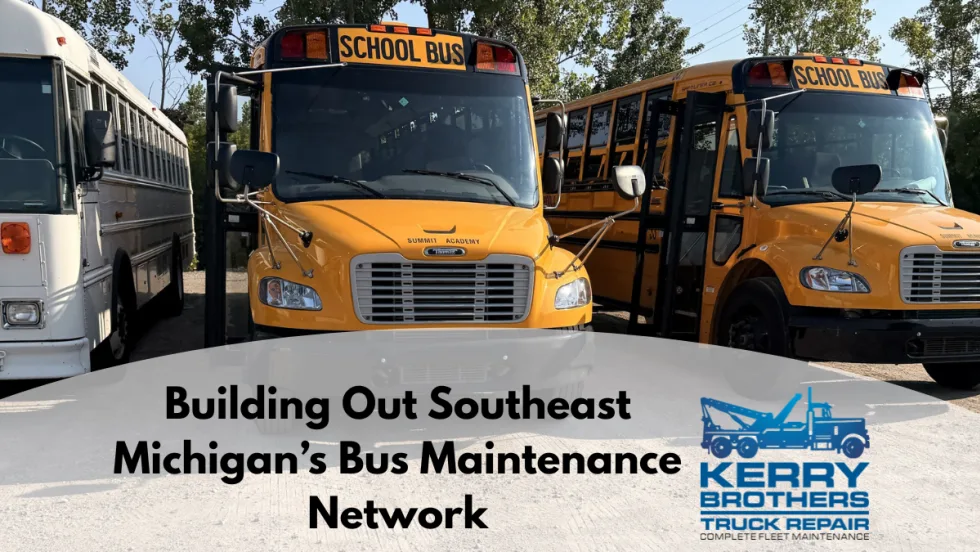
Kerry Brothers Grows Michigan School Bus Repair Network
The acquisition of Downriver Truck and Bus expands Kerry Brothers’ school bus maintenance footprint across southeast Michigan, adding repair capacity, diagnostic resources, and state inspection support.
Read More →
Noregon Introduces CAN Bus Diagnostic Tool, Expands JPRO Features
CAN Mentor and the latest JPRO update aim to simplify vehicle network diagnostics and improve repair efficiency for technicians of all experience levels.
Read More →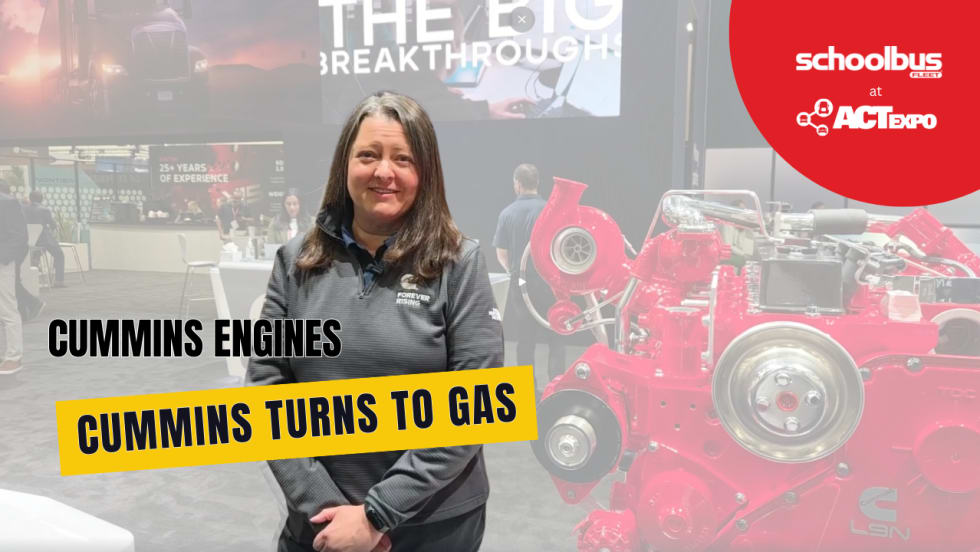
Cummins on Smarter, Simpler Engine Innovation
Cummins discusses its first-ever gasoline engine for school buses, EPA 2027, and why bus fleets still want durable, simpler internal combustion options.
Read More →
Report: 72% of Diesel School Buses Now Use Advanced Low-Emission Engines
New data shows advanced low-emission diesel technology continues expanding across school bus fleets, even as electric bus adoption gains momentum.
Read More →
Vampire Tools' CAIMAN 7.5-Inch Multi-Purpose Screw Extractor Long-Nose Pliers with Crimper
Vampire Tools introduced the VAMPLIERS Caiman 7.5-inch multi-purpose pliers, combining screw extraction, cutting, crimping, and gripping functions into a single tool designed for fleet maintenance professionals.
Read More →
How Advanced Diagnostics Helps Bus Fleets Stay Ahead of Repairs
Chat with Noregon’s Kevin Smallhorn at ACT Expo about bus diagnostic tools, telematics integration, CNG maintenance support, and strategies to help reduce downtime and improve uptime.
Read More →
How School Bus Fleets are Getting Ahead of Breakdowns
Don’t let bus downtime wear you down. Here’s how bus operators are shifting from manual processes to AI-powered, data-driven maintenance systems for improved reliability and safety.
Read More →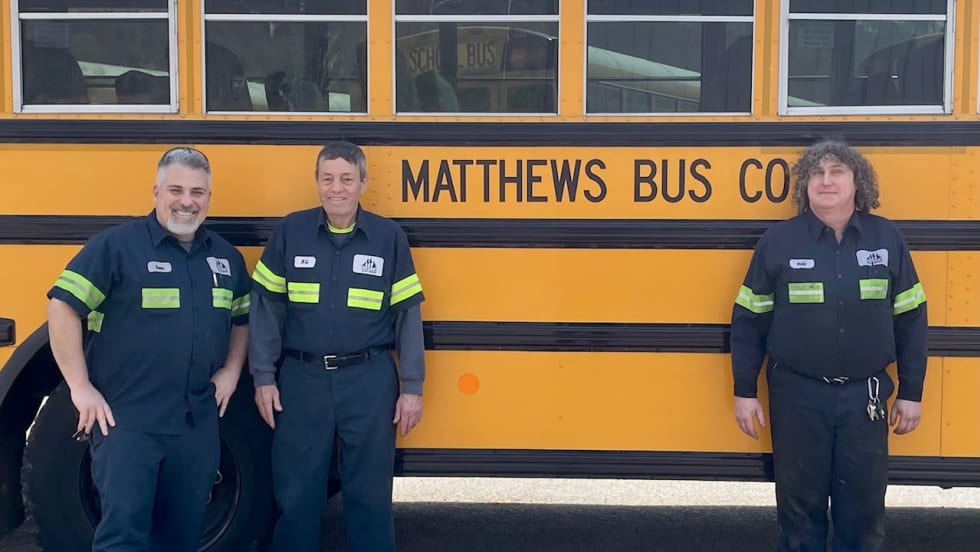
Pennsylvania School Bus Maintenance Team Praised for Dedication to Safety
Matthews Bus Company’s West Jefferson received a letter of commendation from the Pennsylvania State Police for their fleet inspections.
Read More →
Sponsored•April 16, 2026
From Chaos to Clarity: How School Districts Are Running Leaner Transportation Operations
Covering 38 routes on a Friday afternoon. Buses idling while routes overlap. Parents calling nonstop about late arrivals. Sound familiar? This whitepaper explores how district transportation leaders solved these exact problems — and what measurable results followed.
Read More →