





More on the Topic: How and When to Buy a Used School Bus
Beyond the Initial Investment: Long-Term Savings with Used Buses
Why buy used? One of many reasons boils down to ROI and your bottom line. Discover how one operator uses used school buses to cut costs, avoid depreciation, and deliver long-term savings in this guest article.
April 11, 2025
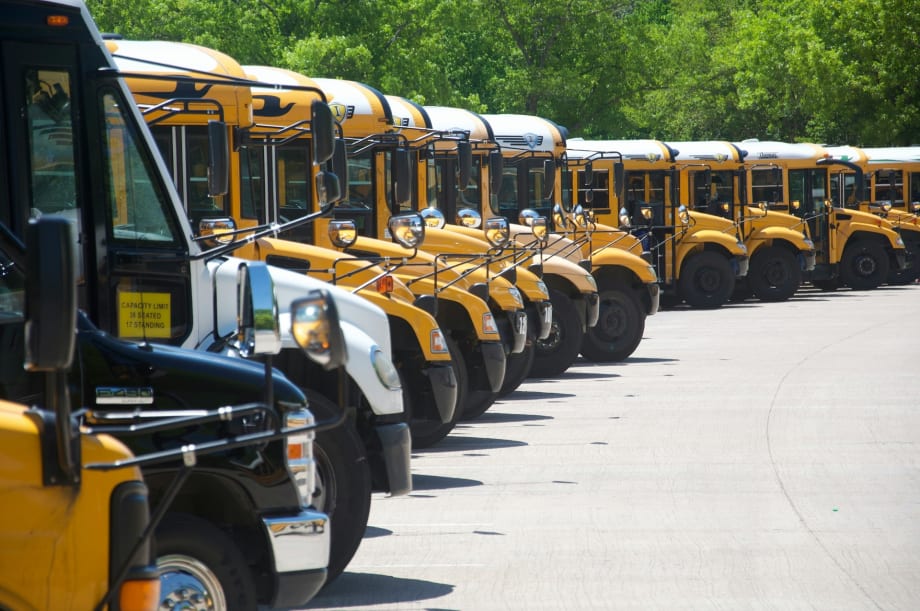
Used buses aren’t a compromise; they can be a smart financial strategy.
Photo: BusesForSale.com
6 min to read
- Used school buses provide operators with an opportunity to enhance their return on investment.
- Opting for used buses enables companies to significantly reduce upfront costs and avoid heavy depreciation.
- Long-term savings are achieved through strategic cost management and the utilization of pre-owned vehicles.
*Summarized by AI
When Marc Galbreth, owner of Leading Source Transportation (which runs school buses in the New Orleans area), launched his fleet operation, he faced a familiar dilemma — expanding a bus fleet without stretching his budget too thin.
His solution? Buying quality used buses instead of costly new ones. Galbreth discovered he could save as much as 60% on initial costs, proving that used buses aren’t merely a compromise but a financially strategic choice.
Galbreth explains: “New buses break down just like used buses. It doesn’t make sense to spend over $100,000 when I can get the same reliability at a fraction of the cost. Our used buses typically pay for themselves within a year.”
Understanding the financial dynamics — primarily depreciation, maintenance, and resale value — helps fleet operators transform used buses from a stopgap measure into a smart economic strategy.
Galbreth highlights the biggest financial challenge fleet operators face today: “When you’re trying to expand but don’t have extensive financial backing, you have to find buses you can actually afford.”
Used buses allow for growth without overwhelming debt.
Understanding Depreciation: The Hidden Cost of New Buses
Depreciation hits hardest at the outset. According to the Kansas State Department of Education, new buses commonly lose 20% to 30% of their value in the first year alone, followed by roughly 12.5% each subsequent year.
Galbreth emphasizes this point. “The steepest depreciation occurs when a new bus leaves the dealership,” he said. “That drop has already occurred with used buses, meaning you’re not paying for that initial loss.”
With pre-owned vehicles, like those available from BusesForSale.com, Galbreth can expand his fleet, invest in driver training, or improve operational efficiency — options simply not feasible with new buses’ high initial depreciation costs.

Isaac Linson, CEO/owner of BusesForSale.com, stands with Jeremy Blair from Central Bus Inc. in Tennessee.
Photo: BusesForSale.com
Operational Longevity: Maximizing Used Bus Lifespan
One common misconception is that used buses have a shorter operational lifespan than new buses. In reality, buses, especially those equipped with robust diesel engines, routinely exceed mileage expectations. “Our best buses date back to 1991 with Cummins diesel engines,” Galbreth notes. “One of our buses has run reliably to 332,000 miles and counting.”
His practical advice for potential buyers? “Always check mileage. When it comes to buying a bus, it’s best to steer clear of those with over 250,000 miles on the clock — unless you really know what kind of maintenance they’ve had.”
Interestingly, older buses that have been taken care of, especially those with well-maintained diesel engines that you can buy from retiring fleet operators, can often be more reliable and last longer than newer models.
Navigating Maintenance Costs: Myths vs. Reality
A common misconception is that older buses mean higher maintenance costs. However, Galbreth’s experience proves otherwise.
“New buses, especially electric and hybrids, can only be worked on by a special technician,” he said. ”And depending on where you are, there aren’t any around. Also, replacing an engine in one of our diesel buses costs only around $1,600. A transmission could be $4,000. But hybrid or electric bus battery replacements can cost over $30,000. I see as many new hybrid buses on the side of the road as I do older buses. Every bus engine is going to need repairs at some point. Even new ones.”
Galbreth emphasizes that used buses don’t need excessive maintenance if selected wisely. Regular preventive care — simple oil changes, brake checks, and annual tune-ups — keeps maintenance manageable, reliable, and cost-effective.
Having experience in the industry has taught us that being proactive about maintenance and building solid relationships with local mechanics can help cut operating costs. This keeps used buses running smoothly, making them a much more appealing financial option for many businesses.
Resale Value and Market Trends: Timing Is Key
While some fleet operators plan for eventual resale, Galbreth’s strategy differs. “I don’t sell my buses,” he admits. “I have over 250,000 miles on most of them, and they’re still cost-effective.”
However, timing matters greatly for fleet operators who factor resale into their business models. Market data indicates a strong resale value for well-maintained buses, especially in rural and small-town markets. Galbreth keeps his buses for the long term, but fleet managers can optimize returns by selling used buses before they require substantial repairs.
Industry Advice: What Fleet Operators Need to Know
Galbreth offers fleet operators these practical tips:
- Choose wisely: Look for durable models, such as buses with reliable diesel engines. A well-maintained Cummins diesel engine, for instance, can last 350,000 to 500,000 miles or more, with some even reaching over 1,000,000 miles in extreme cases.
- Calculate costs realistically: Consider repair and maintenance costs in advance. “Be prepared to invest in regular upkeep — though it won’t break the bank if managed proactively.”
- Leverage industry connections: Purchase buses from excellent operators who regularly retire portions of their fleets.
- Profit margins matter: Galbreth says, “You earn roughly $350 a day per bus, new or used. Why overspend on new when used buses deliver identical returns?”
How to Maximize Long-Term Savings
Fleet operators ready to explore used buses can follow these actionable tips:
- Inspect thoroughly before buying: Always verify vehicle maintenance records and mileage history.
- Negotiate based on market insight: Research pricing trends and leverage your knowledge for better deals.
- Maintain proactively: Regular, preventive maintenance saves money and prolongs vehicle lifespan.
- Stay informed on resale trends: Timing your resale can make a difference in how much you get back on your investment. According to recent insights, there’s a steady demand for well-cared-for used buses, particularly in rural areas and smaller communities. For instance, a 2015 International IC CE 70-seater bus driven about 50,000 miles usually commands a good price because the market is strong. Similarly, buses like the 2014 Freightliner Thomas C2, with under 150,000 miles, and the 2008 Collins Type A, with roughly 180,000 miles, hold their value pretty well.
It’s also important to consider how economic conditions can sway the market. When times get tough, more people often turn to buying used vehicles, which can lead to higher resale prices. Recent reports show that used vehicle prices have jumped roughly 9% in just the last few months, contributing to the overall rise in inflation.
As electric and hybrid buses hit the used bus market and safety standards keep evolving, bus operators must stay informed about how these changes could affect the resale value of their vehicles in the future.
A Smarter, Sustainable Strategy
Transportation costs are squeezing profit margins these days. Fleet operators need affordable strategies that still meet their school client needs. Investing in used buses isn’t just a compromise; it’s a savvy move toward better financial management.
“Clients just want kids taken home safely,” Galbreth says, “they don’t care if it’s in a new or used bus. So why spend more than you have to?”
For fleet operators navigating today’s challenges, choosing used buses is not just smart; it’s essential for sustainable, profitable growth.
This article was authored and edited according to School Bus Fleet editorial standards and style. Opinions expressed do not necessarily reflect that of SBF or Bobit Business Media.
Quick Answers
Buying used buses can significantly reduce costs, help avoid heavy depreciation associated with new buses, and contribute to long-term savings.
*Summarized by AI
Subscribe to Our Newsletter
More Management

How to Build a Better Driver Training Program
Ready to boost up your school bus instructor training? Here’s how to pick the right talent and improve recruitment, retention, and safety.
Read More →
CALSTART and Forth Combine to Form Catalyst Mobility
The new name represents a renewed vision for the nonprofit focused on advancing clean, equitable, and affordable transportation solutions that move people and goods.
Read More →
What Makes a Great School Bus Driver Trainer?
Choosing the right school bus driver trainer takes more than experience. Learn six keys to selecting and developing trainers and evaluating program effectiveness.
Read More →


School Bus Contractors Expand Through New Deals, Acquisitions & Partnerships
STA's Canadian division acquires Ontario-based G&L Stevenson Transport while Durham School Services adds a new district contract in California, First Student adds a New Jersey contract, and Minnesota Coaches acquires Halo Transportation.
Read More →
Logan Bus Company Rolls Out AI Phone System for NYC School Bus Families
A summer pilot found that AI agents could handle most routine calls, freeing up time for customer service staff to focus on emergencies and complex family concerns.
Read More →
From Intent to Impact: What I Learned About Leadership from TAPT
A Texas transportation supervisor shares lessons on self-awareness, accountability, managing stress and building trust — and why investing in leadership development matters at every stage of your career.
Read More →
NAPT Names 2026 Award Recipients, Hall of Fame Inductee
Who earned national recognition for their work in student transportation? This year, NAPT named five recipients of its 2026 awards for service, safety, and leadership, plus its newest Hall of Famer.
Read More →
Sponsored•September 2, 2026
2026 State of Student Transportation Report
Driver shortages. Rising costs. Growing safety expectations. More data, but not enough time to act on it. The 2026 State of Student Transportation Report reveals what transportation leaders say is putting the most pressure on their operations—and where they’re investing next. See how your priorities compare.
Read More →
How to De-Escalate an Angry Person: 5 Steps for Handling Workplace Conflict
What makes emotions run high, and how should you handle an angry colleague or parent? Follow these steps for staying calm, listening, showing empathy, and resolving conflict.
Read More →
Sponsored•September 1, 2026
What Readiness Looks Like This School Year
Learn about the challenges shaping the 2026–2027 school year, from persistent driver shortages and budget pressure to technology and readiness gaps. See how school districts are responding and adapting in Zonar’s 2026 Back-to-School Readiness Report.
Read More →