




Preventive Maintenance: Easier Than Performing Corrective Maintenance
Learning how to spot potential problems and analyze the problems' cause and effect will help you determine why components are failing and guide you to a solution.
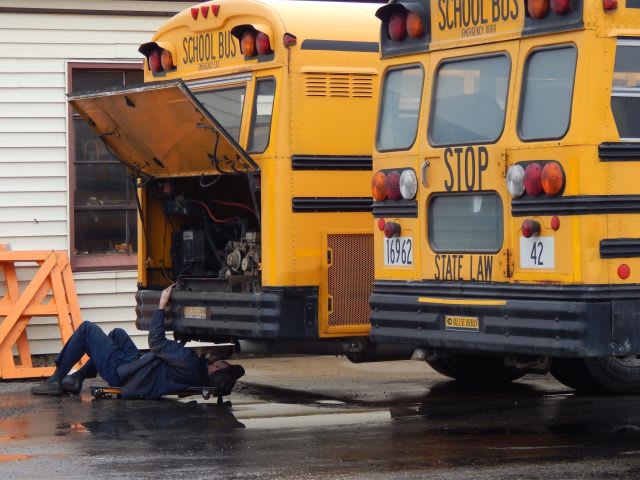
File photo courtesy Barb Kracheck
Where should you draw the line on how much to repair?
In the case of an aged fleet, you may be struggling to keep buses road-worthy. Many shops are performing what I call “the corrective maintenance program,” meaning, if it isn’t broken, why spend time on it? They refuse to perform sufficient preventive maintenance (PM) to improve overall reliability. Buses continue to break down because components that should have been repaired or replaced some time ago are now beyond useful life.
Think about it: if you are always fixing things that are broken, you are not doing enough to prevent them from breaking. It is true that components will eventually break, but the reason behind PM is to do all we can to extend their lifecycle and try to calculate a reasonable replacement time before they fail.
It’s important to realize that your present corrective mode of operation has taken years to get to, and that to turn it around is going to take a while as well. However, once achieved, you will end up spending the majority of time performing PM and just a little time fixing broken buses. (Keep a positive attitude about improving. It takes work and time. Nothing good ever comes easy.)
To get started, make a list, placing your buses into one of three columns:
• Column A: Buses 3 years old and newer.
• Column B: Buses 4 years old and older.
• Column C: Buses from column B that will be sold, scrapped, or replaced within 3 years.
Column A: When servicing these buses, repair every defect and potential problem you find. This will keep these buses in premium condition. Now, keep doing so for the life of these buses. They will require the least amount of work on an ongoing basis and continue to be the most reliable buses in your fleet.
Column B: Buses 4 years old and older will require more work to bring back to optimal condition. When performing service on these, make a list of every defect and potential problem found during the service, as well as all issues previously known to exist on the bus. Review the list before making any repairs to these items. Sort these items into three categories: 1. Repairs that can be completed in less than 10 minutes. 2. Safety-related repairs 3. Non-safety related repairs.
Of the repairs in your “less than 10 minutes” category, move any safety-related repairs to category 2. All safety-related repairs must be completed before placing the bus back into service. Complete as many of the 10-minute-or-less repairs in category 1 as possible. Also repair as many of the non-safety items in category 3 as time allows. Spending too much time on one bus only increases your work backlog.
Column C: The oldest buses will require the most work. These will receive only enough repairs and maintenance to keep them operating safely. If major repairs are required, refrain from making these repairs and take them out of service if possible. The money needed to replace major components would be better spent towards a replacement bus. It is really hard to justify putting a lot of money into a bus that is scheduled to be replaced soon.
The objective is to try to get the bulk of issues resolved at the time of PM. Reviewing this list helps you decide which items to repair now and which to reschedule for a later date. Eventually, the overall reliability of each bus improves, and the operation slowly shifts from corrective maintenance to PM.

Brad Barker is a veteran shop manager and technician.
Learning how to spot potential problems and analyze the cause and effect of those issues will help you determine why components are failing and guide you to a solution to extend component lifecycles.
Becoming a maintenance expert is really important. For example, supervisors will often place inexperienced employees on the lube rack. Although this is a good place to learn, these employees must be taught that this position is one of the most important jobs in the shop. Doing good work in this position helps the entire operation be successful and efficient.
Brad Barker has more than 40 years of experience in school bus maintenance as a shop manager and technician. He has written numerous articles for SBF. He can be reached atschoolbuspm@outlook.com.
More Maintenance
The Essential Guide to School Bus Maintenance and Student Safety
Your district's buses carry students to school every day. This guide shows how predictive maintenance powered by fleet data helps keep buses reliable, drivers accountable and students safer from the first bell to the last stop.
Read More →
Kerry Brothers Grows Michigan School Bus Repair Network
The acquisition of Downriver Truck and Bus expands Kerry Brothers’ school bus maintenance footprint across southeast Michigan, adding repair capacity, diagnostic resources, and state inspection support.
Read More →
Noregon Introduces CAN Bus Diagnostic Tool, Expands JPRO Features
CAN Mentor and the latest JPRO update aim to simplify vehicle network diagnostics and improve repair efficiency for technicians of all experience levels.
Read More →
Cummins on Smarter, Simpler Engine Innovation
Cummins discusses its first-ever gasoline engine for school buses, EPA 2027, and why bus fleets still want durable, simpler internal combustion options.
Read More →
Report: 72% of Diesel School Buses Now Use Advanced Low-Emission Engines
New data shows advanced low-emission diesel technology continues expanding across school bus fleets, even as electric bus adoption gains momentum.
Read More →
Vampire Tools' CAIMAN 7.5-Inch Multi-Purpose Screw Extractor Long-Nose Pliers with Crimper
Vampire Tools introduced the VAMPLIERS Caiman 7.5-inch multi-purpose pliers, combining screw extraction, cutting, crimping, and gripping functions into a single tool designed for fleet maintenance professionals.
Read More →
How Advanced Diagnostics Helps Bus Fleets Stay Ahead of Repairs
Chat with Noregon’s Kevin Smallhorn at ACT Expo about bus diagnostic tools, telematics integration, CNG maintenance support, and strategies to help reduce downtime and improve uptime.
Read More →
How School Bus Fleets are Getting Ahead of Breakdowns
Don’t let bus downtime wear you down. Here’s how bus operators are shifting from manual processes to AI-powered, data-driven maintenance systems for improved reliability and safety.
Read More →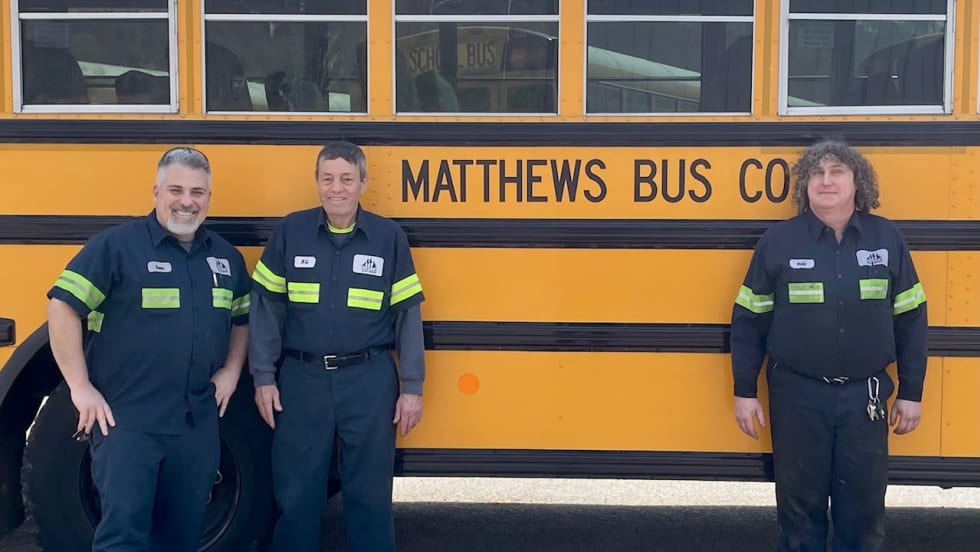
Pennsylvania School Bus Maintenance Team Praised for Dedication to Safety
Matthews Bus Company’s West Jefferson received a letter of commendation from the Pennsylvania State Police for their fleet inspections.
Read More →
From Chaos to Clarity: How School Districts Are Running Leaner Transportation Operations
Covering 38 routes on a Friday afternoon. Buses idling while routes overlap. Parents calling nonstop about late arrivals. Sound familiar? This whitepaper explores how district transportation leaders solved these exact problems — and what measurable results followed.
Read More →