





Now Online: April/May 2024 Digital School Bus Fleet Magazine
Zero-Emission Funding Delays Blamed for Latest Lion Electric Job Cuts
The Canada-based electric vehicle manufacturer is reducing its workforce by about 120 employees in overhead and product development functions.
April 19, 2024

The latest round of cuts, combined with previous actions, could save the company about $40 million annualized.
Source: Lion Electric, Canva
2 min to read
Electric vehicle manufacturer Lion Electric, which is based in Canada but also builds school buses at its plant in Illinois, is cutting about 120 positions to match “current market dynamics.”
The impact is primarily in the company’s Canadian operations in Quebec, in overhead and product development. Company officials blame the latest round of workforce reduction on uncertainty around Canada’s Zero-Emission Transit Fund (ZETF).
That fund, launched in 2021, allows carriers to apply for funds to pay for zero-emission school and transit buses. Lion received several orders for buses in various provinces through the ZETF. But a company spokesperson indicated that implementation has been slow and difficult.
“In addition to having to complete a complex process, transporters who have submitted their documents are awaiting responses,” said Lion’s Joyce Stewart. “The timetable is not known, and delays continue to accumulate.”
Besides job reductions, Lion also is shelving some research and development projects, focusing instead on the LionC and LionD school buses and the Lion5, Lion6, and Lion8T trucks.
“We continue to make progress towards the start of commercial production of the Lion8 Tractor, scheduled for this summer,” Stewart said. “We are concentrating our efforts on these products.”
The latest workforce reduction and cost-cutting measures announced this week, combined with cuts implemented in November 2023 and February 2024, could save Lion about $40 million per year.
“We sincerely regret the impact of this decision on our valued employees,” said Marc Bedard, CEO and founder of Lion, in a news release. “We remain confident in our long-term growth and that of our industry and, keeping our focus on our profitability objectives and our production requirements, we will continue to work tirelessly on the execution of our business plan.”
More Alternative Fuels

CALSTART and Forth Combine to Form Catalyst Mobility
The new name represents a renewed vision for the nonprofit focused on advancing clean, equitable, and affordable transportation solutions that move people and goods.
Read More →
Alt-Fuel Moves: New Buses, Charging Hubs & Real-World EV Testing
Propane and electric school bus deployments continue to grow as districts add new vehicles, expand charging infrastructure, and gather more real-world operating data.
Read More →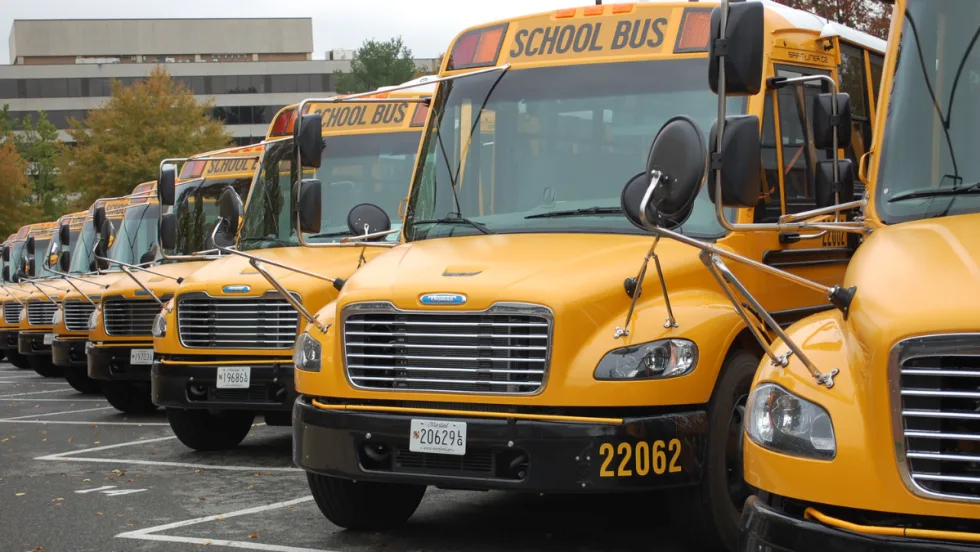
Fewer Electric School Bus Models Reshape the U.S. Market
WRI’s latest buyer’s guide points to a consolidating electric school bus market, but fewer options may reflect a maturing industry rather than fewer meaningful choices for school bus operators.
Read More →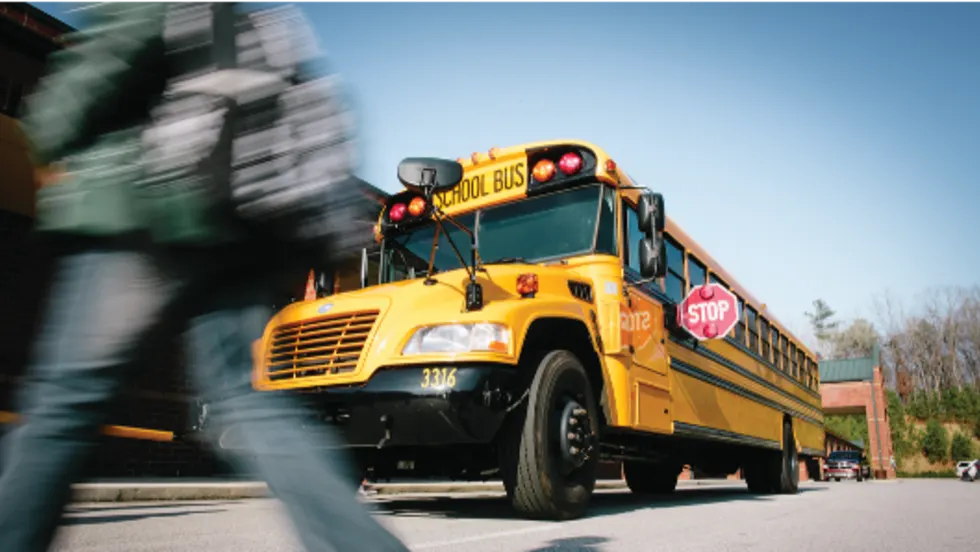
The Fuel Budget You Can Actually Predict: How Propane Autogas Keeps Money in the Classroom
Learn how propane autogas helps school districts manage fuel costs with predictable pricing, lower maintenance, and reduced emissions from former transportation director Joel Stutheit.
Read More →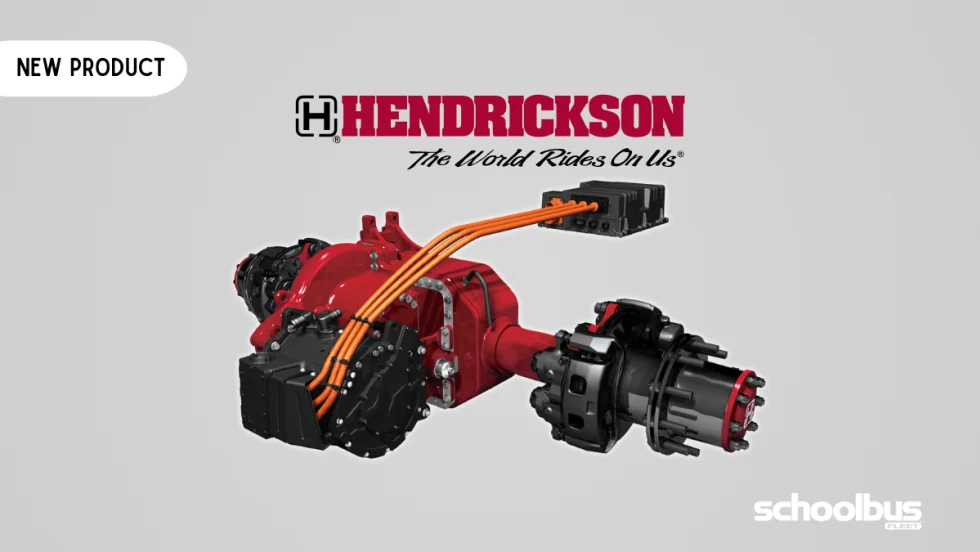
Hendrickson, Driventic Introduce New Electric Powertrain for School Buses
ELECTRAAX, the electrified, lightweight drive axle offers integrated ePowertrain efficiency and modular flexibility for Class 6–7 school bus use.
Read More →
The Mobility House Joins PowerFlex in Fleet Electrification Deal
The acquisition combines intelligent charging software, bidirectional charging expertise, and fleet electrification services to support the growing adoption of electric school buses across North America.
Read More →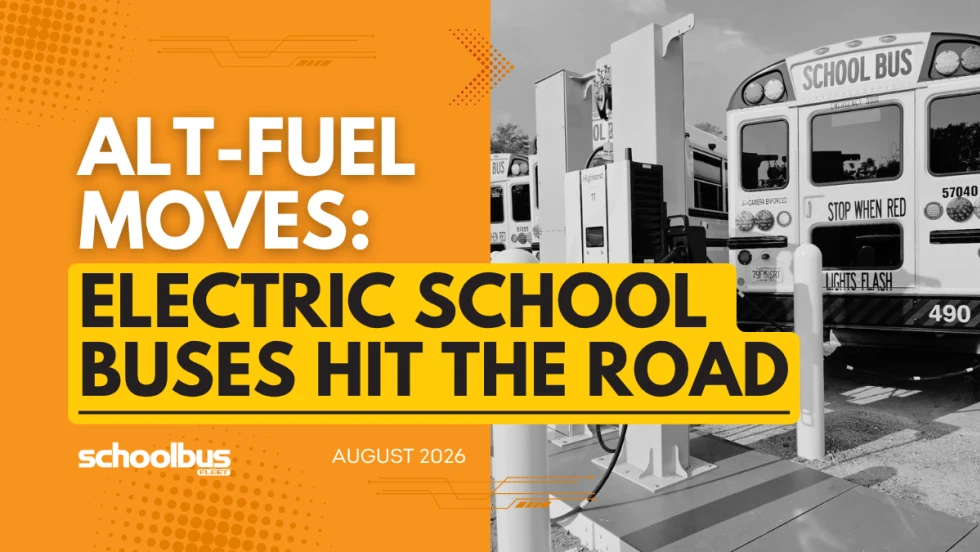
Alt-Fuel Moves: Electric School Bus Investments Hit the Road
See which districts across the U.S. are putting electric school buses into service, expanding charging infrastructure, and planning the next phase of fleet electrification.
Read More →
With Fuel Volatility Ahead, School Districts Turn to Propane
While diesel prices peaked above $5 this spring, districts with propane autogas-powered fleets paid under $2 per gallon, according to PERC.
Read More →
EPA Unveils Proposed Changes to 2027 Heavy-Duty Engine Rules
The federal agency has proposed changes to next year’s targets that would eliminate DEF derates, ease warranty requirements, and retain current NOx emissions standards.
Read More →
Alt-Fuel Moves: EV Charging & Infrastructure Projects Gain Momentum
The latest developments include new funding, charging infrastructure, utility investments, and fleet technologies designed to support the transition to electric school buses nationwide.
Read More →