





Industry Moves: Companies Expand Fleet Service & EV Infrastructure Footprints
Alt-Fuel Moves: New Buses, Charging Hubs & Real-World EV Testing
Propane and electric school bus deployments continue to grow as districts add new vehicles, expand charging infrastructure, and gather more real-world operating data.
September 3, 2026

School districts across the country are expanding alternative-fuel transportation with new propane and electric school buses, charging infrastructure, and real-world pilot programs.
Credit:
ROUSH CleanTech/School Bus Fleet
6 min to read
Recent moves in alternative fuel across school transportation include a new propane deployment in North Carolina, electric buses entering service in Idaho and Missouri, a second year of electric school bus testing in New Mexico, and a major charging hub supporting Colorado’s largest electric school bus fleet.
In this installment of Alt-Fuel Moves, we take a look at the latest deployments and infrastructure updates from Onslow County Schools, Boise School District, West County R-IV School District, GreenPower Motor Company, Denver Public Schools, and InCharge Energy.
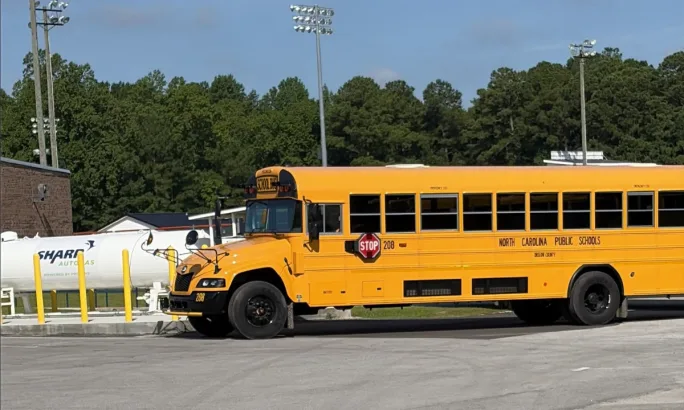
Onslow County Schools added six propane-powered Blue Bird school buses and a new on-site fueling station at Southwest High School.
Credit:
ROUSH CleanTech
Onslow County Schools Adds Six Propane Buses, New Fueling Station
Onslow County Schools in North Carolina has added six propane-powered Blue Bird school buses to its transportation fleet, along with a new on-site propane autogas fueling station at Southwest High School. The buses, equipped with ROUSH CleanTech propane fuel systems, will be based at the high school and begin transporting students during the 2026-27 school year.
The propane buses join a transportation operation with 219 daily-run buses, according to information provided to School Bus Fleet. The district previously operated one electric school bus before purchasing the new propane vehicles. For fuel, Onslow County Schools has a contract with Sharp Autogas based on the North Carolina state contract price.
“Providing safe and dependable transportation for our students will always be a priority,” said Dr. Chris Barnes, superintendent of Onslow County Schools. “These new buses give us an opportunity to pair that commitment with technology that can help us operate more efficiently and reduce the environmental impact of our transportation fleet. We are excited to put these buses on the road serving OCS students.”
Each bus uses a Ford 7.3-liter V8 engine paired with a ROUSH CleanTech propane system. The district’s new fueling station, developed with Sharp Energy, will allow the buses to fuel at their home base.
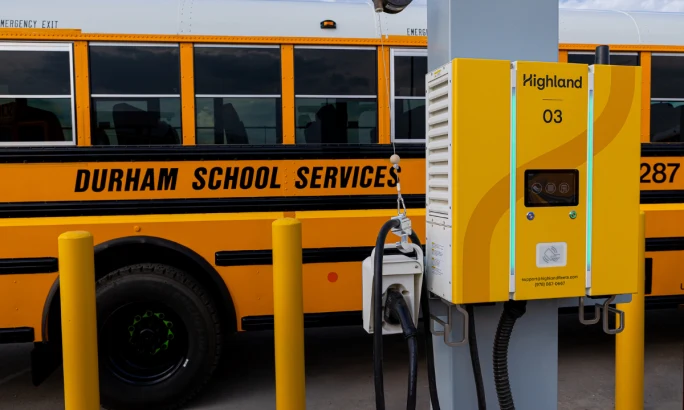
Durham School Services and Boise School District launches eight electric school buses for the 2026-27 school year, supported by funding from the EPA Clean School Bus Program.
Credit:
Durham School Services
Boise School District Launches Eight Electric School Buses
Boise School District put eight IC Bus electric school buses into service for the 2026-27 school year following nearly three years of planning. The district received $2.76 million through the U.S. Environmental Protection Agency’s Clean School Bus Program to support the buses and associated charging infrastructure.
The buses are being deployed with transportation provider Durham School Services and Highland Electric Fleets. Highland supported the vehicle and charging deployment and will provide long-term fleet management through its electrification-as-a-service model. The buses are expected to serve about 29 schools, with the district prioritizing areas where students may face greater exposure to traffic-related air pollution.
“Bringing these eight electric school buses into service is an important investment in modernizing student transportation, being good neighbors by using public resources responsibly and building a more sustainable future for our community,” said Boise School District Superintendent Wendy Johnson.
The August 26 rollout fulfills a plan first announced in 2024, when Boise School District said integrating the buses would take about 18 months and targeted the 2026-27 school year for deployment.
Missouri District Adds Seven Electric School Buses
West County R-IV School District in Missouri has moved forward with seven new electric school buses after receiving nearly $3.48 million through the Eastern Missouri Alliance for Clean Transportation and Ameren.
The award funded six 70-passenger 2026 Blue Bird Vision electric buses along with a 58-passenger model that can be modified with a wheelchair lift for special education transportation. The district had previously purchased an electric school bus, giving it experience with the technology before this larger expansion.
According to Superintendent Levi Rawson, each electric bus costs about $415,800, and the grant covers the purchase. The buses include a five-year warranty covering most components and an eight-year battery warranty.
The latest deployment represents a significant shift for a relatively small transportation operation: historical state inspection records show West County operating a fleet in the low teens, meaning the seven-bus addition could make electric vehicles a substantial portion of the district’s school bus operation.
GreenPower Begins Year Two of New Mexico Electric School Bus Pilot
GreenPower Motor Company is beginning the second year of New Mexico’s two-year all-electric school bus pilot, moving from Type A buses to the company’s larger Type D BEAST models for the 2026-27 school year.
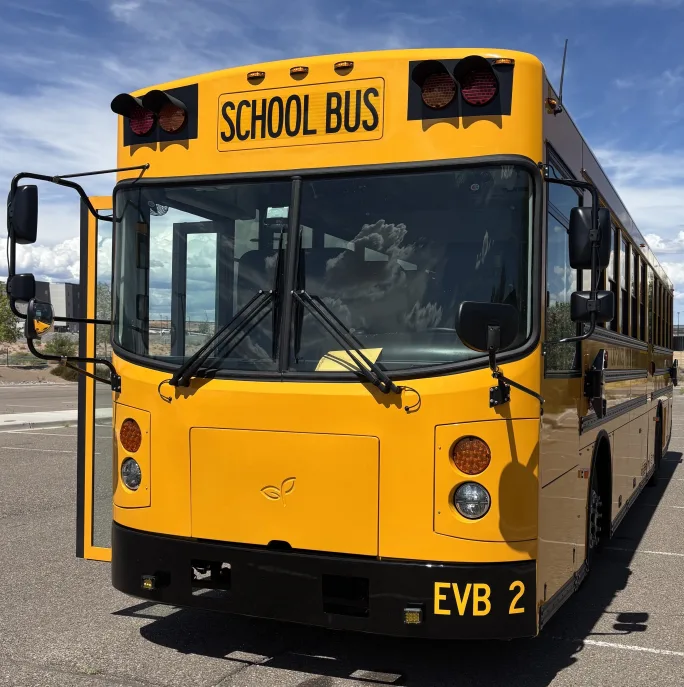
GreenPower’s Type D BEAST electric school buses are taking center stage in year two of New Mexico’s statewide pilot, building on more than 17,000 miles traveled during the program’s first year.
Credit:
GreenPower
Two BEAST buses will rotate among school districts across the state, while a third will remain with West Las Vegas Schools for the vehicle-to-grid portion of the pilot. During year one, nine districts tested three Type A Nano BEAST school buses. Those vehicles accumulated more than 17,000 miles, with GreenPower reporting examples of buses traveling as far as 132 miles on a charge.
“Building on a successful year one of the New Mexico pilot project, GreenPower is looking forward to the deployment of its Type D BEAST school bus across the state for the 2026-2027 school year. Two BEAST school buses will rotate around the state, and the third will be deployed for the school year in West Las Vegas for the V2G portion of the pilot,” said GreenPower President Brendan Riley.
The first year also highlighted challenges beyond vehicle range. GreenPower said electrical infrastructure, particularly in rural areas, emerged as the project’s biggest issue. Feedback around cabin heating and early-morning charging also led the manufacturer to develop a cold-weather package with additional electric heating and heated battery packs, which is now standard on the Nano BEAST.
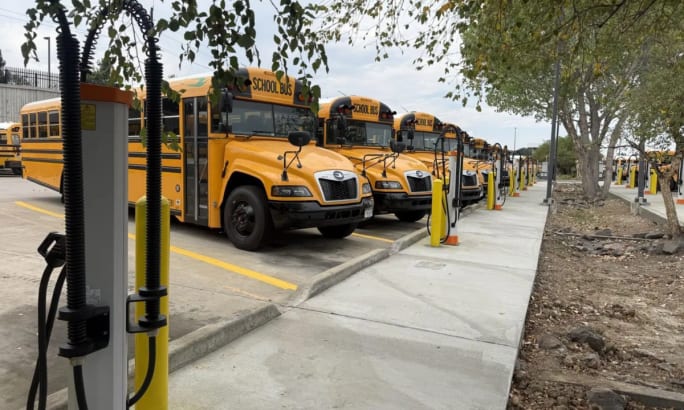
Denver Public Schools’ new 26-plug charging hub supports the district’s growing fleet of 28 electric school buses, now the largest electric school bus fleet in Colorado.
Credit:
Kempower
Denver Public Schools Opens 26-Plug Electric Bus Charging Hub
Denver Public Schools has installed a new 26-plug charging hub at its Hilltop Bus Terminal to support a fleet of 28 electric school buses, which the district said is now the largest electric school bus fleet in Colorado.
The district recently added 25 Blue Bird Vision electric buses to three already in operation. Together, the 28 buses represent about 12% of DPS’ yellow school bus fleet. Winn-Marion led the charging infrastructure project, with Kempower providing the hardware and PowerFlex managing smart charging and energy use.
The depot uses 13 dual-port Kempower Satellite dispensers connected to a distributed charging system with 650 kW of total capacity. Rather than assigning the same amount of power to every vehicle, the system can dynamically distribute available power based on individual charging needs and route requirements.
“Electrifying a school bus fleet requires charging infrastructure that works around the realities of daily transportation schedules,” said Kempower North America President Monil Malhotra. “Kempower technology keeps electric school buses charged, ready, and on the road, helping Denver Public Schools deliver reliable, cleaner transportation for students every day.”
DPS estimates electricity will cost about $1,900 annually per electric bus compared with approximately $6,800 for diesel. However, the district said it does not yet have enough operating data to make a full lifetime-cost comparison between the technologies.
In Case You Missed It: InCharge Energy Expands Service Footprint
Charging provider InCharge Energy has opened a new Dallas-Fort Worth Sales & Service Office, expanding its Texas presence with localized sales, field service, customer support, and lifecycle services.
The regional hub will support projects including EV charging infrastructure, electrical systems, solar, battery energy storage, and microgrids as InCharge expands its nationwide service network.
More Alternative Fuels
Bipartisan Bill Seeks to Extend Clean School Bus Program Through 2031
The proposed legislation would renew federal support for cleaner school buses as districts navigate funding uncertainty, rising fuel and infrastructure costs, and fleet replacement needs.
Read More →
Alt-Fuel Moves: Electric Bus Rollouts, Bidirectional Charging & Propane Growth
See which fleets are adding electric and propane school buses as districts and operators invest in charging infrastructure, bidirectional technology, and alternative-fuel expansion.
Read More →
Nobody Told Diesel Prices They Were Supposed to Come Down
With diesel prices surging, school bus fleets have new reason to stress-test fuel costs, consider diversification, and calculate what each route really costs to operate.
Read More →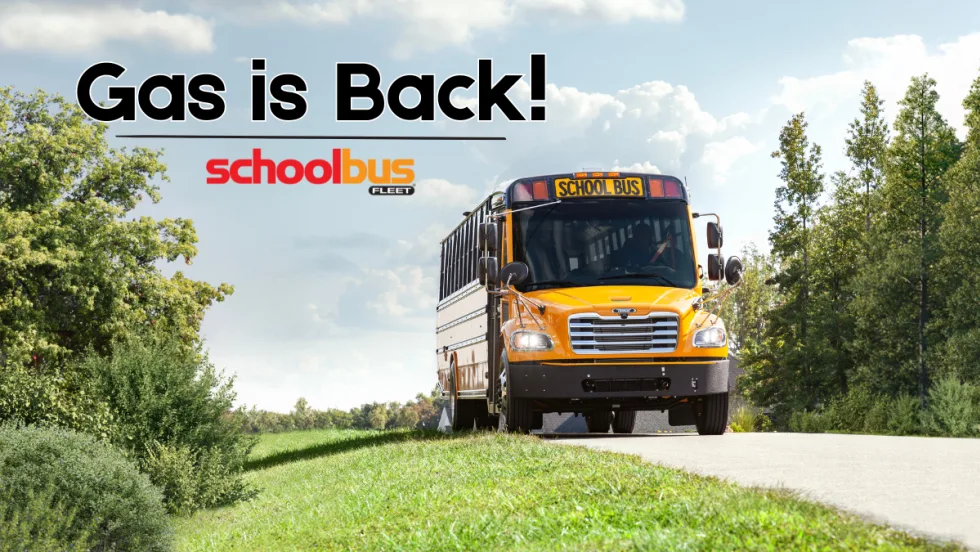
Why Gasoline School Buses Are Making a Comeback
Gasoline is gaining ground in full-size school buses. See how today’s options stack up against diesel on cost, maintenance, emissions, performance, and more.
Read More →
EPA Opens $180M DERA Funding Round for Diesel Upgrades
The 2026 Diesel Emissions Reduction Act program seeks applications from eligible organizations to accelerate the retirement of legacy diesel vehicles.
Read More →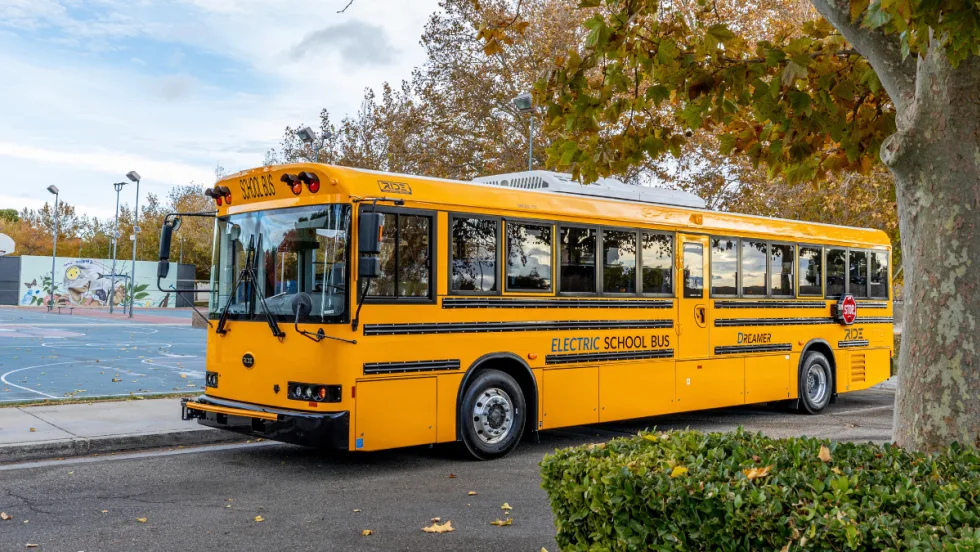
The Secret Life of an Electric School Bus Battery
Batteries change throughout years of daily routes, but degradation doesn’t necessarily mean the end. Here’s what operators should know about performance, safety, and second life.
Read More →
CALSTART and Forth Combine to Form Catalyst Mobility
The new name represents a renewed vision for the nonprofit focused on advancing clean, equitable, and affordable transportation solutions that move people and goods.
Read More →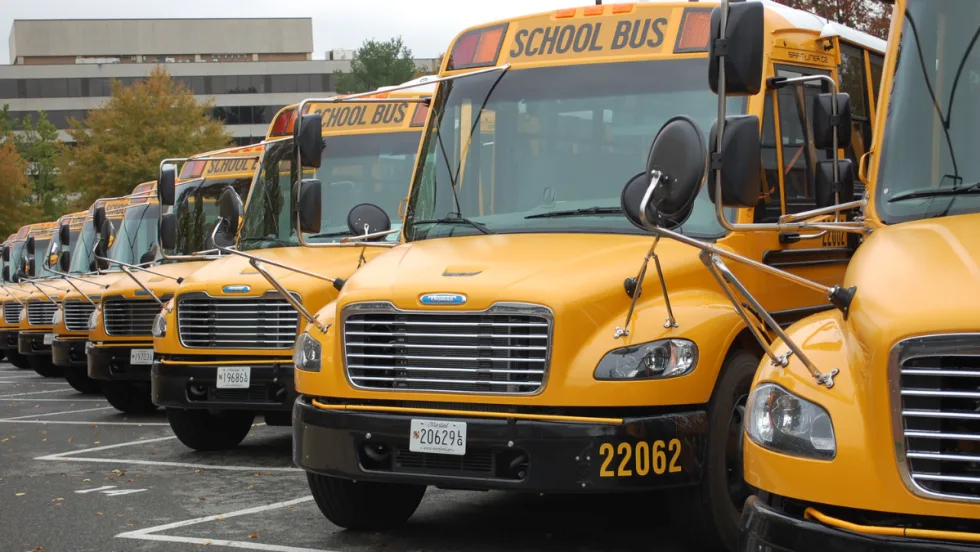
Fewer Electric School Bus Models Reshape the U.S. Market
WRI’s latest buyer’s guide points to a consolidating electric school bus market, but fewer options may reflect a maturing industry rather than fewer meaningful choices for school bus operators.
Read More →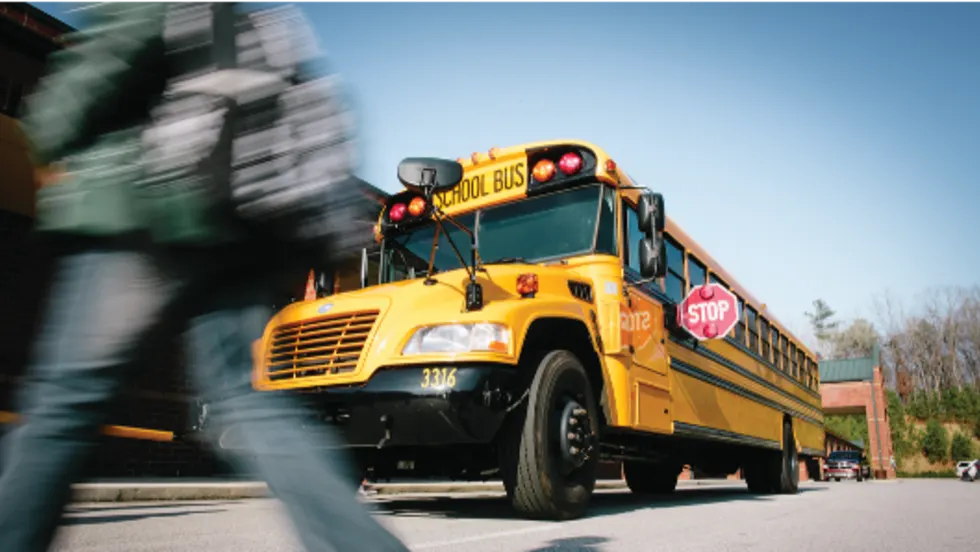
The Fuel Budget You Can Actually Predict: How Propane Autogas Keeps Money in the Classroom
Learn how propane autogas helps school districts manage fuel costs with predictable pricing, lower maintenance, and reduced emissions from former transportation director Joel Stutheit.
Read More →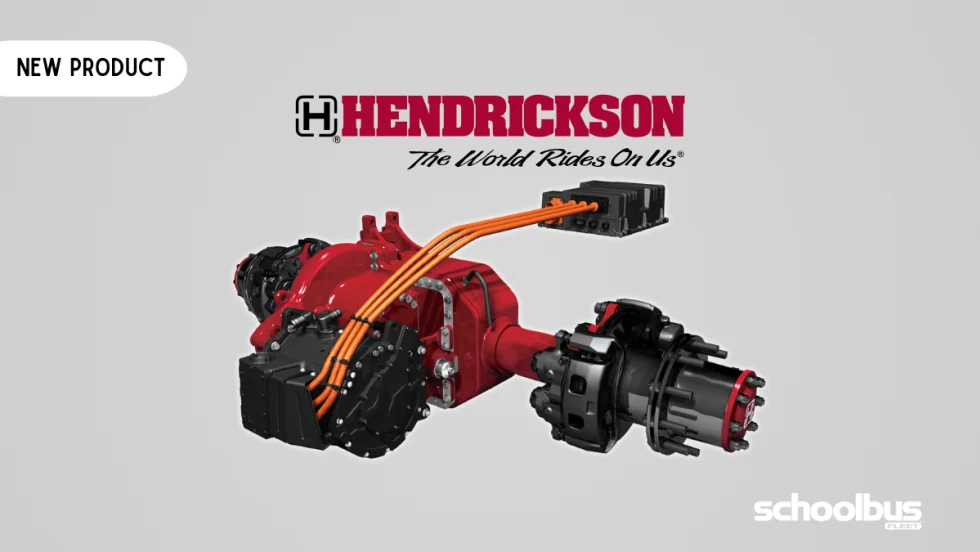
Hendrickson, Driventic Introduce New Electric Powertrain for School Buses
ELECTRAAX, the electrified, lightweight drive axle offers integrated ePowertrain efficiency and modular flexibility for Class 6–7 school bus use.
Read More →