





Read More: Parts, Pay, and Propane: What’s Changing in School Bus Maintenance
Electric Buses in The Shop: How to Be Prepared for EV Maintenance
While electric buses may look the same as traditional buses, there are several things to consider when it's time to look under the hood. From safety to getting under the bus here are some things to be aware of when setting up for EV maintenance.
March 6, 2025
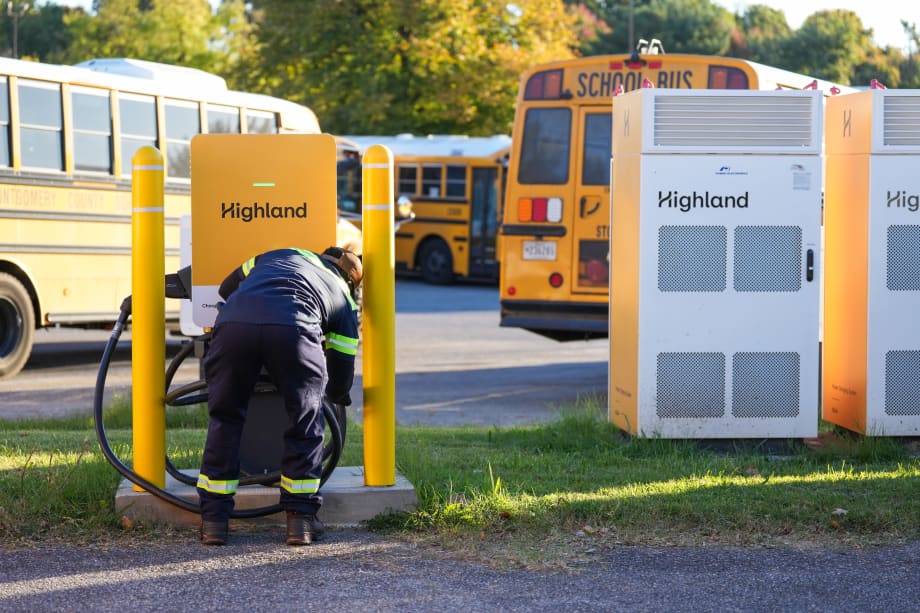
Highland Electric Fleets is one of many suppliers that can help you maintain your charging systems and electric school buses.
Photo: Highland Electric Fleets
8 min to read
Maintaining vehicles is an important part of any student transportation operation. However, as new technologies become available maintenance requirements are changing.
One of the biggest impacts to vehicle maintenance in recent years has been the rise of electric vehicles. With fundamental differences between a traditional internal combustion engine (ICE) and purely electric engines there are a variety of things to pay attention to when performing maintenance on the two types of vehicles.
The Main Difference
The biggest difference between electric vehicles and vehicles with an ICE is the number of moving parts involved.
When it comes to ICEs technicians have to pay attention to several components in the engine, as well as several systems that support the engine. Checking and maintaining the various filters that are required for an ICE to run smoothly takes time, and while potentially simple do add to the costs of maintaining the vehicle.
Electric vehicles and buses do not have as many moving parts, meaning there are less components that need frequent replacements. Maintenance for these vehicles typically involves making sure the brakes, various electrical cables and components, and vehicle itself are in good shape.
While there are still components to replace on a set schedule, preventative maintenance intervals can be further apart than with an ICE vehicle. The difference in moving parts allows electric vehicles to remain on the road for longer periods of time before needing to be brought into the shop.
ICE vehicles include fluids that need consistent replacement, such as oil, or transmission fluids. Meanwhile, electric vehicles rarely need maintenance done on their electrical systems, as any wear and tear is caused by heat instead of friction.
The difference in the types of components that need maintenance can also play a role in how to keep your crew safe.
“When moving to electric vehicles from ICE vehicles the biggest change that needs to be made for maintenance is safety,” said Clifford Harrell, transportation maintenance supervisor at Beaverton School District, Oregon. “With electric vehicles you are looking at working voltage between 500-volt DC and 800-volt DC. An understanding of what to touch and not touch, and if there is a need to touch a high voltage cable or component, and how to properly handle it.”
Differences When Lifting Buses

While electric and traditional buses may look similar or the same at first glance, the frames for the two types of buses can be built differently.
The two types of engines often have buses designed around them to meet the needs for weight distribution and supporting differing stress points. The batteries on an electric bus are often where most of the engine’s weight is found, while ICEs utilize heavier mechanical components such as transmission systems and the engine itself.
These differences in where the weight must go for the different engine types change where the bus’s frame needs to be strongest, as well as where they want the frame itself to have more or less weight to achieve an even weight distribution.
It is also important to note that electric buses tend to be heavier overall due to the batteries.
These factors can lead to unexpected challenges when trying to lift a bus to perform maintenance on its underside.
“Some of our EV vehicles do not have frame rails and do not have the normal lifting points we would utilize with our in-ground lifts,” said Harrell. “So we have had to adapt to get the vehicles in the air with our current equipment.”
Keeping Things Charged
When it comes to electric buses, maintaining the charging infrastructure is just as important as keeping the buses in good condition.
While schools with diesel buses may have on site fueling for their fleet, there is easy access to third party fueling stations if their pumps are having issues. Currently, finding charging stations for electric vehicles is not as simple.
An electric bus without a charge won’t go anywhere quickly, so keeping chargers up and running is critical to maintaining an electric fleet. Knowing who to call, be it an in-house technician or someone from the charger vendor, when having problems with charging infrastructure can help in case problems arise.
If possible, getting hands on training for on-site technicians from the charging vendor will play an important role when it comes to maintaining the chargers. Being able to check the chargers to see if there is a potential problem developing can prevent downtime and help keep the buses rolling.
Specialized Tools
When switching over to electric vehicles for school transportation there are some significant investments that are needed in order to be able to properly maintain the vehicles.
The buses themselves and charging infrastructure are often an investment in themselves, and much safety equipment is necessary for technicians to inspect and work on electric vehicles.
Due to being in close proximity to high voltage electric systems, special gloves, body covers, and face shields are necessary to prevent electrocution. In addition, meters and tools that can stand up to high voltage power systems are needed.
One thing that is easily overlooked is the need for barriers that block access to areas where high voltage work is being conducted. These barriers are important for preventing accidents due to somebody getting to close to a high voltage system that is being worked on.
“You are looking at Class 0 Electric Vehicle gloves with leather covers, arc rates face shields, barriers to cordon off where high voltage work is being done, high voltage multimeters, and insulated tools,” said Harrell. “The safety equipment and personal protective equipment should be the first priority. Then you would be looking at how to get the vehicles in the air and what equipment you have to possibly lift some of the heavy high voltage components safely.”
Once the safety equipment is taken care of, getting specialized equipment for lifting the heavier components of electric vehicles safely and the buses themselves can be looked into.
Another thing that is useful to have in the shop is a charger or two to help keep the buses charged while working on them or when you need to run checks on the electrical systems.
Training Technicians

All the equipment to work on electric vehicles won’t help much if none of your technicians have received the proper training.
Helping your staff get the appropriate training and certifications is just as important as supplying them with the proper equipment.
While ICE vehicles require knowledge of mechanical systems with moving parts, this information does little good when moving to electric vehicles. As electric vehicles contain only a few mechanical systems, maintenance technicians will need to be well informed about working on high voltage systems.
A supervisor or lead technician with a NFPA 70E certification can go a long way in preparing your crew to work on electric buses. Safety training for working on high voltage systems in electric vehicles is also a necessity.
Having a good relationship with the OEM’s and suppliers can also open up training opportunities. Beyond that, having a good relationship with them can help with warranties or other issues that arise.
One important difference when working on electric vehicles, especially high voltage systems, is that having a second technician nearby can save lives. While ICE technicians can often work on the engine on their own, the risk of electrocution makes having someone on standby with a non-conductive hook worthwhile.
Getting the Right Tires
One thing that you will need for both ICE and electric vehicles is tires. While at a glance the tires for both types of buses look the same, there are a number of technical differences that need to be considered if you want to get the most out of your electric buses.
The batteries of electric school buses are the main reason once again for differences in the buses. Due to their weight, electric school buses tend to have a heavier total weight than ICE buses. This requires tires that can support higher weights for electric school buses.
Where the batteries are built into the bus can also play a role in tire selection. For example, when the batteries are included in the front of the bus you may want to put stronger, broader front tires on the vehicle to help them stand up to the stress.
Range for electric vehicles is always a top concern, and using the right tires can help maximize the distance your bus can go. Having tires with a lower rolling resistance can help get the most out of each charge. Diesel vehicles don’t have to worry about this as much due to the constant fuel consumption of an ICE.
Something all buses can benefit from when purchasing tires is considering the road conditions a bus will be traveling on. Buses in urban areas will benefit from tires that can handle stop and go traffic.
Long Term Benefits to Electric
Electric buses are a new, consistently evolving, technology that require a very different approach when it comes to maintenance. While they may look similar, or even identical to, diesel buses on the surface there are several fundamental differences that can affect the maintenance process.
There are definite maintenance benefits to electric buses, from less required downtime to savings on parts costs.
“We currently have 42 EV vehicles in our fleet, 76 chargers that we maintain and 58 more EV vehicles on order,” said Harrell. “Maintaining our EV fleet has been refreshing when we look at the labor time saved and parts cost. I would say go into it with an open mindset and the ability to be flexible when problems arise.”
As with all things regarding electric buses currently, the upfront cost is the biggest hurdle to overcome. However, what is paid upfront can be made up for in the long run with less man hours spent on routine maintenance tasks like oil changes.
Regardless of if your district has electric, diesel, or another fuel type in their fleet, having the right skills and tools to work on those vehicles is key to keeping everything maintained.
Subscribe to Our Newsletter
More Maintenance
Sponsored•September 8, 2026
The Essential Guide to School Bus Maintenance and Student Safety
Your district's buses carry students to school every day. This guide shows how predictive maintenance powered by fleet data helps keep buses reliable, drivers accountable and students safer from the first bell to the last stop.
Read More →
Kerry Brothers Grows Michigan School Bus Repair Network
The acquisition of Downriver Truck and Bus expands Kerry Brothers’ school bus maintenance footprint across southeast Michigan, adding repair capacity, diagnostic resources, and state inspection support.
Read More →
Noregon Introduces CAN Bus Diagnostic Tool, Expands JPRO Features
CAN Mentor and the latest JPRO update aim to simplify vehicle network diagnostics and improve repair efficiency for technicians of all experience levels.
Read More →
Cummins on Smarter, Simpler Engine Innovation
Cummins discusses its first-ever gasoline engine for school buses, EPA 2027, and why bus fleets still want durable, simpler internal combustion options.
Read More →
Report: 72% of Diesel School Buses Now Use Advanced Low-Emission Engines
New data shows advanced low-emission diesel technology continues expanding across school bus fleets, even as electric bus adoption gains momentum.
Read More →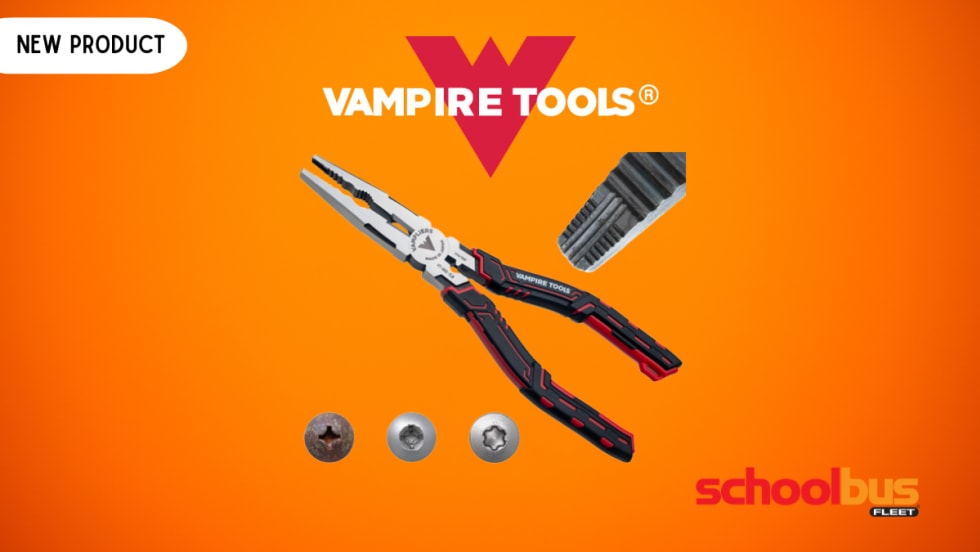
Vampire Tools' CAIMAN 7.5-Inch Multi-Purpose Screw Extractor Long-Nose Pliers with Crimper
Vampire Tools introduced the VAMPLIERS Caiman 7.5-inch multi-purpose pliers, combining screw extraction, cutting, crimping, and gripping functions into a single tool designed for fleet maintenance professionals.
Read More →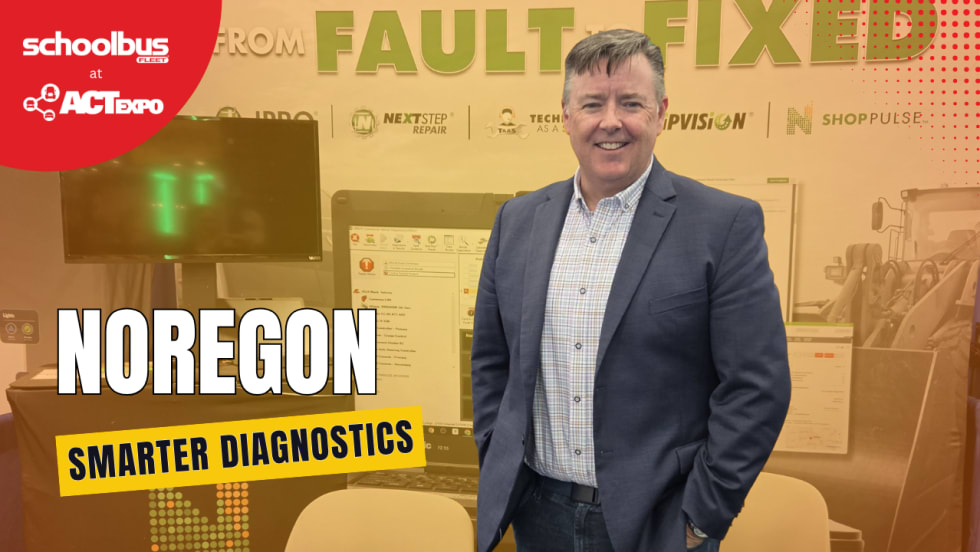
How Advanced Diagnostics Helps Bus Fleets Stay Ahead of Repairs
Chat with Noregon’s Kevin Smallhorn at ACT Expo about bus diagnostic tools, telematics integration, CNG maintenance support, and strategies to help reduce downtime and improve uptime.
Read More →
How School Bus Fleets are Getting Ahead of Breakdowns
Don’t let bus downtime wear you down. Here’s how bus operators are shifting from manual processes to AI-powered, data-driven maintenance systems for improved reliability and safety.
Read More →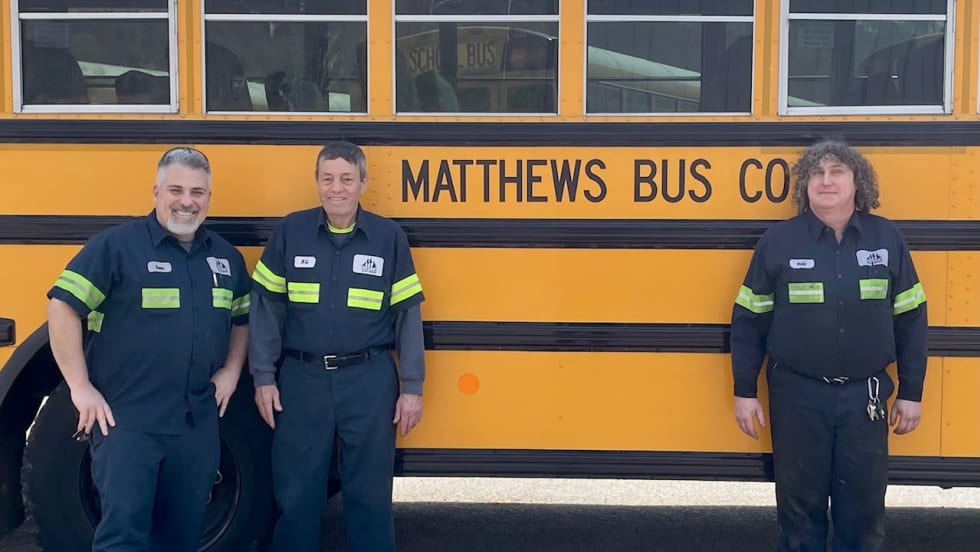
Pennsylvania School Bus Maintenance Team Praised for Dedication to Safety
Matthews Bus Company’s West Jefferson received a letter of commendation from the Pennsylvania State Police for their fleet inspections.
Read More →
Sponsored•April 16, 2026
From Chaos to Clarity: How School Districts Are Running Leaner Transportation Operations
Covering 38 routes on a Friday afternoon. Buses idling while routes overlap. Parents calling nonstop about late arrivals. Sound familiar? This whitepaper explores how district transportation leaders solved these exact problems — and what measurable results followed.
Read More →