





Keep Reading: Survey Shows 87% of Parents Support Low-Emissions School Buses
Applications Open for Propane Autogas Skills Grant Program
With alternative fuels on the rise, PERC’s grant program helps schools prepare students for careers maintaining low-emission fleets through hands-on training and equipment funding.
November 6, 2025
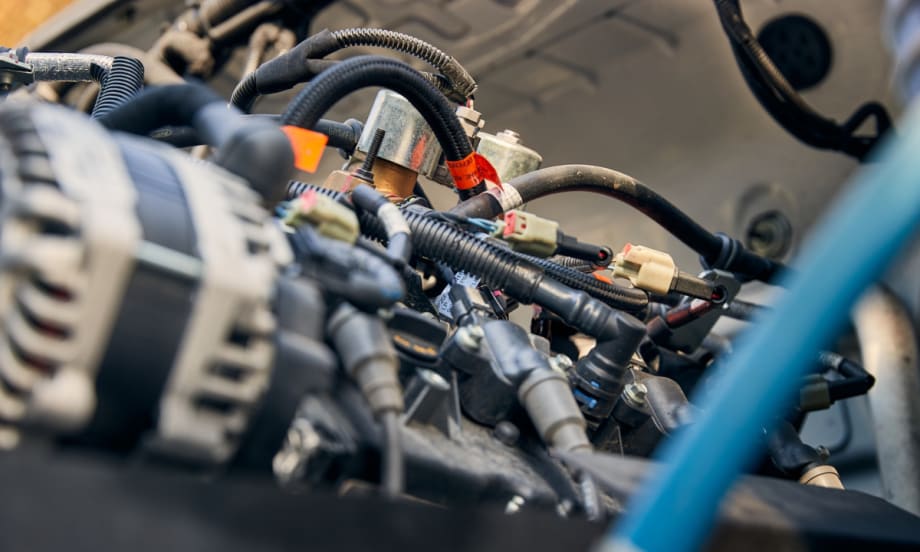
Now in its second year, the Propane Autogas Vehicle Inspection Grant Program has already supported 24 schools in 16 states.
Photo: Propane Education & Research Council
2 min to read
As schools incorporate new energy sources into their bus fleets, the industry requires skilled technicians to maintain alternative fuel vehicles, such as those powered by propane autogas.
Discover how your school can benefit from the Propane Autogas Vehicle Inspection Grant Program, offered by the Propane Education & Research Council (PERC), which provides training and resources to prepare students to work on propane autogas vehicles such as buses, trucks, vans, and more.
According to a release, the grant program provides U.S. educational institutions with up to $7,500 in funding to integrate propane-specific curriculum and equipment into their existing automotive training programs.
The goal? Provide students with real-world experience in maintaining propane autogas vehicles, a skill increasingly in demand as more fleets pursue sustainability.
“The Propane Autogas Vehicle Inspection Grant Program gives students an opportunity to learn these technologies in-depth, preparing them for successful careers after graduation, supporting fleets that are increasingly turning to propane autogas,” said Joel Stutheit, senior manager of autogas business development at PERC. “This program also supports fleet owners by building a pipeline of talented and qualified technicians who can keep propane autogas trucks, vans, and buses on the road for years to come.”
How the Propane Grant Program Benefits Schools
Now in its second year, the grant program has already supported 24 schools in 16 states, training hundreds of students to inspect, service, and maintain propane autogas engine systems.
Each school gets a propane-specific curriculum, funding for propane autogas equipment, and support to send an instructor to a 'Train the Trainer' course. Eligible schools must already offer automotive programs.
According to the release, over 60,000 propane autogas vehicles are in operation across the country in school transportation, transit agencies, delivery companies, emergency response fleets, utility crews, and more.
Propane is considered a “clean” alternative fuel, “producing up to 96% fewer nitrogen oxide (NOx) emissions than diesel. It offers lower fuel and maintenance costs, supports better air quality, and contributes to more consistent uptime.”
“Enhanced curricula made possible by the Propane Autogas Vehicle Inspection Grant Program have given both students and schools a leg up,” Stutheit said. “Schools are able to expand their course offerings without increasing costs to students, while students gain new, valuable skill sets that position them for long-term success in a rapidly changing transportation industry.”
Applications are open until December 19. For details or to apply, visit propane.com/autogasgrantprogram.
More Alternative Fuels

CALSTART and Forth Combine to Form Catalyst Mobility
The new name represents a renewed vision for the nonprofit focused on advancing clean, equitable, and affordable transportation solutions that move people and goods.
Read More →
Alt-Fuel Moves: New Buses, Charging Hubs & Real-World EV Testing
Propane and electric school bus deployments continue to grow as districts add new vehicles, expand charging infrastructure, and gather more real-world operating data.
Read More →
Fewer Electric School Bus Models Reshape the U.S. Market
WRI’s latest buyer’s guide points to a consolidating electric school bus market, but fewer options may reflect a maturing industry rather than fewer meaningful choices for school bus operators.
Read More →
The Fuel Budget You Can Actually Predict: How Propane Autogas Keeps Money in the Classroom
Learn how propane autogas helps school districts manage fuel costs with predictable pricing, lower maintenance, and reduced emissions from former transportation director Joel Stutheit.
Read More →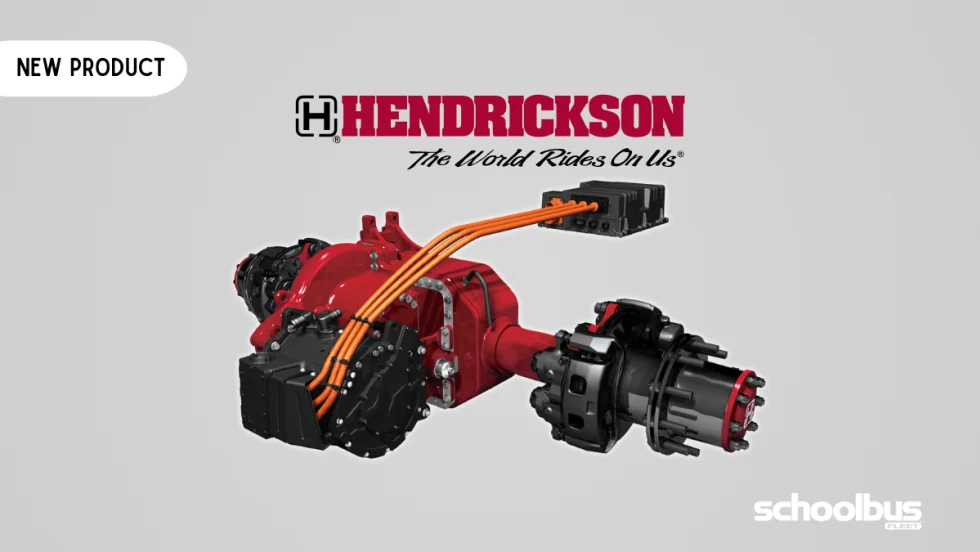
Hendrickson, Driventic Introduce New Electric Powertrain for School Buses
ELECTRAAX, the electrified, lightweight drive axle offers integrated ePowertrain efficiency and modular flexibility for Class 6–7 school bus use.
Read More →
The Mobility House Joins PowerFlex in Fleet Electrification Deal
The acquisition combines intelligent charging software, bidirectional charging expertise, and fleet electrification services to support the growing adoption of electric school buses across North America.
Read More →
Alt-Fuel Moves: Electric School Bus Investments Hit the Road
See which districts across the U.S. are putting electric school buses into service, expanding charging infrastructure, and planning the next phase of fleet electrification.
Read More →
With Fuel Volatility Ahead, School Districts Turn to Propane
While diesel prices peaked above $5 this spring, districts with propane autogas-powered fleets paid under $2 per gallon, according to PERC.
Read More →
EPA Unveils Proposed Changes to 2027 Heavy-Duty Engine Rules
The federal agency has proposed changes to next year’s targets that would eliminate DEF derates, ease warranty requirements, and retain current NOx emissions standards.
Read More →
Alt-Fuel Moves: EV Charging & Infrastructure Projects Gain Momentum
The latest developments include new funding, charging infrastructure, utility investments, and fleet technologies designed to support the transition to electric school buses nationwide.
Read More →