


Keep Reading: Fewer Electric School Bus Models Reshape the U.S. Market
Bipartisan Bill Seeks to Extend Clean School Bus Program Through 2031
The proposed legislation would renew federal support for cleaner school buses as districts navigate funding uncertainty, rising fuel and infrastructure costs, and fleet replacement needs.
October 14, 2026
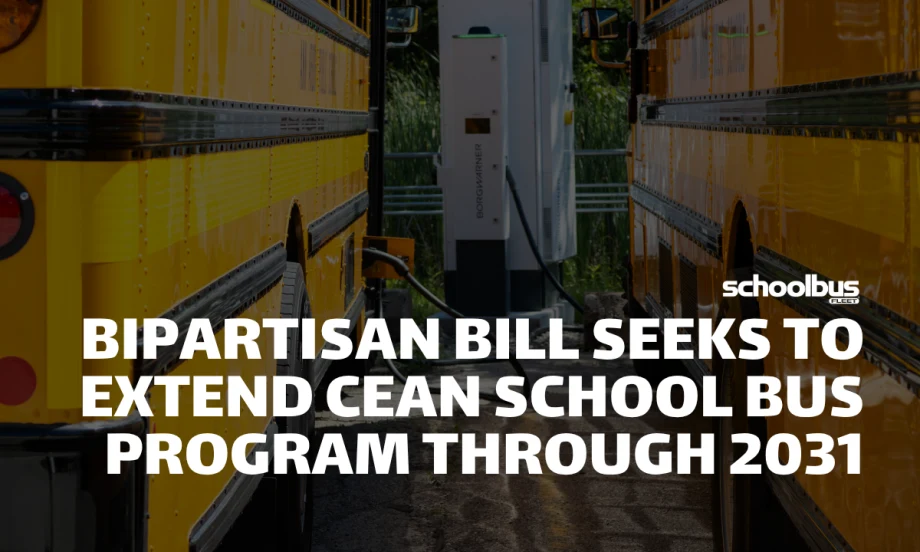
With over 1,800 applicants waitlisted, members of Congress are working to expand the Clean School Bus Program by extending funding to 2031 and allowing choice in replacing aging buses with environmentally conscious alternatives, not just electric ones.
Credit:
Durham School Services Ann Arbor
4 min to read
- A bipartisan bill has been introduced to extend the Clean School Bus Program until 2031.
- The legislation aims to provide continued federal support to help school districts with cleaner bus fleets.
- The bill addresses funding uncertainties, rising fuel costs, and the need for infrastructure improvements.
*Summarized by AI
A bipartisan group of lawmakers introduced legislation on October 9 to extend the federal Clean School Bus Program through 2031, potentially giving school districts continued support to replace aging buses with cleaner alternatives.
After a 45-day comment period gathering public input in early 2026 on what the next phase of the Clean School Bus Program will look like, Connecticut Congresswoman Jahana Hayes, Ohio Congressman Greg Landsman, and Georgia Congressman Buddy Carter have introduced the Clean School Bus Reauthorization Act.
The updated bipartisan legislation reauthorizes funding to help school districts nationwide replace traditional school buses with electric and alternative-fuel buses. The original program allocated $5 billion for five years through fiscal year 2026.
“Since I came to Congress in 2019, I have advocated for clean school bus funding,” Congresswoman Hayes, once a former educator, said. “The Clean School Bus Reauthorization Act will help to provide cleaner and healthier air for school children in Connecticut and across the country, support clean energy jobs, and protect our environment for decades to come.”
In 2026, the U.S. Environmental Protection Agency revealed a modified 2026 Notice of Funding Opportunity using the remaining $2.3 billion and announced a revamp to the Clean School Bus Program to expand support beyond electric school buses to include alternative fuel technologies such as natural gas-, biofuel-, and hydrogen-powered vehicles. The current reauthorization act aims to extend and re-fund the program through 2031.
“By extending the Clean School Bus Program, this legislation will give schools greater certainty as they plan for the future, replace aging buses, and make transportation decisions that best meet the needs of their communities,” Congressman Carter said. “I’m proud to co-lead this bipartisan effort to help ensure our schools have the tools they need to keep students moving safely and reliably.”
A Years-Long Push for Cleaner School Buses
Although the Clean School Bus Program was introduced through the Infrastructure Investment and Jobs Act (IIJA) and signed by former President Joe Biden in 2021, Hayes sparked its establishment through the Clean School Bus Act in 2019, which was meant to authorize up to $1 billion over five years for school districts, particularly those with lower-income students, to replace diesel school buses with electric school buses.
Hayes later introduced the Clean Commute for Kids Act in 2021, which aimed to invest $25 billion to replace existing diesel buses with electric counterparts. Ultimately, neither bill passed as a standalone bill. Instead, both were absorbed into one of the core concepts of the IIJA.
Over the years, Hayes has continued her involvement in furthering the transition to zero-emissions buses nationwide and in Connecticut, urging additional funding to be added for clean school bus replacement.
During fiscal year 2027 appropriations, Congresswoman Hayes led more than 120 of her colleagues in requesting $300 million for the Clean School Bus program.
School Bus Industry Voices Support for Reauthorization
The Clean School Bus Reauthorization Act, according to Hayes’ office, is endorsed by the American School Bus Industry Coalition, which includes Blue Bird, First Student, Beacon Mobility, National Express, Highland, GreenPower Motor Company, the National School Transportation Association, Student Transportation of America, and IC Bus.
Additional endorsers include the American Bus Association, the American Asthma and Allergy Foundation, the League of Conservation Voters, Moms Clean Air Force, the Sierra Club, the Union of Concerned Scientists, and the World Resources Institute’s (WRI) Electric School Bus Initiative.
“Kids’ health is not a partisan issue,” said Sue Gander, director of WRI’s Electric School Bus Initiative. “As this bill shows, there’s real enthusiasm on both sides of the aisle to give children the clean ride to school they deserve. This bipartisan support is no surprise, as 51% of school districts with electric school buses on the road or coming soon are in Congressional districts represented by Republicans.”
Gander noted that the number of electric school buses on the road today is 12 times higher than it was only five years ago. According to WRI, under the Clean School Bus Program, 91% of the buses school districts applied for were electric. Demand isn’t wavering either, as the organization cited more than 1,800 applicants waitlisted for program funds.
“It’s no wonder thousands of school districts have applied to the Clean School Bus Program, requesting more than $7.7 billion to modernize their fleets,” members and partners of the Alliance for Electric School Buses wrote in a statement. “The program’s popularity has led the EPA to nearly double amounts offered each round, yet demand remains strong.”
The organization highlighted environmental and humanitarian issues, such as “breathing in diesel fumes that trigger asthma attacks, harm brain development, lower test scores, and cause school absences,” which is “especially valuable” for overburdened communities that suffer disproportionately from pollution.
With diesel prices at record highs, Congress faces an important decision, especially given the higher upfront purchase prices and infrastructure investment required for battery-electric buses. However, if the past five years are any indication, federal funding can help alleviate the financial burden school districts face during the transition to alternative fuel vehicles.
More Alternative Fuels
Alt-Fuel Moves: Electric Bus Rollouts, Bidirectional Charging & Propane Growth
See which fleets are adding electric and propane school buses as districts and operators invest in charging infrastructure, bidirectional technology, and alternative-fuel expansion.
Read More →
Nobody Told Diesel Prices They Were Supposed to Come Down
With diesel prices surging, school bus fleets have new reason to stress-test fuel costs, consider diversification, and calculate what each route really costs to operate.
Read More →
Why Gasoline School Buses Are Making a Comeback
Gasoline is gaining ground in full-size school buses. See how today’s options stack up against diesel on cost, maintenance, emissions, performance, and more.
Read More →
EPA Opens $180M DERA Funding Round for Diesel Upgrades
The 2026 Diesel Emissions Reduction Act program seeks applications from eligible organizations to accelerate the retirement of legacy diesel vehicles.
Read More →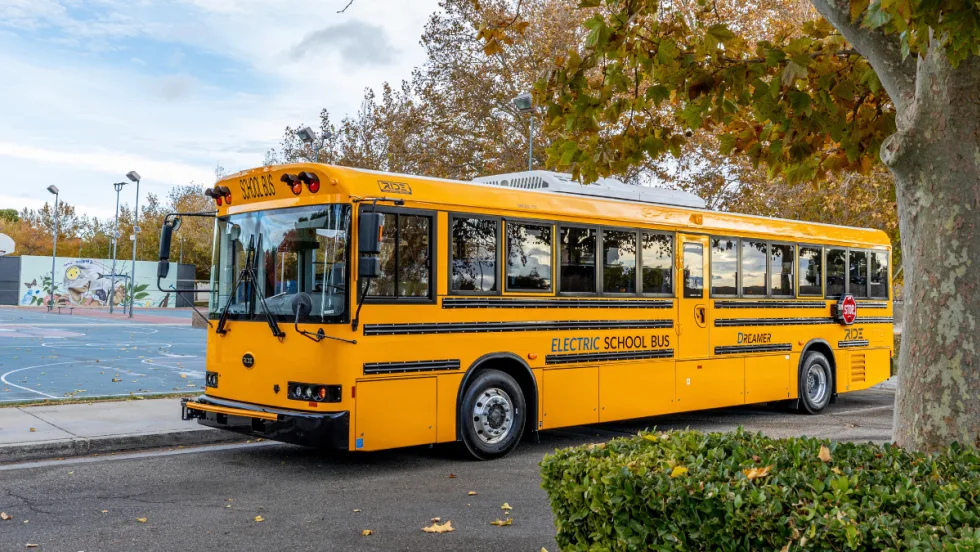
The Secret Life of an Electric School Bus Battery
Batteries change throughout years of daily routes, but degradation doesn’t necessarily mean the end. Here’s what operators should know about performance, safety, and second life.
Read More →
CALSTART and Forth Combine to Form Catalyst Mobility
The new name represents a renewed vision for the nonprofit focused on advancing clean, equitable, and affordable transportation solutions that move people and goods.
Read More →
Alt-Fuel Moves: New Buses, Charging Hubs & Real-World EV Testing
Propane and electric school bus deployments continue to grow as districts add new vehicles, expand charging infrastructure, and gather more real-world operating data.
Read More →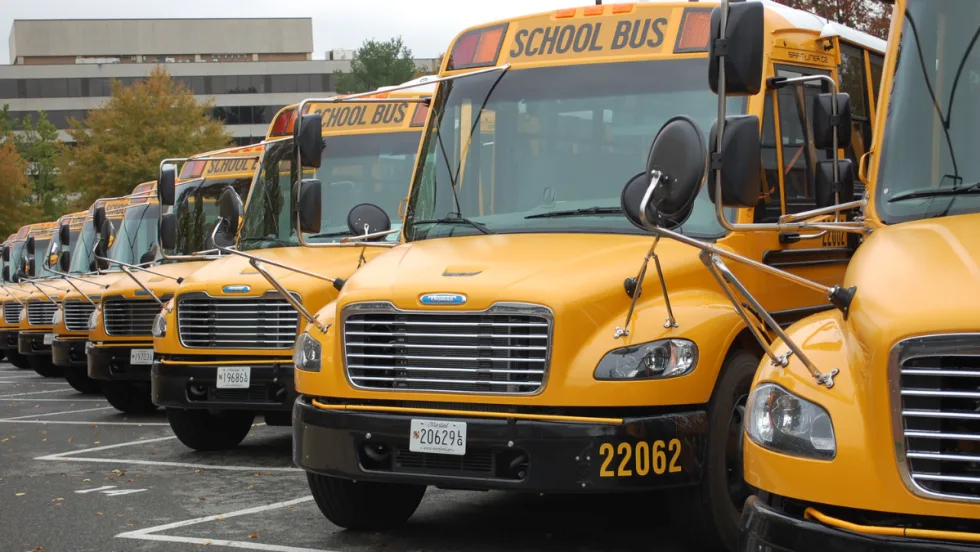
Fewer Electric School Bus Models Reshape the U.S. Market
WRI’s latest buyer’s guide points to a consolidating electric school bus market, but fewer options may reflect a maturing industry rather than fewer meaningful choices for school bus operators.
Read More →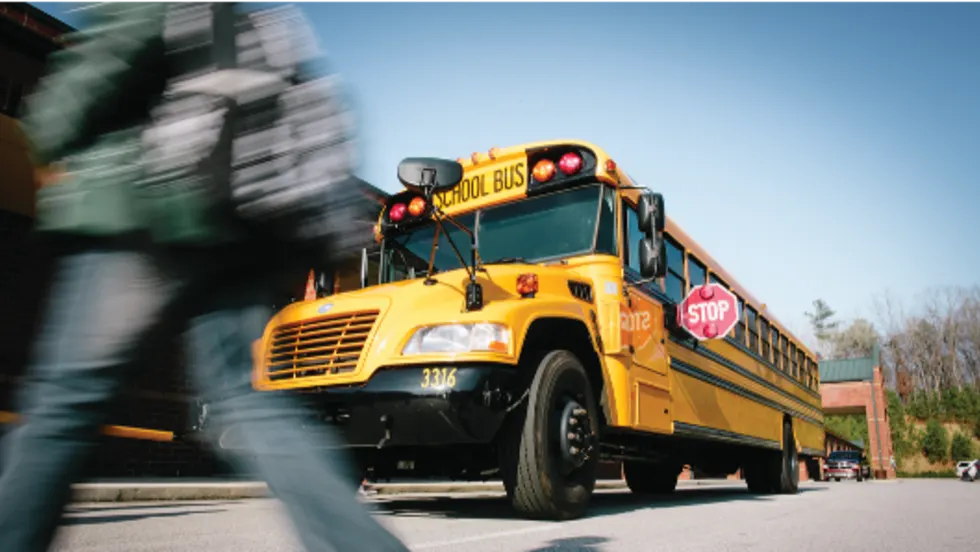
The Fuel Budget You Can Actually Predict: How Propane Autogas Keeps Money in the Classroom
Learn how propane autogas helps school districts manage fuel costs with predictable pricing, lower maintenance, and reduced emissions from former transportation director Joel Stutheit.
Read More →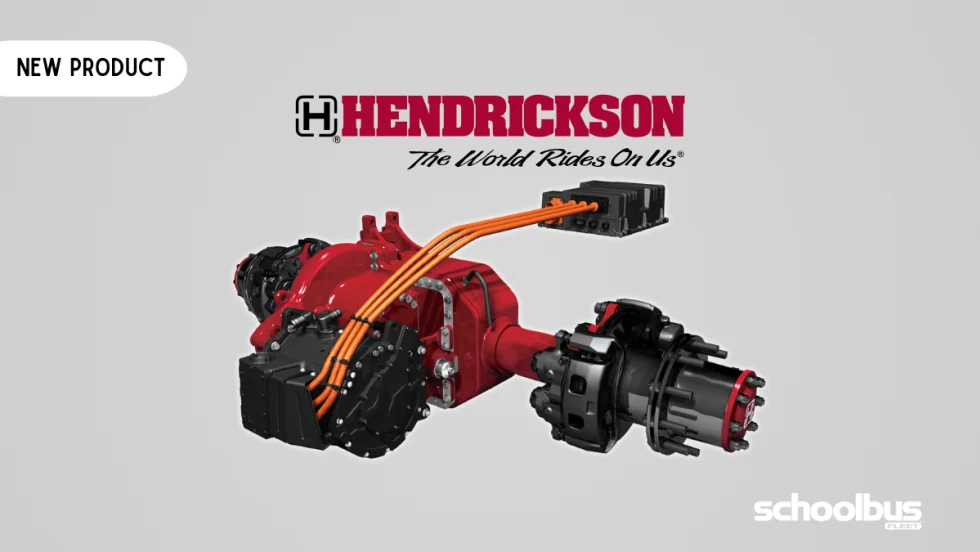
Hendrickson, Driventic Introduce New Electric Powertrain for School Buses
ELECTRAAX, the electrified, lightweight drive axle offers integrated ePowertrain efficiency and modular flexibility for Class 6–7 school bus use.
Read More →