





Looking Back: Partnership To Repower School Buses With Electric Drivetrains
Fewer Electric School Bus Models Reshape the U.S. Market
WRI’s latest buyer’s guide points to a consolidating electric school bus market, but fewer options may reflect a maturing industry rather than fewer meaningful choices for school bus operators.
August 24, 2026
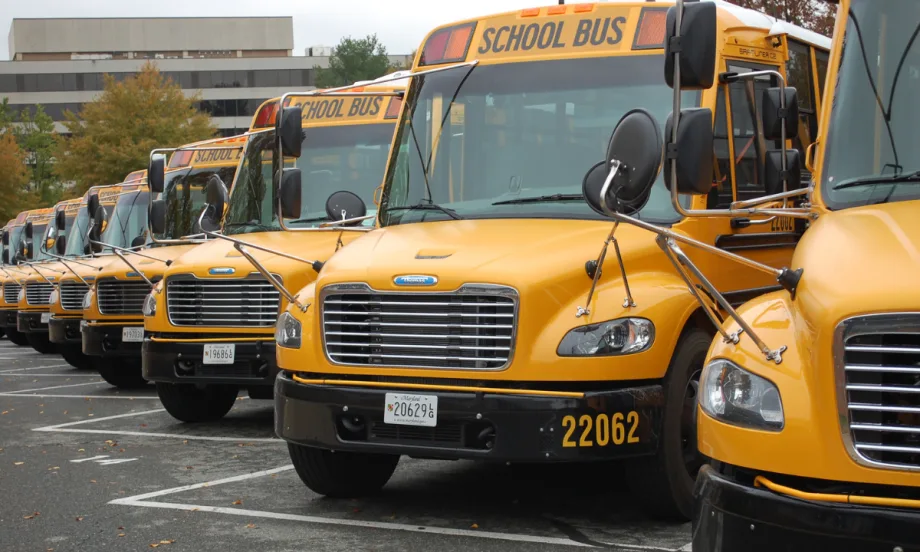
In the electric school bus industry, some technologies and suppliers are falling away, established manufacturers are refining their platforms, and the infrastructure ecosystem continues to develop.
Credit:
WRI’s Electric School Bus Initiative
4 min to read
- The electric school bus market in the U.S. is becoming more consolidated, with fewer models available.
- This trend towards fewer models does not imply a decrease in viable options for school bus operators.
- The consolidation is seen as a sign of industry maturation, offering potentially more reliable and refined vehicle choices.
*Summarized by AI
The U.S. electric school bus market is showing signs of consolidation, but fewer names on the market shouldn't necessarily be interpreted as fewer viable choices for school transportation operators.
The World Resources Institute's (WRI) “2026 Electric School Bus U.S. Buyer's Guide” identifies 16 electric school bus models from eight manufacturers across Type A, C, and D buses as of May 2026. The guide describes Type C buses as the most commercially ready and notes that many manufacturers are now on their second or third generation of electric school bus models.
Brittany Barrett, deputy director of implementation and operations for WRI's Electric School Bus Initiative, said several factors contributed to the changing manufacturer landscape.
Among them is consolidation involving Blue Bird’s acquisition of Micro Bird, completed in early 2026, and, in recent years, Micro Bird acquiring a controlling interest in electric powertrain supplier Ecotuned.
WRI also left Unique Electric Solutions (UES) out of this year's guide after researchers were unable to confirm that the company remained active in the market. Lion Electric represented the most significant manufacturer departure from the U.S. market, although Barrett noted the company remains present in Canada.
For school districts and contractors evaluating their next bus purchase, however, Barrett sees the shift as more indicative of market maturation than a loss of competition. Manufacturers remaining in the market continue to invest in electric school buses, she said, pointing to planned manufacturing expansions, new vehicle introductions, and continued deployments.
Thomas Built Buses, for example, unveiled another electric Type D offering during the past year, while RIDE and GreenPower continue expanding deployments. Blue Bird and powertrain supplier Accelera by Cummins have also announced facility investments.
"I definitely don't think it's less choice overall," Barrett said. "I think the manufacturers are making a more refined product," while school districts are becoming more comfortable operating electric school buses.
For school transportation leaders, these distinctions are important when comparing vehicles. Rather than focusing only on how many models are available, you may need to consider how mature those platforms are, how extensively they have been deployed, and how well the manufacturers can support them throughout the vehicle lifecycle.
Repowers Have Always Struggled to Find a Market
One notable change in WRI's guide is the disappearance of a standalone section devoted to electric school bus repowers, which are conversions that replace an existing bus's conventional powertrain with an electric system.
The change simply reflects the limited adoption of the technology. Barrett said WRI knows of only about 20 school buses that have been repowered and implemented to date. Optimal EV still offers a Type A repower option, which WRI includes within the guide's Type A vehicle section rather than in a separate repower category.
As such, several barriers have prevented repowers from gaining significant traction.
Barrett pointed to technical challenges, limited support from original equipment manufacturers and, particularly, economics. Repowers could not qualify for funding through the U.S. Environmental Protection Agency's Clean School Bus Program, she said, while conversions could still cost hundreds of thousands of dollars. Without grant assistance to offset that investment, the economics became difficult for districts.
"If there's no market, then there's not going to be any supply for it," Barrett said.
It’s safe to say vehicle and repowering price alone doesn't determine whether an emerging technology will survive. Funding eligibility, manufacturer support, and the ability to service and maintain a vehicle can be just as consequential to whether an option develops into a sustainable segment of the school bus market.
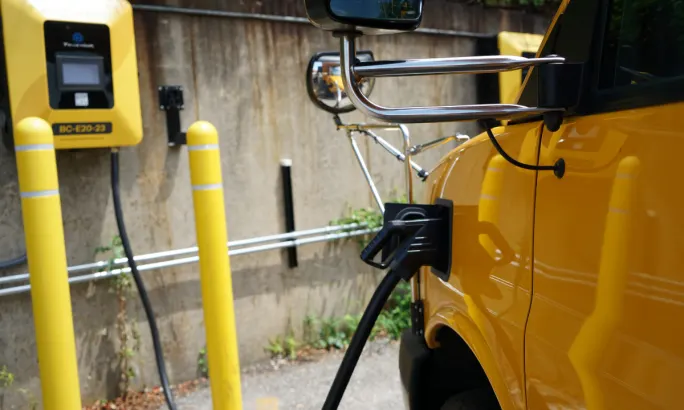
In new buyer's guide, WRI has observed additional charging equipment and charge management companies entering the market.
Credit:
WRI’s Electric School Bus Initiative
More Charging Options Means More Homework for Operators
Let’s not forget the charging market, either. WRI added a charger-vendor section to its buyer's guide this year, identifying 23 charger manufacturers and providing information such as available power levels, connectivity, and bidirectional charging capabilities.
Barrett cautioned against reading changes in that list as evidence that the charging industry itself is consolidating. Unlike WRI's bus-model research, for which staff were generally able to contact all manufacturers, the charger section is based on direct outreach to select charger vendors and supplemented with desktop research.
In fact, WRI has observed additional charging equipment and charge management companies entering the market. That expanding selection brings compatibility into consideration here. Electric school bus OEMs are still validating charging products and determining which equipment works reliably with their vehicles and associated technology, Barrett said.
That makes charger procurement more than a matter of selecting the right power level or lowest-priced unit. Compatibility with the bus, vehicle acceptance rates, software and charge management, manufacturer validation, service support and future charging needs can all affect a project's long-term success.
Taken together, the changes in WRI's 2026 guide suggest an electric school bus sector moving beyond its earliest stage. Some technologies and suppliers are falling away, established manufacturers are refining their platforms, and the infrastructure ecosystem continues to develop.
For operators, the result may be fewer choices in some corners of the market, but a growing need to distinguish between the number of products available and the number that can reliably meet a school bus fleet's operational needs.
More Alternative Fuels
Alt-Fuel Moves: Electric Bus Rollouts, Bidirectional Charging & Propane Growth
See which fleets are adding electric and propane school buses as districts and operators invest in charging infrastructure, bidirectional technology, and alternative-fuel expansion.
Read More →
Nobody Told Diesel Prices They Were Supposed to Come Down
With diesel prices surging, school bus fleets have new reason to stress-test fuel costs, consider diversification, and calculate what each route really costs to operate.
Read More →
Why Gasoline School Buses Are Making a Comeback
Gasoline is gaining ground in full-size school buses. See how today’s options stack up against diesel on cost, maintenance, emissions, performance, and more.
Read More →
EPA Opens $180M DERA Funding Round for Diesel Upgrades
The 2026 Diesel Emissions Reduction Act program seeks applications from eligible organizations to accelerate the retirement of legacy diesel vehicles.
Read More →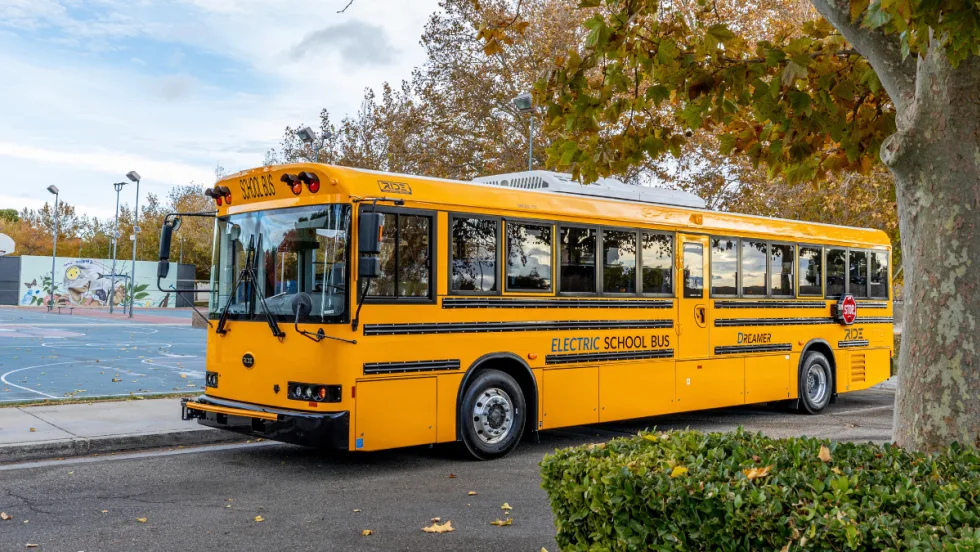
The Secret Life of an Electric School Bus Battery
Batteries change throughout years of daily routes, but degradation doesn’t necessarily mean the end. Here’s what operators should know about performance, safety, and second life.
Read More →
CALSTART and Forth Combine to Form Catalyst Mobility
The new name represents a renewed vision for the nonprofit focused on advancing clean, equitable, and affordable transportation solutions that move people and goods.
Read More →
Alt-Fuel Moves: New Buses, Charging Hubs & Real-World EV Testing
Propane and electric school bus deployments continue to grow as districts add new vehicles, expand charging infrastructure, and gather more real-world operating data.
Read More →
The Fuel Budget You Can Actually Predict: How Propane Autogas Keeps Money in the Classroom
Learn how propane autogas helps school districts manage fuel costs with predictable pricing, lower maintenance, and reduced emissions from former transportation director Joel Stutheit.
Read More →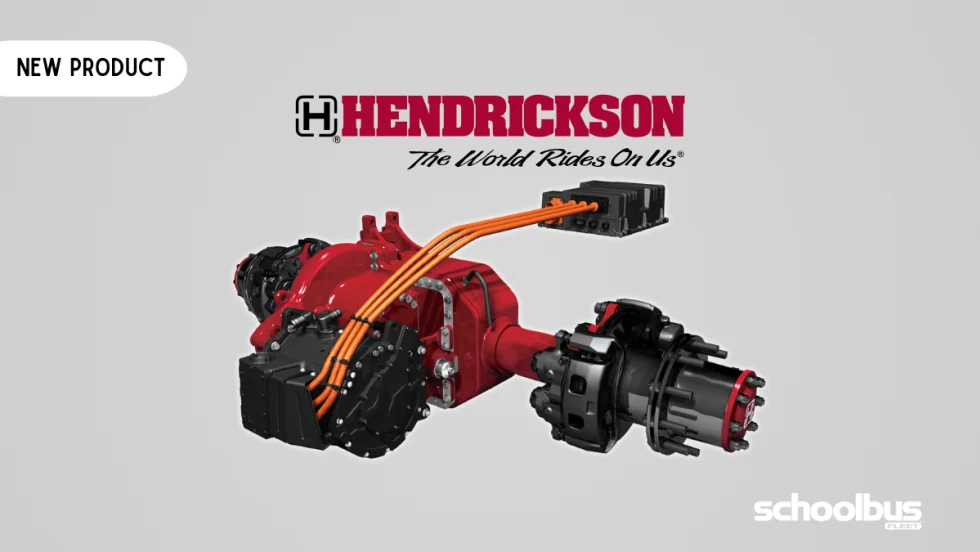
Hendrickson, Driventic Introduce New Electric Powertrain for School Buses
ELECTRAAX, the electrified, lightweight drive axle offers integrated ePowertrain efficiency and modular flexibility for Class 6–7 school bus use.
Read More →
The Mobility House Joins PowerFlex in Fleet Electrification Deal
The acquisition combines intelligent charging software, bidirectional charging expertise, and fleet electrification services to support the growing adoption of electric school buses across North America.
Read More →