





Looking Back:Student Killed After Being Dragged, Struck By School Bus
Prevent School Bus Dragging Incidents: Anti-Pinch Door Sensors and Maine’s New Mandate
As Maine becomes one of the first states to require anti-pinch door sensors on new school buses, manufacturers like Mayser offer a look at how the technology works and why it's a critical fail-safe.
January 29, 2026
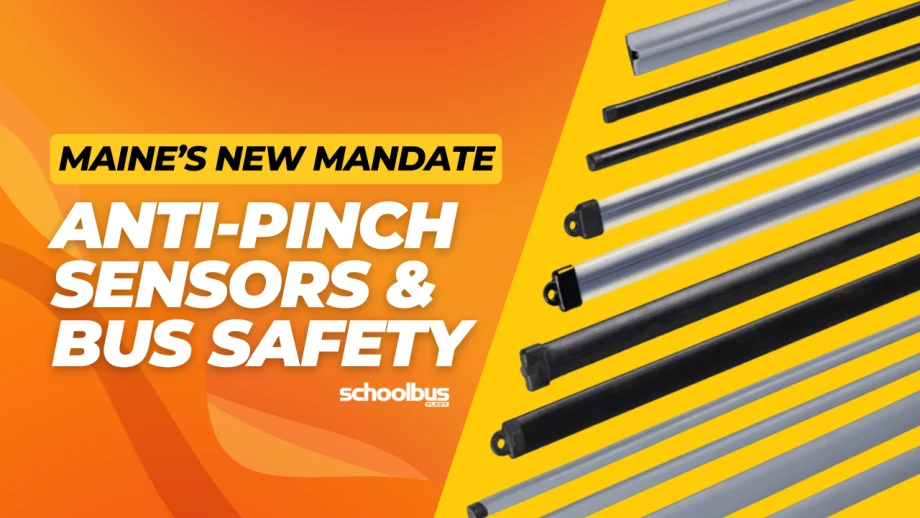
As of January 20, 2026, Maine Governor Janet Mills proposed approximately $4.3 million for enhanced safety measures on Maine school buses in a supplemental budget.
Credit: Mayser/School Bus Fleet
7 min to read
- Maine has implemented a new mandate requiring anti-pinch door sensors on new school buses to enhance student safety.
- Manufacturers like Mayser demonstrate how these anti-pinch sensors work as a critical preventive measure against bus dragging incidents.
- The new technology highlights the importance of adopting safety advancements in school transportation systems.
*Summarized by AI
Student-dragging incidents involving school buses are rare, but when they occur, the consequences can be devastating. In recent years, several such incidents in Maine, including fatal ones, have brought renewed attention to a long-overlooked risk during student loading and unloading: objects caught in school bus doors.
While driver training and student education remain foundational to school bus safety, Maine is now among the first states to require anti-pinch door sensor technology on new school buses, aiming to add a critical layer of protection against dragging incidents.
Contrary to what many might assume, most dragging incidents do not involve a child’s body being fully trapped in a school bus door.
“Most documented drag incidents involve non-body part items, especially backpacks and backpack straps, followed by jackets and loose clothing,” said Andrew Wiseman, sales engineer at Mayser USA, a manufacturer of anti-pinch sensory technology.
Data compiled by Inside Edition from incidents between 2004 and 2015 show that approximately 75% of documented anti-dragging cases involved backpacks or backpack straps. These objects pose a unique risk because they are lightweight, flexible, and often out of the driver’s line of sight, especially once the doors close and the bus begins to move. Hands, arms, or feet are involved less frequently.
But, how often do dragging incidents really happen? National data on dragging incidents is limited, in part because many near-misses or minor incidents go unreported. According to Inside Edition’s report, there were 31 documented student-dragging incidents nationwide over a 10-year period, including two fatalities.
“Over the past six years, I have independently tracked approximately 10 additional incidents,” Wiseman said. “Conversations with transportation professionals at recent trade shows and conferences also confirmed that minor dragging events often go unreported, suggesting true frequency is higher than recorded data indicates.”
The underreporting makes it difficult to fully quantify the scope of the issue, but safety officials agree that even a single incident is unacceptable.
How Anti-Pinch Door Sensors Work
Anti-pinch door sensors are designed to detect obstructions in the school bus door opening and immediately stop or reverse door movement. Unlike traditional systems that rely solely on driver awareness, these sensors continuously monitor the door edges for resistance.
Mayser’s system uses pressure-sensitive electrical sensors embedded within the rubber door seals. If an obstruction is detected, the system sends a signal to halt or reverse the door.
“Actual activation is dependent on each individual OEM's door system and requirements, however Mayser's anti-pinch system is specifically engineered in partnership with OEMs to ensure that activation is occurring at low forces to safeguard against any potential entrapment for the passenger,” Wiseman explained.
Crucially, Wiseman said Mayser’s electrical sensors remain active even after the doors are fully closed.
“So, if a backpack strap is closed in doors equipped with Mayser's pinch sensors, the sensors will then be activated by the pulling of the child trying to free themselves from the door at a relatively low force,” he explained.
The system’s response time is nearly instantaneous.
“It depends on the response time from the school bus door control unit,” Wiseman said. “In previous partnerships with school bus OEM's, the response time for a Mayser sensor was aligned with the door system's capability to respond to the detected pinch.”
Performance in Real-World Conditions
Anti-pinch door sensors are not new to transportation. Mayser has manufactured similar technology for decades for use in transit buses and rail vehicles, often in extreme climates such as Canada and Finland.
“The weather does have an effect on how much force it takes to actuate, but it can still reliably work in all types of weather conditions,” Wiseman said.
While cold temperatures can slightly affect the force required to trigger the sensors, Wiseman said the systems continue to function reliably. Door vibration is also not a concern, he added.
“Our sensor chamber in the door seal has tight tolerances to prevent the sensor from moving and rotating,” Wiseman said. “Most OEMs choose to have the sensors shut off once the vehicle reaches a certain speed threshold to avoid actuation from door vibrations.”
Lifespan and Maintenance
The sensors themselves are designed to last for years. However, routine maintenance focuses primarily on the seals.

Anti-pinch door sensors are designed to detect obstructions in the school bus door opening and immediately stop or reverse door movement.
Credit: Mayser/School Bus Fleet
“The sensors last a very long time in the field, Wiseman said. “Typically, what needs to be replaced is the rubber door seal itself.” Over time, exposure to the elements can harden the rubber, increasing the force required to activate it.
Mayser recommends replacing the door seals every 10 to 15 years, which is on par with the average lifespan of a new school bus.
Beyond Injury Prevention
While the primary goal of anti-pinch sensors is to prevent serious injury or death, their benefits extend beyond that. From Wiseman’s perspective, the technology can increase parent confidence, particularly among families affected by past incidents.
“Parents of kids who have been dragged by a bus in the past would feel more comfortable knowing their school districts care about their students by trying to avoid any further dragging incidents,” he said.
The technology also provides an additional layer of support for drivers. “Beyond Injury prevention, districts typically see reduced liability exposure when the system is installed and maintained correctly, higher parent confidence, especially for families aware of past incidents, enhanced bus driver support to reduce reliance on perfect vigilance in a distraction-heavy environment, and a clear demonstration of a proactive safety culture within the school district,” Wiseman said.
Maine Mandates Anti-Pinch Door Sensors
Maine’s move to require anti-pinch sensors follows several incidents, the most recent a fatal accident in Standish in December 2025 involving a 5-year-old kindergartener who was dragged after his arm became pinned in a school bus door. The National Transportation Safety Board is currently investigating that incident.
This was at least the third student-dragging incident in Maine since 2022, according to a Freightwaves analysis.
In response to earlier incidents, Maine lawmakers passed LD 62, which took effect in October 2023 and requires anti-pinch door sensors on all new school buses manufactured beginning January 1, 2025.
The school bus involved in the Standish incident, a 2022 Blue Bird operated by Maine School Administrative District #6, was manufactured before the anti-pinch sensor mandate went into effect.
“A child's safety should be first priority above all else when transporting students to and from school," said Rep. Cheryl Golek, the bill’s sponsor. “This legislation should give children and loved ones greater assurance their child will be safe on school buses going forward.”
The Maine Department of Education and Maine School Safety Center have worked with industry partners to evaluate the technology and support implementation.
As of January 20, 2026, Maine Governor Janet Mills proposed approximately $4.3 million for enhanced safety measures on Maine school buses in a supplemental budget. According to a release, “The safety measures to be funded in the budget include retrofitting Maine school buses with crossing arms and anti-pinch door sensors.”
If approved by the state legislature, the supplemental budget would cover retrofitting almost 1,700 buses owned by Maine school districts, which are not currently equipped with either or both safety measures.
The release also detailed an executive order to establish the Maine School Transportation Safety Commission, which will review statutes and rules regarding school bus safety and identify improvements to school transportation rules.
Looking Ahead: Technology Plus Training
Safety officials emphasize that technology alone is not enough. Proper training for drivers and students remains essential. Anti-pinch sensors are intended to serve as a fail-safe, not a replacement, for safe procedures and vigilance.
“Never rush when loading and unloading students,” the Maine School Safety Center and Maine Department of Education stated in anti-pinch safety materials. “Proper loading and unloading can be the difference between life and death. Even if your route is running late, don’t hurry.”
As Maine moves forward with its mandate, other states are watching closely. Questions remain around cost, retrofit feasibility, and standardization across manufacturers, but for many safety advocates, the assessment is simple.
Dragging incidents may be rare, but again, they are preventable. In sentiments often repeated by transportation professionals, the most effective safety technologies are the ones that work quietly until the moment they’re needed most.
Quick Answers
The purpose of anti-pinch door sensors on school buses is to prevent accidents by detecting obstructions and ensuring the doors do not close on students or objects, thus avoiding dragging incidents.
*Summarized by AI
Subscribe to Our Newsletter
More Safety

How to Build a Better School Bus Driver Training Program
Is it time to strengthen your driver training? Here’s how to pick the right talent and improve recruitment, retention, and safety. This video is brought to you by IC Bus.
Read More →
Recent School Bus Accidents Leave 2 Dead, 2 Injured
Four school bus crashes in Florida, Illinois, and Georgia highlight risks in transportation lots, at bus stops, and during student loading and unloading.
Read More →
Sponsored•September 8, 2026
When Every Second Matters, Clarity Keeps Routes Moving
From routine delays to urgent incidents, strong communication practices help drivers, dispatchers, schools, and families respond with confidence.
Read More →

What Happens When a School Bus Catches Fire — and What Can Help
School bus fires are rare but can be devastating. Learn how advances in fire suppression and asset protection help fleets detect fires earlier, reduce damage, and improve safety.
Read More →
Geotab Launches Tool to Help Fleets Investigate Road Incidents
Geotab Investigations combines telematics data, video, documents, and other evidence to help fleets reconstruct incidents, resolve claims, and determine what happened.
Read More →
Texas Sixth Grader Wins 2026 National School Bus Safety Poster Contest
Sai Darshana Yekolu of Moseley Middle School in Prosper, Texas, was named the newest winner for her artwork, bringing the theme of “Safe Rides, Everyday Heroes” to life.
Read More →
Sponsored•August 27, 2026
Doing More With Less: How Transportation Directors Can Prioritize Safety Amid Budget Uncertainty
With diesel prices soaring and nearly one-third of transportation directors expecting budget cuts, maintaining student safety has never been more challenging. Download this guide to learn how leading districts are prioritizing risk, funding critical safety technology, and building stronger budget cases with data.
Read More →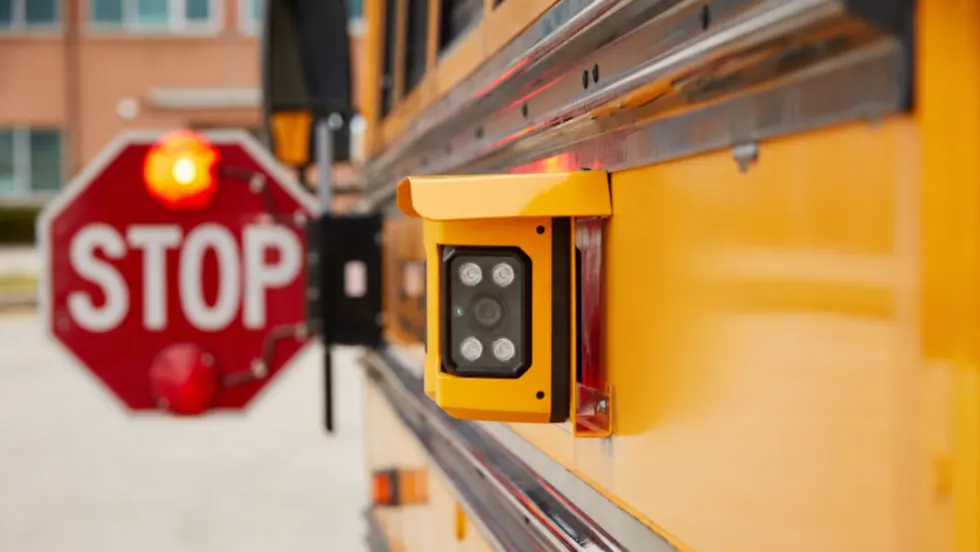
Walton County Schools Adds Gatekeeper Stop-Arm Enforcement System
The Florida district will deploy Gatekeeper’s updated Student Protector technology, which now incorporates AI to improve video evidence.
Read More →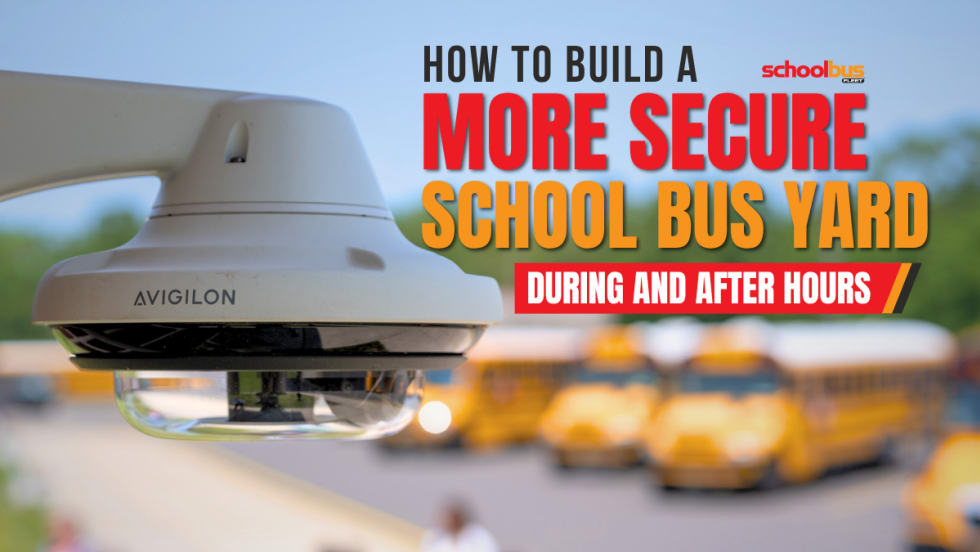
How To Build a More Secure School Bus Yard During and After Hours
As thefts and overnight security threats continue, school transportation leaders are combining stronger operational practices with AI-enabled surveillance to better protect buses, facilities, and staff.
Read More →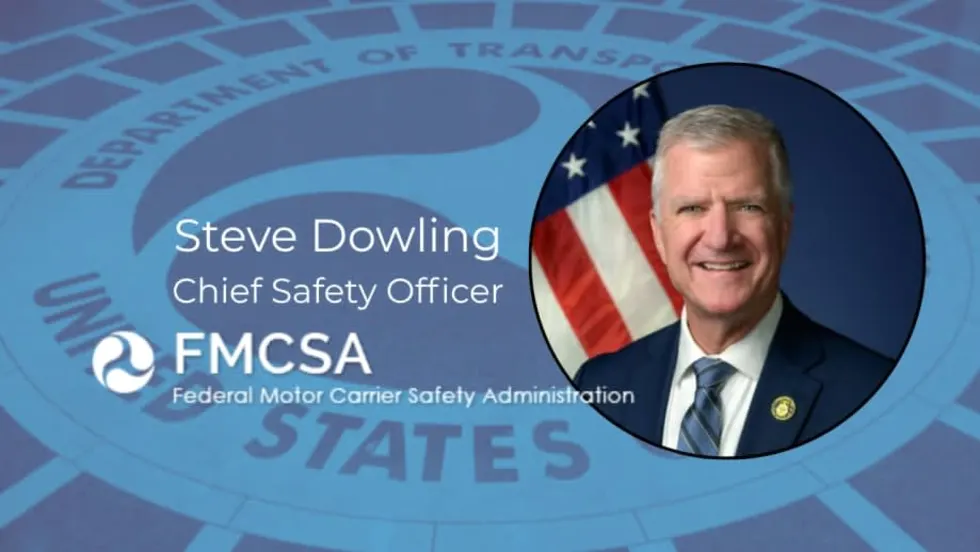
FMCSA Names New Chief Safety Officer: What School Bus Operators Should Know
Steve Dowling is set to lead the federal agency's efforts to advance commercial motor vehicle safety and reduce crashes, fatalities, and injuries on the nation's roadways.
Read More →