





According to a 2025 NASDPTS survey, about 39.3 million school bus passing violations occurred last year.
Senate Report: Autonomous Car Companies Hiding Reliance on Remote Operators
Waymo’s self-driving vehicles are under fire again after repeated school bus passing violations, raising questions about safety, remote operators, and regulation.
April 9, 2026
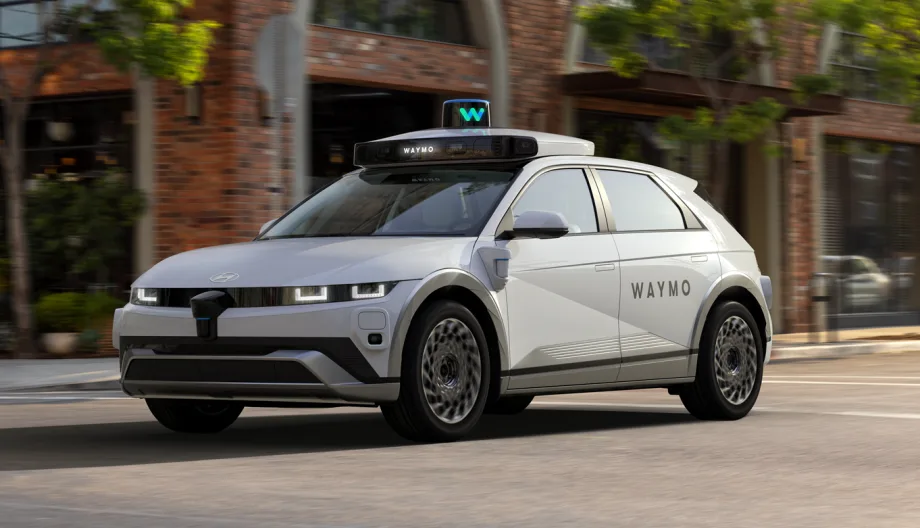
As Waymo continues to expand in cities across the U.S., many have called for its vehicles to stop running until safety concerns have been resolved.
Credit:
Waymo
3 min to read
Waymo’s string of scrutiny continues.
The company, which provides self-driving taxis, has been under fire for its vehicles not stopping for stopped school buses when students were loading. Instances of illegal passing have been reported across the country, though Austin, Texas, has been at the heart of the matter.
Now, a Senate investigation has raised new concerns over AV companies' use of remote assistance operators.
What Happened in Austin?
Austin ISD officials said that Waymo cars have had at least 19 instances of not following the law when it comes to safety around school buses. In response, last December, Waymo issued a recall and software update. The company claimed that safety is paramount while it backed its vehicles and technology.
The incidents continued to happen.
Then, last month, the NTSB launched an investigation and found that in one case, the vehicle’s automated driving system contacted a remote assistance agent with the prompt: “Is this a school bus with active signals?” According to the NTSB, a remote operator in Michigan responded “No,” and the vehicle passed the bus while its stop arms were still extended.
Waymo’s Chief Safety Officer Mauricio Peña testified in a Senate hearing that the company does use remote operators when a vehicle encounters a situation it does not know how to handle.
Other Waymo Incidents
An 11Alive investigation also found at least six cases of Waymo vehicles passing stopped Atlanta Public Schools buses.
Other issues not involving school buses have also been reported.
During a San Francisco blackout, hundreds of Waymo robotaxis stalled in intersections and blocked emergency vehicles. The city’s mayor asked for the removal of the autonomous vehicles. In Austin, a police officer responding to a mass shooting was pulled off the scene to physically move a stalled Waymo. First responders have intervened in at least six similar incidents.
“Robotaxi companies are racing to expand before the rules can catch up, and now we know they have been doing it without telling anyone how often a human has to step in to prevent a disaster,” said Witherite Law Group founder Amy Witherite. “The public deserves to be served by this technology — not used as its testing ground."
What Did the Senate Report Find?
Sen. Edward J. Markey, a member of the Commerce, Science, and Transportation Committee, released a report last week highlighting a lack of transparency from Waymo and other AV companies (including Aurora, May Mobility, Motional, Nuro, Tesla, and Zoox) regarding its use of remote operators.
In the report, “Remote Backseat Operators: Revealing the Autonomous Vehicle Industry’s Reliance on Human Remote Assistance Operators,” Markey detailed letters sent to each company asking about their remote assistance, with questions on frequency of human intervention, location of operations, qualifications, and cybersecurity standards.
Each company refused to disclose how frequently their remote operators intervene to help their self-driving cars.
According to a press release, Waymo was found to be the only AV company using overseas RAOs, with a substantial share of its operator workforce not holding a U.S. driver’s license. Latency between vehicles and remote operators varied widely across companies, with each firm setting its own threshold for what constitutes a safety risk.
“Autonomous vehicle companies make big promises about safety, but it turns out human workers still play a critical role,” said Sen. Markey. “These operations demand urgent federal regulation.”
Markey is urging NHTSA to investigate further and said he is working on legislation to impose regulations around the AV industry’s use of remote operators.
More Safety

How to Build a Better School Bus Driver Training Program
Is it time to strengthen your driver training? Here’s how to pick the right talent and improve recruitment, retention, and safety. This video is brought to you by IC Bus.
Read More →
Recent School Bus Accidents Leave 2 Dead, 2 Injured
Four school bus crashes in Florida, Illinois, and Georgia highlight risks in transportation lots, at bus stops, and during student loading and unloading.
Read More →
Sponsored•September 8, 2026
When Every Second Matters, Clarity Keeps Routes Moving
From routine delays to urgent incidents, strong communication practices help drivers, dispatchers, schools, and families respond with confidence.
Read More →

What Happens When a School Bus Catches Fire — and What Can Help
School bus fires are rare but can be devastating. Learn how advances in fire suppression and asset protection help fleets detect fires earlier, reduce damage, and improve safety.
Read More →
Geotab Launches Tool to Help Fleets Investigate Road Incidents
Geotab Investigations combines telematics data, video, documents, and other evidence to help fleets reconstruct incidents, resolve claims, and determine what happened.
Read More →
Texas Sixth Grader Wins 2026 National School Bus Safety Poster Contest
Sai Darshana Yekolu of Moseley Middle School in Prosper, Texas, was named the newest winner for her artwork, bringing the theme of “Safe Rides, Everyday Heroes” to life.
Read More →
Sponsored•August 27, 2026
Doing More With Less: How Transportation Directors Can Prioritize Safety Amid Budget Uncertainty
With diesel prices soaring and nearly one-third of transportation directors expecting budget cuts, maintaining student safety has never been more challenging. Download this guide to learn how leading districts are prioritizing risk, funding critical safety technology, and building stronger budget cases with data.
Read More →
Walton County Schools Adds Gatekeeper Stop-Arm Enforcement System
The Florida district will deploy Gatekeeper’s updated Student Protector technology, which now incorporates AI to improve video evidence.
Read More →
How To Build a More Secure School Bus Yard During and After Hours
As thefts and overnight security threats continue, school transportation leaders are combining stronger operational practices with AI-enabled surveillance to better protect buses, facilities, and staff.
Read More →
FMCSA Names New Chief Safety Officer: What School Bus Operators Should Know
Steve Dowling is set to lead the federal agency's efforts to advance commercial motor vehicle safety and reduce crashes, fatalities, and injuries on the nation's roadways.
Read More →