





Watch This:Videos Show Close Calls from Illegal Stop-Arm Passings
Florida District Relaunches BusPatrol School Bus Camera Program With New Safeguards
After being suspended over due process concerns, Miami-Dade schools and law enforcement are restarting the AI-powered stop-arm camera program with new oversight.
May 6, 2026
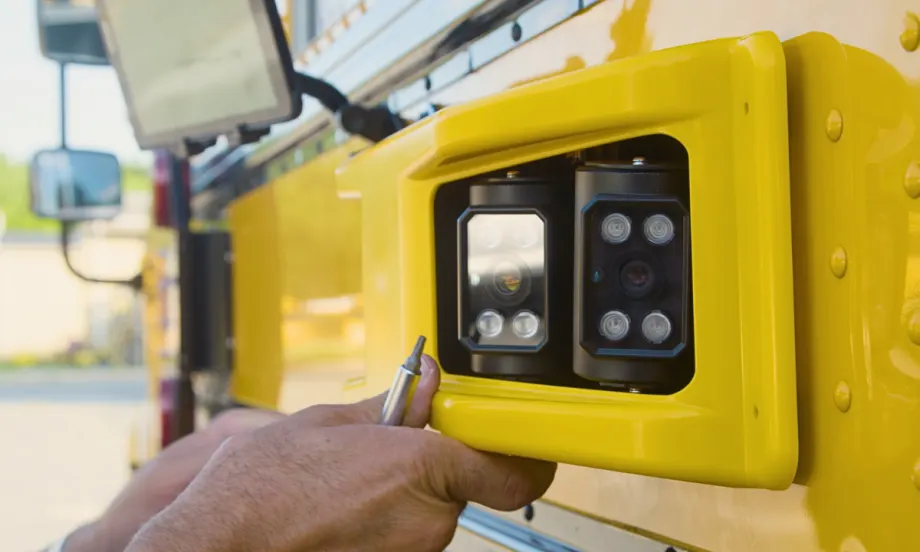
Many states and cities are implementing stricter fines and penalties for illegal passing infractions. Cameras installed on school buses help local police catch infractions and issue appropriate fines.
Credit:
BusPatrol
3 min to read
Nearly a year after enforcement was halted over transparency concerns, Miami-Dade County Public Schools is restarting its BusPatrol school bus camera program under new rules.
On May 1, Miami-Dade County Public Schools in Florida announced the relaunch of the school bus infraction detection program in partnership with BusPatrol, including a renewed agreement with the child safety technology provider for up to an additional 10 years.
According to a release, the safety program uses AI-powered stop-arm cameras installed on nearly 900 school buses in Miami-Dade to detect potential violations when a driver illegally passes a school bus with the stop-arm deployed. Cameras are positioned to capture the license plates of vehicles that illegally pass school buses, along with video of the infraction.
The Miami-Dade Sheriff’s Office will review footage captured by the stop-arm cameras to determine whether to issue a violation by mail under new parameters.
Reforms Bring Greater Transparency to Camera Enforcement in Miami
Under the leadership of Sheriff Rosie Cordero-Stutz, Florida has strengthened its child safety laws statewide and clarified the adjudication process through the unanimous amendment of Florida Statute s. 316.173.
The updated law now ensures that registered owners have a clear and accessible path to contest violation notices through a virtual administrative hearing process, including the option to participate in person. Hearings will be administered by the Florida Division of Administrative Hearings.
These changes follow action taken last year. Sheriff Cordero-Stutz called for suspending program enforcement after identifying concerns about due process and failed administrative procedures, which “drove the reforms that are now in place.”
“All outstanding citations issued during the affected period have been dismissed,” highlighted Sheriff Cordero-Stutz. “After identifying issues in April 2025 with the school bus infraction detection program, I made the decision to suspend enforcement. […] My focus from this point on is ensuring this child safety program operates with accountability, transparency, and a clear commitment to public trust.”
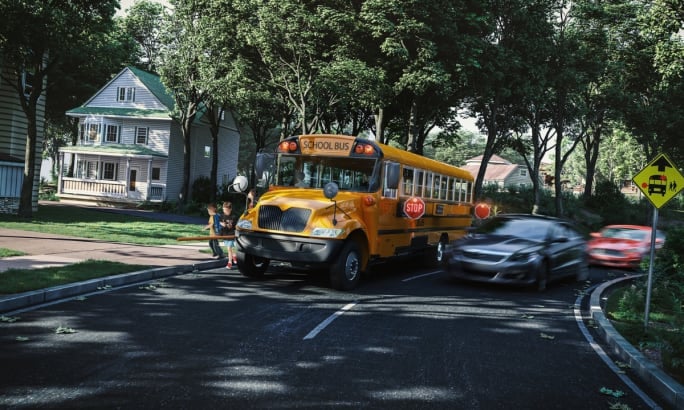
Credit:
BusPatrol
The program resumed on May 4, with a two-week warning period during which vehicle owners who illegally pass stopped school buses will receive warning letters by mail. No civil penalties will be assessed against the registered owners during the warning period. A public awareness campaign is also planned to educate drivers on the state law and “remind them of their responsibilities on the road.”
Beginning May 18, live enforcement will begin, with violators subject to a $225 civil penalty under Florida law.
How Stop-Arm Enforcement is Proven to Change Driver Behavior
According to the release, stop-arm enforcement programs are “statistically proven to change driver behavior,” as evidenced by BusPatrol’s program data, which shows that over 90% of drivers who receive a first-time violation do not repeat the offense.
Other BusPatrol programs in Florida have seen reductions in violations per bus per day since their launch.
“We do not compromise when it comes to student safety,” said Dr. Jose L. Dotres, superintendent of Miami-Dade County Public Schools. “We are confident in this program and the role it plays in protecting students at the bus stop.”
In addition to stop-arm enforcement cameras, BusPatrol provides the Miami-Dade school bus fleet with additional features to enhance student and driver safety. This includes 360-degree safety cameras inside and outside the bus, GPS tracking, and emergency response solutions.
More Safety
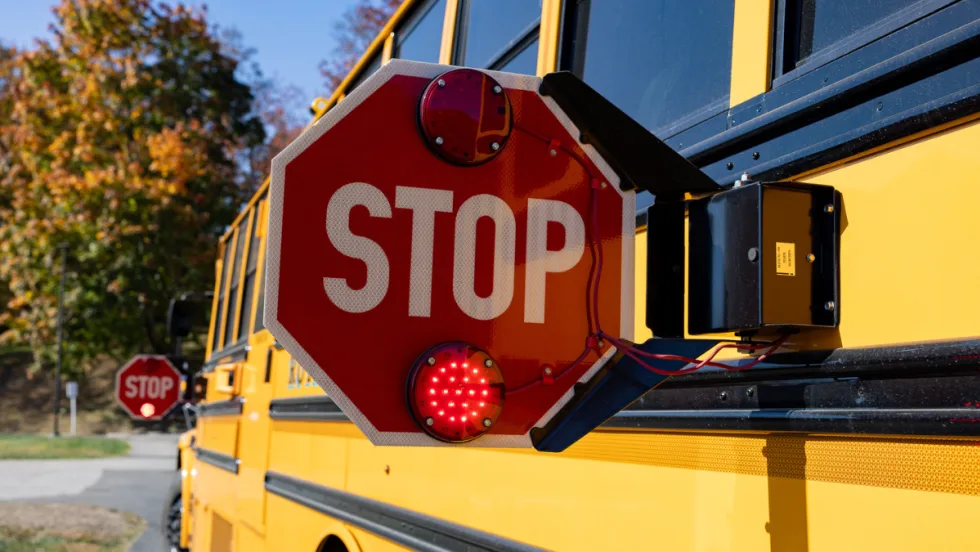
Illegal School Bus Passing Drops 24% in New York Districts
With fewer than 5% of citations involving repeat offenders, Westchester County officials said enforcement, education, and community partnerships are helping change driver behavior.
Read More →
School's Back. Here's What Happened to Traffic, Speeding & Distraction
What happens to traffic when school resumes? New data analysis examines changes in distracted driving, congestion, and speeding around schools.
Read More →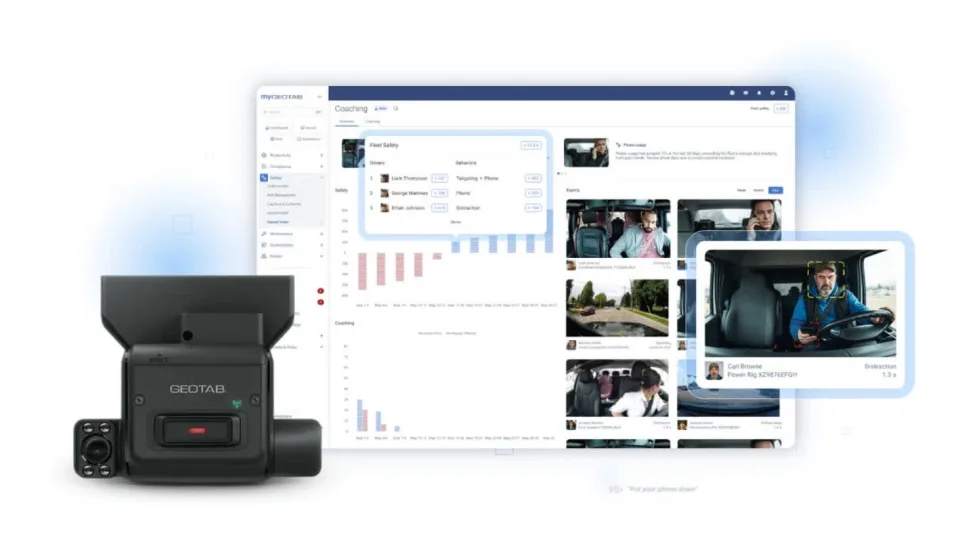
Geotab Expands Fleet Safety Tools With Video Coaching, Risk Insights
New safety and video capabilities aim to help fleet managers assess risk, support drivers, and take targeted action through video coaching, red-light violation detection, and more.
Read More →

How to Build a Better School Bus Driver Training Program
Is it time to strengthen your driver training? Here’s how to pick the right talent and improve recruitment, retention, and safety. This video is brought to you by IC Bus.
Read More →
Recent School Bus Accidents Leave 2 Dead, 2 Injured
Four school bus crashes in Florida, Illinois, and Georgia highlight risks in transportation lots, at bus stops, and during student loading and unloading.
Read More →
Sponsored•September 8, 2026
When Every Second Matters, Clarity Keeps Routes Moving
From routine delays to urgent incidents, strong communication practices help drivers, dispatchers, schools, and families respond with confidence.
Read More →
What Happens When a School Bus Catches Fire — and What Can Help
School bus fires are rare but can be devastating. Learn how advances in fire suppression and asset protection help fleets detect fires earlier, reduce damage, and improve safety.
Read More →
Geotab Launches Tool to Help Fleets Investigate Road Incidents
Geotab Investigations combines telematics data, video, documents, and other evidence to help fleets reconstruct incidents, resolve claims, and determine what happened.
Read More →
Texas Sixth Grader Wins 2026 National School Bus Safety Poster Contest
Sai Darshana Yekolu of Moseley Middle School in Prosper, Texas, was named the newest winner for her artwork, bringing the theme of “Safe Rides, Everyday Heroes” to life.
Read More →
Sponsored•August 27, 2026
Doing More With Less: How Transportation Directors Can Prioritize Safety Amid Budget Uncertainty
With diesel prices soaring and nearly one-third of transportation directors expecting budget cuts, maintaining student safety has never been more challenging. Download this guide to learn how leading districts are prioritizing risk, funding critical safety technology, and building stronger budget cases with data.
Read More →