





Keep Reading: Florida Inventor Creates Retractable 10-Foot Stop-Arm
National Action Plan Aims to End Illegal School Bus Passings Across the U.S.
See how a new 50-state roadmap outlines 69 strategies for districts, law enforcement, and policymakers to reduce the 39 million illegal school bus passings reported each year.
March 4, 2026
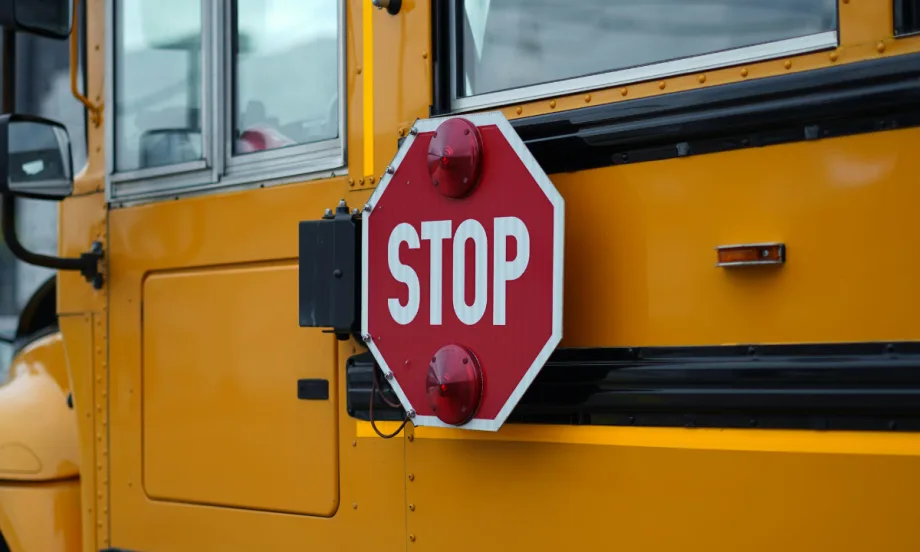
For school districts and transportation departments, suggested actions include implementing full-fleet stop-arm enforcement programs and introducing safety education for students as early as elementary school.
Credit:
Alwin Johnson
3 min to read
The Governors Highway Safety Association (GHSA) and BusPatrol have released a new nationwide action plan to reduce illegal school bus passings and improve student safety around school buses.
Titled “A National Action Plan for School Bus Safety,” the report outlines 69 recommendations for school districts, transportation leaders, law enforcement, state highway safety offices, and other stakeholders. The plan is designed to address what safety advocates describe as a persistent and preventable risk for the 20 million students who rely on school buses each day.
According to the report, motorists illegally pass stopped school buses approximately 39 million times each year in the United States, which is roughly equivalent to every school bus being illegally passed once every 3 days.
The action plan was developed following discussions at the National School Bus Safety Summit, held in December 2025 by BusPatrol with support from GHSA and Safe Kids Worldwide. Nearly 500 experts, including federal and state officials, transportation leaders, law enforcement, and child safety advocates, contributed to the recommendations.
Fatalities and Injuries Highlight Urgent Need for Action on Illegal Bus Passing
Safety concerns extend beyond violations. Over the past five decades, 1,279 children have been killed in the 10-foot “danger zone” surrounding school buses, according to the report. More than 13,000 injuries occur annually, often leaving lasting emotional impacts on students and families, such as “children who often associate going to school with the fear of death.”
“Illegal and deadly school bus passings are 100% preventable,” said GHSA Chief Executive Officer Jonathan Adkins. “This action plan moves us past isolated efforts toward a coordinated national strategy.”
The report has also drawn support from national pupil transportation leaders.
“Over many years, the National Association for Pupil Transportation has called for action on the issue of illegal passing of stopped school buses by motorists across America,” NAPT Executive Director Molly McGee Hewitt said in a statement. “Our work with our members, our partner associations, and the National Highway Traffic Safety Administration has led to increased attention to the problem. As a result, we are very pleased to support the GHSA and BusPatrol in advancing the 69 recommendations and actions included in the report. NAPT was pleased to be an active participant in the summit convened by GHSA and BusPatrol that led to these recommendations.”
McGee Hewitt added that the association is encouraged by the broad support for a coordinated national response “to illegal passing that places the lives of our nation’s children at risk. We look forward to working with our partners in taking steps to keep our children safe. That’s what this is all about. This is what all our members strive for every day.”
NAPT will provide additional information on this report and follow-up activities in the coming months and at ACTS 2026 in Louisville, Kentucky, fromOct. 3-7.
Enforcement, Training, and Technology to Protect Students
Key recommendations in the report focus on strengthening enforcement, improving training, expanding technology, and increasing public awareness. For school districts and transportation departments, suggested actions include implementing full-fleet stop-arm enforcement programs and introducing safety education for students as early as elementary school.
The plan also encourages school bus drivers to receive enhanced training, including the use of tools such as virtual reality simulations to prepare for unsafe motorist behavior.
Law enforcement agencies are encouraged to use data analytics to identify high-violation locations and deploy automated enforcement technologies, while state highway safety offices are urged to incorporate school bus safety into statewide safety plans and education campaigns.
BusPatrol officials said the goal is to create a coordinated approach involving government agencies, schools, law enforcement, and private partners to strengthen protections for students around school buses.
To help advance the initiative, BusPatrol also announced plans for a national school bus safety roadshow. The effort will bring the report’s findings and recommendations to communities across the country through meetings with transportation leaders, educators, policymakers, and parent groups.
More Safety
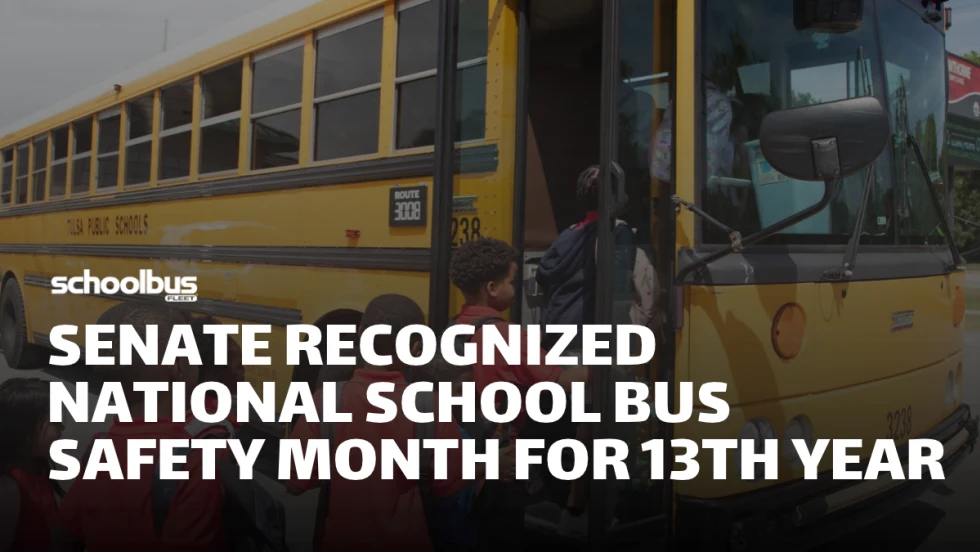
What the 2026 National School Bus Safety Month Resolution Means for Student Transportation
The bipartisan resolution highlights illegal school bus passing, student safety during loading and unloading, and the need for driver training and public education.
Read More →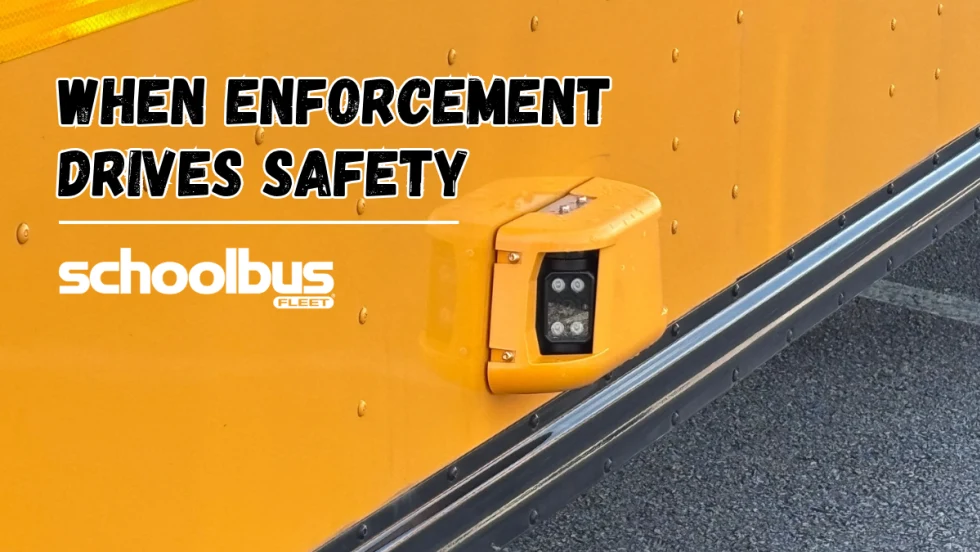
School Bus Stop-Arm Violations Decline 53% Across Verra Mobility Programs
Verra Mobility shares how school bus stop-arm cameras and school zone safety programs are changing driver behavior, reducing violations, and protecting students.
Read More →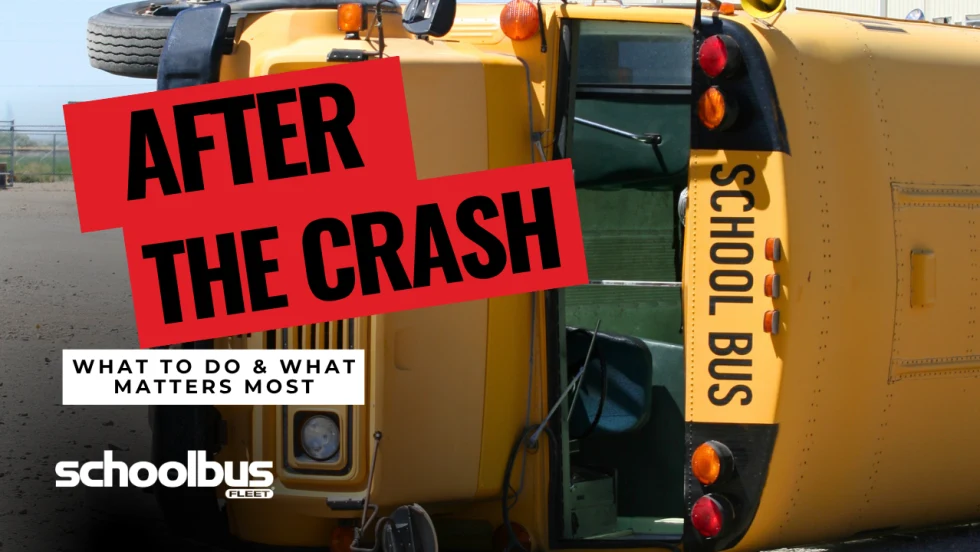
Most Bus Crashes Aren’t Your Fault. Here’s How to Prove It.
A guide for what to do in between a school bus crash and a claim: what to preserve, who to notify, and how to keep the facts available when they matter.
Read More →
National School Bus Safety Week 2026: Tips, Toolkits & Resources to Keep Students Safe
School bus safety takes more than awareness. Explore expert tips, enforcement strategies, and free resources to help protect students on every ride.
Read More →
2 Killed, Dozens Injured in Florida School Bus Crash
A multi-vehicle collision caused a Polk County school bus carrying 37 students to overturn on its way to Winter Haven High School.
Read More →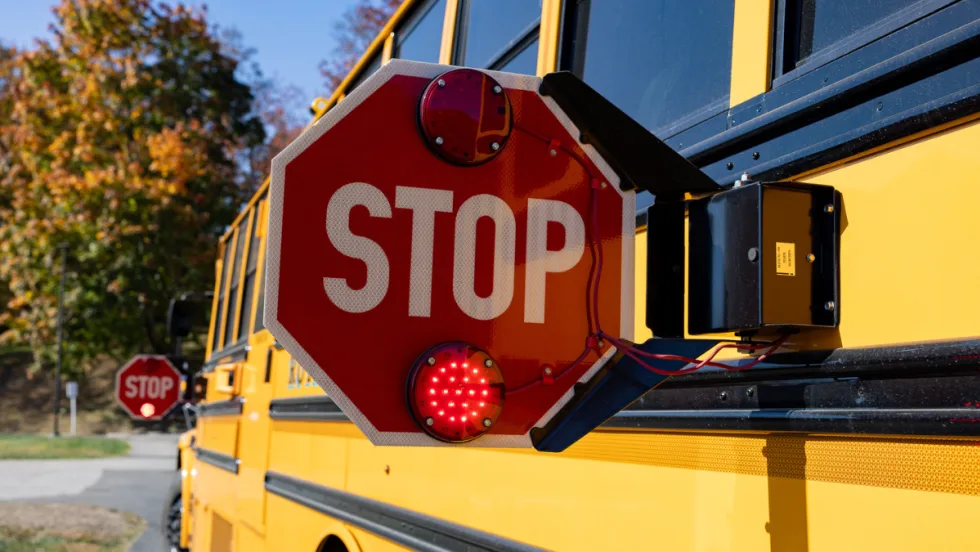
Illegal School Bus Passing Drops 24% in New York Districts
With fewer than 5% of citations involving repeat offenders, Westchester County officials said enforcement, education, and community partnerships are helping change driver behavior.
Read More →
School's Back. Here's What Happened to Traffic, Speeding & Distraction
What happens to traffic when school resumes? New data analysis examines changes in distracted driving, congestion, and speeding around schools.
Read More →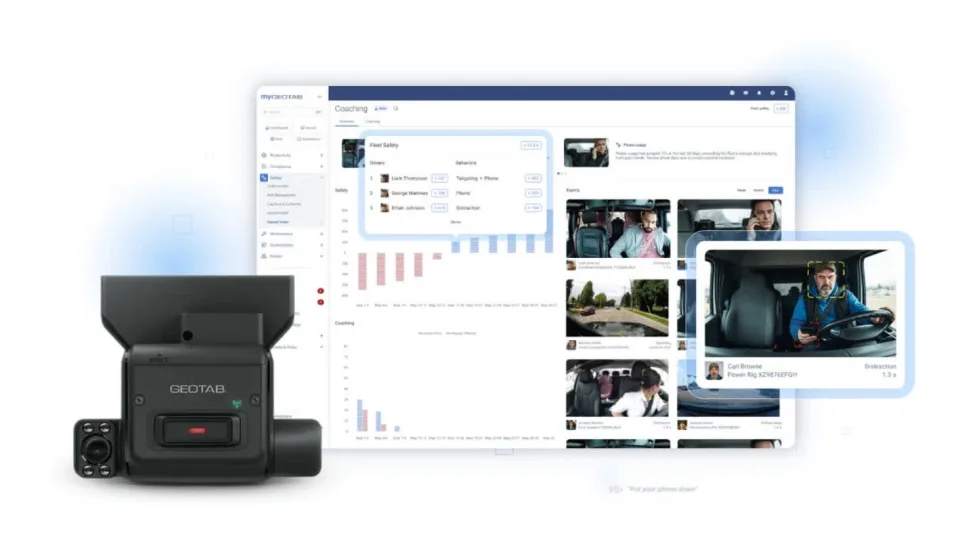
Geotab Expands Fleet Safety Tools With Video Coaching, Risk Insights
New safety and video capabilities aim to help fleet managers assess risk, support drivers, and take targeted action through video coaching, red-light violation detection, and more.
Read More →
How to Build a Better School Bus Driver Training Program
Is it time to strengthen your driver training? Here’s how to pick the right talent and improve recruitment, retention, and safety. This video is brought to you by IC Bus.
Read More →
Recent School Bus Accidents Leave 2 Dead, 2 Injured
Four school bus crashes in Florida, Illinois, and Georgia highlight risks in transportation lots, at bus stops, and during student loading and unloading.
Read More →