




Autonomous Vehicles Aren’t Built for Student Transportation [Op-Ed]
Driverless cars may feel the future, but student transportation requires more than navigation. Here’s why it demands human judgment, empathy, and oversight.
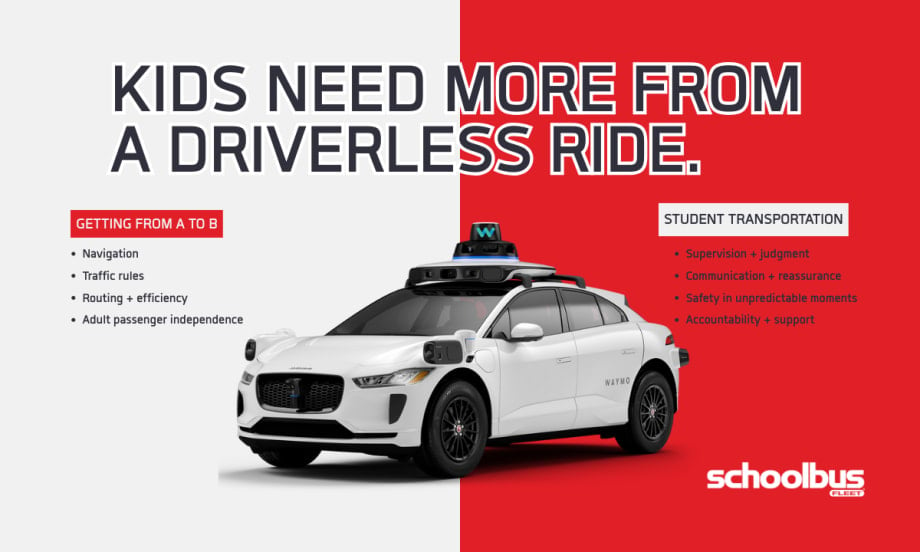
Technology helps, but the human element still matters most when transporting students.
Waymo/School Bus Fleet
- Autonomous vehicles lack the necessary human judgment essential for the unique needs of student transportation.
- The role of empathy is crucial in managing the diverse requirements and safety concerns of transporting students.
- Effective supervision by humans is necessary to ensure both the safety and well-being of students in transit.
*Summarized by AI
A recent New York Times piece highlighted a growing trend in Southern California of parents using driverless vehicles for school commutes. Just days later, a New York Post report detailed a similar phenomenon in San Francisco, where parents are sending middle-schoolers alone in Waymos, often in direct violation of the company’s 18-and-over age requirement. For families juggling full-time jobs and urban traffic, the appeal is obvious. It feels like the future we were promised.
But there is a critical distinction between “getting from A to B” and “student transportation.”
I have spent my career working at the intersection of innovation, trust, and regulation. At Lyft, I helped navigate complex policy questions about the future of transportation; now, at HopSkipDrive, I focus on the unique challenges of school commutes. As a parent and tech optimist, I believe autonomous vehicles (AVs) are already reshaping our cities. However, we have to recognize that a teenager riding to the movies on a Saturday is a world away from day-to-day school transportation. This is not a playground for beta testing. The bar for our children must be higher, and right now, AV technology lacks the human judgment required to meet that bar.
In most states, including California, law prohibits minors from riding in AVs without an adult present. It isn’t just red tape; it's a recognition of "duty of care."
Current AV systems are designed for passengers who can advocate for themselves, adults with smartphones and troubleshooting skills. AVs lack the empathy and real-time problem-solving essential for children. If an 8-year-old becomes anxious, feels sick, or faces an unexpected schedule change at the gate, a camera cannot physically intervene. We must also consider that many children do not have phones and cannot legally or safely consent to changes in drop-off locations or navigate re-routes. When an AV stops unexpectedly due to a traffic anomaly, a phoneless child is left without a way to communicate.
Someone must handle the "edge cases" that are simply daily life for children: a forgotten backpack, an unfamiliar adult approaching the vehicle, or a carpooler having a meltdown. In engineering, an edge case is a rare scenario to be solved later. In student transportation, these "exceptions" happen every Tuesday morning. Adults navigate them with judgment; AVs currently cannot. Furthermore, valid concerns about AVs failing to stop for school bus stop arms only compound the safety risk.
In recent months, there have been increasing, and valid, concern about AVs not stopping for school bus stop arms. This compounds the issue and creates ripple effects across student transportation.
Public trust isn't built on white papers or marketing; it’s built on the reliability of the ride. According to HopSkipDrive’s 2025 State of School Transportation Report, 81% of school administrators are still grappling with driver shortages, and 11% of parents have lost a job because they had to choose between work and driving their child to school. When the bus doesn't show up, parents are desperate for solutions, and those solutions must be reliable and accountable.
District leaders need to know exactly who is behind the wheel, and parents need to know that the person (and the system) transporting their child is vetted, educated, and capable of making human judgments in high-stakes moments with children. At HopSkipDrive, we use technology to solve transportation gaps, but we never remove the human from the center of the design. CareDrivers undergo fingerprint-based background checks and receive education in neurodivergence and trauma-informed care. We virtually screen every driver to evaluate their empathy and situational judgment. Coupled with real-time monitoring by our Safe Ride Support team, this human-centered approach is the foundation of the trust we’ve built with over 13,500 schools.
The future of student transportation will undoubtedly involve more technology: smarter routing, in-ride recording, AI-driven transportation planning like our RouteWise AI platform, and eventually, autonomous systems. But as we look toward that horizon, we must be honest about today’s limitations. We serve the most vulnerable populations: students in foster care, students experiencing homelessness, and students with special needs. These children deserve solutions that are proven safe, not experiments.
Innovation should make student transportation more efficient, but it must never make it less human. The stakes are simply too high to outpace safety with excitement.

Lori Mahanta
HopSkipDrive
About the Author: Loni Mahanta is the chief legal and corporate affairs officer at HopSkipDrive, where she oversees the legal, policy, communications, and safety teams. She initially joined the company as a member of the board of directors in 2021 before transitioning into her current executive role. Prior to this, Mahanta held leadership positions at Lyft, Zillow, and OpenSea.
This article was authored and edited according to School Bus Fleet editorial standards and style. Opinions expressed do not necessarily reflect that of SBF or Bobit Business Media.
Quick Answers
Autonomous vehicles lack the human judgment, empathy, and oversight required for safely transporting children.
*Summarized by AI
More Safety
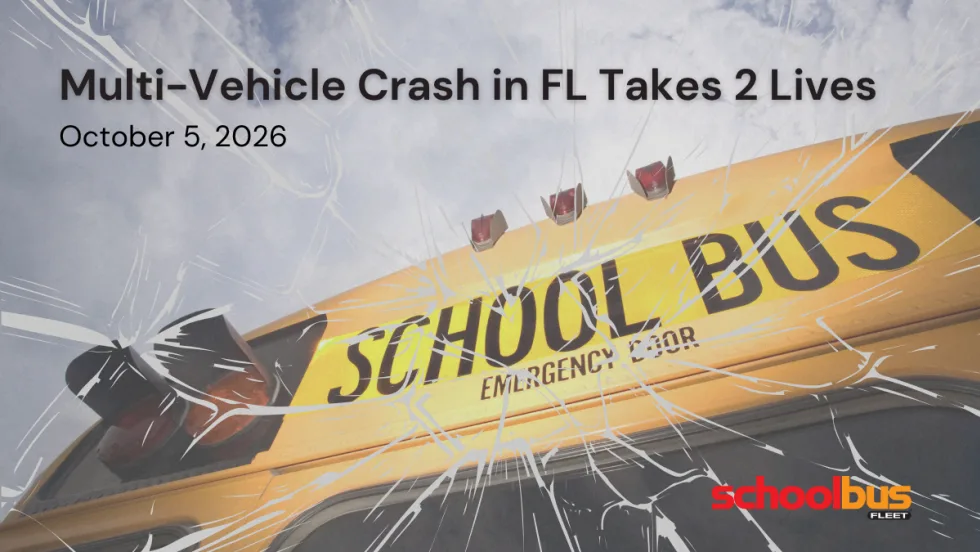
2 Killed, Dozens Injured in Florida School Bus Crash
A multi-vehicle collision caused a Polk County school bus carrying 37 students to overturn on its way to Winter Haven High School.
Read More →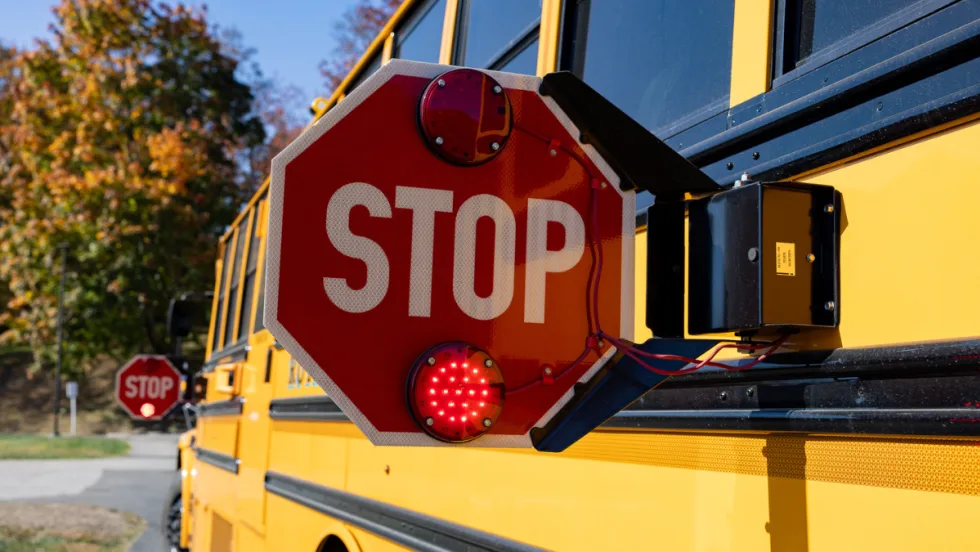
Illegal School Bus Passing Drops 24% in New York Districts
With fewer than 5% of citations involving repeat offenders, Westchester County officials said enforcement, education, and community partnerships are helping change driver behavior.
Read More →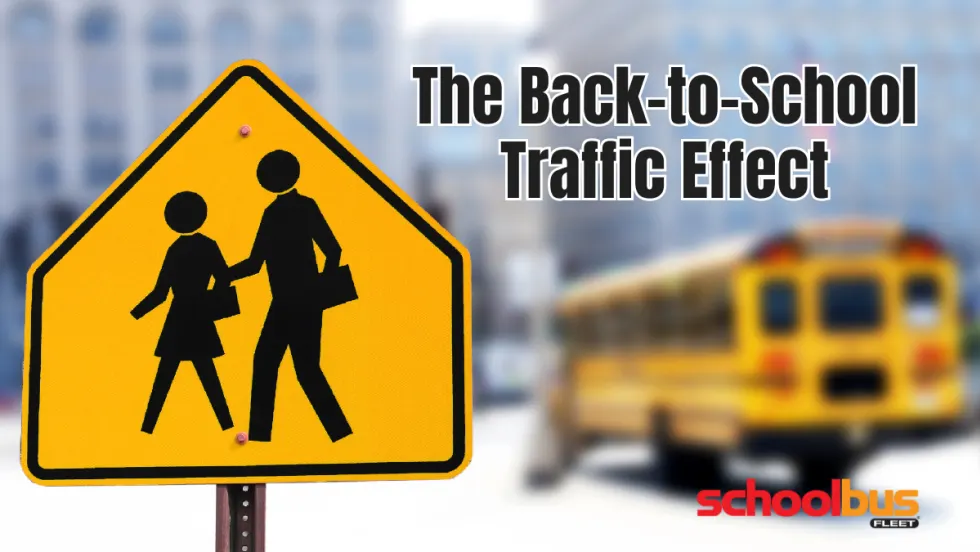
School's Back. Here's What Happened to Traffic, Speeding & Distraction
What happens to traffic when school resumes? New data analysis examines changes in distracted driving, congestion, and speeding around schools.
Read More →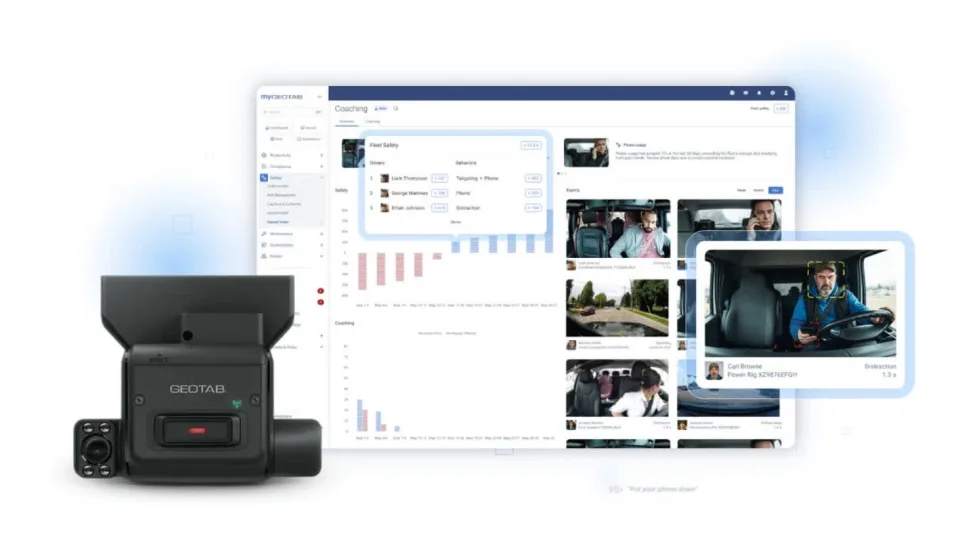
Geotab Expands Fleet Safety Tools With Video Coaching, Risk Insights
New safety and video capabilities aim to help fleet managers assess risk, support drivers, and take targeted action through video coaching, red-light violation detection, and more.
Read More →
How to Build a Better School Bus Driver Training Program
Is it time to strengthen your driver training? Here’s how to pick the right talent and improve recruitment, retention, and safety. This video is brought to you by IC Bus.
Read More →
Recent School Bus Accidents Leave 2 Dead, 2 Injured
Four school bus crashes in Florida, Illinois, and Georgia highlight risks in transportation lots, at bus stops, and during student loading and unloading.
Read More →
When Every Second Matters, Clarity Keeps Routes Moving
From routine delays to urgent incidents, strong communication practices help drivers, dispatchers, schools, and families respond with confidence.
Read More →
What Happens When a School Bus Catches Fire — and What Can Help
School bus fires are rare but can be devastating. Learn how advances in fire suppression and asset protection help fleets detect fires earlier, reduce damage, and improve safety.
Read More →
Geotab Launches Tool to Help Fleets Investigate Road Incidents
Geotab Investigations combines telematics data, video, documents, and other evidence to help fleets reconstruct incidents, resolve claims, and determine what happened.
Read More →
Texas Sixth Grader Wins 2026 National School Bus Safety Poster Contest
Sai Darshana Yekolu of Moseley Middle School in Prosper, Texas, was named the newest winner for her artwork, bringing the theme of “Safe Rides, Everyday Heroes” to life.
Read More →