




Disaster Readiness Starts Before the Storm [Call for Experts]
The 2026 Disaster Response Guide is officially underway, and we’re now opening a Call for Insights and Experts.

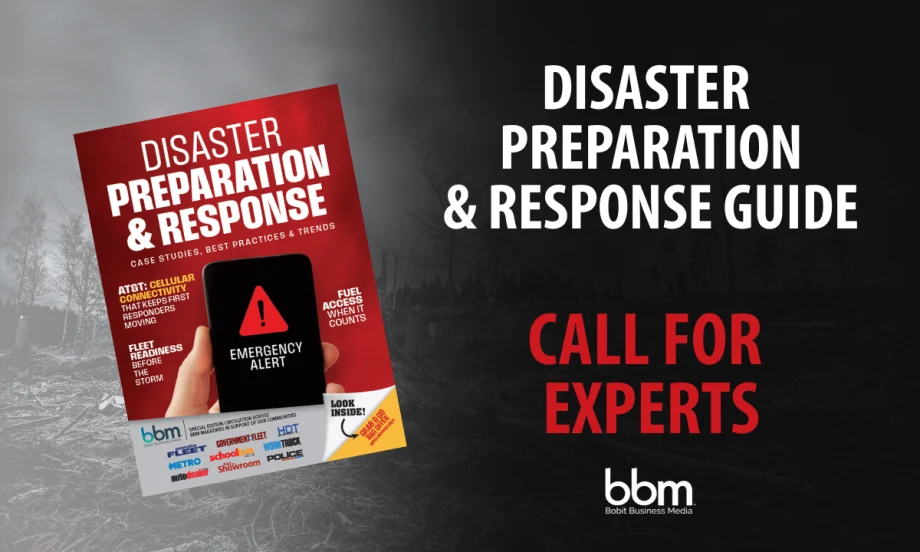
If you have expertise to share, we’d love to hear from you. Submissions will help shape our 2026 coverage, and we’ll be reaching out to select experts once the call closes.
Bobit Business Media
If you work with vehicles in any capacity, you already know the truth: disasters don’t wait for your schedule.
Wildfires. Flooding. Hurricanes. Winter storms. Extreme heat. Tornadoes. Smoke conditions that shut down operations. Even widespread outages that take communication, fuel access, and supply chains offline.
Whether you’re managing a fleet, running a dealership, operating a small business with service vehicles, supporting public sector transportation, or keeping equipment and customers moving, disaster readiness has become part of the job.
That’s why the 2026 Disaster Response Guide is officially underway, and we’re now opening a Call for Insights and Experts.
The Disaster Response Guide is an annual resource for fleet, trucking, transportation, public-sector, and vehicle-based business leaders who need real-world guidance on preparing, responding to, and recovering from disasters. It focuses on practical strategies, lessons learned, and tools that help teams stay operational and make smart decisions under pressure.
“This guide is built for the real-world grit of people who keep vehicles moving for work,” said Lauren Fletcher, VP of Content at Bobit Business Media. “It’s not just about having a plan. It’s about knowing what actually works when things go sideways, and sharing that knowledge so others can respond faster and recover stronger.”
Share Your Expertise for the 2026 Guide
We’re looking for insight from people across the vehicle ecosystem, including:
- fleet and transportation leaders
- dealerships and service teams
- small businesses and contractors
- OEMs, upfitters, and maintenance providers
- utilities, infrastructure, public sector, and emergency response
- insurance, risk, technology, and connectivity experts
You can contribute by:
- participating as an expert interview source
- writing an educational article or case study
- sharing a quote or quick insight
- providing data or research we can cite
What Topics Are We Looking for This Year?
We’re interested in insights and lessons learned related to:
- emergency planning and preparedness
- business continuity and operational resilience
- vehicle staging, relocation, and asset protection
- communication planning and backup systems
- fuel and energy readiness
- EV preparedness and charging continuity
- safety and training for drivers and teams
- insurance, risk mitigation, and recovery planning
- technology, telematics, and data readiness
- supply chain disruptions and maintenance planning
- real-world disaster response experiences and takeaways
- and other trends that YOU see happening
Ready to Contribute?
If you have expertise to share, we’d love to hear from you. Submissions will help shape our 2026 coverage, and we’ll be reaching out to select experts once the call closes.
Submit your insights using our Call for Experts form here:
https://forms.office.com/r/nNFy0e7qZq
To explore the 2025 Disaster Response guide and downloadable resources, visit www.disasterresponseguide.com.
More Safety
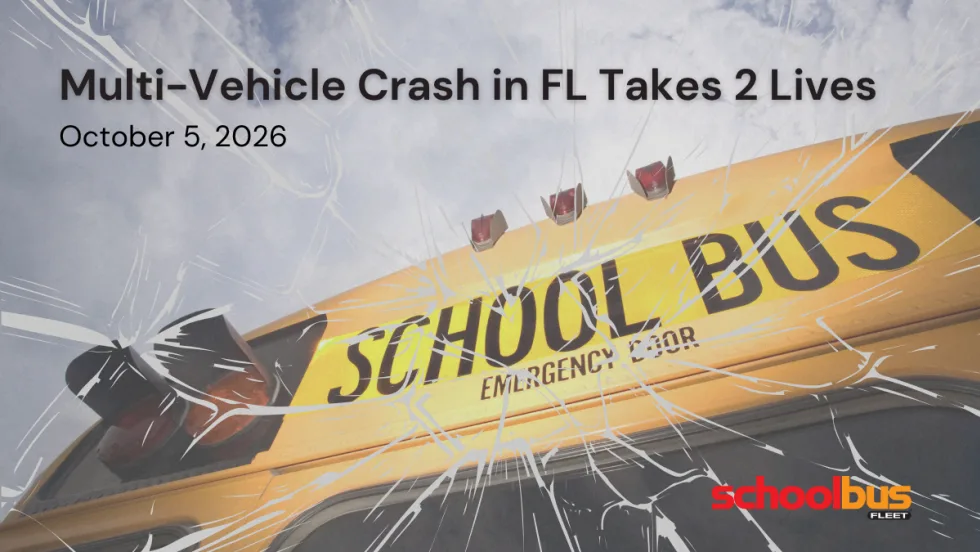
2 Killed, Dozens Injured in Florida School Bus Crash
A multi-vehicle collision caused a Polk County school bus carrying 37 students to overturn on its way to Winter Haven High School.
Read More →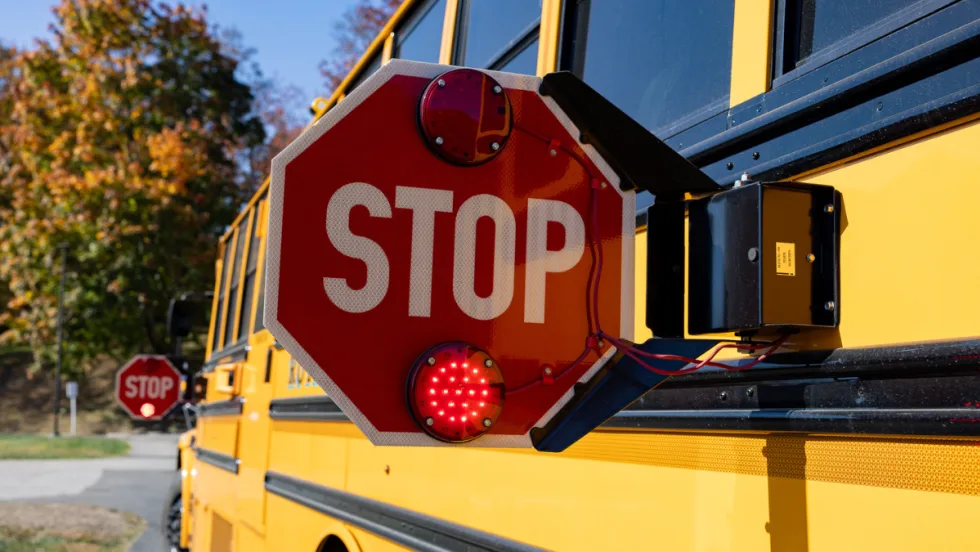
Illegal School Bus Passing Drops 24% in New York Districts
With fewer than 5% of citations involving repeat offenders, Westchester County officials said enforcement, education, and community partnerships are helping change driver behavior.
Read More →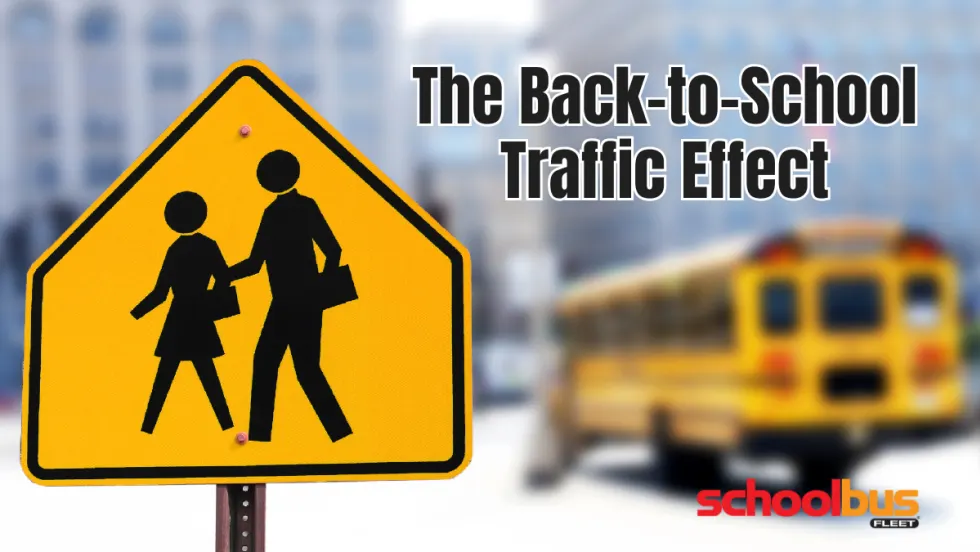
School's Back. Here's What Happened to Traffic, Speeding & Distraction
What happens to traffic when school resumes? New data analysis examines changes in distracted driving, congestion, and speeding around schools.
Read More →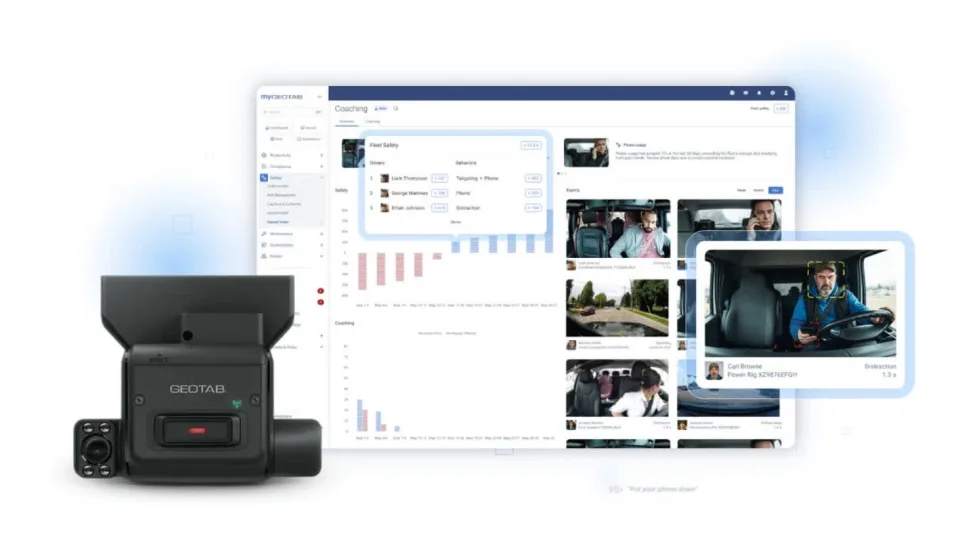
Geotab Expands Fleet Safety Tools With Video Coaching, Risk Insights
New safety and video capabilities aim to help fleet managers assess risk, support drivers, and take targeted action through video coaching, red-light violation detection, and more.
Read More →
How to Build a Better School Bus Driver Training Program
Is it time to strengthen your driver training? Here’s how to pick the right talent and improve recruitment, retention, and safety. This video is brought to you by IC Bus.
Read More →
Recent School Bus Accidents Leave 2 Dead, 2 Injured
Four school bus crashes in Florida, Illinois, and Georgia highlight risks in transportation lots, at bus stops, and during student loading and unloading.
Read More →
When Every Second Matters, Clarity Keeps Routes Moving
From routine delays to urgent incidents, strong communication practices help drivers, dispatchers, schools, and families respond with confidence.
Read More →
What Happens When a School Bus Catches Fire — and What Can Help
School bus fires are rare but can be devastating. Learn how advances in fire suppression and asset protection help fleets detect fires earlier, reduce damage, and improve safety.
Read More →
Geotab Launches Tool to Help Fleets Investigate Road Incidents
Geotab Investigations combines telematics data, video, documents, and other evidence to help fleets reconstruct incidents, resolve claims, and determine what happened.
Read More →
Texas Sixth Grader Wins 2026 National School Bus Safety Poster Contest
Sai Darshana Yekolu of Moseley Middle School in Prosper, Texas, was named the newest winner for her artwork, bringing the theme of “Safe Rides, Everyday Heroes” to life.
Read More →