





More Safety Stats: NHTSA Releases 10-Year Review of Fatal School Bus Crashes
What Changed in DOT’s New National Roadway Safety Strategy?
The federal agency's new plan shifts its focus to safer people, roads and vehicles, with a new three-pronged approach instead of five. One outlined action even addresses a key industry concern around illegal school bus passing.
August 20, 2026
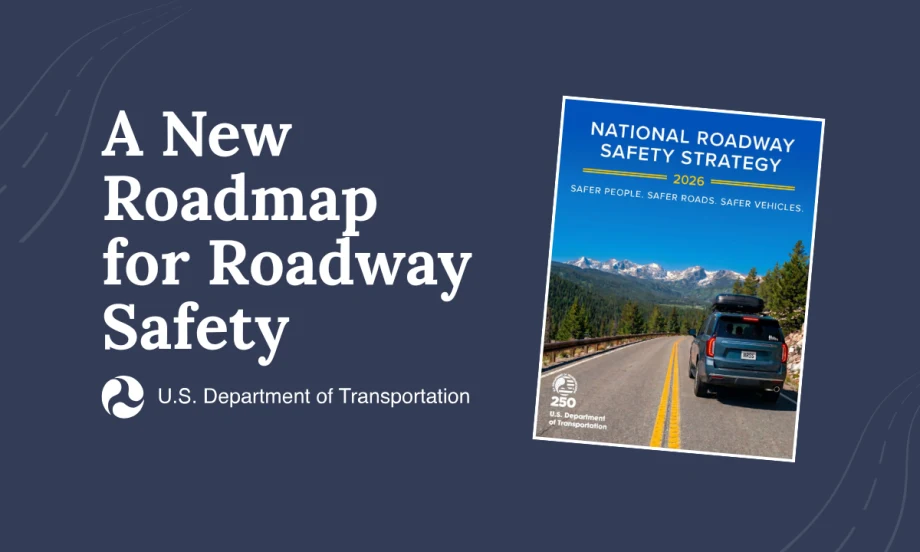
The 2026 National Roadway Safety Strategy reorganizes DOT’s approach around three core objectives — Safer People, Safer Roads and Safer Vehicles — replacing the previous five-part framework.
Credit:
U.S. DOT/School Bus Fleet
4 min to read
Earlier this month, U.S. Transportation Secretary Sean Duffy unveiled a new National Roadway Safety Strategy (NRSS) to reduce traffic fatalities and injuries on our nation’s roadways — and one recommendation aligns with the same priorities the student transportation industry has.
The overall new strategy prioritizes three core objectives:
- Safer People: USDOT says it is doubling down on safety for families in rural, urban, and tribal communities, which means stronger support for transportation workers and first responders and a renewed commitment to law enforcement.
- Safer Roads: Through more innovative road design, targeted bottleneck relief, and cracking down on CDL holders, USDOT plans to keep traffic moving while reducing congestion and improve crash outcomes, including secondary crashes.
- Safer Vehicles: To ensure America stays a leader in vehicle safety, USDOT is modernizing safety standards, advancing a national automated vehicle strategy, and investing in tech to reduce preventable crashes.
“President Trump and I are committed to keeping American families safe on our roads,” Duffy said of the new strategy in a department press release. “In the past year alone, we’ve partnered with law enforcement agencies to step up traffic enforcement, removed dangerous foreign truck drivers off the roads, and launched new educational campaigns on the dangers of distracted driving, drunk driving, and driving without a seat belt. This new strategy builds on that progress by doubling down on our coordination with the police, enhancing our anti-congestion initiatives, and embracing automotive innovation to make our streets safer than ever.”
How the 2026 Roadway Safety Strategy Differs From the Previous Plan
The previous plan, dubbed the “Safe System Approach,” was released in January 2022 by then-department secretary Pete Buttigieg under the Biden administration. Its five-pronged model included: safer people, safer roads, safer vehicles, safer speeds, and post-crash care.
The new plan reduces the prior five elements to three. Safer Speeds is no longer a standalone objective, while post-crash care is folded into the Safer People initiatives.
A Shift Away From Speed Management Draws Criticism
Eric Richardson, a longtime fleet manager for the City of New York and road safety advisor, who recently founded EBR Safety Solutions, wrote in his newsletter that: "The new plan gets one thing right: the goal must be zero traffic deaths. Unfortunately, it gets almost everything else wrong."
He continues: "The strategy’s safer roads approach reflects a major shift. It no longer emphasizes bike-friendly street designs, protected bike lanes, pedestrian plazas, pedestrian safety islands, or road diets that slow traffic. Instead, it prioritizes efficient vehicle movement, echoing the current DOT secretary’s statement that 'a safe road moves people and goods efficiently and without delay.' The strategy makes no mention of pedestrian safety or bicycling infrastructure...More troubling still, safer speeds has disappeared entirely. Although the strategy acknowledges that speeding contributes to one-third of all roadway deaths, none of its 15 listed actions directly addresses the problem."
The DOT says that traffic deaths already fell 6.7% this year compared to 2024. But Richardson notes that reduction is tied to a focus on safe speeds. "Given that more than 600 pedestrians are killed each year in speeding-related crashes, removing these tools from the strategy is detrimental, illogical, and irresponsible," he said.
According to analysis from the nonpartisan nonprofit Eno Center for Transportation, the new plan also downgrades the number of identified actions, from the original 29 that later increased to 43 to the current 15. "Of those actions, Secretary Duffy’s NRSS has a much lighter focus on either grantmaking or regulatory activity compared to the Biden era strategies. Only two actions direct use of federal grants to address safety," it wrote.
According to World Health Organization data, global road traffic deaths declined by 21% between 2011 and 2025, and traffic crashes were responsible for more 1.1 million deaths last year. In the U.S., roadway fatalities rose from just over 32,000 individuals killed in 2011, to more than 43,000 killed in 2021.
What the New Strategy Means for School Transportation
Aside from DOT's increased oversight of programs for licensing “safe, qualified commercial drivers,” one win for the school transportation industry lies in this addition to the safe people category:
"Champion safety initiatives to get children and families home safely, including educational and outreach campaigns, enforcement against illegal school bus passing, and encouraging the deployment of effective countermeasures to promote family safety."
Notably, the National School Transportation Association has been actively working with federal regulators and elected officials to advance advocacy for the pupil transportation industry and one goal of seeing a national PSA about the dangers of illegal school bus passing. At its recent Capitol Hill Bus-In, NSTA members held meetings to advance two key pieces of legislation: the Driving Forward Act and the Brake for Kids Act, the latter which directs NHTSA to develop a campaign to educate the public on this very topic.
We'll continue watching the strategy's implementation. The plan's focus on illegal school bus passing, commercial driver qualifications, and emerging vehicle safety technology are already touching on key areas that have the industry's focus.
More Safety
2 Killed, Dozens Injured in Florida School Bus Crash
A multi-vehicle collision caused a Polk County school bus carrying 37 students to overturn on its way to Winter Haven High School.
Read More →
Illegal School Bus Passing Drops 24% in New York Districts
With fewer than 5% of citations involving repeat offenders, Westchester County officials said enforcement, education, and community partnerships are helping change driver behavior.
Read More →
School's Back. Here's What Happened to Traffic, Speeding & Distraction
What happens to traffic when school resumes? New data analysis examines changes in distracted driving, congestion, and speeding around schools.
Read More →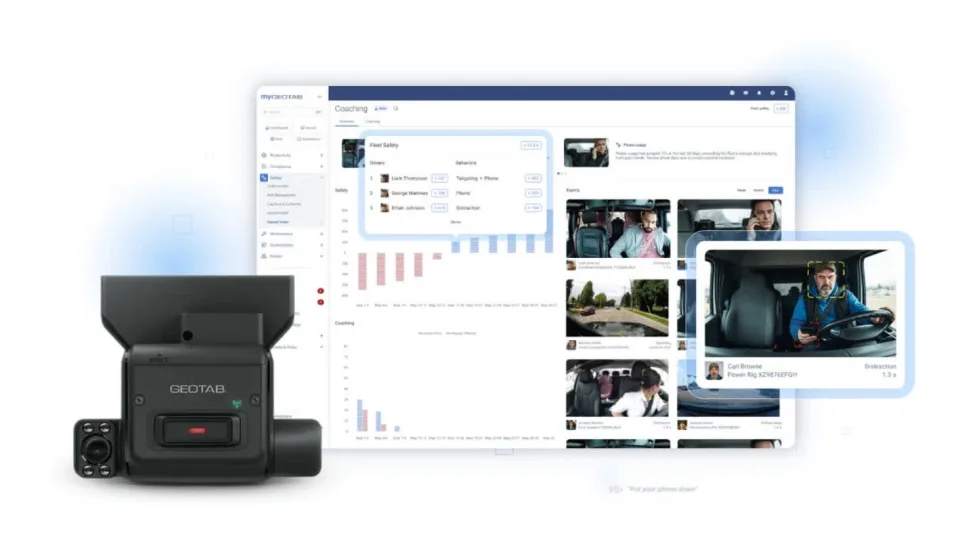
Geotab Expands Fleet Safety Tools With Video Coaching, Risk Insights
New safety and video capabilities aim to help fleet managers assess risk, support drivers, and take targeted action through video coaching, red-light violation detection, and more.
Read More →
How to Build a Better School Bus Driver Training Program
Is it time to strengthen your driver training? Here’s how to pick the right talent and improve recruitment, retention, and safety. This video is brought to you by IC Bus.
Read More →
Recent School Bus Accidents Leave 2 Dead, 2 Injured
Four school bus crashes in Florida, Illinois, and Georgia highlight risks in transportation lots, at bus stops, and during student loading and unloading.
Read More →
When Every Second Matters, Clarity Keeps Routes Moving
From routine delays to urgent incidents, strong communication practices help drivers, dispatchers, schools, and families respond with confidence.
Read More →
What Happens When a School Bus Catches Fire — and What Can Help
School bus fires are rare but can be devastating. Learn how advances in fire suppression and asset protection help fleets detect fires earlier, reduce damage, and improve safety.
Read More →
Geotab Launches Tool to Help Fleets Investigate Road Incidents
Geotab Investigations combines telematics data, video, documents, and other evidence to help fleets reconstruct incidents, resolve claims, and determine what happened.
Read More →
Texas Sixth Grader Wins 2026 National School Bus Safety Poster Contest
Sai Darshana Yekolu of Moseley Middle School in Prosper, Texas, was named the newest winner for her artwork, bringing the theme of “Safe Rides, Everyday Heroes” to life.
Read More →