





6 Students Died from School Bus Loading/Unloading in 2024-25
New York 5-Year-Old Killed by School Bus, Investigation Ongoing
A Rockland County child was struck by their school bus late last week. Here's what we know so far about this and other fatalities and injuries in the area over the years.
February 3, 2026
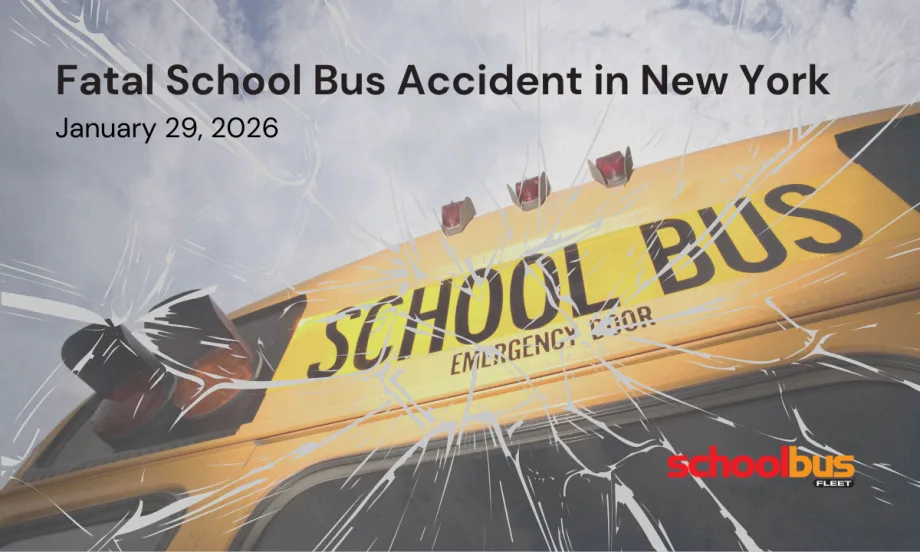
As authorities investigate the accident, the bus has been towed for state DOT inspection.
Source:
School Bus Fleet
2 min to read
- A 5-year-old New York student was fatally struck by a school bus on Ostilla Avenue in the Village of New Square, Rockland County.
- The child, identified by one local news as Mattisyahu Glick, was taken to Westchester County Medical Center, where they died from their injuries.
- The area has a history of school bus accidents.
*Summarized by AI
Last Thursday morning, a New York student was struck and killed by a school bus in Rockland County on Ostilla Avenue in the Village of New Square, CBS reported.
According to reports, the "bus driver did not realize they struck the child before getting flagged down and returning to the scene."
Rockland Hatzoloh EMS responded to the scene. The child died around 12:15 p.m. at Westchester County Medical Center.
Local news outlet The Monsey Scoop reported the child's name as Mattisyahu Glick. This has not been confirmed by local officials yet.
The bus company is cooperating with investigators, and the bus, named Yeshiva Avir Yakov, was towed and will be inspected by the state Department of Transportation, according to police.
"The Ramapo Police Department extends its condolences to the family and community during this extremely difficult time. We respectfully ask for patience as the investigation continues," police told the Hudson Valley Post.
This is not the first time this area has seen a school bus accident, according to local reports. Last month, another child was seriously injured after he fell out of the back of a moving bus. Two years ago, an 8-year-old boy was hit and killed by a bus in New Square. And in 2022, several children were seriously injured after a school bus lost control on the road and crashed into a house in Ramapo.
Stay tuned for more updates.
More Safety

How to Build a Better School Bus Driver Training Program
Is it time to strengthen your driver training? Here’s how to pick the right talent and improve recruitment, retention, and safety. This video is brought to you by IC Bus.
Read More →
Recent School Bus Accidents Leave 2 Dead, 2 Injured
Four school bus crashes in Florida, Illinois, and Georgia highlight risks in transportation lots, at bus stops, and during student loading and unloading.
Read More →
Sponsored•September 8, 2026
When Every Second Matters, Clarity Keeps Routes Moving
From routine delays to urgent incidents, strong communication practices help drivers, dispatchers, schools, and families respond with confidence.
Read More →

What Happens When a School Bus Catches Fire — and What Can Help
School bus fires are rare but can be devastating. Learn how advances in fire suppression and asset protection help fleets detect fires earlier, reduce damage, and improve safety.
Read More →
Geotab Launches Tool to Help Fleets Investigate Road Incidents
Geotab Investigations combines telematics data, video, documents, and other evidence to help fleets reconstruct incidents, resolve claims, and determine what happened.
Read More →
Texas Sixth Grader Wins 2026 National School Bus Safety Poster Contest
Sai Darshana Yekolu of Moseley Middle School in Prosper, Texas, was named the newest winner for her artwork, bringing the theme of “Safe Rides, Everyday Heroes” to life.
Read More →
Sponsored•August 27, 2026
Doing More With Less: How Transportation Directors Can Prioritize Safety Amid Budget Uncertainty
With diesel prices soaring and nearly one-third of transportation directors expecting budget cuts, maintaining student safety has never been more challenging. Download this guide to learn how leading districts are prioritizing risk, funding critical safety technology, and building stronger budget cases with data.
Read More →
Walton County Schools Adds Gatekeeper Stop-Arm Enforcement System
The Florida district will deploy Gatekeeper’s updated Student Protector technology, which now incorporates AI to improve video evidence.
Read More →
How To Build a More Secure School Bus Yard During and After Hours
As thefts and overnight security threats continue, school transportation leaders are combining stronger operational practices with AI-enabled surveillance to better protect buses, facilities, and staff.
Read More →
FMCSA Names New Chief Safety Officer: What School Bus Operators Should Know
Steve Dowling is set to lead the federal agency's efforts to advance commercial motor vehicle safety and reduce crashes, fatalities, and injuries on the nation's roadways.
Read More →