Ongoing driver shortages nationwide are forcing tough transportation decisions. See how districts are using supplemental transportation to maintain coverage for high-needs students.
School districts across the country continue to face mounting transportation pressures. School bus driver shortages persist, student needs are more specialized, and routes are increasingly dispersed. Even districts with strong hiring efforts find that traditional school bus fleets alone cannot consistently cover every route safely or efficiently.
In response, many districts are adopting supplemental student transportation as part of a blended, modern transportation model. According to recent research, 98% of school districts are actively modernizing their student transportation, with nearly 40% already adopting contracted student transportation as a part of their modernization efforts. By pairing yellow buses with flexible, small-vehicle services, districts are finding new ways to stabilize operations, protect instructional time, and support students most affected by workforce shortages.
The Driver Shortage Is a Structural Challenge
The school bus driver shortage is not a temporary disruption. Competitive labor markets, barriers to CDL training, split shifts, and pandemic-era retirements have reshaped the transportation workforce. While some regions have seen incremental improvement, most districts still report difficulty covering routes, particularly for long-distance, low-density, or highly specialized routes.
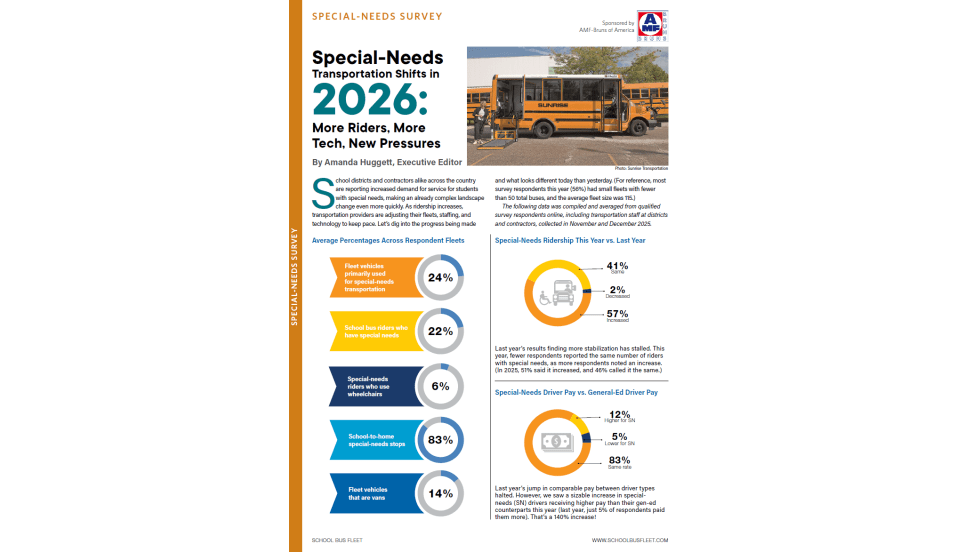
At the same time, demand for individualized transportation continues to rise. In the 2022–23 school year, more than 1.3 million students were identified as experiencing housing instability under the McKinney-Vento Act, and approximately 15% of public-school students ages 3–21 received special education services nationwide. Nearly half (49%) of school districts reported an increase in their McKinney-Vento student population, while 62% reported an increase in the population of students with special needs compared to the previous year. These students often attend schools outside their home zones and require reliable, consistent transportation aligned with individualized plans.
Together, these pressures mean that hiring school bus drivers alone cannot solve the problem. Districts must adapt how transportation is delivered.
What Is Supplemental Student Transportation?
Supplemental student transportation, sometimes referred to as alternative student transportation, provides safe, vetted small-vehicle services delivered through third-party providers that operate alongside a district’s bus fleet. These services are used when a route is too far, too complex, or too resource-intensive for a traditional bus to serve efficiently.
This model supports one-to-one or small-group rides, flexible scheduling, and shorter travel times. It is particularly valuable for students in special education programs, foster care, McKinney-Vento situations, medically fragile placements, or out-of-district programs.
Rather than functioning as a standalone system, supplemental transportation is designed to integrate with district operations and safety expectations, extending capacity without requiring additional buses, district-managed vehicles, or long-term staffing commitments.
Why Supplemental Transportation Helps During Driver Shortages
When school bus driver availability fluctuates, districts often consolidate routes or leave coverage gaps. These decisions can result in longer ride times, overcrowding, delayed arrivals, or missed school days, especially for vulnerable students.
Aggregated operational data from districts using supplemental transportation show that adding small-vehicle capacity alongside buses can reduce uncovered or partially covered routes during peak driver-shortage periods. Districts also report more consistent on-time arrival for students requiring individualized transportation, helping protect attendance and instructional time.
For transportation teams, this flexibility reduces daily route triage and allows limited bus drivers to remain focused on high-capacity routes where they are most effective.
Operational Benefits Beyond Coverage
Supplemental transportation supports districts in several key ways:
● Improved reliability: Small vehicles maintain service when buses are understaffed or geographically stretched.
● Support for high-needs students: Flexible routing aligns with IEPs, care plans, and placement requirements.
● Safety and compliance alignment: Providers operate under defined vetting, vehicle inspection, and monitoring standards.
● Greater efficiency: Districts can right-size transportation and reduce inefficient mileage.
● Scalability: Services can expand during peak periods or emergencies and scale back as needs change.
Importantly, supplemental transportation does not replace traditional buses. It strengthens the overall system by filling gaps that large fleets are not designed to address on their own.
When Districts Turn to Supplemental Transportation
Districts often integrate supplemental transportation when:
● Routes remain uncovered despite ongoing hiring efforts
● High-needs students experience transportation-related absenteeism
● School bus driver shortages lead to overcrowding or excessive route consolidation
● Long-distance or individualized routes strain fleet capacity
In these scenarios, a blended transportation model provides stability without compromising safety or equity.
A Blended Model for Modern Student Transportation
The realities facing school transportation, such as labor shortages, rising specialized needs, and geographic complexity, are unlikely to disappear. Districts that combine traditional bus fleets with supplemental transportation are better positioned to absorb both daily disruptions and long-term workforce challenges.
By expanding capacity where buses are least efficient, supplemental transportation helps districts maintain reliable access to school for every student, even amid ongoing bus driver shortages.
This article reflects the views of EverDriven and does not necessarily represent the views of School Bus Fleet or Bobit Business Media.