





Cleaning Up: EPA Proposes Tougher Emissions Standards for School Buses
Report: School Attendance Benefits from EPA Bus Rebates
The report from the online journal Nature Sustainability indicated 350,000 additional days of attendance per year for students in districts that received Environmental Protection Agency rebates between 2012 and 2017.
April 17, 2023

Cleaner school buses can help attendance outcomes, which are linked to student achievement, according to the report.
Image: Canva
2 min to read
School districts selected for clean school bus funding by the Environmental Protection Agency between 2012 and 2017 saw more than 350,000 estimated additional student days of attendance, according to a recent report from online research journal Nature Sustainability.
“Attendance improvements were greatest when the oldest buses were replaced and for districts with high ridership on applicant buses,” the report stated. “Extrapolating our results nationwide, we expect that the replacement of all pre-2000 model year school buses would lead to more than 1.3 million additional student days of attendance per year.”
The increase at which older, higher-polluting buses are replaced therefore seems to have a positive impact on student attendance, the report found.
Of 2,816 EPA applicants that met inclusion criteria and had complete data, 383 were selected for funding. The report’s authors noted that they found no statistical differences when comparing district sizes, demographics, and socio-economic status between winning and losing districts.
The Cleaner School Bus Data
Information gathered for the report included:
EPA funding applicant data from lotteries between 2012 and 2017, including selection status, number of replacement buses requested, buses and engines replaced or retrofitted, and engine model year of replaced engines.
School district information from the U.S. Department of Education’s annual Local Education Agency Universe Survey Data.
School district attendance data between 2012-2019 from each state’s education department.
Beneficial Impacts of Lottery Selection
“Our findings are noteworthy because the randomized allocation of funding by the EPA allows for causal interpretation of the impact of school districts switching to cleaner buses,” the report stated.
The impacts from cleaner school buses are meaningful, given links between school attendance and student achievement.
“Excessive school absenteeism has also been linked to substance use, grade retention, and school dropout, the latter of which can have economic and health consequences in adulthood,” the report indicated.
The report’s authors noted that the study was limited by the relatively small number of entrants chosen for funding. Further restriction of data came when the authors had to scrap plans to include 2018 funding data due the lottery’s disruption by the coronavirus pandemic in 2019.
More Alternative Fuels
Bipartisan Bill Seeks to Extend Clean School Bus Program Through 2031
The proposed legislation would renew federal support for cleaner school buses as districts navigate funding uncertainty, rising fuel and infrastructure costs, and fleet replacement needs.
Read More →
Alt-Fuel Moves: Electric Bus Rollouts, Bidirectional Charging & Propane Growth
See which fleets are adding electric and propane school buses as districts and operators invest in charging infrastructure, bidirectional technology, and alternative-fuel expansion.
Read More →
Nobody Told Diesel Prices They Were Supposed to Come Down
With diesel prices surging, school bus fleets have new reason to stress-test fuel costs, consider diversification, and calculate what each route really costs to operate.
Read More →
Why Gasoline School Buses Are Making a Comeback
Gasoline is gaining ground in full-size school buses. See how today’s options stack up against diesel on cost, maintenance, emissions, performance, and more.
Read More →
EPA Opens $180M DERA Funding Round for Diesel Upgrades
The 2026 Diesel Emissions Reduction Act program seeks applications from eligible organizations to accelerate the retirement of legacy diesel vehicles.
Read More →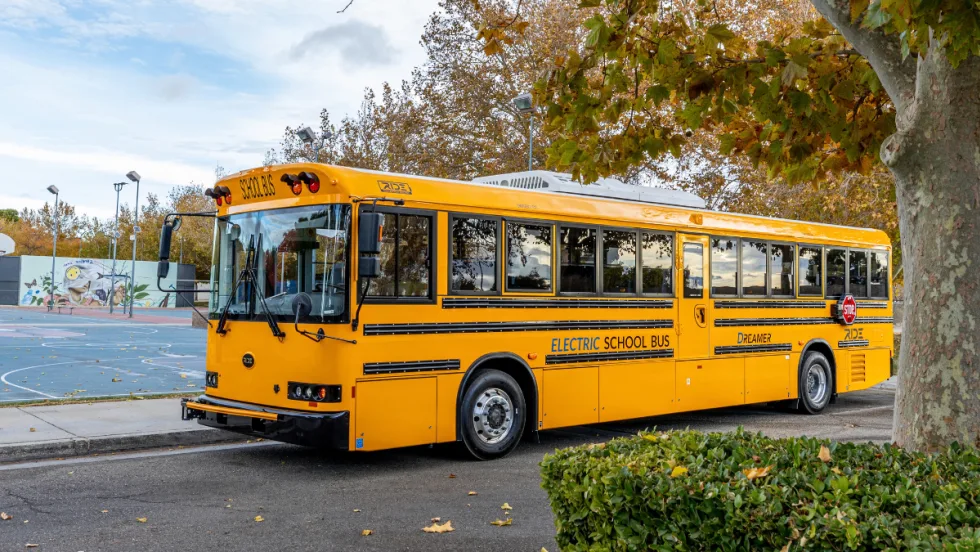
The Secret Life of an Electric School Bus Battery
Batteries change throughout years of daily routes, but degradation doesn’t necessarily mean the end. Here’s what operators should know about performance, safety, and second life.
Read More →
CALSTART and Forth Combine to Form Catalyst Mobility
The new name represents a renewed vision for the nonprofit focused on advancing clean, equitable, and affordable transportation solutions that move people and goods.
Read More →
Alt-Fuel Moves: New Buses, Charging Hubs & Real-World EV Testing
Propane and electric school bus deployments continue to grow as districts add new vehicles, expand charging infrastructure, and gather more real-world operating data.
Read More →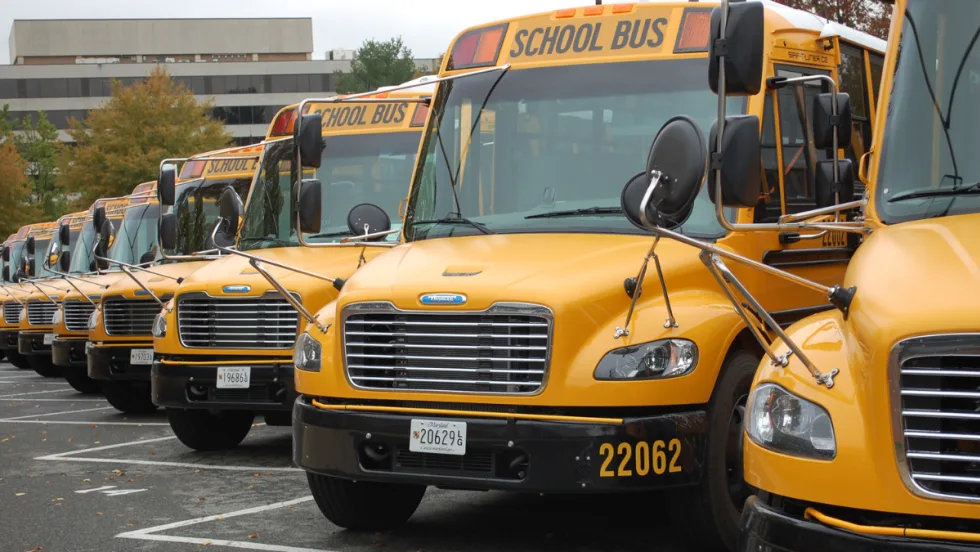
Fewer Electric School Bus Models Reshape the U.S. Market
WRI’s latest buyer’s guide points to a consolidating electric school bus market, but fewer options may reflect a maturing industry rather than fewer meaningful choices for school bus operators.
Read More →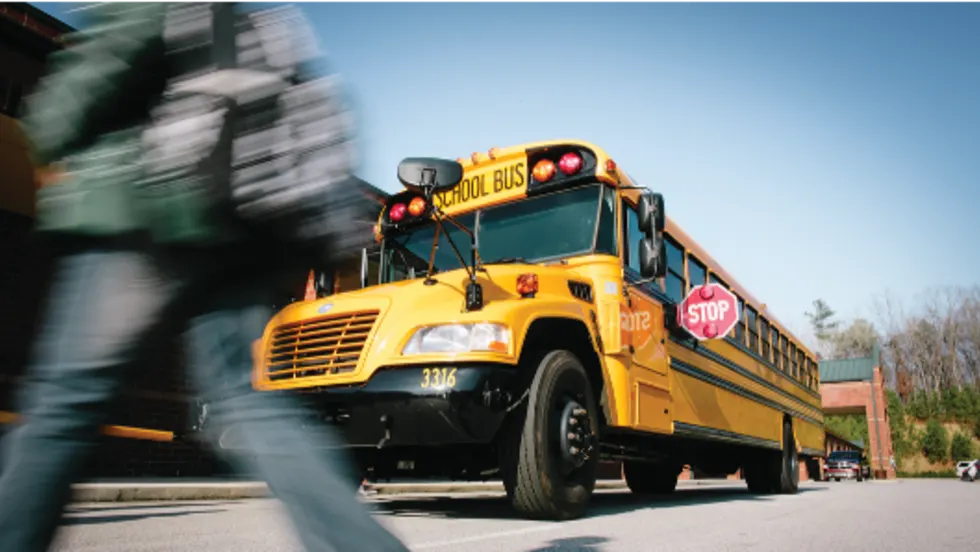
The Fuel Budget You Can Actually Predict: How Propane Autogas Keeps Money in the Classroom
Learn how propane autogas helps school districts manage fuel costs with predictable pricing, lower maintenance, and reduced emissions from former transportation director Joel Stutheit.
Read More →