




Traffic Control & School Bus Stops: 9 Keys to Keeping Students Safe
How GPS Tracking Helps School Bus Fleets Improve On-Time Performance Without Adding Routes
Struggling with late buses? GPS data can help fleets cut delays, fix route bottlenecks, and improve on-time performance without adding routes.
by Robert Hall, Jr., Track Your Truck, Inc.
March 6, 2026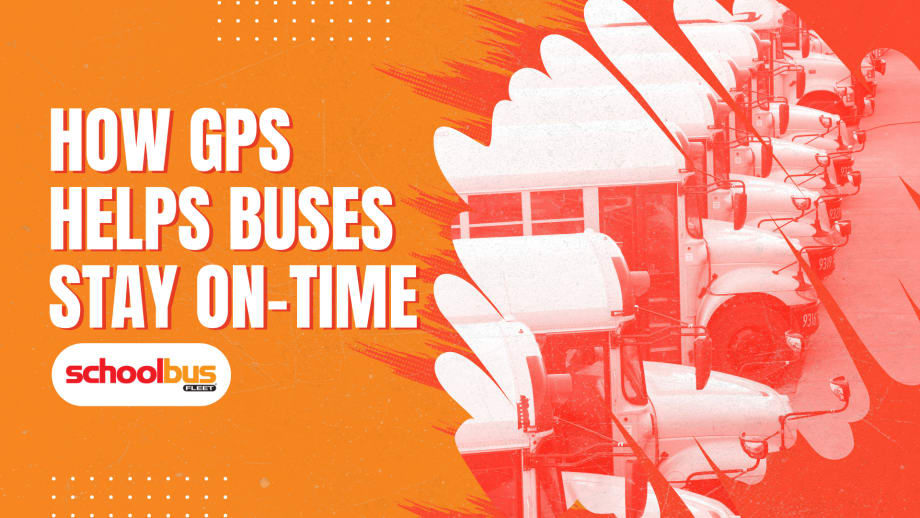
In practice, districts that have implemented real-time GPS tracking have documented measurable improvements.
Credit:
Denver Public Schools/School Bus Fleet
7 min to read
Few people enjoy waiting for the school bus. Parents need to get on the road to work, and students need to arrive at school on time. Even small delays can contribute to increased costs and inefficiencies for everyone who depends on the transportation system.
Fortunately, school bus fleets can employ new technologies to increase efficiency. GPS tracking software specifically can analyze route adherence and dwell time data to show how driver behavior affects route performance. This information can create opportunities for school bus fleet managers to target operational adjustments that improve on-time performance without extra routes.
Modern Challenges Facing School Bus Fleets
Labor Shortage
Finding qualified drivers for school bus fleets continues to be a challenge, even as pandemic-era shortages start to ease.
The Economic Policy Institute reports that employment of school bus drivers has increased slightly between 2024 and 2025, but still lagged nearly 10% behind 2019 figures. The EPI claims that threats to school budgets from the U.S. Department of Education, along with the end of pandemic relief funds, contribute to the lack of enough school bus drivers.
Frequent Delays
Ideally, school bus fleets operate as tightly run systems providing timely transportation to and from school. For many schools, the reality is much different.
Difficulty getting buses out of the facility contributes to delays. Parents start to worry about their children spending too much time waiting at the bus stop. As drivers take more time to pick up students, they are more likely to drop them off later. Late drop-offs increase tardiness and force teachers to adjust their teaching schedules to accommodate.
In practice, districts that have implemented real-time GPS tracking have documented measurable improvements. For example, one school district highlighted in a fleet technology case study reported reducing bus delays by as much as 40% after adopting real-time tracking and automated notifications for parents and staff.
Rising Expenses
According to the National Center for Education Statistics, schools spend about $1,200 per year on average to bus a single student to and from school, but this figure only tells part of the story.
While the cost of diesel fuel has retreated from its high of nearly $5.60 per gallon in 2022, per the U.S. Energy Information Administration, costs continue to grow in other areas. According to School Bus Fleet research, 30% of operators cited rising costs and budget pressures as their top challenge when it comes to maintenance. And many districts and contractors both say costs are rising across the board, from bus prices and parts to insurance, while funding continues to be cut.
Increased Safety and Compliance Requirements
As the public becomes more aware of technologies like GPS to provide real-time tracking and vehicle positioning, they come to expect more from their school bus drivers and school administration. Parents want to know where the bus is, how long their children will have to wait before they are picked up (or dropped off), and whether their children were able to catch the bus in time. These growing expectations often manifest in the form of heightened requirements for drivers and fleet managers, such as student tracking or audit logging.
In one independent school, administrators noted that providing parents with live bus location updates significantly improved transparency and reduced uncertainty around pickup times.
Insufficient Data
As the modern school bus fleet faces these challenges, the frequency and quality of data significantly affect the types of solutions available. Many operations rely on older technology (or even paper routing), which means that they may not have access to GPS and other tools to improve efficiency.
And some other schools make impractical choices, such as buying yet another school bus instead of focusing on targeted improvements that increase efficiency. In many cases, a new vehicle may not be the most efficient or necessary solution.
How Telematics Can Improve School Bus Fleet Efficiency
Gain Real-Time Visibility
For school bus fleets that have yet to implement GPS and other telematics into efficiency programs, access to real-time data and visibility may be the biggest advantage. Fleet managers and dispatchers who do not know the location of a specific bus or cannot verify anything beyond the time of departure from the holding facility are lacking the information they need to make effective changes.
Real-time visibility means that the dispatcher knows at a glance the location of each vehicle, its position on the route, and the estimated time to the next stop or final destination.
Tighten Departure Procedures
When a school has multiple buses that need to leave at approximately the same time, the departure procedure can significantly affect overall timing. Fleet managers may think that the loss of a minute or two is no big deal. But these delays increase fuel consumption and driver frustration as they wait for the bottleneck to clear.
Data about the extent of the delay can help to drive improvements, such as checking off and clearing drivers to leave as they arrive.
In GPS timestamp-tracking implementations, districts have identified consistent morning departure bottlenecks and adjusted staging or release timing to recover several minutes per route — improvements that compound across an entire fleet.
Refine Stop Timing
Stop timing is a critical efficiency for school buses, as each one often has numerous stops before reaching the destination. School bus stops require carefully evaluating the area for safety, stopping at the designated location, and waiting for students to climb on and take a seat.
GPS data can track how long each bus spends at a stop, identifying averages and outliers. This data can provide insights into the reasons that certain stops take longer than others, allowing admins to devise routes and stop locations that save time.
Address Recurring Bottlenecks
Inefficiency often contributes to fleet managers feeling like they need to add another bus or route, but clearing bottlenecks may resolve the inefficiency another way.
Traffic congestion, high-volume stops, or poorly timed signals can significantly impact schedules. Telematics can provide data-driven insights about these common bottlenecks to prompt efficient improvements, like optimizing a route for traffic or adjusting the frequency of stops.
Some districts have used historical GPS route data to identify recurring traffic chokepoints — such as rail crossings or peak congestion corridors — and rerouted select buses during high-impact windows to improve on-time percentages without expanding the fleet.
Integrate Data-Driven Training
Effective training and onboarding for new school bus drivers must be specific and targeted to the skills they will regularly use. GPS helps support data-driven training so drivers can start their jobs better prepared.
Drivers can receive specific information about their own performance, such as the time it takes to complete a single stop compared to other drivers. This data can help drivers target behaviors for efficiency and on-time performance.
Improve Response Times
Inclement weather and traffic jams can cause significant delays, leading buses to arrive late for student pickups. GPS can identify these potential issues and use historical data to establish optimal routes and stop procedures. The technology can trigger a pivot, causing a driver to take a different route to avoid an accident or slippery road. This means the driver has a better response time, lowering the long-term impact of routine delays.
Live Updates
While GPS allows fleet managers to improve overall efficiency, it can also increase transparency to staff and students. Software from a vehicle tracker company can provide critical updates about school bus schedules and the timing of each vehicle. With these live updates, school administrators can gain advance warning of a delayed bus. In turn, parents get regular updates so they can ensure that their students arrive at the stop on time for pickup.
Reduce Call Volume
As transportation for more than 24 million students each year, school buses are a critical service that many depend on. A lack of technology means that schools must increase their communication with fleet managers or dispatchers, often leading to increased costs for help line staffing. With real-time transparency, school bus fleets can decrease the amount of time they spend talking to administrators and parents about the timing of a particular bus. This advantage provides better information and service, while reducing overall call volume and confusion.
Schools that have introduced parent-facing live tracking tools report noticeable reductions in inbound transportation calls, as families can independently confirm bus location and estimated arrival times.
Improving bus and route performance requires addressing inefficiencies such as long bus stops and poor route optimization. By integrating GPS software into the fleet’s management system, transportation teams can improve response times, avoid bottlenecks, and reduce costs.
About the Author: Robert Hall, Jr., leads Track Your Truck, Inc. as vice president of sales and marketing. He is passionate about helping companies optimize their operations with advanced fleet tracking software while providing friendly support and an easy user experience.
This article was authored and edited according to School Bus Fleet editorial standards and style. Opinions expressed do not necessarily reflect that of SBF or Bobit Business Media.
Subscribe to Our Newsletter
More Technology

Summit School Services to Complete Fleetwide Samsara Technology Rollout
The company said outfitting its entire fleet with AI-powered safety and fleet management technology will strengthen student safety and operational efficiency across its local brands.
Read More →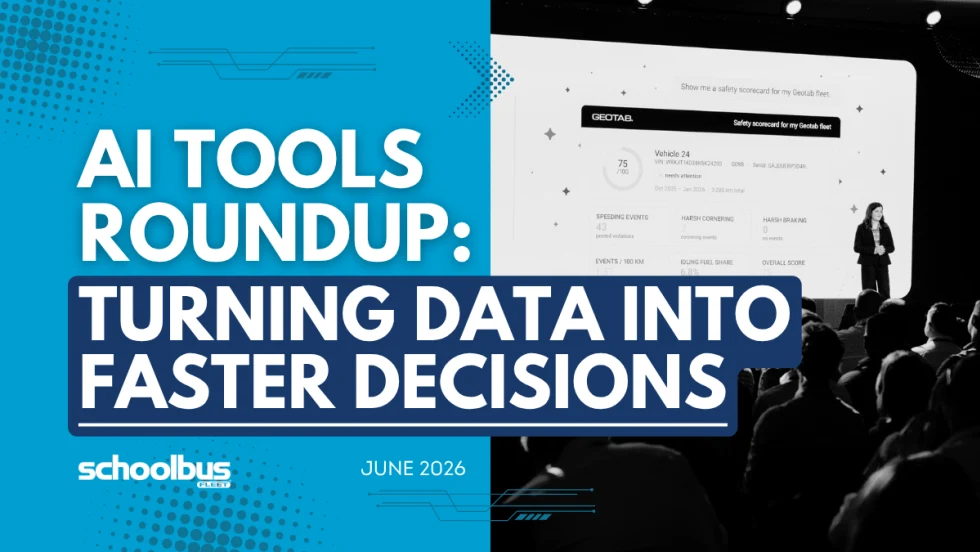
AI Tools Roundup: New Fleet Tools Aim to Turn Data Into Faster Decisions
The latest AI-powered platforms could help student transportation teams analyze fleet performance, manage maintenance, and uncover operational insights using natural-language queries.
Read More →
From Overwhelmed to Optimized: How AI Is Transforming School Transportation Leadership
Artificial intelligence is quickly becoming one of the most practical tools in today’s transportation office. Here’s how it is improving parent communication, board reporting, training development, and overall efficiency — without replacing professional judgment.
Read More →
Where Is All This Tech Taking Us in 2026?
AI and industry technology shifts from reports to real-time coordination in 2026, unifying platforms, boosting safety tech, and making parent transparency the norm.
Read More →
Planning Before Purchasing: A 10-Step Framework for Vetting Tech
New tech tools can drive real impact or real frustration. Here’s how pupil transportation leaders can make smarter, safer, and budget-friendly tech decisions using a vetting process.
Read More →
Driving Made Safer: AI Cameras as a Bus Driver’s Co-Pilot
See how AI-powered driver assistance technology works as a partner on the road, offering timely alerts and coaching to keep students and drivers safe.
Read More →
Inside Parent Routing Apps: How Digital Tools Are Transforming School Transportation
From real-time tracking to instant alerts, technology is reshaping how districts communicate bus routes and changes with parents. Yet, as districts and vendors reveal, successful transportation hinges not just on apps, but also on the people and partnerships behind the screens.
Read More →
How Creative Routing Can Keep You Prepared for the Unexpected
Flexible routing, using routing tools, and easily communicable routes can help you keep ahead of any potential roadblocks when transporting students. Here are some tips for keeping the bus rolling and getting students to school on time, regardless of what the day brings.
Read More →
2025 Trend to Watch: Tech & Telematics in Focus
Discover how telematics is revolutionizing school bus operations in 2025, from GPS tracking and video monitoring to preventive maintenance and AI-enabled insights. Learn about telematics’ evolution, challenges to adoption, and what’s next.
Read More →