




Stay Informed: Crucial Steps to Take After a School Bus Accident
Winter Weather Warrants Caution and Collaboration in School Transportation
Reminders about the critical importance of bus safety from Student Transportation of America include watching for winter hazards, dressing appropriately, and being prepared for the unexpected.
February 6, 2024
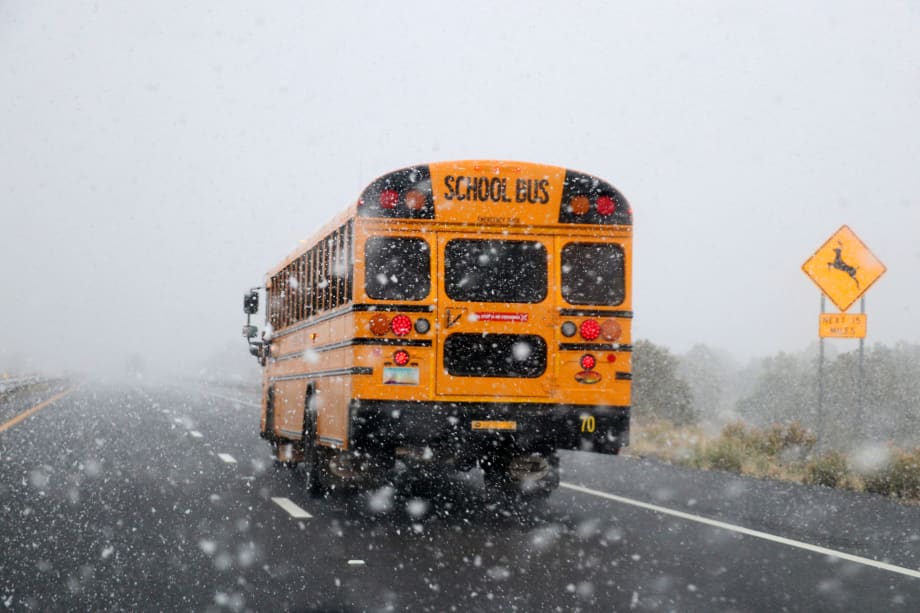
Student Transportation of America offered some winter weather tips for students, guardians, and school district partners.
Photo: Student Transportation of America
2 min to read
Spring's still some time away, and while winter weather remains a threat, school transportation provider Student Transportation of America issued a reminder about staying safe despite the chilly and sometimes hostile elements.
"We work closely with our district partners to determine how weather conditions will impact school closures and our transportation services," said Shelly Hall, senior vice president of health and safety for STA, in a news release. "From adding an extra layer of clothing to avoiding the snow piles at the bus stop, there's a number of ways students and guardians can help play an active role in staying safe this winter."
The company's suggestions underscore the collaborative effort required from students, guardians, and drivers.
Collaborative Approach to Safety
Collaboration is critical between students, guardians, and drivers in ensuring safety during winter weather. Planning ahead and communication with school district partners play a crucial role in adapting to challenging conditions.
Preparation Beyond the Bus Yard
Safety starts before buses hit the road. Ground crews assess road conditions, but students and guardians are encouraged to take additional precautions, considering the winter weather's impact on travel.
Student and Guardian Winter Safety Practices
Dress Appropriately: Students should bundle up with winter clothing, including hats, boots, and gloves, to stay warm at the bus stop.
Early Arrival: Planning to leave early provides ample time to safely reach the bus stop, especially considering the challenges of unplowed driveways and icy sidewalks.
Observant Behavior: Students should remain vigilant for traffic, icy spots, and other hazards. Limiting distractions like headphones and phones is crucial.
Snow Awareness: Avoiding playing in the snow while waiting for the bus, staying away from snow piles, and refraining from throwing snowballs contribute to preventing accidents and falls.
Patience is Key: During adverse weather conditions, slow driving is essential. Students are reminded to be patient in case of delays, and caution is advised when entering or exiting the bus.
General Winter Motorist Driving Tips
Awareness of School Buses: All drivers are urged to be extra vigilant around school buses and bus stops during winter conditions. Following at a safe distance, watching for bus lights, and taking extra caution in intersections are crucial.
Adjusting Speeds: Considering that bridges and overpasses freeze before other surfaces, drivers are advised to adjust their speeds accordingly, especially in school zones, loading zones, and bus stops.
Cooperation for School Bus Accident Prevention
Accidents involving school buses and pedestrians can be avoided through collective efforts. Drivers are urged to slow down, remain cautious, and prioritize the safety of students during winter storm season.
By promoting these safety measures, we can all try to create a safer environment for students, guardians, and drivers during challenging winter weather conditions.
More Safety
How a Texas District Built an Award-Winning Safety Culture
Rockwall ISD's Jennifer Gardella joins The Route to share lessons learned on accident prevention, driver training, coaching, technology, and team culture.
Read More →
How Rockwall ISD Built an Award-Winning Safety Culture
How did one Texas transportation team strengthen bus and traffic safety? Jennifer Gardella shares lessons on driver training, coaching, technology, and team culture. The Route is brought to you by IC Bus.
Read More →
North Carolina Student Killed While Boarding School Bus, Two Die in Utah Bus Crash
A Southern Nash High School student died after being struck by a pickup truck while approaching her school bus. In a separate incident, two people were killed after crashing into a school bus in Utah.
Read More →
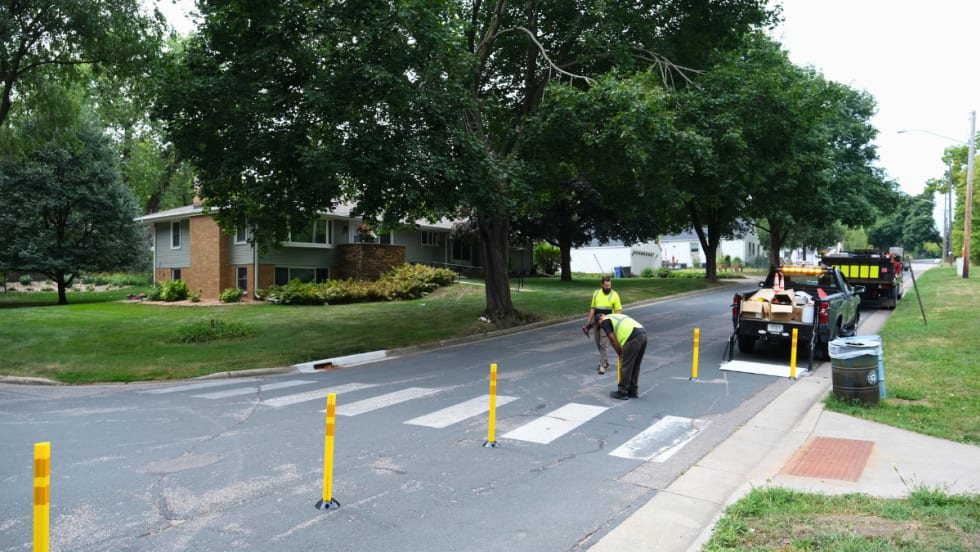
Minneapolis School Zone Pilot Cuts Speeding 41% with Low-Cost Street Design Changes
In a pilot project in Minnesota, two school-area intersections had low-cost, temporary road and traffic flow improvements made to measure the impact on roadway and student safety. Here's what they found.
Read More →
Sitestream, Safety Vision Partner with Connecticut City to Launch School Bus Stop-Arm Camera Program
The new enforcement initiative combines camera technology and violation management software to document illegal school bus passing, encourage driver compliance, and enhance student safety.
Read More →
Sponsored•November 1, 2026
From Reactive to Proactive: Making Every Ride Visible
Smart technology only delivers its full value when it works together. See how Catalyst connects proven industry platforms to move student transportation from reactive to proactive.
Read More →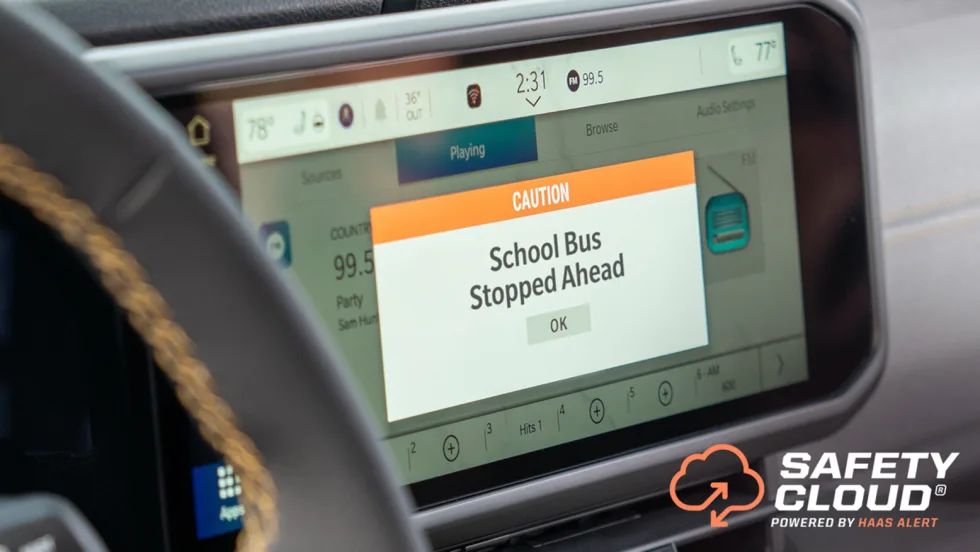
HAAS Alert’s Safety Cloud Warns Motorists of Stopped School Buses
Through a transponder or Samsara connection, the product lets school bus fleets send advance warnings to approaching drivers through in-vehicle alerts.
Read More →
HopSkipDrive Reports Progress on Safety Advisory Council
More than a year after forming the council, independent safety experts have helped shape new rider-safety features and policy progress, with a new goal to address rider behavior.
Read More →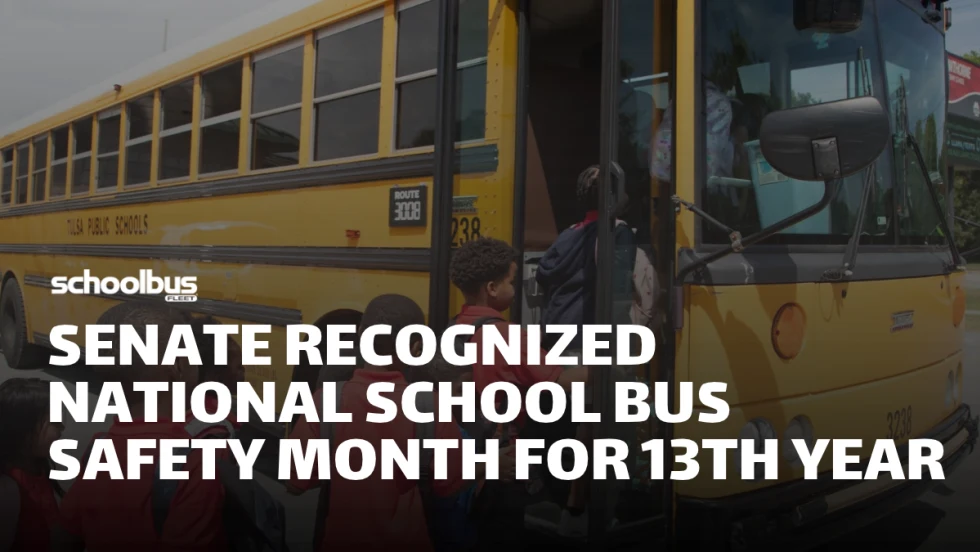
What the 2026 National School Bus Safety Month Resolution Means for Student Transportation
The bipartisan resolution highlights illegal school bus passing, student safety during loading and unloading, and the need for driver training and public education.
Read More →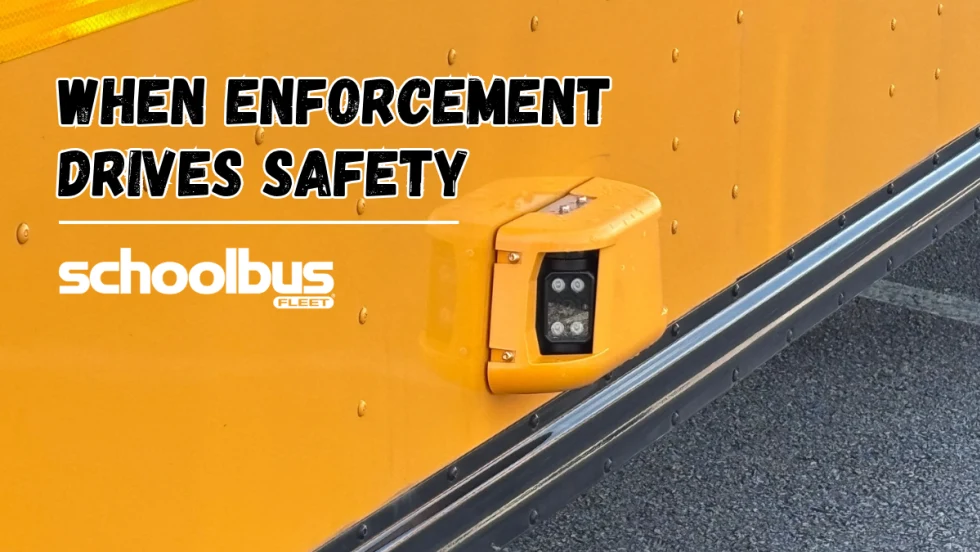
School Bus Stop-Arm Violations Decline 53% Across Verra Mobility Programs
Verra Mobility shares how school bus stop-arm cameras and school zone safety programs are changing driver behavior, reducing violations, and protecting students.
Read More →