





DID YOU MISS: 3 ChatGPT Prompts for Efficient School Bus Maintenance
Contemplating Repower? ChatGPT Has Some Suggestions
Can ChatGPT help you make informed decisions for revamping your school transportation fleet with eco-friendly retrofits?
October 27, 2023
School Bus Fleet posed three prompts to the ChatGPT Large Language Model (LLM) that could be useful to school transportation directors considering repowers for their bus fleets.
Image: Canva
7 min to read
We asked the Large Language Model (LLM) known as ChatGPT for some prompts that could be useful to school transportation directors thinking about retrofitting their diesel fleet for cleaner fuels.
Benefits and Challenges of Repowering School Buses
Prompt 1: I'm interested in repowering my school bus with an alternative fuel system like electric, CNG (Compressed Natural Gas), propane, or RNG (Renewable Natural Gas). Can you provide an overview of the key benefits and challenges associated with each option to help me make an informed decision?
ChatGPT Response: Repowering your school bus with an alternative fuel system like electric, CNG, propane, or RNG comes with various benefits and challenges. Here's an overview of each option to help you make an informed decision:
Electric School Bus
Benefits:
Zero Emissions: Electric buses produce no tailpipe emissions, making them environmentally friendly and contributing to cleaner air.
Lower Operating Costs: Electric buses have fewer moving parts, resulting in reduced maintenance and lower fuel costs.
Quiet Operation: They are significantly quieter than diesel buses, providing a quieter and more comfortable ride.
Potential for Renewable Energy: Charging with renewable energy sources can further reduce your carbon footprint.
Government Incentives: Many regions offer incentives and grants to promote electric bus adoption.
Challenges:
Limited Range: Electric buses typically have a limited driving range per charge, which may be a concern for longer routes.
Charging Infrastructure: You'll need access to charging infrastructure, and installing it can be costly.
Upfront Costs: Electric buses tend to have higher upfront purchase costs compared to diesel counterparts.
CNG School Bus (Compressed Natural Gas)
Benefits:
Lower Emissions: CNG buses produce fewer emissions than diesel, contributing to improved air quality.
Abundant Fuel Source: Natural gas is abundant and often less expensive than diesel.
Quiet Operation: CNG buses are quieter than diesel, providing a more pleasant environment.
Challenges:
Limited Infrastructure: Availability of CNG refueling stations can be limited in some areas.
Conversion Costs: Retrofitting a bus for CNG can be expensive.
Reduced Range: CNG buses may have a shorter range than diesel buses due to space constraints for fuel storage.
Propane School Bus
Benefits:
Clean-Burning Fuel: Propane is a clean-burning fuel, producing fewer emissions than diesel.
Cost-Efficient: Propane can be cost-competitive with diesel, and maintenance costs are generally lower.
Quiet Operation: Propane buses are quieter than diesel, providing a quieter ride.
Challenges:
Fueling Infrastructure: Availability of propane refueling stations may vary by location.
Conversion Costs: Retrofitting a bus for propane can be costly.
Reduced Range: Propane buses may have a shorter range due to the space required for fuel storage.
RNG School Bus (Renewable Natural Gas)
Benefits:
Renewable Energy Source: RNG is produced from organic waste, making it a renewable and sustainable fuel option.
Lower Emissions: RNG buses produce significantly fewer emissions compared to diesel.
Abundant Fuel Source: RNG can be produced locally from organic waste streams.
Challenges:
Limited Infrastructure: RNG refueling infrastructure may not be as widespread as other fuels.
Conversion Costs: Retrofitting a bus for RNG can be expensive.
Availability: RNG availability may vary depending on your region's waste management practices.
When choosing an alternative fuel for your school bus, consider factors such as your specific routes, available infrastructure, upfront costs, long-term savings, and environmental goals. Evaluating these factors will help you make an informed decision tailored to your needs and priorities.
Steps Toward a Repowered School Bus
Prompt: I'm in the process of converting my diesel school bus to run on a more environmentally friendly fuel source. Can you explain the steps involved in repowering a school bus with electric, CNG, propane, or RNG, including any technical requirements and potential cost considerations?
ChatGPT Response: Converting a diesel school bus to run on a more environmentally friendly fuel source like electric, CNG, propane, or RNG involves several steps, along with technical requirements and cost considerations. Here's an overview:
Vehicle Evaluation: Begin by assessing the condition of your school bus. Ensure it's suitable for conversion and identify any structural or mechanical modifications needed.
Choose the Alternative Fuel: Determine which alternative fuel best suits your needs and is available in your region. Consider factors like emissions reduction goals, cost, and availability.
Technical Requirements:
Electric:
You'll need an electric motor and battery system. This may require removing the diesel engine and fuel system.
Install charging infrastructure, which includes electric vehicle chargers and suitable electrical connections.
CNG:
Retrofit the bus with a CNG fuel system, including high-pressure tanks and fuel lines.
Install a CNG refueling station at your facility or find nearby stations.
Propane:
Convert the bus to use propane as a fuel source by installing a propane fuel system.
Set up propane refueling infrastructure, which may include on-site storage tanks.
RNG:
Modify the bus to accommodate RNG as a fuel source, which may involve installing a specialized fuel system.
Access RNG refueling infrastructure, which may vary in availability depending on your location.
Compliance and Regulations: Ensure your converted school bus complies with local and national regulations and safety standards for the chosen alternative fuel.
Installation and Conversion: Hire experienced technicians or work with a specialized conversion company to perform the necessary modifications and installations.
Safety and Testing: Thoroughly test the converted bus to ensure safety and functionality. This includes leak tests, system checks, and compliance with safety standards.
Training: Train drivers and maintenance staff on the new fuel system's operation, safety procedures, and maintenance requirements.
Infrastructure Setup: For electric, CNG, propane, or RNG, ensure you have access to the required refueling or recharging infrastructure.
Cost Considerations:
Upfront Costs: These can vary significantly depending on the chosen alternative fuel and the extent of modifications needed. Electric conversions, for example, may have higher upfront costs due to battery expenses.
Operating Costs: Consider the long-term savings on fuel and maintenance, which can be lower for alternative fuels compared to diesel.
Incentives: Research and take advantage of any available government incentives or grants that can offset conversion costs.
Infrastructure Costs: Factor in the cost of installing charging or refueling infrastructure at your facility.
Resale Value: Keep in mind that the resale value of a converted bus may differ from that of a traditional diesel bus.
Converting a school bus to an environmentally friendly fuel source is a complex process that requires careful planning, technical expertise, and adherence to regulations. It's essential to assess the specific requirements and costs associated with your chosen alternative fuel to ensure a successful and cost-effective conversion.
Infrastructure and Funding Opportunities for Repowered Buses
Prompt: I want to repower my school bus to reduce emissions and operating costs. Could you provide information on the availability of charging/refueling infrastructure, maintenance requirements, and any government incentives or grants that support the conversion to electric, CNG, propane, or RNG for school buses in my area?
ChatGPT Response: When repowering your school bus to reduce emissions and operating costs with alternative fuels like electric, CNG, propane, or RNG, it's important to consider the availability of infrastructure, maintenance requirements, and potential government incentives or grants in your area. Here's the information you may need:
Charging/Refueling Infrastructure
Electric:
Check the availability of electric vehicle charging infrastructure in your area. Look for public charging stations and consider installing a charging station at your facility if needed.
Evaluate the charging speed and compatibility with your electric bus, as different chargers offer varying levels of power.
CNG:
Identify nearby CNG refueling stations. You can use online resources or contact local gas providers for information.
Determine if additional CNG refueling infrastructure is required at your facility.
Propane: Find propane refueling stations in your area or inquire about the possibility of installing a propane refueling system at your location.
RNG: Investigate the availability of RNG refueling infrastructure, which may be less common than traditional CNG stations.
Maintenance Requirements
Electric: Electric buses generally have lower maintenance requirements than diesel buses due to fewer moving parts. Regular checks of the battery system, electric motor, and charging equipment are essential.
CNG: CNG buses require maintenance of the fuel system, including high-pressure tanks and fuel lines. Regular inspections are crucial for safety.
Propane: Propane buses also have lower maintenance needs compared to diesel buses. Maintenance typically includes checks of the propane fuel system and engine components.
RNG: Maintenance requirements for RNG buses are similar to those of CNG buses, as they use compressed natural gas as fuel.
Government Incentives and Grants
Electric:
Research federal, state, or local incentives and grants for electric school bus conversions. These can include tax credits, rebates, and grants to help cover conversion costs.
Check with your local utility company for possible incentives related to electric vehicle adoption.
CNG: Inquire about government incentives or grants that support the use of CNG in school buses. These may vary by region.
Propane: Some areas offer incentives for propane-powered school buses, including grants and rebates. Check with relevant government agencies or organizations.
RNG: Investigate whether there are incentives for using RNG as a fuel source, which can include renewable energy credits and grants.
Be sure to contact local government agencies, environmental organizations, and relevant industry associations for the most up-to-date information on incentives and grants in your area. Additionally, consult with experienced conversion professionals who can provide guidance on infrastructure requirements and maintenance planning specific to your chosen alternative fuel.
Subscribe to Our Newsletter
More Alternative Fuels

CALSTART and Forth Combine to Form Catalyst Mobility
The new name represents a renewed vision for the nonprofit focused on advancing clean, equitable, and affordable transportation solutions that move people and goods.
Read More →
Alt-Fuel Moves: New Buses, Charging Hubs & Real-World EV Testing
Propane and electric school bus deployments continue to grow as districts add new vehicles, expand charging infrastructure, and gather more real-world operating data.
Read More →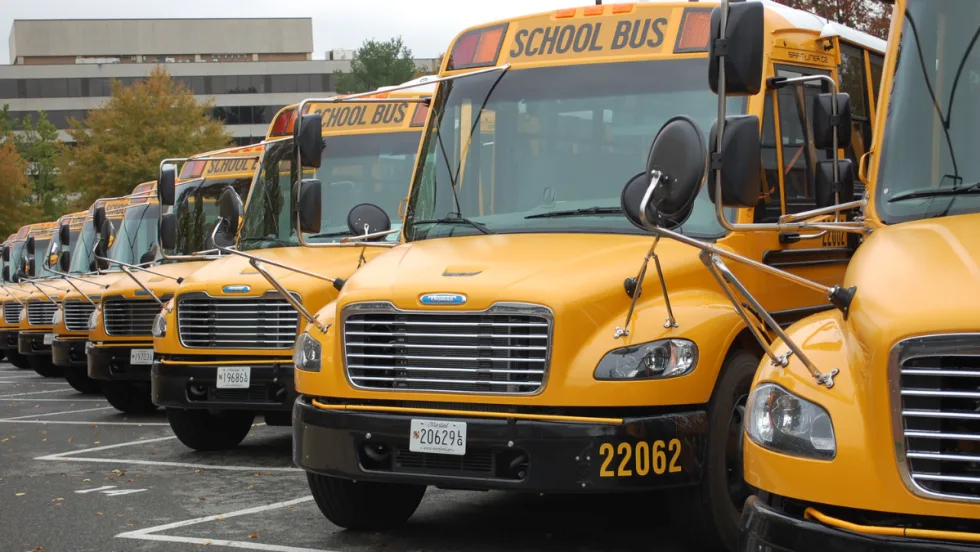
Fewer Electric School Bus Models Reshape the U.S. Market
WRI’s latest buyer’s guide points to a consolidating electric school bus market, but fewer options may reflect a maturing industry rather than fewer meaningful choices for school bus operators.
Read More →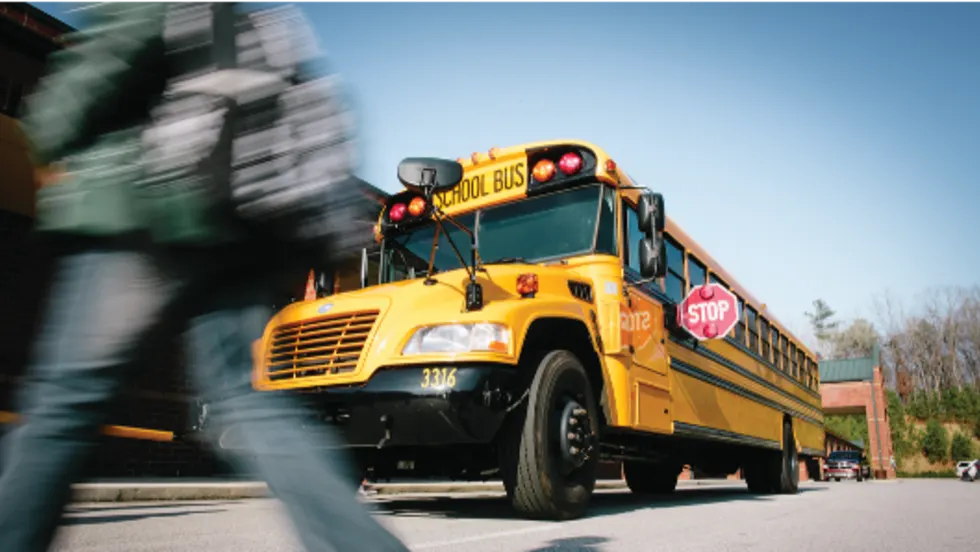
The Fuel Budget You Can Actually Predict: How Propane Autogas Keeps Money in the Classroom
Learn how propane autogas helps school districts manage fuel costs with predictable pricing, lower maintenance, and reduced emissions from former transportation director Joel Stutheit.
Read More →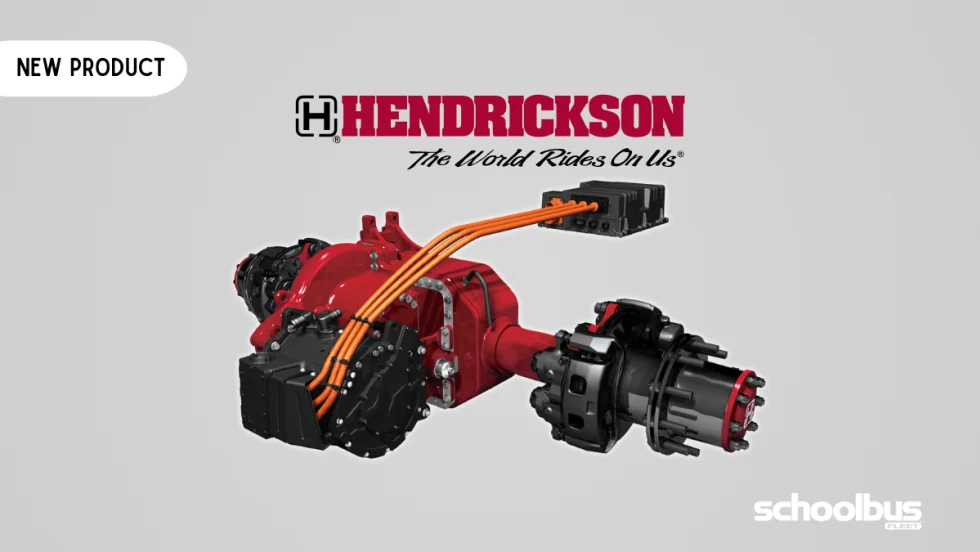
Hendrickson, Driventic Introduce New Electric Powertrain for School Buses
ELECTRAAX, the electrified, lightweight drive axle offers integrated ePowertrain efficiency and modular flexibility for Class 6–7 school bus use.
Read More →
The Mobility House Joins PowerFlex in Fleet Electrification Deal
The acquisition combines intelligent charging software, bidirectional charging expertise, and fleet electrification services to support the growing adoption of electric school buses across North America.
Read More →
Alt-Fuel Moves: Electric School Bus Investments Hit the Road
See which districts across the U.S. are putting electric school buses into service, expanding charging infrastructure, and planning the next phase of fleet electrification.
Read More →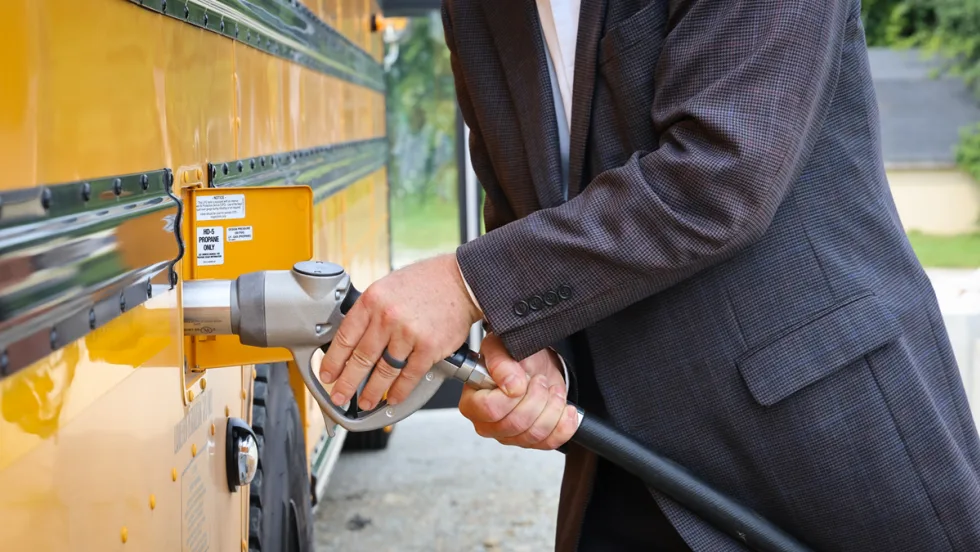
With Fuel Volatility Ahead, School Districts Turn to Propane
While diesel prices peaked above $5 this spring, districts with propane autogas-powered fleets paid under $2 per gallon, according to PERC.
Read More →
EPA Unveils Proposed Changes to 2027 Heavy-Duty Engine Rules
The federal agency has proposed changes to next year’s targets that would eliminate DEF derates, ease warranty requirements, and retain current NOx emissions standards.
Read More →
Alt-Fuel Moves: EV Charging & Infrastructure Projects Gain Momentum
The latest developments include new funding, charging infrastructure, utility investments, and fleet technologies designed to support the transition to electric school buses nationwide.
Read More →