




School Bus Fleet Electrification "Tip of Spear" for Zero-Emissions
In a media roundtable, the president and CEO of Navistar said the yellow bus would lead the way in the company's evolution to 100% zero-emission vehicle production by 2040.


The true impact of President Joe Biden’s Infrastructure Investment and Jobs Act on the nation’s school bus fleets likely won’t be seen until the latter part of 2023.
That’s the prediction of Mathias Carlbaum, president and CEO of Navistar, the parent company of IC Bus, who held a media roundtable discussion on Friday to discuss what lies ahead for the company he started leading last fall.
The new law earmarked $5 billion to spend nationwide on clean bus fleets – including electric and other zero-emission options - over the next five years.
Carlbaum described school bus electrification as “the tip of the spear” for taking all of Navistar’s vehicles to zero-emissions by the year 2040.
“This will really be a propeller for the whole electrification of vehicles in the United States,” he said, because the technology is already out, working in both rural and urban areas, with predictable routes. Plenty of interest exists, he said, but “this is a learning journey.”
School bus operators need to explore which routes are a fit for electric vehicles and what their needs are for charging infrastructure. Carlbaum expected that IC Bus would help bridge those uncertainties.
“We see volume pickups on basic demand” for buses in general, he said, but thinks the real growth in EV school bus demand won’t hit its stride until next year.
Besides waiting on those federal funds to become available for EV buses, production across the industry has struggled due to supply chain issues, especially when it comes to microchips.
“I won’t say every Monday is a surprise,” Carlbaum said. “There’s a surprise every day. Things are still unstable…. Looking at my crystal ball, it will improve throughout the year, toward the later part of the year.”
More Alternative Fuels

Why Gasoline School Buses Are Making a Comeback
Gasoline is gaining ground in full-size school buses. See how today’s options stack up against diesel on cost, maintenance, emissions, performance, and more.
Read More →
EPA Opens $180M DERA Funding Round for Diesel Upgrades
The 2026 Diesel Emissions Reduction Act program seeks applications from eligible organizations to accelerate the retirement of legacy diesel vehicles.
Read More →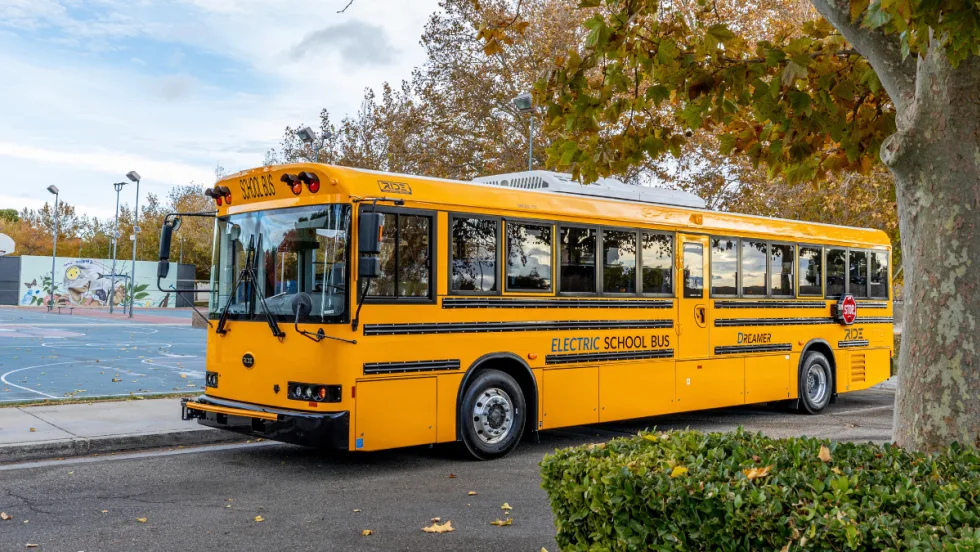
The Secret Life of an Electric School Bus Battery
Batteries change throughout years of daily routes, but degradation doesn’t necessarily mean the end. Here’s what operators should know about performance, safety, and second life.
Read More →
CALSTART and Forth Combine to Form Catalyst Mobility
The new name represents a renewed vision for the nonprofit focused on advancing clean, equitable, and affordable transportation solutions that move people and goods.
Read More →
Alt-Fuel Moves: New Buses, Charging Hubs & Real-World EV Testing
Propane and electric school bus deployments continue to grow as districts add new vehicles, expand charging infrastructure, and gather more real-world operating data.
Read More →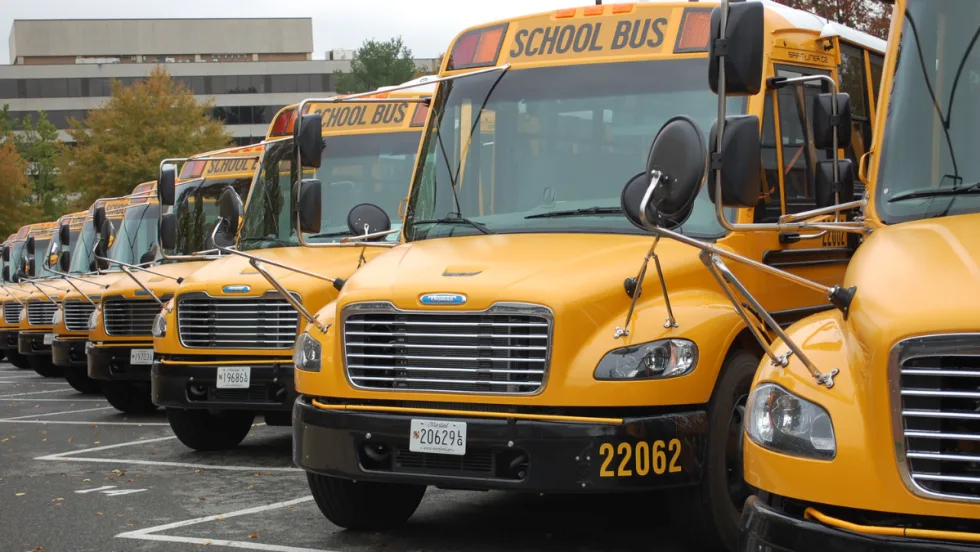
Fewer Electric School Bus Models Reshape the U.S. Market
WRI’s latest buyer’s guide points to a consolidating electric school bus market, but fewer options may reflect a maturing industry rather than fewer meaningful choices for school bus operators.
Read More →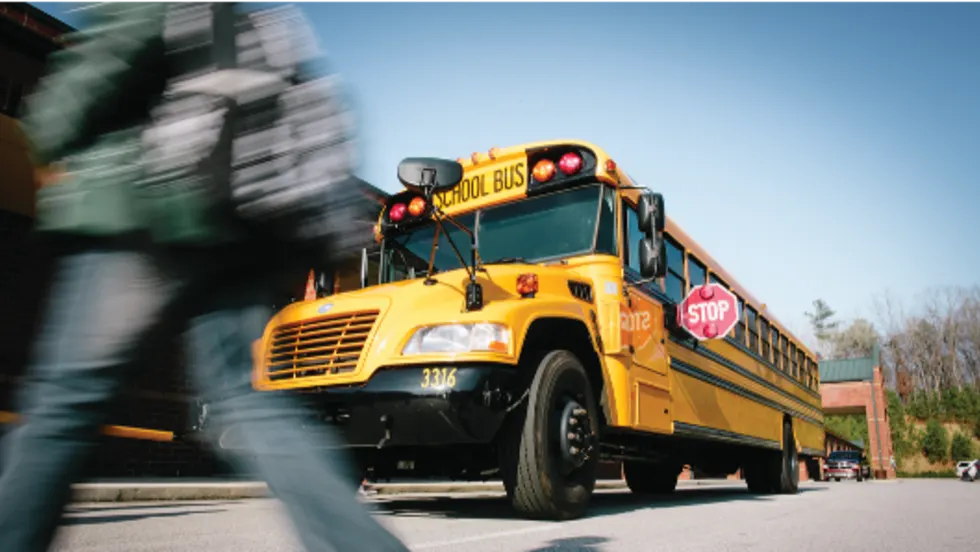
The Fuel Budget You Can Actually Predict: How Propane Autogas Keeps Money in the Classroom
Learn how propane autogas helps school districts manage fuel costs with predictable pricing, lower maintenance, and reduced emissions from former transportation director Joel Stutheit.
Read More →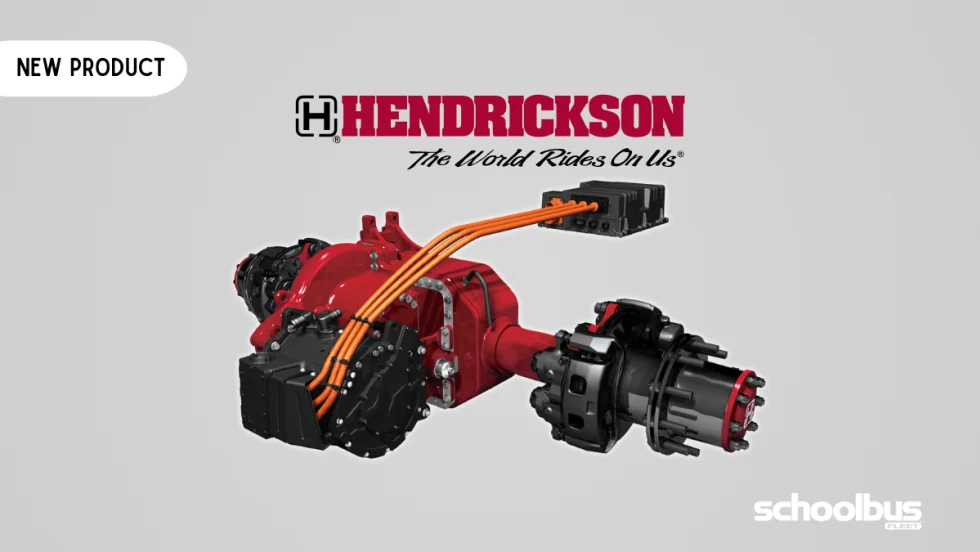
Hendrickson, Driventic Introduce New Electric Powertrain for School Buses
ELECTRAAX, the electrified, lightweight drive axle offers integrated ePowertrain efficiency and modular flexibility for Class 6–7 school bus use.
Read More →
The Mobility House Joins PowerFlex in Fleet Electrification Deal
The acquisition combines intelligent charging software, bidirectional charging expertise, and fleet electrification services to support the growing adoption of electric school buses across North America.
Read More →
Alt-Fuel Moves: Electric School Bus Investments Hit the Road
See which districts across the U.S. are putting electric school buses into service, expanding charging infrastructure, and planning the next phase of fleet electrification.
Read More →