





More News: Fort Worth ISD Selects First Student for Fleet Maintenance
Massachusetts MAPC Releases Electric School Bus Roadmap
Attention Greater Boston municipalities and school districts: learn how to transition your school buses to electric with this roadmap that plots the key steps to take when planning the EV switch.
April 17, 2025
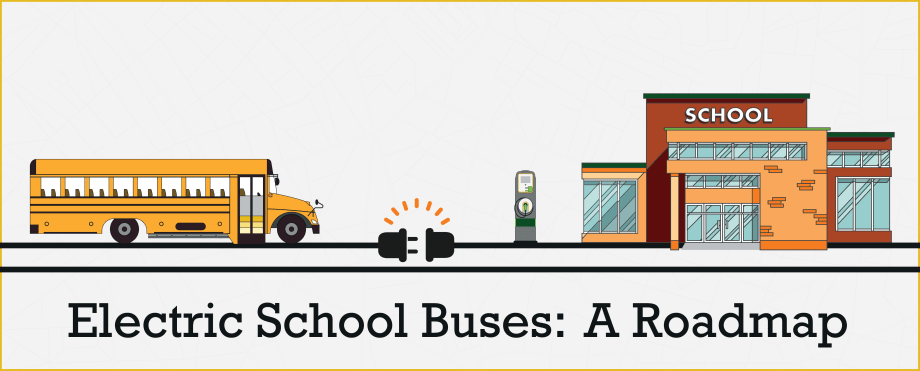
The Massachusetts MAPC has taken the initiative and released a comprehensive guide for schools looking to electrify their fleet, covering every step from considering the switch to operating the new fleet.
Photo: MAPC
2 min to read
The benefits of electric school buses are many: reduced greenhouse gas emissions, improved health, and quieter rides. However, transitioning to them can be difficult. That’s why Massachusetts’ Metropolitan Area Planning Council (MAPC) is stepping up to provide a guide for districts looking to make the switch.
Making Electrification Easier
While schools across the state are already making the transition thanks to support from technical assistance and funding programs, several challenges remain for districts to navigate.
"After conducting a study on electrifying school bus fleets across 22 Massachusetts school districts two years ago, we saw the need to broaden our outreach," said Alison Felix, principal planner from MAPC. "In response, we developed the Electric School Bus Roadmap, which is designed for municipalities and school districts to start planning for an effective and efficient transition to electric school buses. Fleet electrification requires involvement from a variety of stakeholders across organizations, and the guide provides a technical and practical base of knowledge for all parties involved.”
MAPC’s Electric School Bus Roadmap is intended to guide districts and municipalities in starting to plan an effective and efficient transition to electric school buses. It highlights key steps for this transition and includes additional links for decision-makers to learn more.
The roadmap starts by highlighting the benefits of electric school buses, discussing what it is like to own one, and what operation models are commonly used. With the basics covered, the roadmap discusses the steps needed to take to make the switch, including:
Conducting a fleet assessment.
Working with utilities.
Choosing and planning a site for the buses.
Workforce training needed for electric vehicles.
Operation, maintenance, and safety considerations.
Procurement of the buses.
The guide also breaks down the cost of ownership (TCO) for an electric school bus.
Other Helpful Resources
Beyond guiding decisionmakers on how to make the switch, other resources are included in the roadmap, including ways to connect with peers and experts on electric school buses, a summary of the MetroWest School Fleet Electrification study, and future considerations to remember.
MAPC has also released a social media and communications kit to help districts communicate about the Electric School Bus Roadmap with the public and project partners.
Check out the full roadmap here.
More Alternative Fuels
Bipartisan Bill Seeks to Extend Clean School Bus Program Through 2031
The proposed legislation would renew federal support for cleaner school buses as districts navigate funding uncertainty, rising fuel and infrastructure costs, and fleet replacement needs.
Read More →
Alt-Fuel Moves: Electric Bus Rollouts, Bidirectional Charging & Propane Growth
See which fleets are adding electric and propane school buses as districts and operators invest in charging infrastructure, bidirectional technology, and alternative-fuel expansion.
Read More →
Nobody Told Diesel Prices They Were Supposed to Come Down
With diesel prices surging, school bus fleets have new reason to stress-test fuel costs, consider diversification, and calculate what each route really costs to operate.
Read More →
Why Gasoline School Buses Are Making a Comeback
Gasoline is gaining ground in full-size school buses. See how today’s options stack up against diesel on cost, maintenance, emissions, performance, and more.
Read More →
EPA Opens $180M DERA Funding Round for Diesel Upgrades
The 2026 Diesel Emissions Reduction Act program seeks applications from eligible organizations to accelerate the retirement of legacy diesel vehicles.
Read More →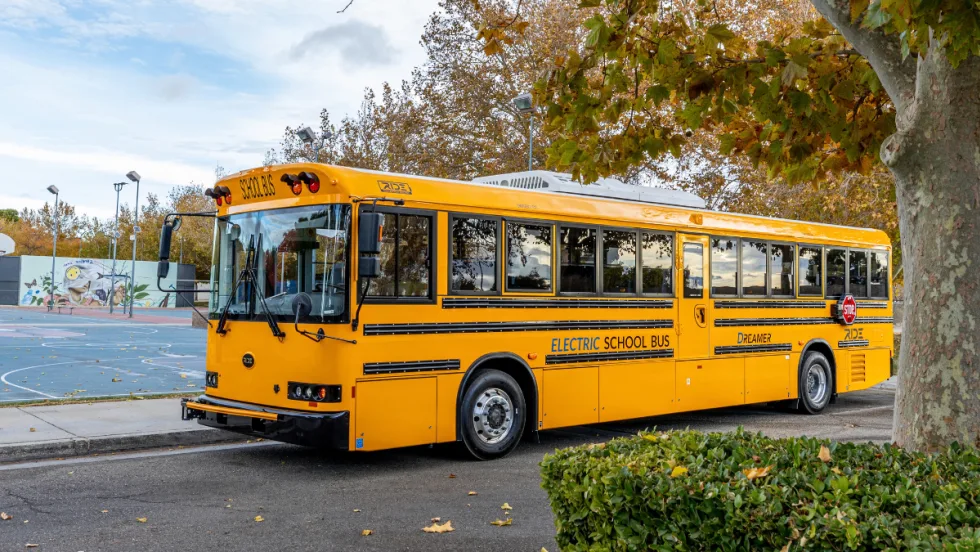
The Secret Life of an Electric School Bus Battery
Batteries change throughout years of daily routes, but degradation doesn’t necessarily mean the end. Here’s what operators should know about performance, safety, and second life.
Read More →
CALSTART and Forth Combine to Form Catalyst Mobility
The new name represents a renewed vision for the nonprofit focused on advancing clean, equitable, and affordable transportation solutions that move people and goods.
Read More →
Alt-Fuel Moves: New Buses, Charging Hubs & Real-World EV Testing
Propane and electric school bus deployments continue to grow as districts add new vehicles, expand charging infrastructure, and gather more real-world operating data.
Read More →
Fewer Electric School Bus Models Reshape the U.S. Market
WRI’s latest buyer’s guide points to a consolidating electric school bus market, but fewer options may reflect a maturing industry rather than fewer meaningful choices for school bus operators.
Read More →
The Fuel Budget You Can Actually Predict: How Propane Autogas Keeps Money in the Classroom
Learn how propane autogas helps school districts manage fuel costs with predictable pricing, lower maintenance, and reduced emissions from former transportation director Joel Stutheit.
Read More →