

Related: 7 Steps to Successfully Adopt an Electric School Bus
Grant to Help Massachusetts Expand Electric School Bus Service
The Metropolitan Area Planning Council and Highland Electric Transportation will use the funding to secure one electric bus for Beverly Public Schools and increase the use of electric buses across the state.

Sadiah Thompson・Assistant Editor
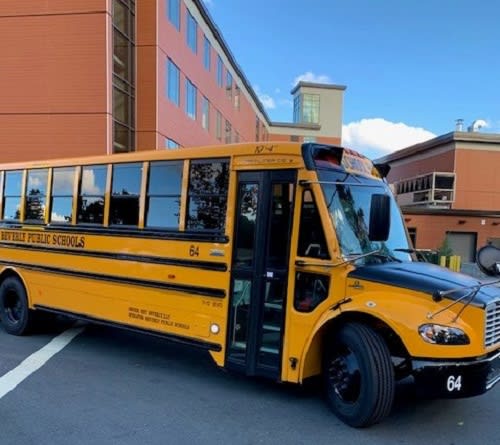
Shown here is a Thomas Built Buses Saf-T-Liner C2 Jouley electric school bus purchased for Beverly (Mass.) Public Schools.
Photo courtesy Dana Cruikshank
2 min to read
The Metropolitan Area Planning Council (MAPC), a regional planning agency that serves residents in the greater Boston area, and electric vehicle company Highland Electric Transportation Inc. (HET) have received funding to expand electric school bus service across Massachusetts.
The grant from Massachusetts Clean Energy Center’s (MassCEC) Accelerating Transportation Now (ACTNow) program will include $20,345 to explore methods of scaling up an electric bus pilot project with the City of Beverly to more of the state's cities and towns. The multi-year grant will also allow HET to secure a second electric school bus for Beverly Public Schools.
As School Bus Fleet previously reported in March, HET partnered with the City of Beverly and the district's transportation department to purchase one Saf-T-Liner C2 Jouley electric school bus from Thomas Built Buses, which was acquired through funding from the state’s Volkswagen settlement program.
Dana Cruikshank, the director of transportation for Beverly Public Schools, told SBF that the district's first Jouley electric bus was delivered on Wednesday.
“The overall cost is substantially lower with the maintenance of electric buses compared to diesel buses," he said. "I’ve also rode on an electric bus before we got this one delivered today, and it was very quiet. I can have a normal conversation without the extra noise.”
Despite noting limits on how far an electric bus can travel and its hours of operation, Cruikshank said the alt-fuel bus fits right in with the rest of Beverly Public Schools's fleet.
“Electric school buses will improve local air quality and save money for districts, but to get there we need partners like MAPC to build on Beverly’s leadership, creating industry standards, educating stakeholders, and establishing momentum across all communities in the Commonwealth,” said Duncan McIntyre, CEO of HET.
MAPC will provide matching funds of $19,575 to support cost-effective electric bus projects and increase adoption of the alt-fuel buses across the state. Additionally, MAPT and HET will implement a complementary electric vehicle curriculum, provided by nonprofit organization EcoRise, for students to learn about transportation electrification.
“MAPC has long been interested in transitioning diesel school buses to electric, which can significantly improve public health for children and families, among others, and reduce greenhouse gas emissions,” said Rebecca Davis, the council's deputy director. “We are excited for this opportunity and hope that, by supporting the deployment of an innovative turnkey business model through the grant award, we can help to make battery-electric buses more cost competitive and logistically feasible for Massachusetts cities and towns.”
The MAPC and HET project team is one of nine selected to receive grant funding from MassCEC to demonstrate clean transportation solutions across the state.
More Alternative Fuels
Bipartisan Bill Seeks to Extend Clean School Bus Program Through 2031
The proposed legislation would renew federal support for cleaner school buses as districts navigate funding uncertainty, rising fuel and infrastructure costs, and fleet replacement needs.
Read More →
Alt-Fuel Moves: Electric Bus Rollouts, Bidirectional Charging & Propane Growth
See which fleets are adding electric and propane school buses as districts and operators invest in charging infrastructure, bidirectional technology, and alternative-fuel expansion.
Read More →
Nobody Told Diesel Prices They Were Supposed to Come Down
With diesel prices surging, school bus fleets have new reason to stress-test fuel costs, consider diversification, and calculate what each route really costs to operate.
Read More →
Why Gasoline School Buses Are Making a Comeback
Gasoline is gaining ground in full-size school buses. See how today’s options stack up against diesel on cost, maintenance, emissions, performance, and more.
Read More →
EPA Opens $180M DERA Funding Round for Diesel Upgrades
The 2026 Diesel Emissions Reduction Act program seeks applications from eligible organizations to accelerate the retirement of legacy diesel vehicles.
Read More →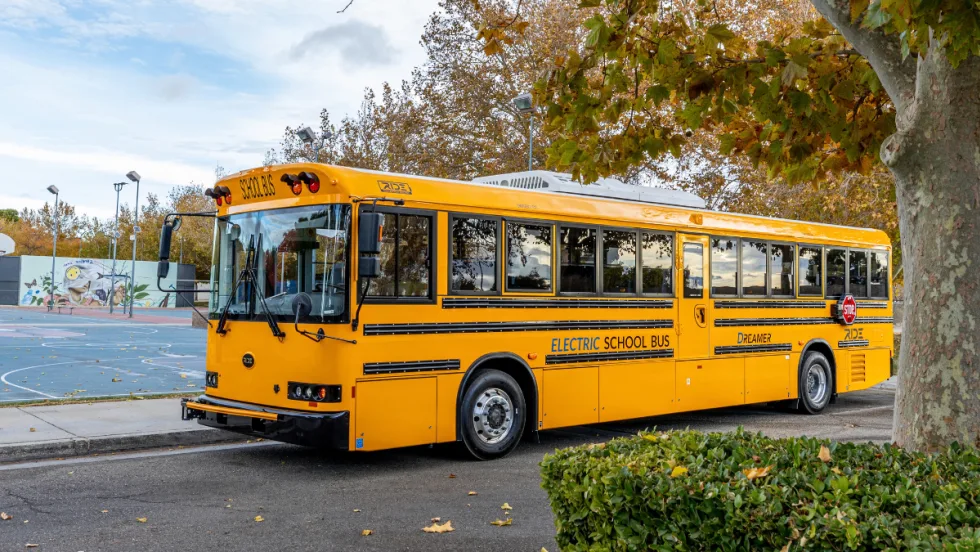
The Secret Life of an Electric School Bus Battery
Batteries change throughout years of daily routes, but degradation doesn’t necessarily mean the end. Here’s what operators should know about performance, safety, and second life.
Read More →
CALSTART and Forth Combine to Form Catalyst Mobility
The new name represents a renewed vision for the nonprofit focused on advancing clean, equitable, and affordable transportation solutions that move people and goods.
Read More →
Alt-Fuel Moves: New Buses, Charging Hubs & Real-World EV Testing
Propane and electric school bus deployments continue to grow as districts add new vehicles, expand charging infrastructure, and gather more real-world operating data.
Read More →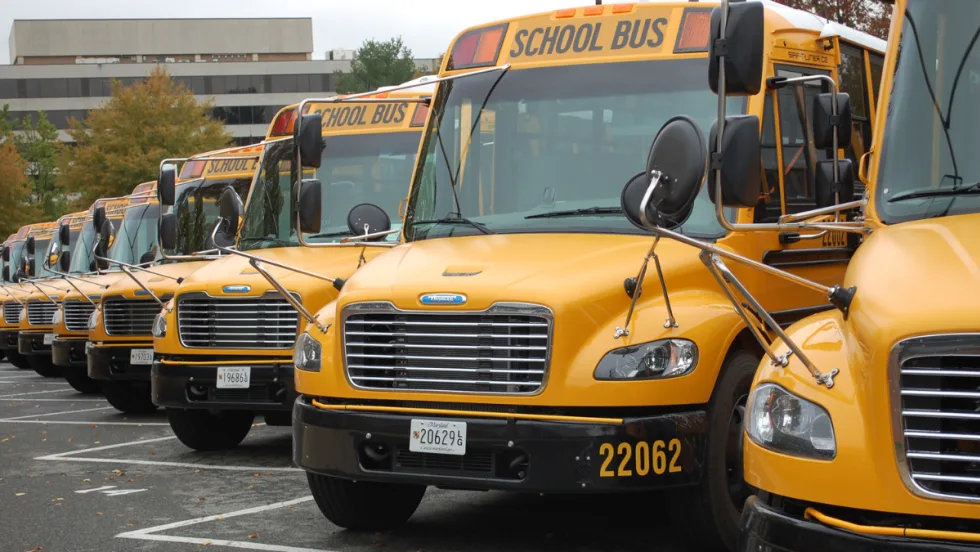
Fewer Electric School Bus Models Reshape the U.S. Market
WRI’s latest buyer’s guide points to a consolidating electric school bus market, but fewer options may reflect a maturing industry rather than fewer meaningful choices for school bus operators.
Read More →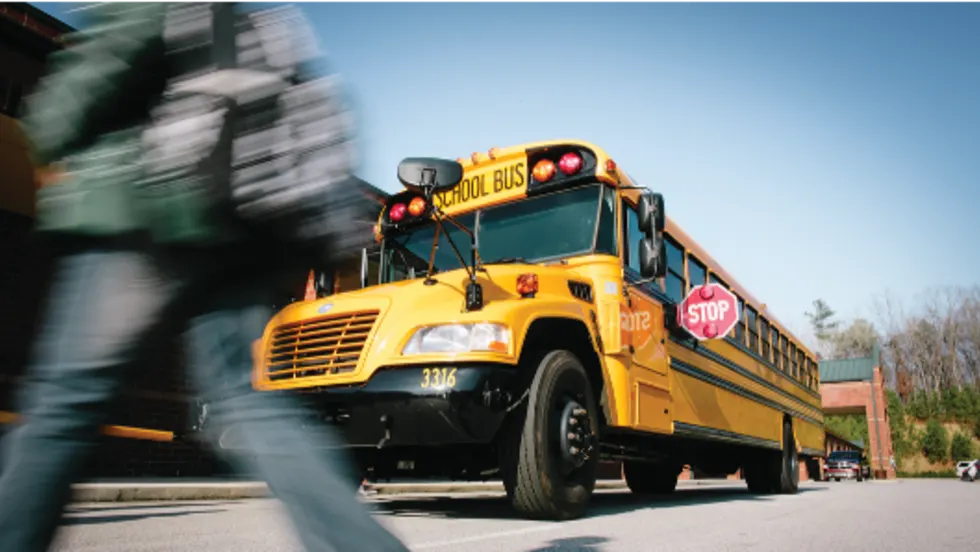
The Fuel Budget You Can Actually Predict: How Propane Autogas Keeps Money in the Classroom
Learn how propane autogas helps school districts manage fuel costs with predictable pricing, lower maintenance, and reduced emissions from former transportation director Joel Stutheit.
Read More →