School Bus Safety & Severe Weather: Florence USD’s Monsoon Response
A late-fall monsoon tested Florence USD’s emergency preparedness. Here’s how training, communication, and teamwork kept 2,700 students safe.
by Shannon Weber, Florence USD
April 30, 2026
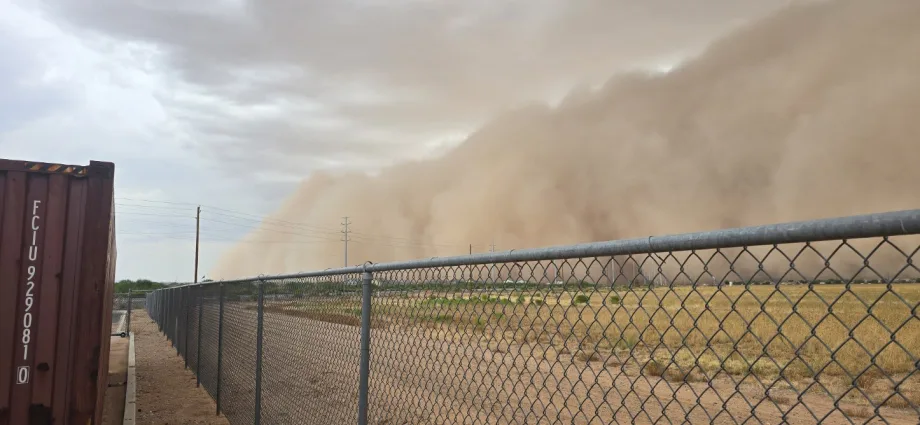
A massive wall of dust and rain sweeps across Pinal County as a powerful monsoon storm rolls in, the kind of sudden weather that forced Florence Unified to delay bus departures and carefully coordinate the safe ride home for thousands of students.
Credit:
Shannon Weber
4 min to read
Florence USD effectively managed a late-fall monsoon, highlighting the district's emergency preparedness efforts.
Training, communication, and teamwork were crucial in ensuring the safety of 2,700 students.
The district's response demonstrated their capacity to handle severe weather events and maintain safety.
*Summarized by AI
On Friday, September 26, 2025, what started as a normal day quickly turned into coordinated chaos thanks to a solid emergency plan.
Pinal County and the surrounding Phoenix metro area experienced a severe monsoon system characterized by heavy rainfall, flash flooding, and significantly reduced visibility while driving. The downpour severely impacted road safety.
Ad Loading...
What did we do?
Florence Unified’s Storm Response
For us here at Florence Unified School District, it meant delaying student dismissal due to high winds, flying debris, and trees, and driving visibility reduced to less than 2 miles at times.
Drivers were directed to stage at their respective schools' loading zones and wait for direction on loading students. Once students were cleared, we brought the buses to the front of campus, near the building, and loaded them one at a time. More important than ever for us was to ensure each student scanned their bus card so parents could track their trip home.
Prior to loading and departure at impacted sites, families were informed of anticipated delays in arrival home and directed to meet their students at bus stops. We would not let drivers drop students off and force them to walk any distance during the storm.
In my district, on a sunny day, drivers are reminded that safety comes before schedule, no matter what. On this day, it was paramount, as routes ended up delayed, in some areas more than 1.5 hours.
Ad Loading...
Our dispatchers were handling a higher-than-normal call volume and talking drivers through detours and delays. Multiple communication channels were used to ensure that anyone who needed one-on-one support for longer than usual would not interrupt regular radio traffic.
GPS technology allowed us to watch buses progress during the storm.
As conditions worsened, some drivers were forced to stop the bus and wait it out. Families were informed and kept in close communication. In other cases, the normal roadways we traveled were blocked by trees, debris, or flash flooding, requiring patience and skill to navigate alternate routes.
The storm brought flash flood warnings for Pinal and Maricopa counties, with reports of life-threatening flooding on highways, streets, and underpasses. Driving conditions were hazardous due to heavy rain, with officials warning against driving through flooded roads.
This, along with a storm the previous day, brought the region's highest single-day rainfall total in seven years.
Ad Loading...
As students were safely delivered to their stops, drivers checked in by radio and were either directed to return to base or dispatched to another school or area where help was needed.
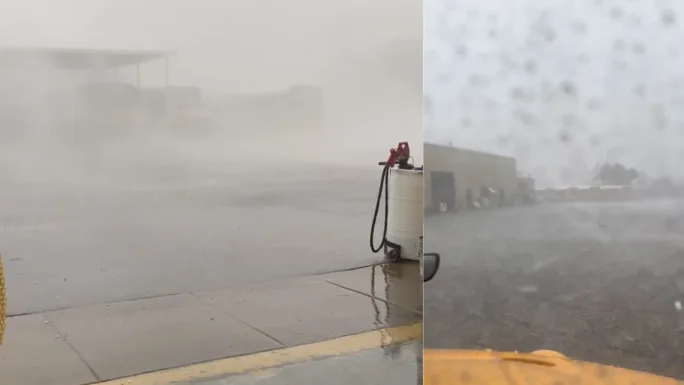
Blinding rain and flash flooding forced buses to slow, reroute, or stop altogether as Florence Unified prioritized student safety over schedule during a severe monsoon event.
Credit:
Shannon Weber
What Training Teaches Us
We spend time in driver training discussing the what-ifs around situations just like this. Unpacking scenarios during tabletop exercises makes it so that when something like this does come up, it’s not unexpected, and we have worked through it together. Weather events, building evacuations, reunification, weapons on board, heat advisories, and medical emergencies are all on our list of things we prepare for.
One of the most important things I believe others forget is that driving a bus is so much more than driving a bus. It requires practice, preparedness, and patience under pressure (and all that with up to 70 students behind you). If we practice, we know what to do when something happens.
I couldn't be prouder of my team, as on that day, despite the variables, 2,700 students were returned home safely. While our buildings and some vehicles were damaged from flying objects and hail, 81 vehicles and skilled staff navigated the conditions without incident.
This doesn’t happen by accident. It’s the result of preparation, documentation, communication, and practice.
Ad Loading...
After-Action Reviews
We also can’t forget the importance of debriefing after the fact. Anytime an extreme event occurs, it’s critical to have an after-action discussion sooner than later to hear what people were seeing, feeling, or missing, so we can do better next time.
That happened on Tuesday, Sept. 30, 2025, when we unpacked what happened and what required improvement.
Radio communication was spotty due to the weather, various outages, and cell tower issues.
The takeaway: A short FAQ for certain scenarios in each bus folder would have helped drivers know what to do if radio communication could not be obtained. This was a great reminder to make sure the team has confidence in what they have learned when there isn't immediate reassurance.
In transportation, we must build teams that we trust in all circumstances. We do the best with what we have and get better each time. As always, nothing matters more than keeping students safe.
About the Author: Shannon Weber is the director of transportation for Florence Unified School District #1 in Arizona.
This article was authored and edited according to School Bus Fleet editorial standards and style. Opinions expressed do not necessarily reflect that of SBF or Bobit Business Media.
Florence USD ensured student safety through effective training, clear communication, and teamwork among staff and emergency responders.
Training was crucial in preparing staff to respond efficiently to emergencies, ensuring that everyone was knowledgeable about protocols and procedures during severe weather.
Communication strategies were implemented by maintaining clear and consistent communication between school officials, staff, and emergency services to manage the situation effectively.
A total of 2,700 students benefited from Florence USD's preparedness measures during the late-fall monsoon.
Teamwork is crucial as it allows for coordinated efforts and effective collaboration among school staff and emergency teams to ensure the safety of all students and personnel.
Mother Nature sometimes has her own plans, and transportation teams must be ready to fight back against whatever disaster she has in store. Review best practices for emergency preparedness and learn what others advise from recent experience.
DS Bus Lines driver Roger Smith was transporting 30 students from Piper High School in Kansas City, Kansas to a choir competition in Wichita, nearly three hours away, when they found themselves in the middle of a severe weather outbreak.
Following a 2016 flood that devastated the state, East Baton Rouge Parish Schools saw a chance to replace its damaged diesel buses while shifting to a propane fleet.
The transportation department at Missouri's Joplin Schools receives the 2014 Public Sector Excellence Award from Tyler Technologies for its creative use of the Versatrans transportation management system following a May 2011 tornado, including identifying students affected by the disaster and creating new routes around the damaged areas. Two more school districts are among the seven other award recipients.
Last fall's massive storm on the East Coast created a surge of challenges for student transportation in New York City, from flooded bus yards and offices to fuel and equipment shortages. Here's an overview of the crisis and how the city's Office of Pupil Transportation responded.
When the water began to affect the area around Minot Public Schools last month, transportation department personnel and other district employees emptied seven schools, transporting books and other supplies and equipment to the transportation facility. Director of Purchasing and Transportation Barry Brooks tells SBF about the experience.
Unexpected phenomena such as riots, strikes, tornadoes, earthquakes, snowstorms and other natural disasters can pose a threat to your operations. Here's how to prep.