




Message Received: Best Practices for Effective Radio Communication
Proper etiquette is critical to seamless operation between dispatchers and drivers. Tips on training and messaging include using equipment properly, creating clear emergency protocols, and keeping messages brief.
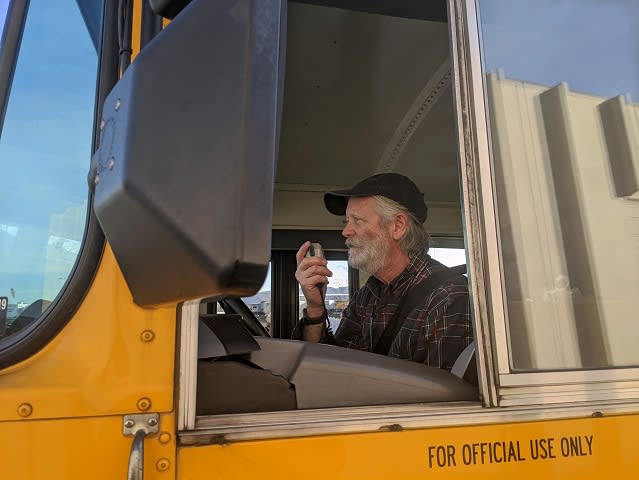
Proper two-way radio etiquette is critical to seamless operation between dispatchers and drivers.
Photo courtesy Stuart Vogelman
- Proper etiquette ensures smooth communication between dispatchers and drivers.
- Training emphasizes correct equipment usage and clear emergency protocols.
- Messages should be kept succinct to maintain clarity and efficiency.
*Summarized by AI
Observing proper radio etiquette is essential to seamless operation between dispatchers and drivers. Therefore, it needs to be clear, succinct, and professional. When coworkers have an easy rapport with each other and are used to communicating informally, these practices can take some getting used to. However, establishing protocols, especially for emergencies, and conducting focused, ongoing training can help.
I have learned through discussions with radio technicians and my law enforcement and emergency management experience that radio communications may be monitored and recorded by a variety of public organizations and individuals, including parents of students. That adds to the importance of instilling professional communication practices.
It is worth noting that school bus radio communications don’t need to be as disciplined as an FBI hostage rescue. The goal is simply to bring it up a notch in many cases.
Below is a breakdown of practices to put into place for effective radio operation training and communications.
Recommended Training Practices
These principles should be at the core of all training and reinforced with dispatchers, drivers, and leaders. Dispatchers should take the lead, since they set the tone for how everyone functions in challenging situations.
Keep in mind that training must be customized in accordance with state laws, school district cultures, and scope of service. Some districts have more radio traffic and multiple contractors transporting students, making radio communication discipline that much more critical.
- Get support from the school administration on training, communications, and radio equipment upgrades. It is also valuable to seek input from a few of your most respected drivers, so they have buy-in and champion improvements.
- Provide the right equipment. Dispatchers should use radios with boom mics or headsets. Using telephone-style dispatch stations can limit the use of both hands when on the radio and causes unnecessary repetitive motion. I highly recommend radios with volume knobs instead of the up-and-down volume arrows. Drivers should not use handhelds; they are too distracting.
- Develop a radio training program for drivers and dispatchers. This must cover initial training with management, training for new hires, ongoing reinforcement training, and discipline for employees that do not follow policy.
Initial training can be conducted with a simple, clear PowerPoint presentation. New dispatchers and drivers can be trained using a document with radio guidelines. - Have dispatchersreinforce training on an ongoing basis. Give drivers and new-hires a laminated card for their lanyard with the phonetics ("A as in Adam," etc.) on one side and some radio terms and tips on the other.
- Create clear emergency protocols for radio. Drivers need to be trained to use their radios in emergency situations. These situations require more training and discipline and need to conform to specific state and district requirements.
- Be prepared todiscipline for repeated violations as appropriate to back up training.
- Address driver errors after routes are done rather than over the radio.
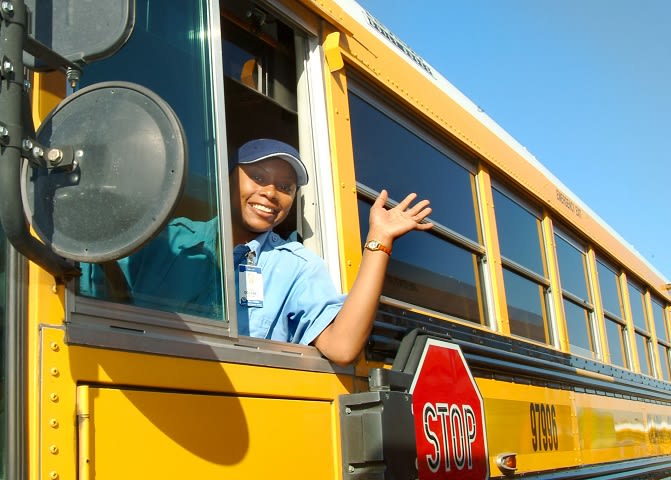
Keep in mind that radio operation training must be customized in accordance with state laws, school district cultures, and scope of service.
File photo courtesy Clark County (N.V.) School District
Messaging Tips
Best radio communication practices for dispatchers and drivers include:
1. Using radio equipment properly. Hold the microphone an inch or two from the mouth and always click it for one second before speaking and hold for one second after speaking. Improper microphone use can increase the likelihood of the message being cut off, or garbled transmissions that are either too quiet or loud.
2. Managing volume to avoid frequent repeats or negative contact transmissions. Also keep in mind that when a transmission is not understood, yelling into the microphone does not make it clearer.
3. Speaking carefully and purposefully, especially in an emergency. Take a deep breath and use a calm, even, and consistent voice.
4. Responding — not reacting. Stop and think before speaking. Don’t let emotions, especially anger, bleed into communications.
5. Being brief and using appropriate terms. Unclear communications that are too long and include inconsistent terminology can lead to confusion, errors, and unnecessary repeats. (See sidebar below for recommended terms.)
6. Limiting transmissions to immediate operational issues. Discussing personal issues or other topics that should be addressed after a route, making remarks to entertain other drivers, and other unnecessary comments cause tune-out and crowded radio traffic, which can get in the way of important messages.
Additionally, manners are not required — no need for “Have a nice day,” “Thank you so much,” etc.
7. Awareness of other transmissions. Drivers sometimes “swarm” the radio: one driver asks the dispatcher to make a call or complete research, and then other drivers call in with comments or requests. They may have an urgent issue but may also be oblivious to what is happening on the radio, which results in a frustrating interruption. “Radio tune-out” (not paying attention) is the usual culprit.
Drivers also need to be aware of what transmissions are occurring, so they are not needlessly interrupting them. Drivers sending transmissions at the same time — referred to as “walking on each other” — makes both transmissions garbled.
8. Not talking on the radio in emergencies. Many districts use a specific phrase for a medical or collision emergency. Drivers are then supposed to stay off the radio except for urgent traffic. Ignoring that makes emergency management more difficult.
9. Making their own calls (drivers). Special-needs routes, for example, often have aides with cell phones. Calls to parents and schools should be made by the aide, not dispatch.
10. Only using an occasional “all call” reminder (dispatchers), such as “Please clear the radios except for priority traffic….” if radio messages become chaotic.
About the Author: Stuart Vogelman is a dispatcher for a school district in eastern Washington. He has also worked as an emergency management systems dispatcher, motorcoach and school bus driver, senior executive, international business consultant, pastor, and chaplain for a state police agency. He can be contacted at stuvogelman@gmail.com.
Quick Answers
Proper radio etiquette is crucial because it ensures seamless operation between dispatchers and drivers, allowing for clear and efficient communication.
*Summarized by AI
More Management

The Most Expensive Thing You Do Before Selling a School Bus: Wait
When should you sell an aging school bus? Learn how maintenance, mileage, corrosion, specifications, and timing can affect resale value long before the auction.
Read More →
American Student Transportation Partners Acquires AJ Myers and Sons
A new deal brings a 75-year Pennsylvania student transportation provider into one of the nation’s largest private school bus contracting groups.
Read More →
What I Brought Home From SBFX: Relationships, Leadership, and Preparing What's Next
Who could lead your transportation operation tomorrow if you couldn't? Bernando Brown explores succession planning, mentorship, and preparing emerging leaders to step up.
Read More →

Inside School Bus Fleet ConneX 2026: Industry Leaders Connect in Scottsdale [Photos]
See highlights from SBFX 2026 in Arizona, where school bus operators and suppliers gathered for meetings, education, networking, awards, and more.
Read More →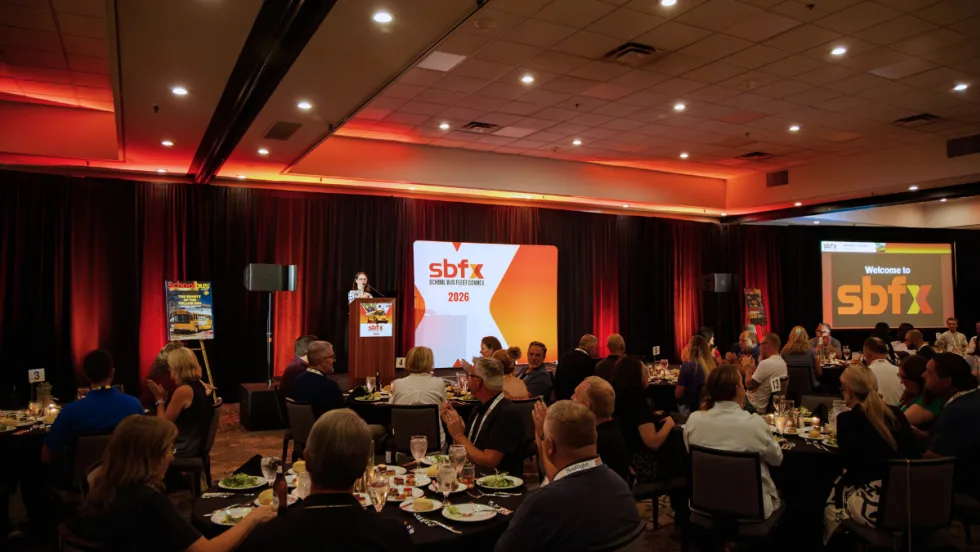
School Transportation’s Biggest Pressures and Opportunities: SBFX Attendees Weigh In
School bus operators point to rising costs, staffing, and vehicle prices as immediate pressures while identifying technology, training, and routing as opportunities for growth.
Read More →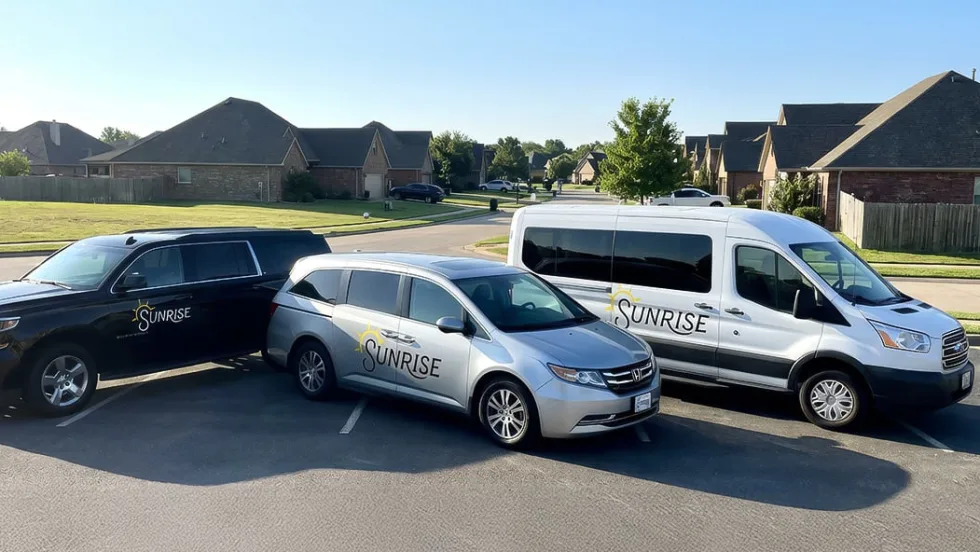
STA Acquires Sunrise Transportation
Student Transportation of America expands in Illinois and Connecticut through Sunrise's fleet of nearly 1,000 vehicles.
Read More →
EPA Opens $180M DERA Funding Round for Diesel Upgrades
The 2026 Diesel Emissions Reduction Act program seeks applications from eligible organizations to accelerate the retirement of legacy diesel vehicles.
Read More →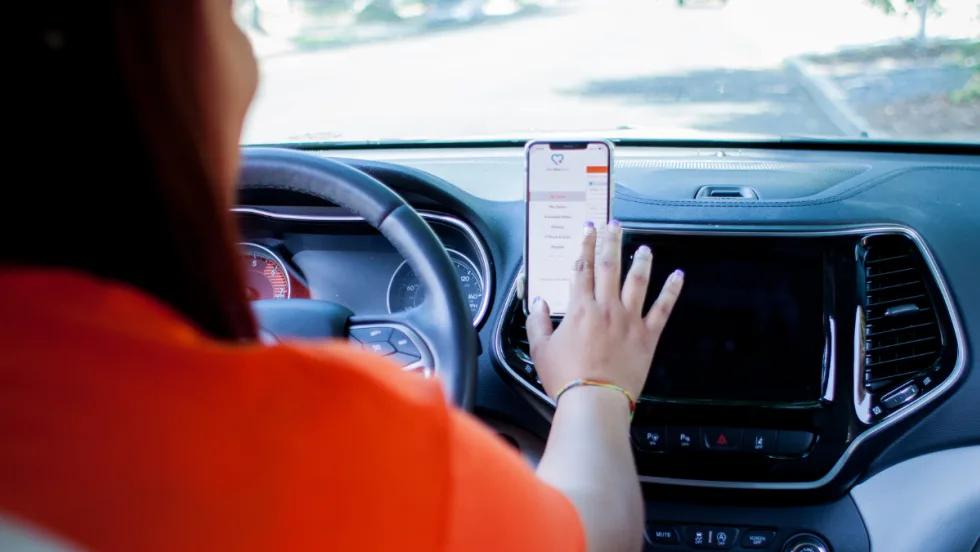
HopSkipDrive’s CareEngine Targets the ‘Exceptions’ in Student Transportation
The new platform works alongside districts’ existing transportation management systems to coordinate specialized rides, automate last-minute changes, and turn ride data into operational improvements.
Read More →
The Right Ride for Every Student: Navigating the New Student Transportation Ecosystem
How should districts blend school buses with small-vehicle transportation and other options? EverDriven CEO Mitch Bowling discusses safety, costs, partnerships, and strategy.
Read More →
Annette Brown Always Takes the Extra Time: Meet Our 2026 School Bus Driver Hero
For more than 30 years, the Wa-Nee Community Schools driver has treated students like family, combining safety, compassion, and servant leadership to make a lasting difference on and beyond the school bus.
Read More →