


 MENU
MENU SEARCHMENUSEARCH
Loading data...

Fratzke, 39, is a dispatcher for Bemidji Area Schools in Minnesota.
Read More →



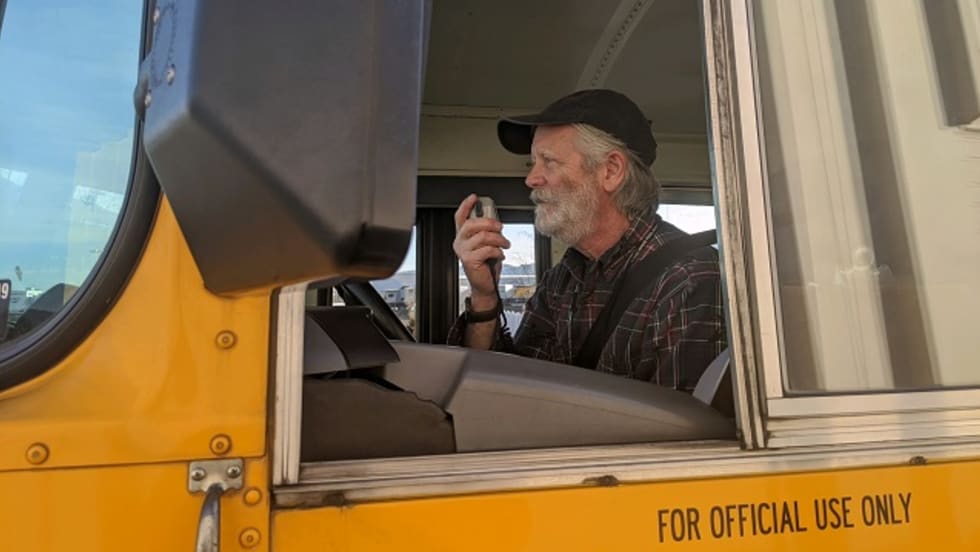
School-Radio can reach virtually anywhere service is needed, utilizing cellular infrastructure. It comes at a fixed budget point, which includes the device, service and maintenance cost.
Read More →Contending with COVID-spurred challenges such as conflicting and constantly changing policies that upend schedules can amplify stress. Measures such as clearly defining responsibilities, establishing a central communication hub, and regular meetings can help staff members adjust.
Read More →A Washington state district dispatcher shares a process he devised to more easily get trainees up to speed on key technological tools such as Google G Suite, routing and tracking software, and mobile texting.
Read More →Designed to determine a candidate’s knowledge of technology that is increasingly being used in dispatching, the tool includes tests on familiarity with web-based and software programs, typing and proofreading, and using office equipment for basic, everyday tasks.
Read More →Packed schedules and ever-changing driver and vehicle availability can be a challenge for some pupil transportation departments. Software systems to manage daily routing, field trips, and driver time and attendance can help.
Read More →Salem-Keizer Public Schools boosts wages for drivers from $15.82 per hour to $17.47 per hour. Overall, increases range from an extra $1.65 per hour to $3.89 more per hour, depending on the position.
Read More →Transportation staff from Elk Grove Unified School District give tips for successful driver-dispatch communication during the California Association of School Transportation Officials’ recent annual conference.
Read More →Building relationships for special-needs transportation and effective radio communication were a couple of the key topics covered during the California Association of School Transportation Officials' annual conference in Sacramento.
Read More →Proper etiquette is critical to seamless operation between dispatchers and drivers. Tips on training and messaging include using equipment properly, creating clear emergency protocols, and keeping messages brief.
Read More →