




Louisiana Fleet Finds Opportunity After Flooding
Following a 2016 flood that devastated the state, East Baton Rouge Parish Schools saw a chance to replace its damaged diesel buses while shifting to a propane fleet.
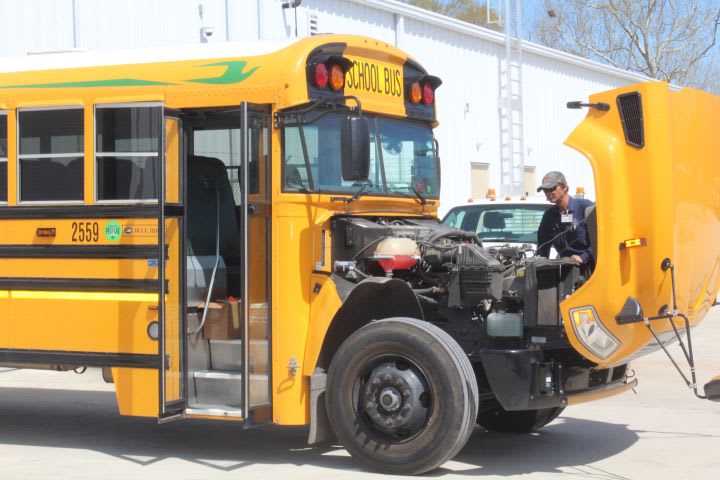
When floodwaters hit Louisiana in August 2016, the effects were devastating. The flood damaged an estimated 110,000 homes and 100,000 vehicles, resulting in more than $10 billion in losses. Its impact on the state’s school system restricted 265,000 students’ access to education.
“That flood happened only a couple days after the beginning of the school year,” says Gary Reese, chief of student support services for East Baton Rouge Parish Schools. “It flooded eight of our schools and three administrative sites.”
In addition to floodwaters closing schools and affecting 30% of the parish’s students and staff, Reese says the school system’s transportation department lost 114 buses out of a fleet of about 650, delaying school through Labor Day. Within the first weeks after the waters receded, East Baton Rouge Parish Schools purchased 68 school buses to bolster the diminished fleet.
“I went straight to the vendors and said, ‘I need buses, and I need them now,’” Reese says. “They did a search across the nation and found new buses. Some of them I’m told were due for other school systems that very graciously conceded and let those come to us. [The vendors] got these buses from everywhere they could.”
Fleet Replacement From Afar
To replenish the East Baton Rouge Parish Schools fleet on such short notice, Reese worked with Ross Bus & Equipment Sales, a Blue Bird dealer in Alexandria, and Kent Mitchell Bus Sales & Service, a Thomas Built Buses dealer in Hammond. Both dealers located and shipped buses from throughout the country to the district.
Because of school bus regulations specific to the state of Louisiana, vehicles had to be retrofitted before they could be used.
Local mechanic shops were also essential to keeping the district’s remaining school buses running. To get the most out of the fleet, the transportation department utilized the mechanic shops to ensure that the flooding did not affect brakes or mechanical equipment that would impact operations down the line.
That proved to be a challenge, because East Baton Rouge Parish Schools’ buses were not the only vehicles that needed maintenance. Space was scarce, especially because some local mechanics’ shops had also flooded and were unable to operate.
“A lot of big trucks flooded, lots of cars flooded. It was a sight to see,” Reese says. “There were cars sitting in the middle of the road, just sitting there, because people abandoned them and they were sitting in the floodwater. It took some time to clean the city up and get all that moved.”
Proactive Maintenance
After vehicles in East Baton Rouge Parish Schools’ main fleet were taken out by the flood, the transportation department relied on buses from its spare fleet to fill the ranks.
“The floodwaters did not discriminate. It flooded whatever it reached. We lost brand new buses, we lost old model buses, and we lost buses in between,” Reese says. “So it’s been a bit of a challenge in that regard because I’ve had to bring some buses out of storage to try to replace some of the newer ones. The ones that are in storage are there for a reason. They’ve basically reached the end of their useful life.”
Meanwhile, the transportation department has kept its maintenance process intact, Reese says. The department’s internal mechanic shop focuses on proactive maintenance and thorough analysis of each bus. Some issues that result from flooding don’t manifest themselves immediately, so drivers bring their vehicles in on a regular schedule to preempt potential breakdowns.
Careful maintenance is also necessary because the department had to stretch its resources while about 30% of the students in East Baton Rouge Parish had to relocate to other schools.
Routing Challenges
Along with moving regular riders through different routes, school buses also had to carry students whose usual transportation was displaced by the flood.
Optimizing routing meant having to fill buses to capacity, having buses run multiple routes, and making bus routes run longer.
While the district now has every school but one back up and running, Reese is still working to get the school bus fleet to its original numbers. During the 2017-18 school year, East Baton Rouge Parish Schools purchased 19 more buses.
“I’m still short about 40 buses, which is the largest part of my spare fleet,” he says. “We used to keep about 50 or 60 buses … in the spare fleet, and right now I might have 10 or even less.”
Propane Opportunity
Despite the troubles caused by the flood, there was a silver lining for the East Baton Rouge Parish Schools fleet. Before the flood, the transportation department was evaluating the implementation of propane vehicles over diesel. After losing 114 buses, Reese took the opportunity to find grants that would enable him to replace the lost vehicles with propane models.
One such grant came from the Diesel Emissions Reduction Act, which matched funding that the district put toward new vehicles. The grant would have required that the recipient destroy one older diesel engine for one new engine, but because of East Baton Rouge’s circumstances, the fleet was able to keep its old vehicles.
Of the opportunity to move forward with propane buses, Reese says, “There’s always something good that comes out of something bad, and that happens to be one of the good.”
The district also plans to tap into funding from the Volkswagen diesel emissions settlement. Through the Louisiana Department of Environmental Quality, the settlement is expected to provide a 50-50 match for funding for cleaner-burning vehicles, administered over a five-year period.
Looking forward, East Baton Rouge plans to keep bolstering its fleet, getting back to the original number of about 650 school buses while shifting toward propane.
“My plan, my vision — although I have to see the funding first — is to try to buy 50 new buses in the next fiscal year, which starts July 1,” Reese says.
More Disaster Response
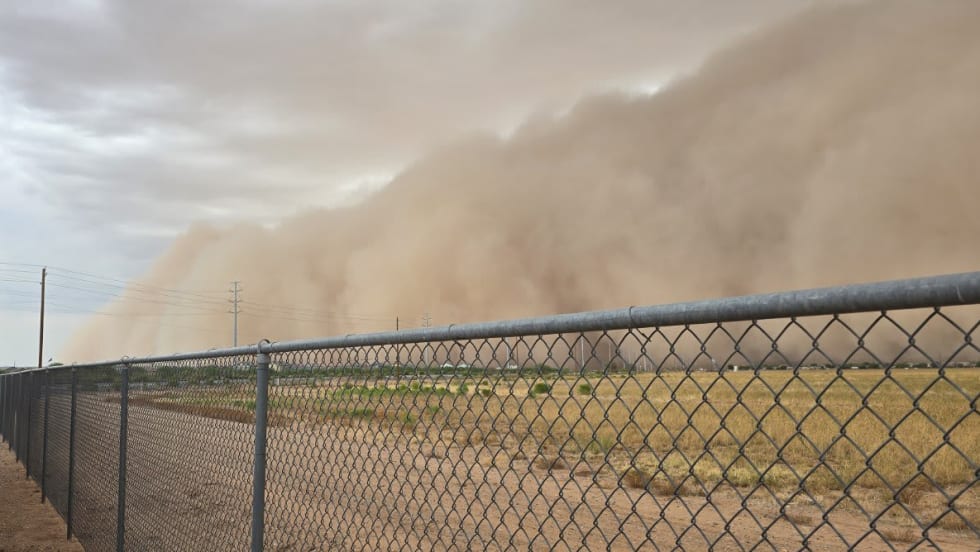
School Bus Safety & Severe Weather: Florence USD’s Monsoon Response
A late-fall monsoon tested Florence USD’s emergency preparedness. Here’s how training, communication, and teamwork kept 2,700 students safe.
Read More →
Lessons Learned from Hurricane Helene for School Transportation
How student transportation became both a service and a signal in community recovery.
Read More →
What To Do When Natural Disaster Strikes: Tips & Stories from School Transportation Teams
Mother Nature sometimes has her own plans, and transportation teams must be ready to fight back against whatever disaster she has in store. Review best practices for emergency preparedness and learn what others advise from recent experience.
Read More →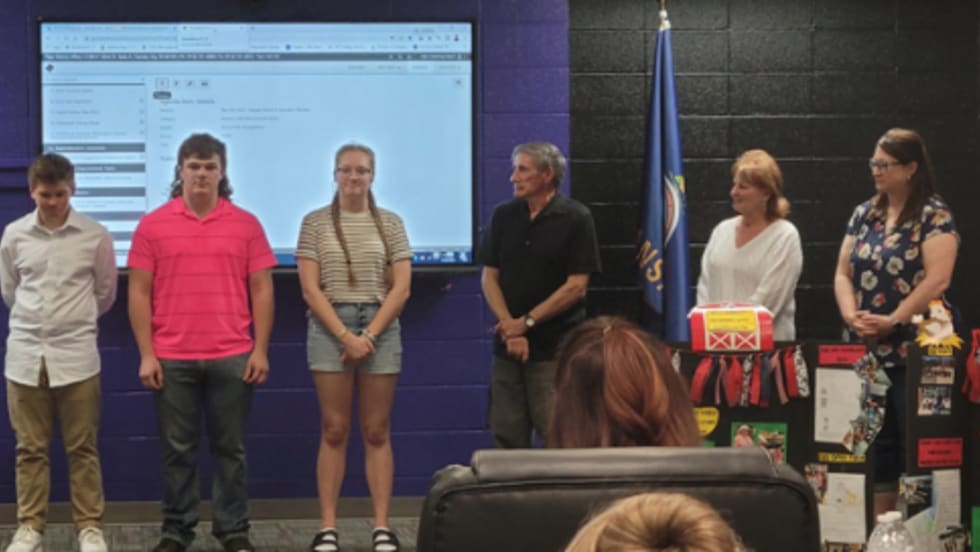
School Bus Driver Navigates Choir to Safety During Tornado Outbreak
DS Bus Lines driver Roger Smith was transporting 30 students from Piper High School in Kansas City, Kansas to a choir competition in Wichita, nearly three hours away, when they found themselves in the middle of a severe weather outbreak.
Read More →
School bus drivers take students to shelter during tornado
Many of Harrison County (Ky.) Schools' buses were in a tornado warning area, and the bus drivers safely took students inside nearby buildings.
Read More →
District honored for school bus routing after tornado
The transportation department at Missouri's Joplin Schools receives the 2014 Public Sector Excellence Award from Tyler Technologies for its creative use of the Versatrans transportation management system following a May 2011 tornado, including identifying students affected by the disaster and creating new routes around the damaged areas. Two more school districts are among the seven other award recipients.
Read More →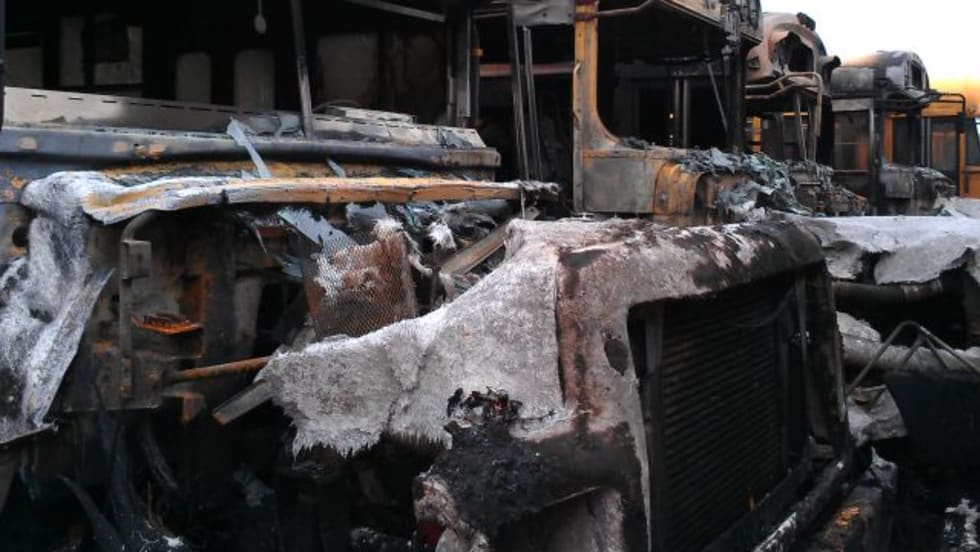
Hurricane Sandy: the impact on NYC's school bus fleets
Last fall's massive storm on the East Coast created a surge of challenges for student transportation in New York City, from flooded bus yards and offices to fuel and equipment shortages. Here's an overview of the crisis and how the city's Office of Pupil Transportation responded.
Read More →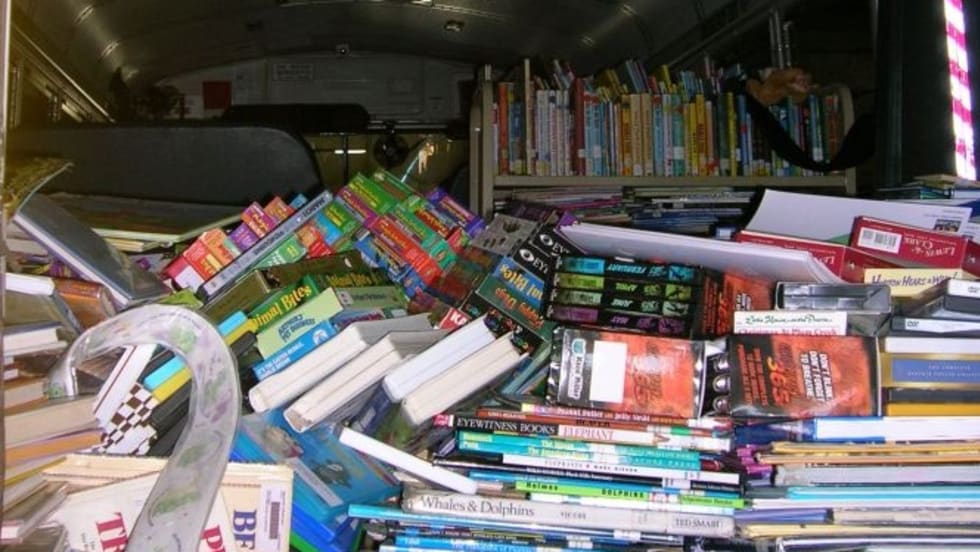
North Dakota operation takes action during massive flood
When the water began to affect the area around Minot Public Schools last month, transportation department personnel and other district employees emptied seven schools, transporting books and other supplies and equipment to the transportation facility. Director of Purchasing and Transportation Barry Brooks tells SBF about the experience.
Read More →Florida buses brake for hurricane season
The first day of school came late for many Florida school districts as hurricanes swept through the state last month.
Read More →Be Prepared for the Unexpected
Unexpected phenomena such as riots, strikes, tornadoes, earthquakes, snowstorms and other natural disasters can pose a threat to your operations. Here's how to prep.
Read More →