How Creative Routing Can Keep You Prepared for the Unexpected
Flexible routing, using routing tools, and easily communicable routes can help you keep ahead of any potential roadblocks when transporting students. Here are some tips for keeping the bus rolling and getting students to school on time, regardless of what the day brings.
Keeping on time and on route can be a challenge when the unexpected happens. From needing to find an alternate route due to road conditions or having to bring in a substitute driver, routing plays a major role in being prepared for the future.
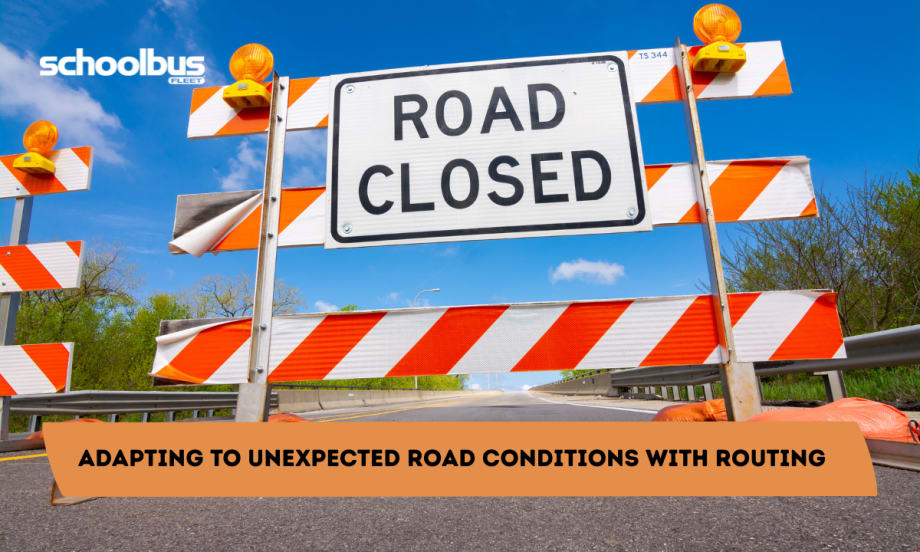
Photo: SBF Canva
8 min to read
It is hard to predict every obstacle the world will throw your way, but sometimes the question isn’t if something will happen but when. In school transportation, these obstacles can sometimes be literal roadblocks, or a driver can fall ill, necessitating a quick replacement.
Regardless of the challenge, understanding what may go wrong can allow you to use routing to plan ahead and get around the obstacles.
Ad Loading...
Getting Around With Flexible Routing
With unpredictable road conditions, whether due to weather, construction, or an accident, one of the easiest ways to overcome route disruptions is to go another way. This is where flexible routing comes in, allowing bus drivers to have a plan of action ahead of time if a portion of their route becomes obstructed.
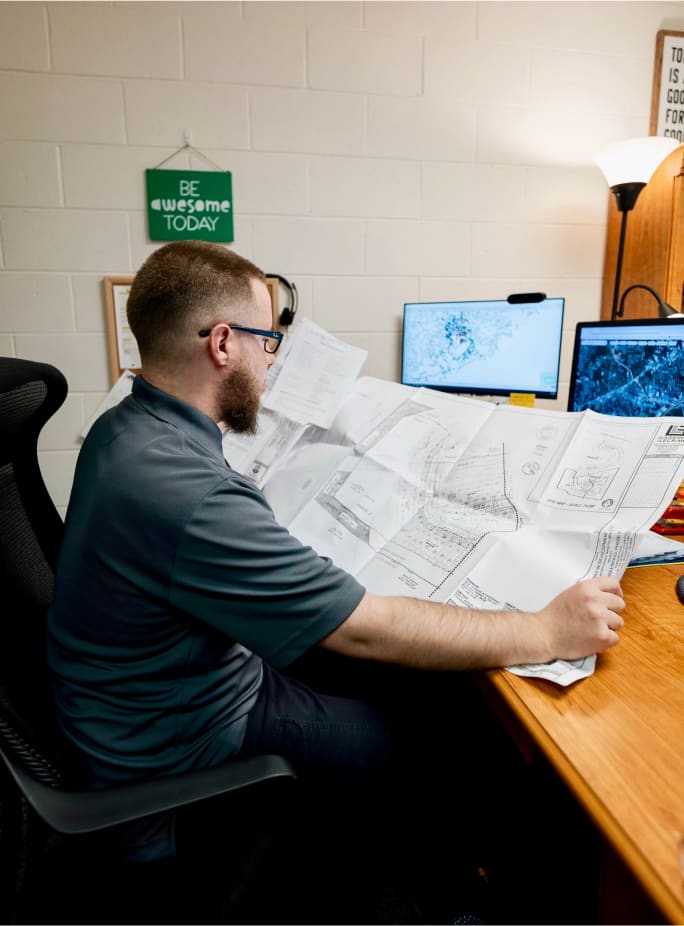
Planning routes can require a lot of tools, including paper maps. While digital maps are useful, having physical copies of your routes can help out when you cannot access your digital tools.
Photo: Daquavius Coleman
Flexible routing comes in multiple forms, from on-the-fly routing systems like those offered by Transfinder, Edulog, and BusPlanner among others, to drivers and routers understanding the roads in the district and planning alternate routes ahead of time.
Routing systems like Transfinder’s tools can automatically reroute buses using GPS data to minimize delays. By comparing planned routes to the actual routes being taken, routers can find adjustments that can be applied in real time to route buses around known construction areas or long-term road closures.
BusPlanner Dispatch is a new tool that was designed with flexible routing in mind. By providing live rerouting and run reassignment, immediate driver notifications, and GPS integration, districts can use this tool to have a structured way to manage on the fly changes.
Edulog’s Athena integrated transportation system can help districts plan multiple routes and address various what-if scenarios. By considering situations that may come up while en route, districts can be prepared for when various roadblocks or situations occur.
Ad Loading...
For districts that don’t have access to these types of routing tools, routers and drivers will need to rely on their understanding of the roads they are traveling.
“When I was working at a district in Colorado, we had to optimize for a variety of weather conditions,” said Greg Jackson, director of business development at School Bus Logistics. “We were always looking ahead and had to prepare for the mountains by setting up snow out and alternative routes and plan ahead for wildfires, avalanches, and mudslides. Because of the unpredictable conditions, our drivers needed to know the area very well in case something came up.”
Routers who are well-trained in the tools that they use and are familiar with district maps are able to quickly update routes as roads become impassable. In addition, by finding creative routes, areas with frequent road closures can be avoided without losing efficiency.
The first step in addressing this situation is keeping track of your students. By building an internal system that tracks address changes and automatically informs the routing team when transportation changes are requested, it becomes easier to adjust routes and avoid misassigning students.
Ad Loading...
Tracking this data can also allow early planning to see how resources need to be distributed across the district. Keeping an eye on your actual ridership can also help districts stay on top of routing.
“One of the most valuable tools for schools is the ability to track actual ridership,” said Zach Moren, Transfinder’s manager of sales enablement and engineering. “Transfinder has brought districts so much useful information by providing actual ridership data so transportation can analyze where efficiency opportunities exist.”
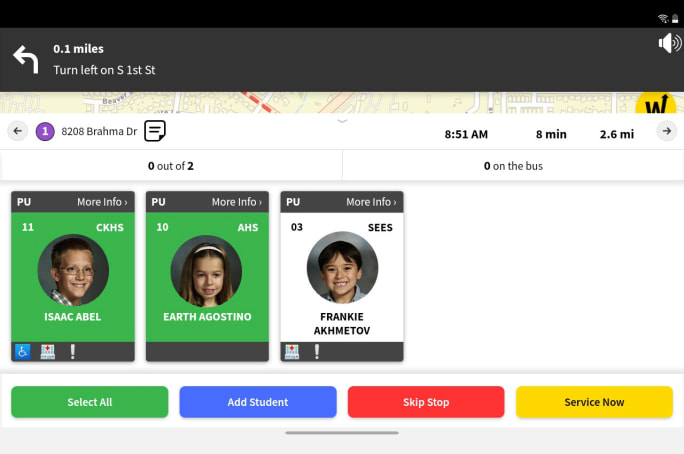
App attendance: By using a student tracker, you can keep an eye on who is getting on what bus. When planning routes, this data can help determine if adjustments need to be made and where routes can be combined in case of a driver's absence.
Photo: Transfinder
Getting a head count and knowing the capacity of each bus is a simple but important aspect of routing. In addition to allowing routers to know where students are coming from and which routes have room to be expanded, this information can help when a driver calls out sick.
Being able to add segments of routes to other existing routes can be an invaluable way to make up for a missing driver. Knowing that a bus normally only has a handful of students riding on it at the end of the day can allow districts to shift students onto that bus temporarily if needed.
This can help deal with driver shortages and the need to bring in a substitute driver for a route. The strategy works best when planning ahead, as coordinating with drivers about which parts of which routes could be added to their route ahead of time can help make sure that they are able and willing to take on the added responsibility.
Ad Loading...
“I found that a lot of drivers really just want to get students to and from school,” said Jackson. “If you talk with your drivers ahead of time, it is not uncommon to find that they are willing to take on an extra part of a route to help the kids. However, sometimes there are restrictions on the drivers that could interfere with this, so making sure that they are willing to and can help is an important step in the process.”
Dealing with Missing Drivers
When a driver has to call out sick or requests a vacation day, it can put districts in interesting situations. Routing tools and good routing can play a role in mitigating the effects of bringing in a substitute driver.
Substitute drivers are important to have, and while having a list of drivers to call when you need a sub is useful, there are other ways to plan for replacements as well. In addition to reassigning sections of routes to other drivers, having drivers on staff that alternate days can open up easy opportunities for substitute drivers.
Another place to look is within the school itself. Asking other staff members if they could pick up a route every once and a while may be a simple way to get a replacement driver on short notice.
When having dedicated substitutes for each route, making sure they understand where they are going, and the roads can be done ahead of time; however, being able to convey the routes quickly is still important if changes have been made.
Ad Loading...
Quick Tips for Keeping Efficient Routes
Review routes regularly. Small adjustments can lead to significant efficiency gains.
Hire overqualified routers, and train and develop them.
Train dispatch and driver teams on using digital tools to ensure seamless transitions.
Use real-time tracking to monitor on-road conditions and adjust routes dynamically.
Know what drives your vehicle requirements, including how your run tiers align.
Ensure families are informed via parent apps. Integrated communication tools can reduce uncertainty by keeping guardians up to date on bus schedules and delays.
Plan for future changes and analyze your route plans periodically. Simulating and studying various scenarios can help prepare for unexpected changes.
"When routes in FUSD are vacated due to resignation, or new routes are created for growth those whose credentials qualify them to take the route can submit interest," said Shannon Weber, director of transportation, Florence (Ariz.) Unified School District #1. "In addition to seniority, safety and accidents/incidents, bus management success with students, attendance, and care of current bus are all considered. For us, this keeps morale up for our newer drivers who are doing great work as the ability to bid different routes is not based on just years of service. We also don’t force all to rebid each year – if drivers are in good standing with all components of their evaluation they can keep their route. Only those who wish to “dump” their current for something that is open do so. Routes that are created during the school year are likely awarded to new staff members for consistency for students and can go on the bid for permanent assignment at the end of the year."
Using tools like those previously mentioned from BusPlanner and Transfinder can help substitute drivers quickly and easily understand routes. With digital maps, GPS tracking, and turn-by-turn instructions, any driver should be able to easily travel any route in the district.
Teri Mapengo, director of transportation at Prosper Independent School District in Texas believes that turn-by-turns are the next big thing. "I see it for myself for how amazing it is for my drivers," she said. "Every district should have this. I know it costs money, but it is so worth it for the people who use it. Whatever product you go with, it's something that's going to help with the safety of the kids."
Printing out maps of the route can also provide a low-tech option to show drivers where they need to go. This can be especially helpful if you don’t have access to tablets to display the maps or have a substitute that is more comfortable with paper maps.
Creating clear and simple routes also helps when needing to bring in substitute drivers. The more complex the route, the harder it is to remember all of the details.
Ad Loading...
“The best practice for creating routes that can be picked up is to make them easily understandable to drivers of all levels,” said Derek Graham, pupil transportation consultant at Edulog. “One practice is to ensure your driver directions are clear and concise, which is especially critical in the case of driver callouts and substitutions that can occur on any given day. Athena provides tools to help in this regard, allowing for customizable directions that can help reduce the risk of confusion when a driver is operating a new route. And with parent facing applications, the changes can be communicated effectively- whether they are assigned to a different stop or bus route.”
The Importance of Communication
Regardless of the situations, clear and timely communication is the most important part of ensuring buses stay on route. By forming relationships with school administrators, staff, and parents, school transportation departments can better understand and communicate what routes need to be changed and how.
“Clear and timely communication is critical when a substitute driver is covering a route,” said Mahbod Haghighi, senior manager of business operations at BusPlanner. “BusPlanner Dispatch automates this process by instantly notifying substitute drivers of any changes. This ensures they have the most up-to-date route details without the need for manual phone calls or printed route sheets. By providing real-time updates and mobile access, BusPlanner Dispatch helps drivers adjust on the go, reducing delays and confusion.”
Communicating plans and changes quickly and accurately will help drivers adapt and parents understand where their children will be dropped off in the event that the location changes. Even when using pre-planned alternate routes, having ways to send out reminders of the routes is imperative, especially if the route is for a rare occurrence.
Routing can play a major role in being prepared for sudden changes, and understanding potential alternate routes helps with on-the-fly changes. Finding creative routes ahead of time can save a lot of headaches down the line, and being able to communicate those routes quickly will help keep the bus on time.
The new name represents a renewed vision for the nonprofit focused on advancing clean, equitable, and affordable transportation solutions that move people and goods.
Choosing the right school bus driver trainer takes more than experience. Learn six keys to selecting and developing trainers and evaluating program effectiveness.
STA's Canadian division acquires Ontario-based G&L Stevenson Transport while Durham School Services adds a new district contract in California, First Student adds a New Jersey contract, and Minnesota Coaches acquires Halo Transportation.
A summer pilot found that AI agents could handle most routine calls, freeing up time for customer service staff to focus on emergencies and complex family concerns.
A Texas transportation supervisor shares lessons on self-awareness, accountability, managing stress and building trust — and why investing in leadership development matters at every stage of your career.
Who earned national recognition for their work in student transportation? This year, NAPT named five recipients of its 2026 awards for service, safety, and leadership, plus its newest Hall of Famer.
Driver shortages. Rising costs. Growing safety expectations. More data, but not enough time to act on it. The 2026 State of Student Transportation Report reveals what transportation leaders say is putting the most pressure on their operations—and where they’re investing next. See how your priorities compare.
What makes emotions run high, and how should you handle an angry colleague or parent? Follow these steps for staying calm, listening, showing empathy, and resolving conflict.
Learn about the challenges shaping the 2026–2027 school year, from persistent driver shortages and budget pressure to technology and readiness gaps. See how school districts are responding and adapting in Zonar’s 2026 Back-to-School Readiness Report.