

Copper Development Association to Launch Electric School Bus Coalition
Comprising school bus manufacturers and dealers, electric utilities, non-governmental organizations, and material providers, the coalition aims to drive adoption of electric bus fleets and the infrastructure needed to support them.

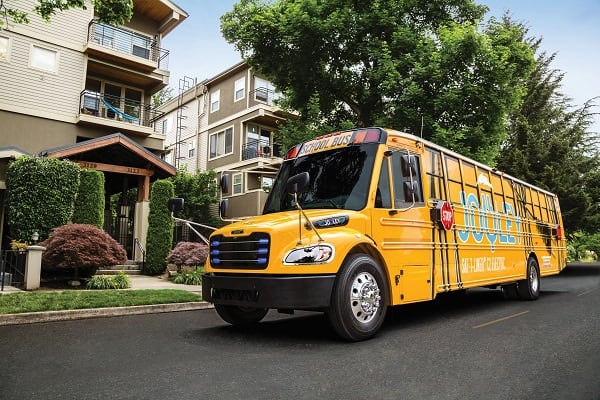
The Copper Development Association is teaming up with a diverse group of stakeholders, including school bus manufacturer Thomas Built Buses, to launch a new coalition dedicated to promoting the adoption of electric school bus fleets. Shown here is Thomas Built Buses' Saf-T-Liner C2 Jouley electric school bus.
File photo courtesy Thomas Built Buses
The Copper Development Association, a market development, engineering, and information services arm of the copper industry, alongside a diverse stakeholder group, has announced the launch of a new coalition dedicated to promoting the expansion of electric school bus fleets across the U.S.
The Electric School Bus Coalition (ESBC) aims to drive adoption of electric bus fleets and the infrastructure needed to support them through education and actionable, market-driven policy development, according to a news release from the Copper Development Association.
Comprising school bus manufacturers and dealers, electric utilities, non-governmental organizations (NGOs), and material providers, ESBC will harness the collective expertise of its membership to promote cleaner transportation fleets, healthier air for future generations, and domestic economic development, according to the association.
“We’re honored and excited to support the transition to electric bus fleets, which will create jobs and infrastructure opportunities and highlight American manufacturing leadership,” said John Hipchen, director of energy and electrical systems at the Copper Development Association. “To reach these goals, we are calling for $25 billion in federal grant funding (enough to replace 20% of the current diesel school bus fleet) as part of current infrastructure package negotiations.”
Initial founding members of the ESBC include Arizona Public Service, Thomas Built Buses/Daimler Trucks North America, Dominion Energy, Duke University, Electric Vehicle Drive, Energy Storage Association, Highland Electric Transportation, International WELL Building Institute, National Association of State Energy Officials, National Rural Electric Cooperative Association, PacificCorp, Salt River Project, Center for Green Schools at U.S. Green Building Council, and Virginia Clean Cities. The founding members established the coalition on a common set of principles but welcome the addition of any likeminded groups that support their goals.
Jed Routh, vice president of sales, marketing, and service for Thomas Built Buses, told School Bus Fleet that the manufacturer is "proud to work together with other industry leaders to ensure that our customers, their riders, and society as a whole navigates the transition [to electric] quickly and seamlessly."
More Alternative Fuels
Bipartisan Bill Seeks to Extend Clean School Bus Program Through 2031
The proposed legislation would renew federal support for cleaner school buses as districts navigate funding uncertainty, rising fuel and infrastructure costs, and fleet replacement needs.
Read More →
Alt-Fuel Moves: Electric Bus Rollouts, Bidirectional Charging & Propane Growth
See which fleets are adding electric and propane school buses as districts and operators invest in charging infrastructure, bidirectional technology, and alternative-fuel expansion.
Read More →
Nobody Told Diesel Prices They Were Supposed to Come Down
With diesel prices surging, school bus fleets have new reason to stress-test fuel costs, consider diversification, and calculate what each route really costs to operate.
Read More →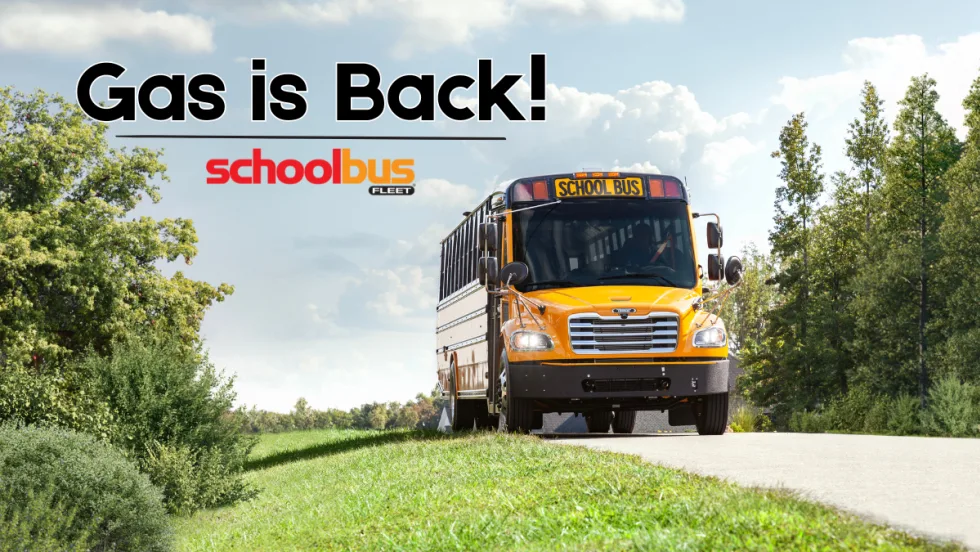
Why Gasoline School Buses Are Making a Comeback
Gasoline is gaining ground in full-size school buses. See how today’s options stack up against diesel on cost, maintenance, emissions, performance, and more.
Read More →
EPA Opens $180M DERA Funding Round for Diesel Upgrades
The 2026 Diesel Emissions Reduction Act program seeks applications from eligible organizations to accelerate the retirement of legacy diesel vehicles.
Read More →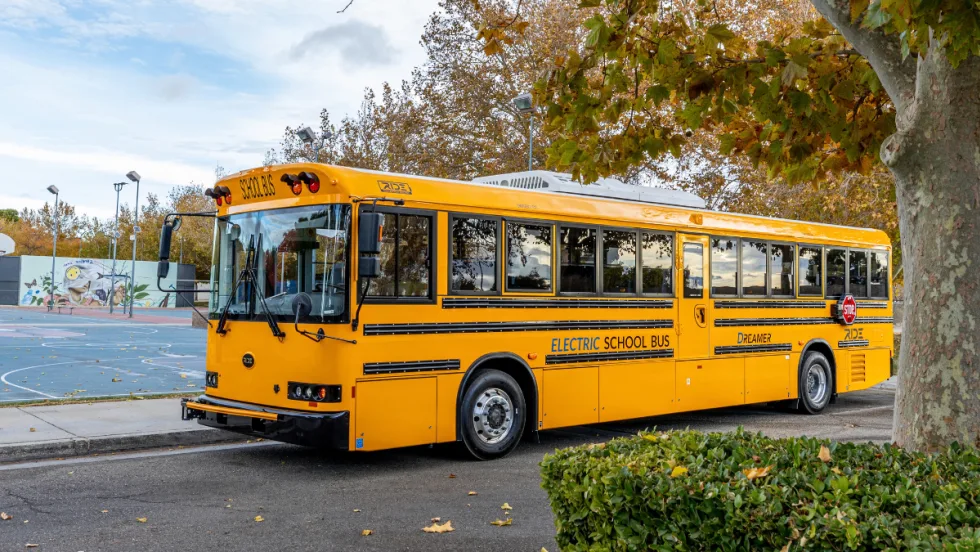
The Secret Life of an Electric School Bus Battery
Batteries change throughout years of daily routes, but degradation doesn’t necessarily mean the end. Here’s what operators should know about performance, safety, and second life.
Read More →
CALSTART and Forth Combine to Form Catalyst Mobility
The new name represents a renewed vision for the nonprofit focused on advancing clean, equitable, and affordable transportation solutions that move people and goods.
Read More →
Alt-Fuel Moves: New Buses, Charging Hubs & Real-World EV Testing
Propane and electric school bus deployments continue to grow as districts add new vehicles, expand charging infrastructure, and gather more real-world operating data.
Read More →
Fewer Electric School Bus Models Reshape the U.S. Market
WRI’s latest buyer’s guide points to a consolidating electric school bus market, but fewer options may reflect a maturing industry rather than fewer meaningful choices for school bus operators.
Read More →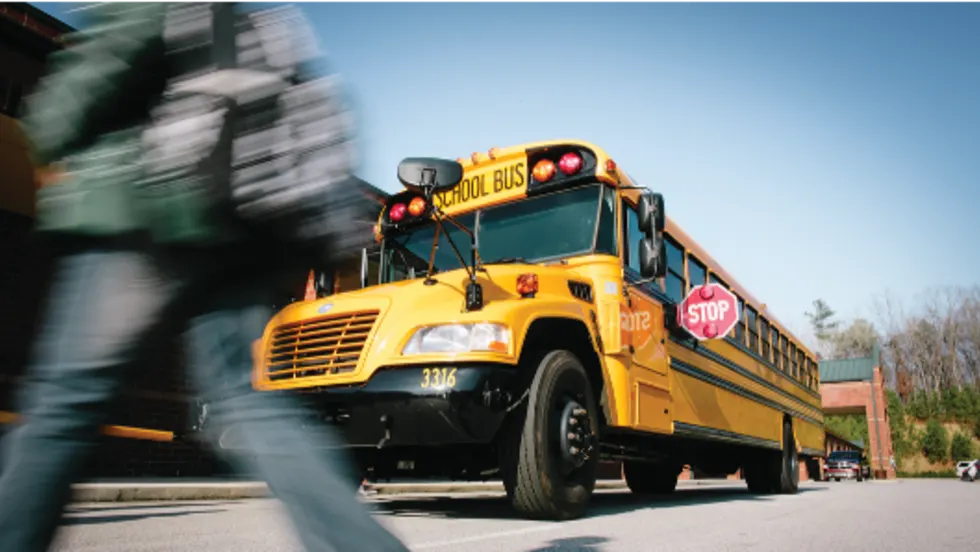
The Fuel Budget You Can Actually Predict: How Propane Autogas Keeps Money in the Classroom
Learn how propane autogas helps school districts manage fuel costs with predictable pricing, lower maintenance, and reduced emissions from former transportation director Joel Stutheit.
Read More →