





Keep Reading: National Action Plan Aims to End Illegal School Bus Passings Across the U.S.
Safety Vision Report Highlights Growing Impact of AI-Powered Video on Fleet Safety
New research finds intelligent video systems are reducing crashes, lowering insurance costs, and reshaping safety strategies across school transportation fleets.
March 26, 2026
Safety Vision reports that today’s AI-powered video telematics platforms have transformed previous models by enabling real-time detection of unsafe driving behaviors and road hazards.
Credit:
School Bus Fleet
2 min to read
A new industry report suggests AI-powered video systems are quickly becoming essential infrastructure for fleets navigating safety challenges and rising operational costs.
Safety Vision recently released its report, “The AI-Powered Fleet: How Intelligent Video Systems Are Transforming Transportation Safety and Operations,” which examines how artificial intelligence, computer vision, and connected video telematics platforms are reshaping transportation safety, fleet operations, and insurance risk management.
The report, now available for download, draws on research from organizations including McKinsey & Company, the Federal Motor Carrier Safety Administration, the National Highway Traffic Safety Administration, the American Public Transportation Association, and the Insurance Institute for Highway Safety to analyze the growing adoption of AI-powered fleet video systems across the transportation industry.
For example, in school transportation, over 25 million students ride school buses daily, and intelligent camera systems are helping school districts improve safety oversight, enforce stop-arm violations, and protect student riders.
According to the research summarized in the report:
- 20–35% reduction in preventable accidents with AI-enabled video monitoring.
- 25–73% crash reduction when video telematics is paired with structured driver coaching programs.
- $3,000–$5,800 in annual value per vehicle from accident reduction, insurance savings, and operational improvements.
- Up to 60% reduction in distracted driving incidents after AI monitoring deployment.
- 94% of vehicle crashes are linked to driver behavior, highlighting the importance of driver monitoring technologies.
The white paper also notes that the global AI in transportation market is projected to exceed $14 billion by 2030, reflecting the “rapid adoption of intelligent safety technologies across fleets worldwide.”
From Incident Recording to Accident Prevention and Insurance Pressures
Traditional fleet camera systems have historically served primarily as incident documentation tools, offering video evidence after accidents. Safety Vision reports that today’s AI-powered video telematics platforms have transformed that model by enabling real-time detection of unsafe driving behaviors and road hazards.
Plus, industry benchmarking shows fleets deploying AI safety platforms “may achieve insurance premium reductions of 12–22% alongside improved safety performance.”
The report also examines the insurance crisis facing commercial fleet operators. Rising litigation costs and the growth of so-called “nuclear verdicts” — jury awards exceeding $10 million — have placed financial pressure on transportation companies.
The report concludes that AI-powered video systems should be viewed as core safety infrastructure supporting long-term operational performance.
According to Safety Vision: “Fleets that combine AI monitoring with structured driver coaching programs, cloud analytics platforms, and integrated telematics systems are achieving the most significant improvements in safety performance and operational efficiency.”
More Safety
2 Killed, Dozens Injured in Florida School Bus Crash
A multi-vehicle collision caused a Polk County school bus carrying 37 students to overturn on its way to Winter Haven High School.
Read More →
Illegal School Bus Passing Drops 24% in New York Districts
With fewer than 5% of citations involving repeat offenders, Westchester County officials said enforcement, education, and community partnerships are helping change driver behavior.
Read More →
School's Back. Here's What Happened to Traffic, Speeding & Distraction
What happens to traffic when school resumes? New data analysis examines changes in distracted driving, congestion, and speeding around schools.
Read More →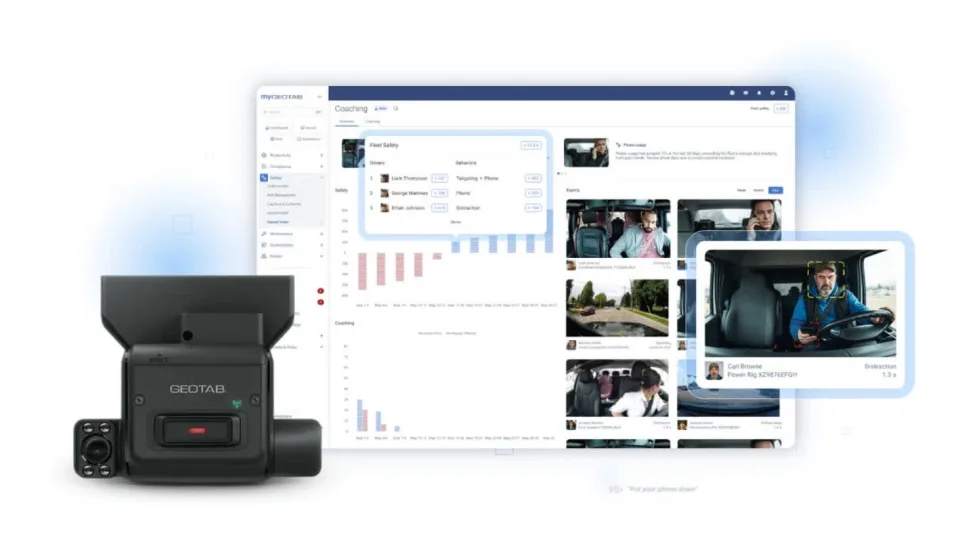
Geotab Expands Fleet Safety Tools With Video Coaching, Risk Insights
New safety and video capabilities aim to help fleet managers assess risk, support drivers, and take targeted action through video coaching, red-light violation detection, and more.
Read More →
How to Build a Better School Bus Driver Training Program
Is it time to strengthen your driver training? Here’s how to pick the right talent and improve recruitment, retention, and safety. This video is brought to you by IC Bus.
Read More →
Recent School Bus Accidents Leave 2 Dead, 2 Injured
Four school bus crashes in Florida, Illinois, and Georgia highlight risks in transportation lots, at bus stops, and during student loading and unloading.
Read More →
When Every Second Matters, Clarity Keeps Routes Moving
From routine delays to urgent incidents, strong communication practices help drivers, dispatchers, schools, and families respond with confidence.
Read More →
What Happens When a School Bus Catches Fire — and What Can Help
School bus fires are rare but can be devastating. Learn how advances in fire suppression and asset protection help fleets detect fires earlier, reduce damage, and improve safety.
Read More →
Geotab Launches Tool to Help Fleets Investigate Road Incidents
Geotab Investigations combines telematics data, video, documents, and other evidence to help fleets reconstruct incidents, resolve claims, and determine what happened.
Read More →
Texas Sixth Grader Wins 2026 National School Bus Safety Poster Contest
Sai Darshana Yekolu of Moseley Middle School in Prosper, Texas, was named the newest winner for her artwork, bringing the theme of “Safe Rides, Everyday Heroes” to life.
Read More →