




Related: Alt-Fueling Equipment Tailored for School Bus Fleets
Los Angeles District Approves Clean Energy Resolution
The fourth-largest district school bus fleet in the U.S., according to School Bus Fleet's research, commits to transitioning to 100% clean, renewable energy by 2040.

Sadiah Thompson・Assistant Editor

Los Angeles Unified School District has approved a resolution to commit to using 100% clean, renewable energy by 2040. Shown center is Lisa Oyos, program director for the Sierra Club Climate Parents, and LAUSD board of education member Scott M. Schmerelson. Photo courtesy Elvia Perez
3 min to read

Los Angeles Unified School District has approved a resolution to commit to using 100% clean, renewable energy by 2040. Shown here is Lisa Oyos (center), program director for the Sierra Club Climate Parents, and LAUSD board of education member Scott M. Schmerelson. Photo courtesy Elvia Perez
LOS ANGELES — The Los Angeles Unified School District (LAUSD) approved on Tuesday a resolution committing to using 100% clean, renewable energy sources, including in its transportation services.
The resolution, sponsored by three members of LAUSD’s board of education, promotes the district’s transition to clean, renewable energy by 2040, according to a news release from LAUSD. The district’s board members are also calling on city, state, and federal officials and government agencies to work alongside LAUSD in taking rapid and effective action on climate change to protect current and future students and their families.
“Transitioning to 100% clean, renewable energy is a courageous endeavor; it is an aspiration, but we have to put it out there as something that we aspire to do as a policy and not as a discussion item,” said Dr. George J. McKenna, LAUSD board member and co-sponsor of the resolution. “We will convene a task force of diverse voices to examine the feasibility, assess costs, gaps, and opportunities for the district to achieve this bold goal.”
The clean energy resolution was initially introduced to the board on Nov. 5 after a team of advocates from the Los Angeles chapter of The Climate Reality Project urged members of LAUSD’s board of education to consider the benefits of transitioning to clean energy, according to a news release from the agency.
"Given the realities of the [climate] crisis we face and how critical it is that everyone get on board, virtually everywhere we turned, we met with enthusiastic support and a willingness to assist us in getting this done,” said Michael Zelniker, co-chair of The Climate Reality Project, and Sybil Azur, co-lead of the clean energy campaign 100% Committed. “We are profoundly grateful to the many LAUSD students, teachers, parents, and activists who are members of our very large and committed coalition.”
The Intergovernmental Panel on Climate Change of 2018, the Fourth National Climate Assessment, local and international climate scientists, and the City of Los Angeles have declared a climate crisis, calling for a significant reduction of greenhouse gas emissions from the burning of fossil fuels by 2030, and net zero carbon emissions by 2050, according to LAUSD.
Los Angeles Unified, which ranks as the fourth-largest school bus fleet in the nation, according to School Bus Fleet’s most recent Top 100 School District Fleets list, reports that it has already committed to reducing 20% of its energy consumption.
Additionally, the district has engaged in several green school transportation initiatives over the years, including the addition of two electric school buses, the creation of a compressed natural gas (CNG) fueling station, and the addition of 71 CNG school buses.
View a tweet from Climate Reality Project about LAUSD's approval of its clean energy resolution below.
.@LASchools just committed to 100 percent clean, renewable electricity by 2030! Thank you @DrGeorgeMcKenna@boarddistrict2@ScottAtLAUSD@nickmelvoin@Jackie4LAkids@Kelly4LASchools@richardvladovic for choosing to #LeadOnClimate. @laclimateleaderhttps://t.co/Jh76DQcHQWpic.twitter.com/iTYEoynbr3
— Climate Reality (@ClimateReality) December 4, 2019
More Alternative Fuels

CALSTART and Forth Combine to Form Catalyst Mobility
The new name represents a renewed vision for the nonprofit focused on advancing clean, equitable, and affordable transportation solutions that move people and goods.
Read More →
Alt-Fuel Moves: New Buses, Charging Hubs & Real-World EV Testing
Propane and electric school bus deployments continue to grow as districts add new vehicles, expand charging infrastructure, and gather more real-world operating data.
Read More →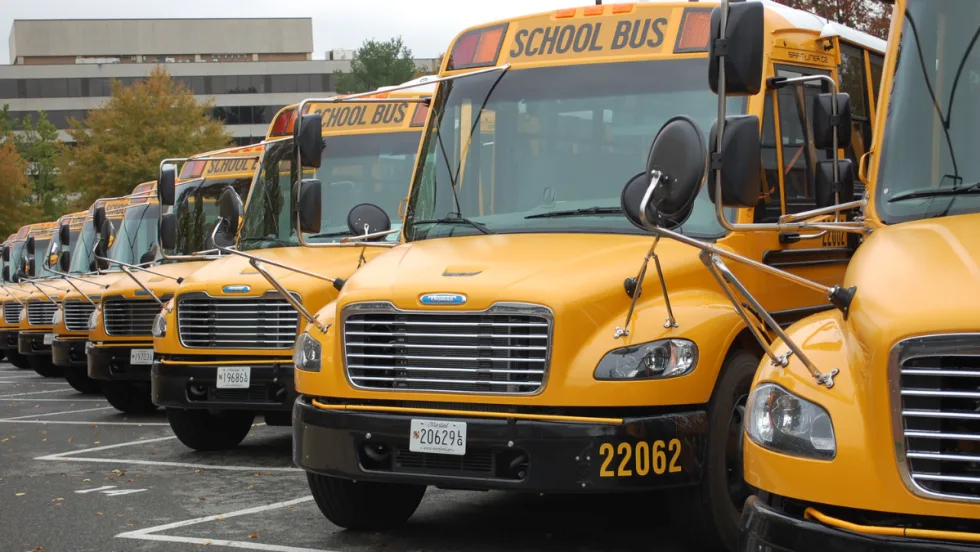
Fewer Electric School Bus Models Reshape the U.S. Market
WRI’s latest buyer’s guide points to a consolidating electric school bus market, but fewer options may reflect a maturing industry rather than fewer meaningful choices for school bus operators.
Read More →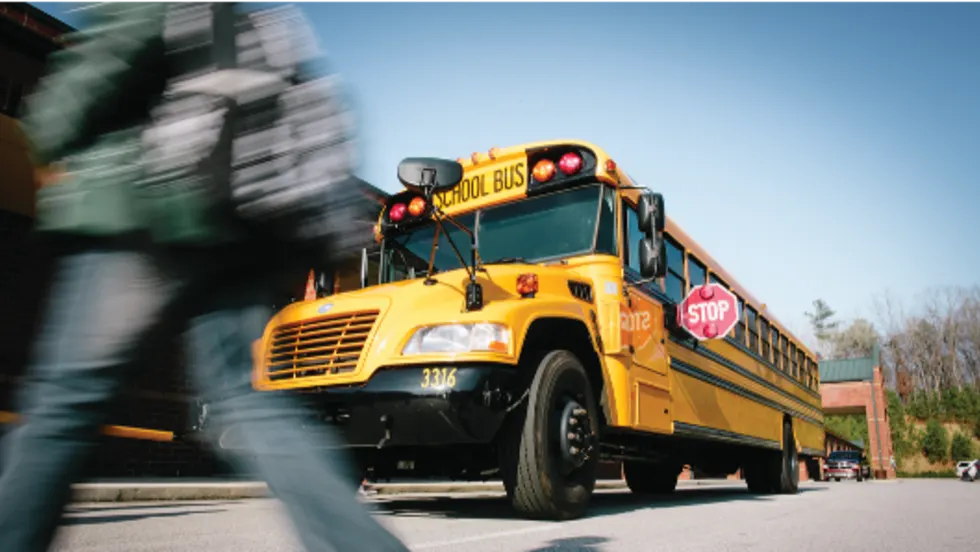
The Fuel Budget You Can Actually Predict: How Propane Autogas Keeps Money in the Classroom
Learn how propane autogas helps school districts manage fuel costs with predictable pricing, lower maintenance, and reduced emissions from former transportation director Joel Stutheit.
Read More →
Hendrickson, Driventic Introduce New Electric Powertrain for School Buses
ELECTRAAX, the electrified, lightweight drive axle offers integrated ePowertrain efficiency and modular flexibility for Class 6–7 school bus use.
Read More →
The Mobility House Joins PowerFlex in Fleet Electrification Deal
The acquisition combines intelligent charging software, bidirectional charging expertise, and fleet electrification services to support the growing adoption of electric school buses across North America.
Read More →
Alt-Fuel Moves: Electric School Bus Investments Hit the Road
See which districts across the U.S. are putting electric school buses into service, expanding charging infrastructure, and planning the next phase of fleet electrification.
Read More →
With Fuel Volatility Ahead, School Districts Turn to Propane
While diesel prices peaked above $5 this spring, districts with propane autogas-powered fleets paid under $2 per gallon, according to PERC.
Read More →
EPA Unveils Proposed Changes to 2027 Heavy-Duty Engine Rules
The federal agency has proposed changes to next year’s targets that would eliminate DEF derates, ease warranty requirements, and retain current NOx emissions standards.
Read More →
Alt-Fuel Moves: EV Charging & Infrastructure Projects Gain Momentum
The latest developments include new funding, charging infrastructure, utility investments, and fleet technologies designed to support the transition to electric school buses nationwide.
Read More →