





Check Out: Southern California District Flips Switch on Region’s First V2G School Bus Project
Lion Electric, U.S. Energy Secretary Discuss Decarbonization
The roundtable focused on how reducing carbon emissions can help lead to energy neutrality and how green jobs are the future for the manufacturing industry.
July 27, 2022

(from left) Nate Baguio, senior vice president of commercial development at Lion Electric, U.S. Rep. Bill Foster, and U.S. Secretary of Energy Jennifer Granholm joined others in a roundtable discussion about the decarbonization of heavy-duty vehicles, like school buses.
Photo: Lion Electric
3 min to read
Representatives from Lion Electric joined U.S. Secretary of Energy Jennifer Granholm, U.S. Rep. Bill Foster of Illinois, and Illinois industry, economic and workforce development leaders for a roundtable discussion focused on the future of transportation, including the deployment of zero-emission heavy-duty vehicles and supporting infrastructure, as well as energy independence, earlier this week.
"This is a proud moment to have U.S. Secretary of Energy, Jennifer Granholm, speak with us about how we can all work together to tackle climate change by investing in jobs, technologies, processes and products that are better for the environment and future generations," said Nate Baguio, senior vice president of commercial development at Lion Electric. "In order to reach the U.S.' net-zero emissions goal and combat climate change, the dual decarbonization of the energy and transportation sectors is critical. To succeed, industry needs to collaborate closely with the Department of Energy and lawmakers to implement ambitious programs that will speed our transition to a clean economy."
Granholm noted the additional $62 billion made available through the Bipartisan Infrastructure Law for spending on clean energy and infrastructure. It includes funding for electric vehicle (EV) charging, next-generation technologies for carbon capture, EV battery storage, and funding to strengthen the power grid for these needs.
Participants in the roundtable discussed the environmental opportunities and issues affecting rural, suburban, and urban communities. The roundtable focused on how reducing carbon emissions can help lead to energy neutrality and how green jobs are the future for the manufacturing industry.
Other attendees included:
Parker Meeks, chief strategy officer at Hyzon Motors;
Dr. B.J. Johnson, CEO and co-founder of ClearFlame Engine Technologies;
Doug Pryor, president and CEO of the Will County Center for Economic Development;
Dan Seals, CEO of Intersect Illinois; Lisa Schvach, executive director of WorkNet DuPage;
Jump Murphy, president and corporate business leader of Invenergy;
Dr. Joe Cassidy, assistant vice president of economic development and dean of continuing education and public services at the College of DuPage; and
Kevin Burns, Mayor of Geneva, Illinois and chairman for the environment committee and energy subcommittee of the Metropolitan Mayors Caucus of Chicago.
The roundtable conversation also included discussions on how the $7.5 billion from the Infrastructure Investment and Jobs Act will help drive job growth, advance the EV industry, and focus on addressing climate change in the U.S. Baguio represented Lion Electric in the roundtable, discussing the deployment of all-electric heavy-duty trucks and school buses, as well as Lion's impact on the local Illinois economy and collaboration with the Department of Energy.
In April 2022, Lion signed onto a Memorandum of Understanding with the DOE aimed at accelerating the development and deployment of vehicle-to-everything technologies, including vehicle-to-grid and vehicle-to-building functionalities. Lion was the only school bus manufacturer selected by the DOE to sign onto the agreement, according to a press release.
Lion is building its 900,000 square foot facility in Joliet, Illinois. Production is expected to start this fall. It will be the company's largest facility in the U.S.
More Alternative Fuels
Bipartisan Bill Seeks to Extend Clean School Bus Program Through 2031
The proposed legislation would renew federal support for cleaner school buses as districts navigate funding uncertainty, rising fuel and infrastructure costs, and fleet replacement needs.
Read More →
Alt-Fuel Moves: Electric Bus Rollouts, Bidirectional Charging & Propane Growth
See which fleets are adding electric and propane school buses as districts and operators invest in charging infrastructure, bidirectional technology, and alternative-fuel expansion.
Read More →
Nobody Told Diesel Prices They Were Supposed to Come Down
With diesel prices surging, school bus fleets have new reason to stress-test fuel costs, consider diversification, and calculate what each route really costs to operate.
Read More →
Why Gasoline School Buses Are Making a Comeback
Gasoline is gaining ground in full-size school buses. See how today’s options stack up against diesel on cost, maintenance, emissions, performance, and more.
Read More →
EPA Opens $180M DERA Funding Round for Diesel Upgrades
The 2026 Diesel Emissions Reduction Act program seeks applications from eligible organizations to accelerate the retirement of legacy diesel vehicles.
Read More →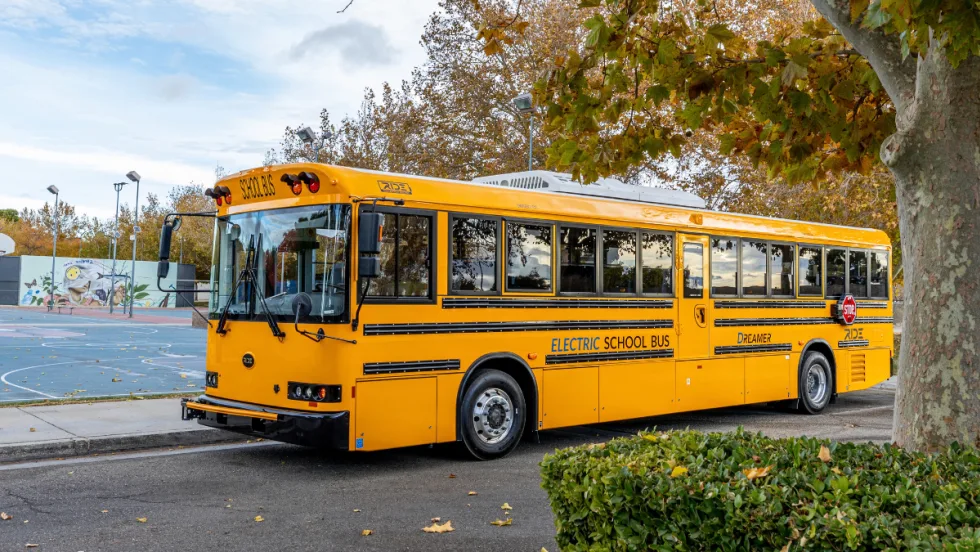
The Secret Life of an Electric School Bus Battery
Batteries change throughout years of daily routes, but degradation doesn’t necessarily mean the end. Here’s what operators should know about performance, safety, and second life.
Read More →
CALSTART and Forth Combine to Form Catalyst Mobility
The new name represents a renewed vision for the nonprofit focused on advancing clean, equitable, and affordable transportation solutions that move people and goods.
Read More →
Alt-Fuel Moves: New Buses, Charging Hubs & Real-World EV Testing
Propane and electric school bus deployments continue to grow as districts add new vehicles, expand charging infrastructure, and gather more real-world operating data.
Read More →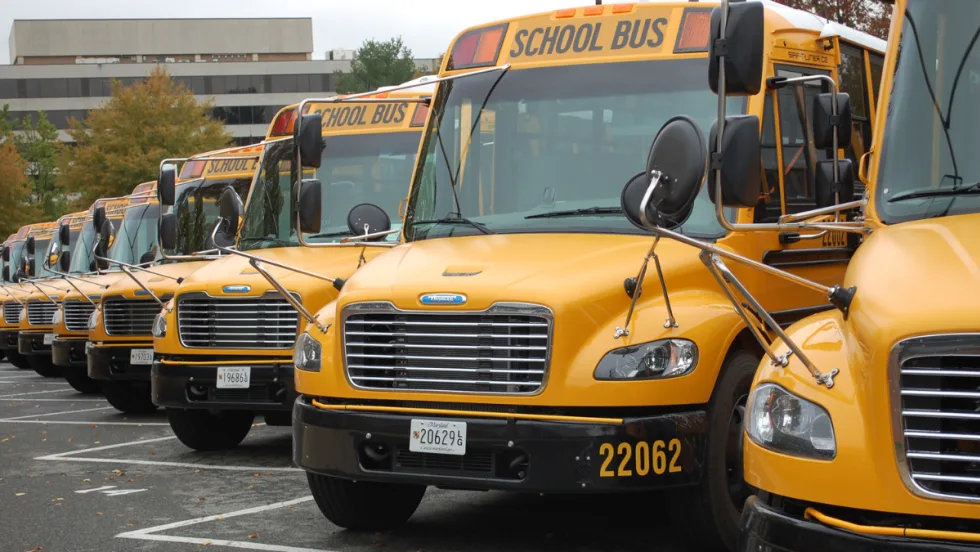
Fewer Electric School Bus Models Reshape the U.S. Market
WRI’s latest buyer’s guide points to a consolidating electric school bus market, but fewer options may reflect a maturing industry rather than fewer meaningful choices for school bus operators.
Read More →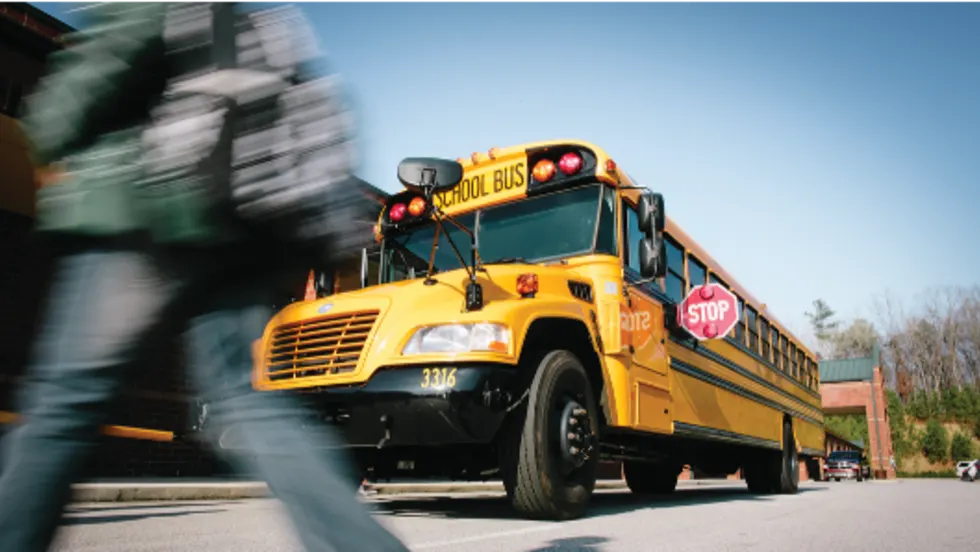
The Fuel Budget You Can Actually Predict: How Propane Autogas Keeps Money in the Classroom
Learn how propane autogas helps school districts manage fuel costs with predictable pricing, lower maintenance, and reduced emissions from former transportation director Joel Stutheit.
Read More →